
Rain changes a hunt quickly, turning quiet mornings into cold, muddy negotiations with brush, water, and uneven ground. I focus on layers, footwear, carry storage, and shelter that serve distinct roles in wet weather, from insulating base clothing to a 17-inch boot and a compact hammock fly. The collection covers early-morning hunts, cold camps, and wet backcountry setups, though only items with confirmed weatherproof specifications receive that claim.
The Leading Options At A Glance

Muddy Men’s TRX Quarter Zip Shirt
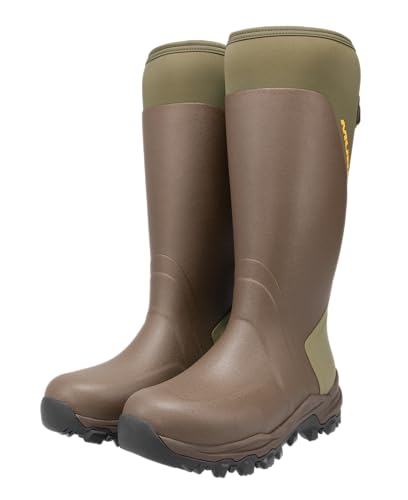
Muddy Men’s Dv8 Insulated Boot

CRYSULLY Men’s Fleece Tactical Work Coat

Fieldline Pro Series Eagle Backpack, Realtree Edge

MEETYOO Thermal Fleece-Lined Hunting Underwear Set

Muddy Men’s TRX Sherpa Bibs Mossy

Sunyear 9.8 x 9.5-Foot Waterproof Hammock Tarp
What Each Pick Brings To The Table
The TRX quarter zip is positioned as a lightweight base layer rather than a rain shell. That lighter construction suits mild activity, early starts, and hunters who prefer freedom of movement through brush. Compared with the insulated Dv8 boot, it handles warmth from a different part of the body without adding heavy weather protection.
Mossy Oak Bottomland and Greenleaf options give it a recognizable field-oriented look. The quarter-zip opening also allows some temperature adjustment during variable mornings, although fit and fabric hand will determine how comfortably it moves under a heavier outer layer.
Notable Gains
- Lightweight construction suits active mornings with moderate temperatures.
- The quarter-zip opening offers convenient airflow during changing conditions.
- Two Mossy Oak color options coordinate naturally with patterned field clothing.
Points To Note
- No waterproof material or rain-protection specification is provided, so persistent rain calls for a separate shell.
- Because it is listed as a base layer, the shirt may feel insufficient during stationary cold-weather waits.
Who Will Love This
Active hunters moving through mild, changeable conditions will appreciate the lightweight feel and adjustable quarter zip.
Another Choice May Suit
MEETYOO Thermal Fleece-Lined Hunting Underwear Set offers more explicit cold-weather coverage for hunters layering during long drives and colder mornings.
The Dv8 addresses the most demanding wet-weather problem in this group: keeping feet dry and warm around slush, mud, and cold standing water. Its 17-inch shaft rises well above a standard casual boot, while 5 mm neoprene adds insulation and flexibility. That combination is more substantial than the lightweight layering pieces earlier in the list.
A 1,000-gram Thinsulate toe section reinforces a high-wear area, and the mesh lining balances warmth with easier movement. The roll-down upper gives pants clearance or creates ventilation, while Muddy’s traction-focused outsole is designed for changing outdoor surfaces.
Useful Touches
- Confirmed waterproof construction helps protect against wet ground and slush.
- The 17-inch shaft offers substantial coverage for deep puddles and tall outerwear.
- Thinsulate insulation in the toe area adds targeted warmth.
- Neoprene construction supplies flexibility around the ankle and lower leg.
- The roll-down upper improves pant clearance and ventilation.
Trade Offs
- The tall insulated design is more equipment than mild-weather hunters need.
- Mesh-lined boots require time to dry fully after sustained submersion.
Key Specs
Built With In Mind
Hunters facing cold mud, slush, and long days in wet terrain gain the most from the Dv8’s height and insulation.
Where A Sibling Pick Shines
Sunyear’s hammock tarp is the better fit for hunters who need portable rain shelter rather than insulated footwear.
Fleece supplies the central benefit here: insulation without the stiffness of a conventional winter shell. The tactical work-coat format makes sense for cold breaks around camp, early vehicle loading, and chores that do not call for waterproof clothing. It can also sit over thermal underwear as a lighter midlayer.
The available information is lean, so I wouldn’t treat this as confirmed wet-weather protection. Compared with the Muddy Dv8, the CRYSULLY jacket addresses cold exposure across the torso rather than the feet, but its role depends heavily on the fleece weight and fit.
Strengths Worth Knowing
- Fleece construction provides a practical option for cold-weather insulation.
- The tactical coat format bridges hunting clothing and general workwear.
- It can function as either a standalone break layer or a midlayer during colder trips.
Honest Caveats
- No waterproof membrane, coating, or sealed construction is specified.
- Fleece can retain moisture, so a separate rain shell remains necessary in sustained precipitation.
- Pocket placement, closure design, and fit details are not provided in the available data.
Feature Snapshot
The Right Fit
Hunters seeking a warm torso layer for cold camps and roadside breaks will find its fleece-focused format most useful.
A Better Fit Elsewhere
MEETYOO Thermal Fleece-Lined Hunting Underwear Set is a better fit for preserving warmth close to the skin during sustained cold.
The Eagle Backpack handles a different part of wet-weather preparation: carrying clothing, food, and field tools without turning every item into a loose pile. Realtree Edge gives it a camouflage finish suited to hunting environments, while the casual daypack classification suggests a general-purpose carry format. The lack of technical data keeps the honest assessment focused on those confirmed attributes.
For short outings, it may be enough for organizing compact essentials, but capacity, pocket layout, material, and water resistance are not specified. Muddy’s TRX base layer may offer more targeted cold-weather value, while this pack matters only when comfortable carry is the priority.
Benefits That Matter
- Backpack format keeps field clothing and small essentials together.
- Realtree Edge camouflage complements a hunting-focused equipment set.
- The general-purpose daypack profile can also serve hiking and outdoor chores.
Small Limitations
- No pack capacity or compartment layout is provided, so loading plans should stay conservative.
- The listing does not confirm a waterproof fabric or rain cover.
- Open or exposed gear may need separate waterproof bags during heavy rain.
Core Details
Made For
Hunters carrying a compact kit for short outings benefit most from the casual daypack format and camouflage finish.
Not Your Match When
Sunyear’s hammock tarp suits hunters who need a packable rain shelter rather than a general equipment-carry bag.
Thermal underwear works best as the first layer against the body, preserving warmth while leaving room for heavier garments. This coordinated top-and-bottom set removes the need to assemble a cold-weather base layer separately. That makes it useful on long drives, winter camps, and mornings spent waiting in uncomfortable temperatures.
The fleece lining adds a soft insulating layer, but it also creates more warmth than a hunter may need during active movement. Compared with Muddy’s lightweight quarter zip, MEETYOO makes a stronger case for cold-weather layering; neither item provides confirmed waterproof protection.
Useful Highlights
- Top and bottom pieces create a coordinated cold-weather base layer.
- Fleece lining adds insulation close to the body during low-activity periods.
- The base-layer format works beneath jackets, bibs, and other outerwear.
- Thermal construction is well suited to cold vehicle travel and early starts.
Practical Considerations
- Fleece can retain perspiration during strenuous climbs, making layer control important.
- No waterproof finish is specified, so rain requires a separate outer shell.
- Sizing should account for close fit and room for additional layers.
Feature Rundown
Who Should Grab It
Hunters facing cold drives and layered winter mornings gain the most from this full thermal set.
Consider Something Else
CRYSULLY Men’s Fleece Tactical Work Coat is the better alternative for hunters wanting removable torso insulation during active work.
Sherpa bibs bring insulation through the legs and torso, which makes them useful during cold sits, early-season camps, and breaks away from a vehicle. The bib format also leaves the upper body freer than a conventional full-body suit, although that benefit depends on layering. Muddy places this model within its hunting-oriented TRX range.
Bottomland, Veil Canyon Grey, and Veil Canyon Hybrid give hunters several camouflage options. None should be treated as a rain suit from the available data; a separate waterproof layer remains necessary during precipitation.
A Strong Showing
- Bib construction can add warmth across the lower torso and legs.
- Three camouflage options support coordination with different field environments.
- The design complements thermal underwear and insulated outer layers.
Worth Noting
- No waterproof membrane, insulation weight, or pocket details are provided.
- Sherpa fabric can be bulky and may restrict movement during steep hikes.
- Heavy moisture will require careful drying to preserve loft.
Whose Shelf It Belongs On
Hunters who sit through cold, dry conditions benefit most from the bib’s concentrated insulating coverage.
Reach For A Different Pick
Muddy Men’s Dv8 Insulated Boot is a stronger fit for hunters whose main concern is cold, wet feet.
The Sunyear tarp creates an overhead rain barrier for a hammock setup, turning an exposed rest into a more protected camp. Its 9.8-by-9.5-foot coverage and 32-foot ridgeline provide substantial room for a suspended hammock plus limited gear. Unlike the clothing options, it addresses weather exposure by creating shelter rather than adding warmth.
Waterproof 210-denier Oxford fabric, described as having a polyurethane coating rated at 3,000 millimeters, forms the core weather barrier. A higher millimeter rating measures the fabric’s resistance to water penetration under laboratory-style pressure, not immunity to prolonged storm conditions.
Where It Helps
- Waterproof fabric protects a hammock sleeper from rain and snow.
- The broad footprint leaves room for body coverage and limited campsite gear.
- A 32-foot ridgeline supports flexible suspension between suitable trees.
- Six reflective guy lines support setup and visibility around the camp.
- Two stuff sacks simplify organized packing and separation of components.
Possible Compromises
- The tarp provides overhead protection but does not create enclosed sidewalls.
- Driving rain can enter around the edges under strong wind.
- The Oxford fabric must be dried thoroughly after wet use to limit mildew and corrosion at hardware.
Technical Reference
Best Suited To
Hammock campers traveling light through wet backcountry terrain gain the most from this dedicated rain fly.
Swap It Out For
Muddy Men’s Dv8 Insulated Boot is the better choice for hunting on foot through cold mud rather than establishing a hammock camp.
Matching Layers, Footwear, And Shelter To The Forecast
A complete wet-weather system works best when each layer has a defined role. A thermal base layer manages body warmth, a midlayer handles additional insulation, waterproof outerwear blocks precipitation, and insulated footwear protects the ground contact point. Shelter serves a separate purpose by keeping rain away from a campsite, so hunting gear and camping equipment should not be treated as interchangeable.
Start With The Expected Temperature
Temperature determines how much insulation belongs against the body. Fleece-lined thermal underwear and sherpa bibs make sense during cold vehicle travel, stationary camps, and early waits. Lightweight quarter zips fit more comfortably during active movement in mild weather, while a fleece jacket can provide removable warmth between colder layers.
Keep Rain Out Sideways And Downward
A base layer keeps cold away, but it does not stop rain. A shell jacket or pants should carry the waterproof layer for exposed hunting, while the Dv8 boot addresses water entering from the ground. The coating strength of the Sunyear tarp matters mainly in its intended role as a hammock rain fly rather than a clothing membrane.
Match Footwear To Terrain And Standing Time
Boot height and insulation need to match actual exposure. The 17-inch Dv8 provides broad coverage for slush and deep puddles, which can feel excessive on dry woodland ground. Hunters walking long distances over moderate terrain may prefer less substantial footwear, but adequate ankle support and wet-weather traction remain necessary on uneven ground.
Practical Checks Before A Wet Hunt
Common Shopping Slip Ups
Treating a fleece layer as rain protection is the most frequent category mismatch. Base layers and insulated bibs manage cold; outer shells and appropriate footwear manage precipitation. Confirming waterproof construction, seam treatment, intended coverage, and packing volume prevents an expensive gap later.
What Separates Premium From Basic
Higher-tier equipment often adds confirmed waterproof membranes, thicker insulation, reinforcement, or specialized dimensions. The relevant question is whether those improvements match the actual trip. Spend more on insulated footwear for cold mud, but a compact rain fly may matter more to someone traveling on foot with a hammock.
Frequently Asked Questions
Is Waterproof Hunting Gear Safe In Heavy Rain?
Waterproof specifications indicate resistance to precipitation, not unlimited exposure. Extended wind-driven rain, pooled water, and damaged seams can still cause leakage.
Do Thermal Underwear Sets Need Fleece?
Fleece provides additional loft and warmth, which can feel excessive during active use. Lightweight thermal layers work better for moving, while fleece-lined versions suit cold, low-activity periods.
Are 17-Inch Boots Too Tall?
Tall boots suit deep mud, slush, and high-calf outerwear. Shorter footwear may feel lighter on dry trails, but it offers less coverage around the lower leg.
Does A Hammock Tarp Keep Wind Out?
No. The Sunyear tarp provides overhead rain and snow protection, but its open sides leave it exposed to wind-driven precipitation.
Should A Hunting Backpack Be Waterproof?
A waterproof pack helps protect supplies in sustained rain, but dry bags provide an additional layer of control. Backpacks without confirmed water resistance should be packed with internal waterproof bags.
Final Thoughts
The strongest field setup combines layers rather than relying on one oversized garment. Muddy’s Dv8 boot and Sunyear’s tarp provide the clearest weather protection, while the TRX shirt, fleece coat, backpack, thermal set, and sherpa bibs handle specific comfort and carry needs. Match each piece to the forecast, expected terrain, and duration of the outing rather than treating one item as a complete weather system.