
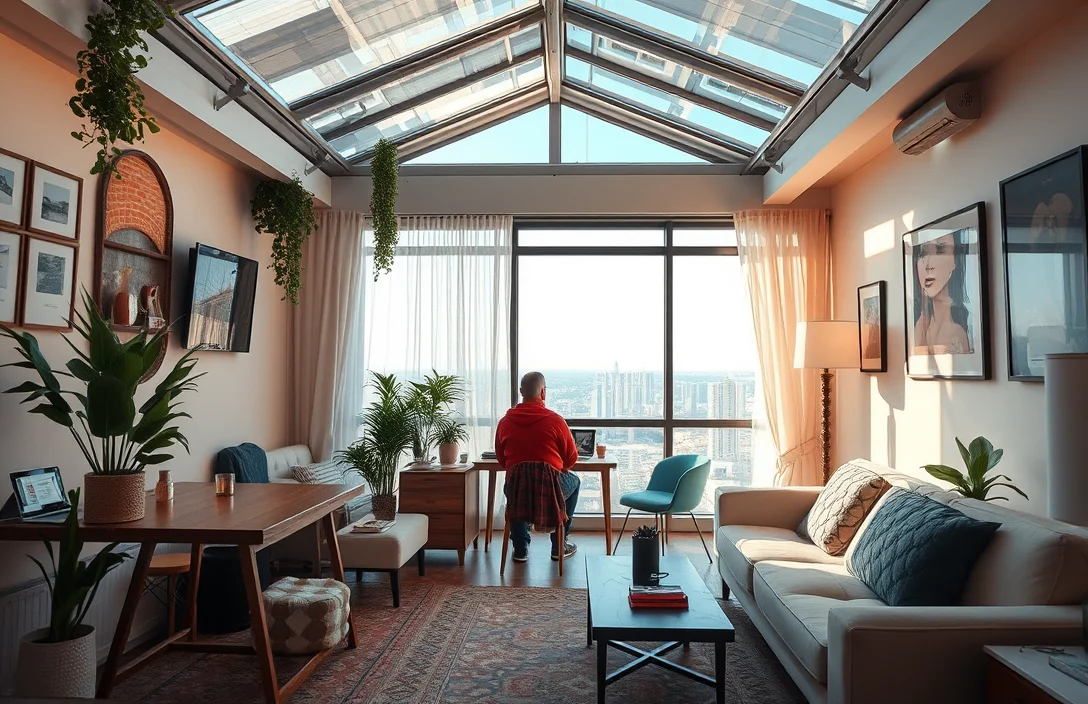
Picture this: you’ve just arrived in Paris, and instead of a sterile hotel room, you’re settling into a charming apartment nestled in a local neighborhood. This is the magic of Airbnb, where travelers find unique accommodations that feel like home. But what does Airbnb truly mean in travel and hospitality?
Understanding Airbnb’s impact is crucial for today’s traveler. This article breaks down the definition of Airbnb, its business model, and how it’s reshaping travel preferences. We’ll cover the history of Airbnb, provide insights into its influence on the hospitality industry, and discuss the potential challenges it presents. Get ready to discover how Airbnb can enhance your travel experience or even alter your accommodation choices.
| Aspect | Details |
|---|---|
| Definition | Platform for short-term rentals |
| History | Founded in 2008, now a global leader |
| Market Presence | Over 7 million listings worldwide |
Airbnb Definition in Hospitality
Understanding the meaning of Airbnb in travel and hospitality is essential for both travelers and hosts. This platform has fundamentally altered how we view accommodation, making travel more accessible and diverse. Below, we explore what Airbnb is and the core services it offers.
Definition of Airbnb: Airbnb is an online marketplace that connects travelers with hosts who rent out their properties or spare rooms. Founded in 2008, it has grown into a global phenomenon, allowing users to find unique lodging options in cities and rural areas alike, often at competitive prices compared to traditional hotels.
Services Offered by Airbnb
Airbnb provides a range of services designed to enhance the travel experience:
- Home Rentals: From entire homes to shared spaces, Airbnb offers a variety of accommodation types, catering to different budgets and preferences.
- Experiences: Beyond lodging, hosts can offer curated experiences, such as cooking classes or guided tours, enriching the travel experience.
- Online Experiences: Virtual activities enable travelers to engage with hosts from the comfort of their homes, making it a flexible option for anyone hesitant to travel.
- Travel Flexibility: With features like flexible cancellation policies, Airbnb allows travelers to book with confidence.
“On my last trip to Barcelona, I found an incredible apartment with a view of the Sagrada Familia, all thanks to Airbnb!”
Airbnb’s innovative approach has not only created opportunities for hosts to earn extra income but has also transformed how travelers seek authentic experiences. Whether you’re after a quaint beach cottage or a chic city loft, Airbnb’s diverse offerings make it a vital player in the hospitality industry.
History of Airbnb
The history of Airbnb offers a fascinating glimpse into how this platform has reshaped travel and hospitality. From its humble beginnings to becoming a global phenomenon, understanding its growth helps define Airbnb’s impact on accommodation choices and travel trends.
Founding Story
Airbnb was born in 2008 when founders Brian Chesky, Joe Gebbia, and Nathan Blecharczyk decided to rent out air mattresses in their San Francisco apartment to make extra cash during a design conference. Their initial concept of “AirBed & Breakfast” quickly evolved into a platform that connects hosts with travelers seeking unique stays.
Milestones in Growth
- 2009: The company rebranded to Airbnb and introduced a website for booking.
- 2011: Reached one million nights booked, signaling its rapid acceptance.
- 2013: Expanded internationally with listings in over 190 countries.
- 2016: Introduced “Airbnb Experiences,” allowing hosts to offer activities alongside accommodation.
- 2020: Despite the COVID-19 pandemic, Airbnb adapted with long-term rental options, showcasing flexibility in travel.
“I booked my first Airbnb in Paris to escape the hotel crowds and fell in love with the local experience it provided.” – A frequent traveler
| Year | Milestone | Significance |
|---|---|---|
| 2008 | Founding | Introduced a new way to travel and experience local cultures. |
| 2011 | 1 Million Nights | Validation of the peer-to-peer accommodation model. |
| 2016 | Airbnb Experiences | Diversified offerings beyond just accommodation. |
Airbnb’s history is not just about the growth of a company; it reflects a shift in how we think about travel and hospitality, emphasizing local experiences and community connections over traditional hotel stays.
Airbnb Business Model Explained
This section breaks down how Airbnb operates compared to traditional hotels, focusing on host and guest interaction, as well as its revenue model. Understanding these elements is crucial for both travelers and potential hosts, highlighting what Airbnb means for the travel and hospitality landscape.
- Host and Guest Interaction: Airbnb fosters a unique relationship between hosts and guests, enabling direct communication through the platform. This interaction allows guests to ask questions about the property or the local area, ensuring they have a personalized experience. For hosts, responding promptly and professionally can lead to better reviews and higher occupancy rates.
- Revenue Model: Airbnb’s revenue model is based on a commission system where the platform charges hosts a percentage of the booking fee. Typically, this ranges from 3% to 5%, while guests pay a service fee that can vary based on the booking total. This model allows Airbnb to offer competitive pricing compared to traditional hotels, appealing to budget-conscious travelers.
- Accessibility and Inclusivity: Airbnb has made strides in promoting accessibility by allowing hosts to indicate features like wheelchair access in their listings. However, it’s essential for guests to communicate specific needs with hosts prior to booking to ensure a comfortable stay. This focus on accessibility can enhance the travel experience for individuals with disabilities.
- Safety Measures: Safety is a common concern for travelers using Airbnb. The platform offers verification processes for hosts and guests, along with a review system that helps maintain quality. Additionally, many hosts implement enhanced cleaning protocols, especially post-pandemic, ensuring a safe environment for guests.
Impact on Travel Behavior
Airbnb has significantly shifted traveler preferences by changing how, where, and why people choose their accommodations. This section explores how Airbnb has influenced accommodation choices and travel trends, making it essential for anyone navigating the modern travel landscape.
- Shift in Accommodation Choices: Travelers are increasingly opting for Airbnb listings over traditional hotels due to the appeal of unique, personalized experiences. Instead of cookie-cutter hotel rooms, guests can choose from treehouses, villas, or even cozy apartments in local neighborhoods, which often come at lower prices. This shift allows travelers to immerse themselves more fully in the culture of their destination.
- Variety and Flexibility: The diversity of listings on Airbnb caters to various budgets and preferences, making travel accessible to a wider audience. Whether you’re looking for a budget-friendly option or a luxurious getaway, there’s likely an Airbnb that fits your needs. This flexibility has led to an increase in spontaneous trips, as travelers can find last-minute accommodations that suit their plans.
- Influence on Travel Trends: Airbnb has sparked a trend towards longer stays and remote work travel, allowing individuals to explore destinations more thoroughly. Many travelers are now combining work and leisure, leading to an increase in monthly rentals in appealing locales. This trend not only benefits travelers but also stimulates local economies by encouraging longer visits.
- Community Engagement: Many Airbnb hosts offer insights into local attractions and experiences, enhancing the travel experience. Unlike traditional hotel stays, where interactions are often minimal, staying in an Airbnb can lead to engaging conversations and recommendations that enrich your visit. This community-driven approach fosters a deeper connection to the destination.
Airbnb’s Influence on Hospitality Industry
The emergence of Airbnb has significantly reshaped the hospitality industry, creating new dynamics in competition and sparking innovation in services. As travelers increasingly seek unique experiences, hotels are adapting to meet these changing preferences while facing the challenge posed by Airbnb’s diverse offerings.
Competition with Hotels
Airbnb’s rise has intensified competition within the hospitality sector, prompting hotels to rethink their strategies. Traditional hotels are now competing not just on price, but also on experience and personalized service. Here are some key impacts:
- Price Sensitivity: Airbnb often offers more affordable accommodation options, especially for longer stays.
- Diverse Offerings: From treehouses to urban lofts, Airbnb provides a range of unique lodging experiences that hotels cannot replicate.
- Location Advantage: Many Airbnb listings are located in residential neighborhoods, allowing travelers to experience destinations more like locals.
Innovation in Services
To stay competitive, hotels are innovating in several ways:
- Personalization: Many hotels are enhancing guest experiences through tailored services, such as custom itineraries and local guides.
- Technology Integration: Mobile check-ins, smart room features, and digital concierge services are becoming standard.
- Flexible Pricing: Hotels are adopting dynamic pricing models to compete with Airbnb’s varied rates.
“On my last trip, I found myself in a cozy Airbnb that felt like home—something that hotel chains struggle to offer.”
This shift in the hospitality landscape emphasizes the need for both hotels and Airbnb hosts to continuously adapt to the evolving preferences of travelers, ensuring they deliver not just a bed, but a memorable experience. Based on personal research; experiences may vary.
Statistics on Airbnb Market Presence
This section highlights the significant statistics regarding Airbnb’s market presence, showcasing its user growth and market share. Understanding these figures is essential for grasping the impact of Airbnb in the travel and hospitality sector, especially as travelers increasingly opt for its unique accommodations over traditional hotels.
- User Growth Statistics: As of late 2023, Airbnb boasts over 150 million active users worldwide. This figure represents a staggering increase from just 60 million in 2016, indicating a growing preference for alternative lodging options. The platform’s ease of use and diverse listings appeal to various traveler demographics, from budget backpackers to families seeking spacious homes.
- Market Share Insights: Airbnb has captured approximately 20% of the global short-term rental market. This substantial share highlights its dominance in this niche, especially as travelers seek more personalized and localized experiences. Regions such as Europe and North America show particularly high market penetration, with Airbnb listings often outnumbering traditional hotels in popular tourist destinations.
- Booking Trends: Recent data shows that about 60% of Airbnb bookings are made for entire homes, reflecting a shift towards privacy and comfort, especially post-pandemic. This trend has implications for travel behaviors, as families and groups prefer accommodations that allow for social distancing and self-catering options.
- Demographic Insights: Millennials and Gen Z travelers constitute a significant portion of Airbnb users, accounting for over 50% of bookings in urban areas. Their preference for unique, authentic experiences drives the demand for diverse property types, from treehouses to urban lofts, underscoring the changing landscape of travel accommodations.
Challenges Facing Airbnb
The rise of Airbnb has not come without its share of criticisms and potential issues, particularly in the realms of regulation and safety. Understanding these challenges is crucial for both travelers considering Airbnb for accommodations and hosts looking to navigate the platform effectively.
Regulatory Challenges
Many cities around the world are grappling with how to regulate short-term rentals. This can create confusion for both guests and hosts. Key issues include:
- Licensing Requirements: Some locales require hosts to obtain permits, which can be a barrier to entry and compliance.
- Tax Obligations: Hosts may face unexpected tax liabilities, as many jurisdictions impose hotel or occupancy taxes on short-term rentals.
- Housing Market Impact: Critics argue that Airbnb contributes to housing shortages by reducing the number of long-term rental units available.
Safety Concerns
While Airbnb provides a platform for unique accommodations, safety remains a primary concern for travelers. Issues include:
- Verification Processes: Not all listings undergo rigorous screening, leading to potential safety risks.
- Emergency Protocols: Unlike hotels with staff on-site, many Airbnb properties lack immediate assistance in emergencies.
- Guest Reviews: While reviews can offer insight, they are not always reliable indicators of a property’s safety or quality.
“On my last trip, I encountered a host who had not updated the safety features in their property. Always check for smoke detectors and emergency exits when booking.”
Addressing these challenges is essential for a positive experience in the Airbnb space, both for guests seeking unique stays and hosts aiming to thrive in the competitive travel ecosystem.
Cost Considerations for Travelers
Understanding the cost implications of using Airbnb compared to traditional accommodations is crucial for savvy travelers. While Airbnb often presents attractive pricing, hidden fees and variable rates can alter the overall expense of your stay. Let’s dissect the financial aspects to help you make informed decisions.
Pricing Comparisons
| Accommodation Type | Average Price per Night | Typical Amenities |
|---|---|---|
| Airbnb (Entire Home) | $150 – $300 | Kitchen, Wi-Fi, Laundry |
| Airbnb (Private Room) | $50 – $150 | Wi-Fi, Shared Kitchen |
| Hotel (Mid-Range) | $100 – $250 | Room Service, Pool, Gym |
Hidden Fees
Airbnb can come with additional charges that may not be immediately apparent. Here are common hidden fees to watch out for:
- Cleaning Fee: Ranges from $20 to $100 depending on the property.
- Service Fee: Typically 6% to 12% of the booking subtotal.
- Extra Guest Fee: Many hosts charge for each guest beyond a certain number.
“While booking an Airbnb, always check the total price breakdown before confirming. On my last trip, I was surprised by a hefty cleaning fee that nearly doubled my original budget!”
By being aware of these cost considerations, you can better navigate the landscape of Airbnb versus traditional accommodations, ensuring you find the best value for your travel experience. Remember to research and compare before you book to maximize your travel budget!
Quick Summary
- Definition: Airbnb revolutionized travel by offering unique accommodations, often at lower costs than hotels.
- Local Experience: Staying in an Airbnb enables travelers to immerse themselves in local culture and neighborhoods.
- Flexible Options: From entire homes to shared spaces, Airbnb provides diverse lodging options for all budgets.
- Safety Measures: Verified reviews and host profiles enhance safety and trust for travelers.
- Easy Planning: Airbnb’s user-friendly platform simplifies booking and communication with hosts.
| Benefit | Details |
|---|---|
| Cost-Effective | Often cheaper than hotels, especially for longer stays. |
| Cultural Immersion | Experience destinations like a local. |
This guide helps you navigate Airbnb’s role in travel, making planning easier and ensuring a memorable stay. Ready to book? Check the links above!
What’s your favorite Airbnb spot?
Frequently Asked Questions
What does Airbnb mean in the context of travel and hospitality?
Airbnb refers to a platform that allows property owners to rent out their spaces to travelers, offering unique accommodations like homes and apartments. This model promotes local experiences and often provides more affordable options compared to traditional hotels.
When is the best time to book an Airbnb for a vacation?
The best time to book an Airbnb is typically 3-6 months in advance for popular destinations, especially during peak travel seasons. This ensures you secure the best properties at competitive prices.
Is it safe to stay at an Airbnb with kids or seniors?
Staying at an Airbnb can be safe for families with kids or seniors, but it’s essential to check reviews and safety features like smoke detectors and childproofing. Look for listings with family-friendly amenities or hosts who have experience accommodating children or elderly guests.
How does Airbnb compare to traditional hotels?
Airbnb often provides more space and local flavor than hotels, with options to cook your own meals and experience neighborhoods like a local. However, hotels may offer more consistent service and amenities, like room service and concierge support.
What are common mistakes to avoid when booking an Airbnb?
One common mistake is not reading the fine print regarding cancellation policies and additional fees, which can add up quickly. Always check for cleaning fees and house rules before finalizing your booking to avoid surprises.
