
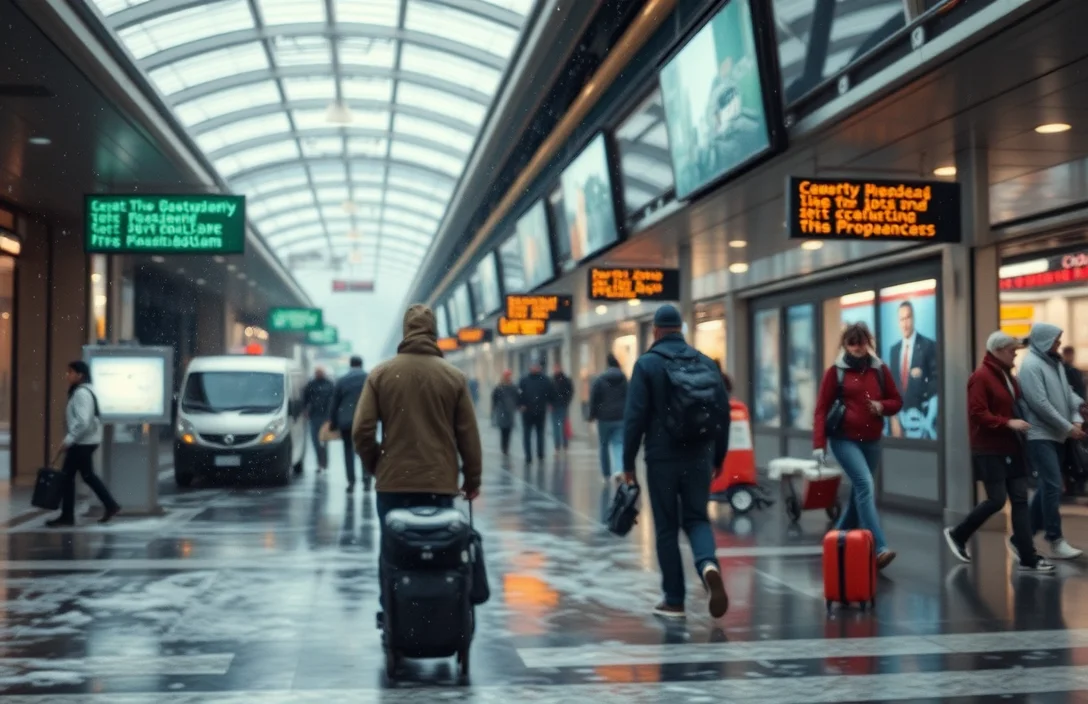
Picture yourself at the airport, excitement bubbling as you prepare for a holiday getaway, only to be greeted by delays due to unexpected severe weather. This scenario is increasingly common across the US, where snowstorms, hurricanes, and heavy rains wreak havoc on travel plans.
Understanding how severe weather disrupts holiday travel is crucial for any traveler. In this article, we’ll break down recent weather events impacting travel, share statistics on cancellations and delays, and provide real-time updates to keep you informed. You’ll also find valuable tips on preparing for disruptions, including flexible travel options and safety measures to ensure a smooth trip.
| Weather Type | Impact on Travel | Safety Tips |
|---|---|---|
| Snowstorm | Flight cancellations, road closures | Check forecasts, travel with essentials |
| Hurricane | Evacuations, itinerary changes | Stay informed, have a backup plan |
Recent Severe Weather Events
This section highlights the recent severe weather events that have significantly disrupted holiday travel in the US, focusing primarily on snowstorms in the Northeast and hurricanes in the Southeast. Understanding these events is crucial for travelers planning their holiday journeys, as they can lead to flight cancellations, road closures, and safety hazards.
Snowstorms in the Northeast
As winter approaches, the Northeast often braces for heavy snowstorms that can wreak havoc on travel plans. In recent years, several blizzards have led to massive delays and cancellations, affecting thousands of travelers. Here are some key points:
- December 2022 Storm: Over 2,000 flights were canceled in one weekend.
- Average Snowfall: Major cities like Boston and New York can receive 12-30 inches in a single storm.
- Safety Tip: Always check weather forecasts and flight statuses before heading to the airport.
Hurricanes in the Southeast
Hurricanes pose another significant threat during the holiday season, especially for those traveling to coastal areas. The Southeast is frequently affected, leading to widespread disruptions:
- Hurricane Ian (2022): Made landfall in Florida, resulting in over 1,500 flight cancellations.
- Travel Costs: Expect increased accommodation prices in the aftermath of storms due to high demand.
- Booking Advice: Consider travel insurance to protect against cancellations caused by severe weather.
“During Hurricane Ian, I learned to always have a backup travel plan in place. Being adaptable is key!”
Travel Disruption Statistics
Understanding the statistics surrounding travel disruptions due to severe weather can help you plan better and avoid last-minute headaches. This section will provide insights into flight cancellations, delays, and road travel impacts during holiday seasons, arming you with knowledge for safer and more efficient travel.
Flight Cancellations and Delays
Severe weather often leads to significant disruptions in air travel, particularly during peak holiday periods. According to the Bureau of Transportation Statistics, in the winter of 2022, over 10,000 flights were canceled nationwide due to snowstorms and icy conditions alone. Here are some critical figures:
- December 2022: 5,000+ cancellations attributed to a single winter storm.
- Average Delay: Flights delayed by over 90 minutes during extreme weather events.
- Safety Tip: Always check the weather forecast and flight status 24 hours prior to departure.
Impact on Road Travel
When severe weather strikes, road travel can become treacherous. Snow, ice, and heavy rain significantly affect driving conditions, leading to increased accidents and traffic delays. Consider the following statistics:
| Weather Condition | Accident Rate Increase | Traffic Delay (Average Minutes) |
|---|---|---|
| Snow/Ice | 300% | 45 |
| Heavy Rain | 200% | 30 |
| Fog | 150% | 20 |
To mitigate risks, consider alternatives such as public transport or delaying travel plans until conditions improve. Always prioritize safety over speed.
“I once got stuck in a snowstorm for 12 hours on the highway. Now, I always check road conditions before hitting the road during winter!”
Real-Time Weather Updates
As severe weather disrupts holiday travel in the US, staying informed with real-time weather updates is essential for planning and safety. Knowing the latest conditions can help you navigate potential disruptions and make informed travel decisions.
National Weather Service Resources
- National Weather Service (NWS): The NWS provides up-to-date forecasts, alerts, and warnings across the country. Their website features interactive maps and local weather updates specific to your travel routes.
- Weather Alerts App: Download the NWS app on your smartphone for live notifications on severe weather alerts in your area. This can be a lifesaver if you’re on the road.
- Twitter and Social Media: Follow the NWS on Twitter for quick updates and critical alerts regarding severe weather impacting holiday travel.
Local News Weather Updates
Local news stations often provide detailed coverage of weather events that could affect travel in specific regions. Tune in for:
- Localized forecasts including snowfall totals, rain predictions, and severe storm warnings.
- Traffic updates related to road closures and hazardous conditions.
- Interviews with meteorologists offering insights into what to expect in the coming days.
“During a recent snowstorm, I relied heavily on my local news app for real-time updates. It helped me avoid major traffic jams and find alternate routes to my destination.”
Staying connected to these resources ensures you’re equipped to handle any severe weather disruptions that may arise this holiday season.
Preparing for Travel Disruptions
Severe weather disrupts holiday travel in the US, often leading to delays, cancellations, and unexpected changes to your plans. To mitigate these challenges, it’s essential to anticipate potential disruptions and prepare accordingly. Here are practical steps to ensure your travel remains as smooth as possible.
- Be Flexible with Travel Plans: Consider booking flights and accommodations with flexible cancellation and change policies. Airlines like Southwest and JetBlue often offer no-change fees, allowing you to adjust your itinerary without incurring extra costs. Traveling during off-peak hours or days can also increase your chances of avoiding severe weather disruptions.
- Book Travel Insurance: Investing in travel insurance can provide peace of mind during severe weather events. Look for policies that cover trip cancellations, delays, and interruptions specifically due to weather conditions. Companies like Allianz and World Nomads offer comprehensive plans that can reimburse you for unexpected expenses and give you more options if your travel plans change.
- Monitor Weather Conditions: Keep an eye on weather forecasts as your travel date approaches. Websites like the National Weather Service and apps like Weather.com provide real-time alerts that can help you stay informed about potential disruptions. If a storm is predicted, consider adjusting your itinerary proactively.
- Stay Connected with Your Airline: Sign up for flight alerts from your airline to receive immediate updates on delays or cancellations. Many airlines have mobile apps that provide timely notifications, ensuring that you’re always in the loop about your flight status.
Safety Tips for Severe Weather Travel
Traveling during severe weather can be challenging, especially during the holiday season when disruptions are common. This section provides essential safety tips for driving in snow and ice, as well as flying during storms, ensuring you remain safe and informed while navigating your holiday travels in the U.S.
Driving in Snow and Ice
Driving in snowy or icy conditions poses significant risks, but with the right preparation, you can enhance your safety on the road. Here are some critical tips:
- Check weather conditions: Before departing, always check real-time weather updates and road conditions.
- Equip your vehicle: Ensure your car has winter tires, and keep an emergency kit with blankets, food, and water.
- Drive smoothly: Avoid sudden stops and sharp turns; accelerate and decelerate gently to maintain traction.
- Keep distance: Increase following distance to allow for longer stopping times on slick roads.
Flying During Storms
Severe weather can cause flight delays and cancellations. Here’s how to navigate air travel safely during storms:
- Stay updated: Use flight tracking apps to receive real-time updates on your flight status.
- Arrive early: Give yourself extra time to check in and pass through security, as delays may be exacerbated.
- Know your rights: Familiarize yourself with airline policies about cancellations and rebooking to minimize stress.
- Pack essentials: Always have chargers, medications, and snacks in your carry-on in case of unexpected delays.
“On my last trip, I learned the hard way that having a travel pillow and snacks can make long delays more bearable.”
By following these safety tips, you can better navigate the challenges that severe weather brings to holiday travel in the U.S., making your experience far less stressful and more enjoyable.
Cost Implications of Weather Disruptions
Severe weather disrupts holiday travel in the US, leading to significant cost implications for travelers. From inflated hotel rates to last-minute flight changes, understanding these financial impacts is essential for effective budgeting and planning.
- Increased Hotel Rates: During severe weather events, demand for local accommodations often skyrockets as travelers seek refuge from the elements. Prices can surge by as much as 50% or more, particularly in popular tourist areas. To mitigate this, consider booking hotels in advance and checking cancellation policies to avoid penalties if plans change.
- Last-Minute Flight Changes: Severe weather can cause flight cancellations or delays, prompting travelers to rebook at higher prices. Airlines typically charge fees for changes, which can range from $75 to $300, depending on the airline and fare class. To avoid these costs, keep an eye on weather forecasts and consider purchasing flexible flight tickets that allow for free changes.
- Transportation Costs: If you’re forced to rent a car due to flight disruptions, expect to pay premium rates, especially during peak travel times. Rental prices can increase by up to 30% during holidays. To save money, book your rental car early and explore alternatives such as public transit or rideshare services when feasible.
- Travel Insurance: Investing in travel insurance can provide peace of mind against severe weather disruptions. Policies vary widely in cost, typically ranging from 5-10% of your total trip cost, but they can cover unanticipated expenses like cancellations and medical emergencies. Always read the fine print to ensure you’re adequately covered for weather-related issues.
Crowd Management During Holidays
Severe weather disrupts holiday travel in the US, and managing crowds effectively can make or break your travel experience during this chaotic season. Understanding peak travel times and considering alternative travel days can significantly reduce stress and enhance safety while navigating through crowded airports and highways.
Peak Travel Times
During holiday periods, particularly around Thanksgiving and Christmas, travel peaks dramatically, often coinciding with severe weather events. The busiest travel days typically include:
- Thanksgiving Eve (Wednesday before Thanksgiving)
- The Sunday after Thanksgiving
- Christmas Eve and the day after Christmas
- The week leading up to New Year’s Day
Traveling on these days often means battling long lines, crowded terminals, and potential delays due to weather disruptions. If your schedule allows, consider flying on less busy days, such as:
- The Monday or Tuesday before Thanksgiving
- The day after New Year’s Day
Alternative Travel Days
Opting for alternative travel days can help you escape the worst of the crowds and weather-related delays. Here’s a simple breakdown of benefits:
| Travel Day | Crowd Level | Weather Impact | Recommendation |
|---|---|---|---|
| Wednesday before Thanksgiving | High | Severe | Avoid if possible |
| Monday after Thanksgiving | Moderate | Uncertain | Good option |
| Christmas Day | Low | Variable | Ideal for travel |
By strategically planning your travel days, you can significantly reduce the likelihood of severe weather disruptions affecting your plans. Always check real-time updates and maintain flexibility in your itinerary. Remember to stay safe and prioritize your well-being during these busy travel times.
Government and Weather Resources
Staying informed about severe weather disruptions during holiday travel in the US is crucial for ensuring safety and minimizing disruptions to your plans. Reliable government and weather resources provide up-to-date information on travel advisories, safety tips, and emergency assistance options, helping you navigate challenging weather conditions effectively.
FEMA Resources
The Federal Emergency Management Agency (FEMA) offers various resources to help travelers prepare for and respond to severe weather events. Their website provides insights on emergency preparedness, response, and recovery, which can be invaluable during holiday travel disruptions.
- Disaster Assistance: Information on how to apply for federal assistance if affected by severe weather.
- Emergency Alerts: Real-time updates on weather conditions and emergency notifications.
- Preparedness Planning: Tips on creating a family emergency kit and communication plan.
State-Specific Travel Advisories
Each state has its own set of travel advisories that are regularly updated during severe weather events. Here are some helpful resources:
| State | Travel Advisory Website | Contact Number |
|---|---|---|
| California | Caltrans | (800) 427-7623 |
| Texas | TxDOT | (888) 368-4689 |
| Florida | FLHSMV | (850) 617-2000 |
Checking these state resources before traveling can save you time and help you avoid dangerous conditions. Always prioritize safety and stay informed while navigating holiday travel disruptions caused by severe weather.
Quick Summary
- Weather Forecasts Matter: Stay updated with reliable sources like NOAA for real-time alerts.
- Travel Insurance: Consider purchasing travel insurance to cover unexpected cancellations.
- Flexible Booking Options: Book tickets with flexible change policies to minimize disruption.
- Alternate Routes: Research alternative transportation options, such as buses or trains, in case of flight cancellations.
- Emergency Kit: Prepare an emergency travel kit including snacks, water, and chargers for delays.
| Action | Tip |
|---|---|
| Check Weather | Use apps for real-time updates. |
| Stay Informed | Follow local news for the latest information. |
This guide equips you with practical solutions and planning tips for navigating severe weather disruptions. Ready to book? Check the links above! What’s your favorite holiday travel spot?
Frequently Asked Questions
What is the best time to travel during the holidays to avoid severe weather?
The best time to travel is typically in early December, as this period often sees fewer weather disruptions compared to later in the month. Aim for midweek travel to avoid peak holiday rush and potential storms.
How can I stay safe during severe weather travel disruptions?
Always monitor weather forecasts and have a flexible travel plan, allowing for changes if severe weather is predicted. Consider downloading weather apps like The Weather Channel or AccuWeather for real-time updates.
What should I pack for holiday travel in case of severe weather?
Pack essential items like waterproof clothing, snacks, and portable chargers to stay comfortable during delays. Don’t forget a travel-sized first aid kit to handle any minor emergencies on the go.
Is it advisable to travel with kids or seniors during severe weather warnings?
While traveling with kids or seniors is possible, you should avoid travel during severe weather warnings due to potential safety risks. Always check accessibility options at your destination, as severe weather can affect transport and facilities.
What are some alternatives to flying during the holidays when severe weather is expected?
If flying is risky, consider taking a train or a bus as they can be more reliable during storms and often have fewer cancellations. Look into regional train services like Amtrak that provide scenic routes and more flexible scheduling options.