
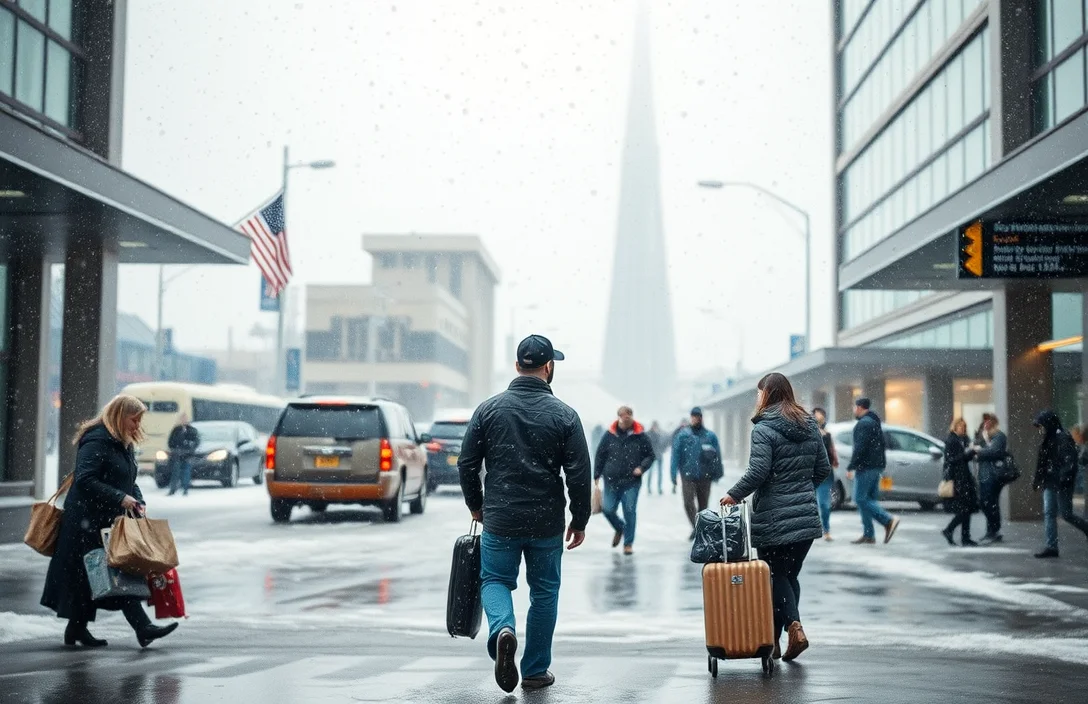
Picture yourself at the airport, eagerly awaiting your holiday flight, only to hear news of severe storms disrupting travel plans. With winter weather sweeping across the U.S., many travelers face potential flight cancellations, road closures, and unexpected delays.
Understanding how severe storms may affect holiday travel is crucial for your peace of mind. This guide offers timely weather forecasts, highlights the states most likely to be impacted, and provides essential travel tips for flying, driving, or taking the train. Stay informed with current travel resources and consider flexible travel plans or insurance options to safeguard your holiday plans.
| Region | Expected Disruptions | Travel Tips |
|---|---|---|
| Midwest | Flight cancellations | Check airline sites for updates |
| Northeast | Road closures | Monitor state road conditions |
Current Severe Storm Forecasts
As the holiday season approaches, severe storms across the U.S. may disrupt travel plans for many. Current weather alerts from the National Weather Service indicate significant risks in various regions, which could affect flights, road conditions, and overall safety for travelers. Staying informed about these forecasts is essential for making alternative arrangements and ensuring a smooth holiday experience.
National Weather Service Alerts
- Severe Thunderstorm Warnings: Areas in the Midwest and Southeast are under severe thunderstorm warnings, with potential for damaging winds and hail.
- Winter Storm Watches: The Northeast and Northern Plains are expecting heavy snowfall, leading to hazardous travel conditions.
- Flood Warnings: Regions along the Gulf Coast may experience flooding from heavy rainfall, impacting road travel.
Regional Impact Assessments
| Region | Expected Conditions | Travel Impact |
|---|---|---|
| Midwest | Severe thunderstorms with wind gusts up to 70 mph | Flight delays and cancellations likely |
| Northeast | Heavy snow accumulation of 6-12 inches | Road closures and dangerous driving conditions |
| Gulf Coast | Heavy rain leading to flash flooding | Potential road washouts and delays |
“On my last holiday trip, I experienced a surprise snowstorm that delayed my flights. Always check weather forecasts before heading to the airport!”
Being proactive about these alerts can save you time, money, and stress. Consider flexible travel plans, such as shifting your travel dates or using alternate routes to avoid affected areas. Stay safe and informed as severe storms across the U.S. may disrupt holiday travel.
States Affected by Severe Weather
As the holiday season approaches, severe storms across the US may disrupt holiday travel significantly. Understanding which states are likely to be impacted can help travelers plan effectively, ensuring safety and minimizing travel disruptions. Here’s a breakdown of the states expected to face major disruptions along with the nature of those disruptions.
Flight Cancellations
- California: Heavy rains and potential flooding in Northern California could lead to flight cancellations at major airports like SFO and LAX.
- Texas: Severe thunderstorms in central and eastern Texas may result in grounded flights, particularly affecting airports in Dallas and Houston.
- Florida: Thunderstorms in southern Florida could cause delays and cancellations, especially in Miami and Orlando.
Road Closures
- Nebraska: Blizzards in parts of Nebraska could lead to road closures on major highways, including I-80.
- New York: Heavy snow in upstate New York may result in road closures, especially in mountainous regions.
- Colorado: Winter storms in Colorado could make mountain passes impassable, affecting travel to ski resorts.
Rail Service Interruptions
- Illinois: Wind and snow in the Midwest could disrupt Amtrak services, particularly on routes through Chicago.
- Washington: Flooding in Western Washington may affect rail services connecting Seattle to other regions.
“On my last trip, severe storms grounded my flight in Texas, forcing me to pivot and book a last-minute train. Always check alternatives!”
Advance planning is crucial. Stay updated on weather forecasts and travel advisories to make informed decisions about your holiday travel.
Travel Tips for Air Travelers
Severe storms across the US can significantly disrupt holiday travel, causing cancellations and delays that can leave travelers scrambling. To navigate these challenges effectively, understanding rebooking procedures and utilizing airport resources is essential. Here’s how to handle unexpected changes to your travel plans during stormy weather.
- Know Your Airline’s Policies: Before heading to the airport, familiarize yourself with your airline’s rebooking procedures. Most airlines have contingency plans in place for severe weather. Check their website or app for updates on cancellations and rebooking options, as these can vary widely between carriers.
- Contact Customer Service Early: If your flight is delayed or canceled, contact your airline’s customer service as soon as possible. Use the app or website for quicker access to agents, as phone lines may be overloaded. Being proactive can help secure a seat on the next available flight.
- Utilize Airport Resources: Airports often have customer service desks equipped to assist stranded travelers. Look for these desks for real-time updates and assistance with rebooking or accommodations. Some airports may also provide emergency kits or shelter in severe cases.
- Consider Alternate Routes: If your flight is significantly delayed, consider alternate travel options. Check nearby airports for available flights to your destination. Sometimes, a short drive to a different airport can save you valuable time.
- Stay Informed: Keep an eye on weather updates and airline notifications. Apps that provide real-time flight status can help you stay ahead of any changes. Being informed allows you to make quick decisions and adapt your plans accordingly.
Road Travel Safety During Storms
Traveling by car during severe storms across the US can be risky, but with proper preparation and knowledge, you can enhance your safety and minimize disruptions. This section offers essential tips on creating emergency kits and driving precautions to ensure you arrive at your destination safely, even when the weather turns treacherous.
Emergency Kits
- First Aid Supplies: Include band-aids, antiseptics, and any personal medications. Having these on hand can be crucial for minor injuries during travel.
- Non-Perishable Food: Pack energy bars, nuts, and bottled water. If you are stranded, these items can help sustain you until help arrives.
- Flashlight and Batteries: A reliable flashlight is essential for visibility during power outages or if you need to exit your vehicle at night.
- Warm Blankets: Keep blankets in your car for warmth if you become stuck in cold weather. Hypothermia is a serious risk during winter storms.
- Portable Phone Charger: A charged phone can be your lifeline. Ensure you have a backup charger to stay connected in emergencies.
Driving Precautions
- Stay Informed: Before hitting the road, check weather forecasts and road conditions. Use apps to receive real-time updates on severe weather alerts.
- Reduce Speed: Wet or icy roads can be unpredictable. Slowing down gives you more time to react to sudden changes or obstacles.
- Maintain Distance: Keep a safe distance from other vehicles. This extra space gives you more control in case of skidding.
- Use Headlights: In heavy rain, fog, or snow, turn on your headlights to increase visibility for yourself and other drivers.
- Know When to Stop: If conditions are too severe, find a safe place to pull over until the storm passes. It’s better to wait it out than risk an accident.
Rail Travel Disruptions Explained
Severe storms across the US can significantly impact rail travel during the busy holiday season. Understanding Amtrak policies and exploring alternative routes can help you navigate potential disruptions and ensure a smoother travel experience.
Amtrak Policies
Amtrak has specific policies in place for severe weather disruptions. Here’s what you need to know:
- Refunds and Exchanges: Amtrak allows free refunds or exchanges for tickets affected by severe weather. Always check your email for updates on your travel status.
- Travel Alerts: Subscribe to Amtrak’s alerts for real-time updates on service changes in your area.
- Flexible Travel Options: If your train is canceled, Amtrak typically allows you to rebook on the next available service without additional fees.
Alternative Routes
If your travel plans face disruption from severe storms, consider these alternative rail routes:
| Route | Travel Time | Price Range | Why Recommended |
|---|---|---|---|
| New York to Boston | 3.5 hours | $49-$99 | Frequent departures, scenic views along the coast. |
| Chicago to Detroit | 5 hours | $35-$75 | Direct service with comfortable seating options. |
| San Francisco to Los Angeles | 12 hours | $70-$150 | Stunning vistas of the California coastline. |
“On my last trip, I discovered that taking the scenic route can turn a travel disruption into an unexpected adventure.”
Always check your train’s status before heading to the station and have a backup plan ready to ensure your holiday travel remains as stress-free as possible.
Resources for Checking Travel Status
As severe storms across the U.S. threaten to disrupt holiday travel, staying informed is crucial for travelers. Knowing where to check real-time travel status can save you time and stress, ensuring you can adapt your plans quickly. Below are essential resources for monitoring flight schedules and road conditions during these unpredictable weather events.
Flight Tracking Tools
- FlightAware: Offers live flight tracking, delay notifications, and airport status updates.
- FlightRadar24: Provides real-time flight tracking data and alerts on any disruptions.
- Airline Websites: Always check your specific airline’s website for the most accurate and updated information regarding cancellations or delays.
State Transportation Websites
For those traveling by car, knowing the road conditions can be a game changer. Each state has its own transportation department that provides updates on road closures, weather conditions, and traffic alerts. Here are a few key resources:
- 511.gov: This site links to state-specific travel information services, giving real-time updates on road conditions.
- National Weather Service: Offers forecasts and warnings that can help you plan safe travel routes.
- Local News Outlets: Many local news stations provide timely updates on severe weather impacts and road conditions in your area.
“On my last trip during a snowstorm, checking the state transportation website saved me from getting stuck on the highway!”
Always stay proactive and keep these resources handy. Preparing ahead can make all the difference when severe storms across the U.S. may disrupt holiday travel.
Flexible Travel Plans and Insurance
Severe storms across the US can wreak havoc on holiday travel, making flexible travel arrangements and comprehensive insurance critical for peace of mind. As weather conditions can change rapidly, having a backup plan can save you time, money, and stress during the holiday season.
Best Insurance Providers
Investing in travel insurance doesn’t just protect your wallet; it provides a safety net during unpredictable weather events. Here are some reputable insurance providers known for their coverage of trip cancellations due to severe weather:
- World Nomads: Excellent for adventurous travelers, covering a variety of unexpected events.
- Allianz Global Assistance: Offers comprehensive plans that include trip interruption and delay coverage.
- Travel Guard: Known for customizable plans and 24/7 customer service.
Flexible Booking Tips
To ensure your travel plans remain intact despite potential disruptions from severe storms, consider these flexible booking strategies:
- Book refundable tickets or accommodations whenever possible. Websites like Expedia or Booking.com often allow you to filter for these options.
- Choose airlines and hotels that offer free cancellations or modifications. Check their policies before booking.
- Stay updated on weather forecasts and travel advisories via resources like the National Weather Service or local news.
“On my last trip, I opted for a flexible itinerary, which allowed me to switch my flight at no extra cost when a storm rolled in.”
By prioritizing flexible travel plans and securing robust insurance, you can navigate the uncertainties of severe storms across the US with confidence this holiday season.
Quick Summary
- Stay Informed: Monitor weather updates regularly as severe storms can develop rapidly.
- Flexible Travel Plans: Book refundable tickets and accommodations to adjust your itinerary easily.
- Alternative Routes: Explore alternate travel routes or modes of transport like trains or buses to avoid storm-hit areas.
- Pack Essentials: Include snacks, water, and a power bank in your travel kit in case of delays.
- Check Insurance: Ensure your travel insurance covers weather-related disruptions.
| Action Item | Details |
|---|---|
| Weather Alerts | Sign up for local alerts to stay updated. |
| Travel Insurance | Review your policy for storm-related coverage. |
This guide equips you with actionable strategies to navigate potential holiday travel disruptions. Ready to book? Check the links above! What’s your favorite holiday travel destination? Share your experiences in the comments!
Frequently Asked Questions
1. When is the best time to travel to avoid severe storms during the holidays?
The best time to travel is early December, as severe storms are more common in late December and January. Consider booking your travel for the first two weeks of December to minimize disruption.
2. How much should I expect to pay for last-minute flights during severe storms?
Last-minute flights during severe storms can be significantly higher, often ranging from 20% to 50% more than regular prices, especially if you’re flying during peak holiday times. Use fare comparison websites to track prices and set alerts for better deals.
3. Is it safe to travel with kids during severe storm forecasts?
Traveling with kids during storm forecasts can be risky; always check the National Weather Service alerts for your destination and consider postponing if severe weather is expected. Ensure you have a family emergency plan and necessary supplies ready.
4. What are some alternatives to flying during holiday storms?
Consider taking a train or driving if weather permits, as amtrak and bus services may be less affected by storms than airlines. Check road conditions before departing to ensure safety and accessibility.
5. What are common mistakes to avoid when traveling during severe storm warnings?
Don’t ignore weather alerts or fail to check your flight status, as cancellations and delays are common during severe storms. Always have a backup plan for accommodations and transportation to avoid being stranded.
