
Backcountry skiers and snowboarders chase fresh lines all season, but the snowpack doesn’t always cooperate. Carrying the right pack with proper safety storage makes the difference between a smooth tour and a sketchy scramble when conditions turn. This lineup covers dedicated winter riding packs with safety-gear organization, plus a few carry-along options for resort days, kids, and laptop-toting commuters who still want durable construction.
A Closer Look At The Lineup

Osprey Sopris 20L Women’s Ski Backpack (Verdigris Green)
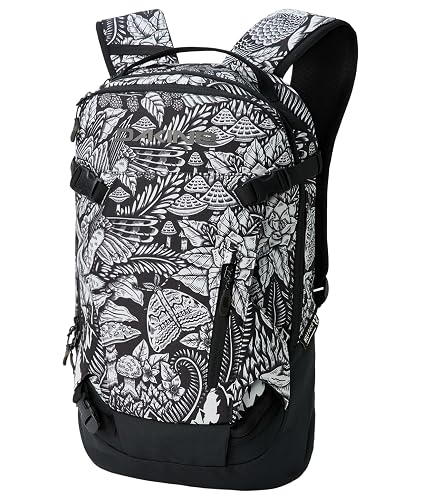
Dakine Women’s Heli Pack Backpack, 12L
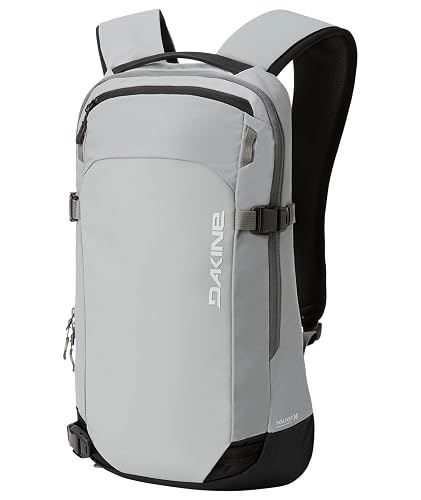
Dakine Poacher 14L Ski & Snowboard Backpack

Dakine Grom 13L Kids Daypack with Safety Whistle Strap
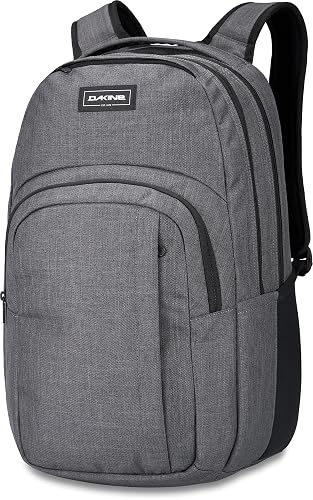
Dakine Campus Backpack 25L, Laptop Daypack (Carbon)
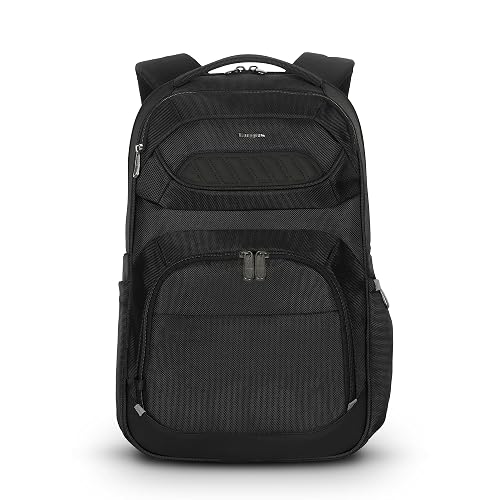
Targus Legend IQ Laptop Backpack, 16-Inch (Black)
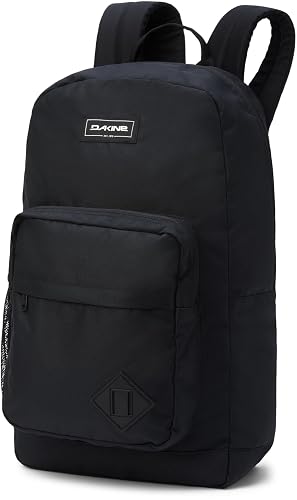
Dakine 365 Pack 28L Backpack, 15in Laptop Sleeve (Black)
The Picks, Examined More Closely
Touring through untracked snow demands gear that stays put, and the Sopris 20 answers with a women-specific suspension system designed around narrower shoulders and shorter torsos. Built with input from mountain guides and seasoned backcountry riders, the pack handles skis and snowboards through dedicated carry systems, so you’re not wrestling straps mid-ascent.
Where this pack truly earns its place is in avalanche safety storage. A dedicated compartment gives your shovel, probe, and tools immediate access during critical moments, and the 20-liter size swallows a layer, water, snacks, and a helmet without turning into a bulging mess. For lift-served laps where you only need snacks and a shovel, you’ll find the Heli Pack below to be a tighter fit.
Real-World Strengths
- Women-specific harness geometry reduces shoulder fatigue on long tours
- Dual ski and snowboard carry lets you switch disciplines without a different pack
- Quick-access safety pocket means your shovel and probe deploy in seconds
- 20-liter capacity swallows layers, hydration, and a helmet comfortably
Worth Noting
- Specialized backcountry layout includes fewer organizer pockets than commuter packs
- Women-specific fit won’t suit riders needing unisex or men’s torso dimensions
Key Specs
Built With In Mind
Female backcountry skiers and splitboarders who log real vertical and need avalanche safety access without compromise.
Consider Something Else When
Resort-only riders should reach for the Dakine Women’s Heli Pack, since its 12L layout suits shorter lift-served outings more naturally.
Short lift-served days with quick sidecountry stashes don’t demand a 30-liter touring pack, and the Heli Pack 12L trims the bulk accordingly. Dakine built this one with a women’s-specific profile, so the harness sits cleanly without digging into collarbones or sliding off narrower shoulders. It’s the pack you toss in the car for first-chair missions.
The trim profile keeps weight down on bootpacks and short hikes to sidecountry gates. Compared to the Osprey Sopris above, you sacrifice avalanche-safety storage depth, but for lift-served riding with an occasional boot pack, the Heli handles layers, water, and snacks without bouncing. For serious touring, though, you’ll want something bigger.
What Pays Off
- Low-profile 12L layout stays out of the way on chairlifts and bootpacks
- Women’s harness geometry prevents shoulder pinch common on unisex packs
- Lightweight construction cuts fatigue on repeat laps
Trade Offs
- Limited room for full avalanche kit means this isn’t a touring replacement
- Availability has been spotty in some seasons, so check the listing before committing
Whose Shelf It Belongs On
Female resort riders chasing short sidecountry laps and minimalist chairlift setups.
Swap It Out When
Backcountry skiers heading deeper into avalanche terrain should step up to the Osprey Sopris for its dedicated safety storage.
Riders who alternate between skis and a splitboard throughout the season know the frustration of swapping carry systems. The Poacher 14L solves this with both vertical snowboard carry and diagonal or A-frame ski/splitboard carry built in. The pack also plays nicely with Dakine’s separately sold DK Impact Spine Protector, so you can add back protection when the line calls for it.
Front helmet attachment loops and an oversized fleece-lined goggle pocket round out the snowboarding essentials, and the harness stays comfortable enough for lift-served laps with the occasional bootpack. If your season includes more touring than the Heli Pack above handles but less than the Osprey Sopris demands, the Poacher hits a middle ground. Just note that adding the spine protector means a separate purchase.
Useful Touches
- Dual carry options handle skis or splitboards without reconfiguring straps
- Fleece-lined goggle pocket protects lenses from scratches and fog buildup
- Helmet loops free up interior space for layers and water
- Spine protector compatibility lets you upgrade protection as terrain demands
Honest Caveats
- Spine protector sold separately adds cost for full-impact protection
- 14L runs small for full-day touring with avalanche gear and extra layers
- No dedicated women’s harness geometry in the standard layout
Feature Snapshot
Best Suited To
Riders who switch between skis and splitboard and need one pack that handles both disciplines.
A Better Fit Elsewhere
Female riders wanting harness-specific comfort should consider the Dakine Heli Pack above for resort days.
Younger riders often inherit hand-me-down packs that swallow them whole, but the Grom 13L scales the silhouette down for smaller frames. A built-in safety whistle on the sternum strap adds peace of mind when kids are out of sight on the hill or on a school trip. Skateboard carry straps give it crossover appeal for non-snow days too.
The streamlined 13-liter footprint holds a few snacks, a water bottle, and an extra layer without feeling oversized for younger bodies. Compared to the adult packs above, you obviously lose avalanche-safety storage, but for resort lessons and youth-program days, the Grom handles the essentials. For families needing tech protection, the Dakine Campus or Targus Legend IQ below serve a completely different carry purpose.
The Helpful Details
- Scaled-down dimensions fit younger riders without excess bulk
- Whistle on the sternum strap provides quick signaling in emergencies
- Skateboard carry straps extend usefulness beyond snow days
A Few Limitations
- No avalanche safety compartment limits it to resort and casual use
- Smaller harness won’t fit older teens needing adult-sized gear
Right Fit For
Kids in ski school, youth programs, or family resort days where a smaller, safer pack matters more than full backcountry capacity.
Look Elsewhere When
Parents shopping for themselves or older teens should consider the Dakine 365 Pack 28L for roomier daily carry.
Class schedules, library hauls, and laptop commutes demand more organization than a single cavernous main pocket, and the Dakine Campus 25L splits the load across multiple compartments. A padded laptop sleeve keeps your machine safe from bumps, while an insulated pocket handles lunch or a cold beverage on warm days. The 25-liter size hits a comfortable middle ground for students juggling textbooks and tech.
Durability tends to be a Dakine strong suit, and the Campus carries that reputation forward with reinforced construction that handles daily wear. For shoppers needing tech-first organization on shorter commutes, the Targus Legend IQ below delivers a similar laptop focus with travel-friendly extras. The Campus earns its place when everyday versatility matters more than travel-specific features.
Everyday Perks
- Multiple compartments keep books, laptop, and lunch separated
- Padded laptop sleeve protects your device through crowded hallways
- Insulated pocket handles snacks or drinks without leaking through
- 25L capacity balances spaciousness with everyday carry comfort
Points To Note
- No dedicated tablet pocket separates your tablet from the main laptop sleeve
- Style-focused designs can show wear faster than pure-black options
Quick Facts
Made For
Students and commuters who want one pack for class, study sessions, and laptop hauls.
Reach For A Different Pick When
Heavy travelers juggling multiple devices should look at the Targus Legend IQ for its dedicated tablet storage.
Tech-heavy commuters and frequent travelers often juggle a laptop, tablet, cables, and peripherals all at once, and the Legend IQ organizes that load with a large padded laptop section plus a separate tablet pocket lined with soft-touch material. The layout accommodates laptops up to 16 inches, which covers most professional machines without forcing you to leave your gear behind.
Multi-purpose pockets handle cords, adapters, and accessories, so nothing rattles around in the main compartment. For shoppers who need capacity over tech organization, the Dakine 365 Pack 28L below offers a roomier daily-driver alternative. The Legend IQ earns its slot here specifically because tech-first users prioritize device protection above all else.
Practical Pluses
- Dedicated tablet pocket lined with soft-touch material prevents scratches
- Multi-purpose pockets keep cables and accessories neatly separated
- Accommodates up to 16-inch laptops for professional and gaming machines
Less Ideal Details
- Lacks the insulated pocket and casual styling of campus-focused packs
- Durable but not as weatherproof as snow-specific packs in heavy precipitation
Perfect Match For
Remote workers, traveling professionals, and anyone carrying a laptop plus tablet across daily commutes.
Skip It When
Students wanting lunch-friendly organization should consider the Dakine Campus Backpack above.
Daily carry means books, layers, lunch, a laptop, gym clothes, and whatever else the day throws at you. The 365 Pack 28L answers with three main compartments and four pockets, giving plenty of options for separating clean clothes from electronics or stashing a water bottle without crushing it. The dedicated 15-inch laptop sleeve keeps your device separated from the rest of the gear, even if the sleeve itself isn’t heavily cushioned.
Exterior zippered pockets and a utility pocket keep keys, cards, and cables within easy reach, so you’re not digging through the main compartment mid-commute. For shoppers comparing this to the Targus Legend IQ above, the 365 Pack wins on capacity but trails in tablet-specific padding. As an everyday workhorse, it’s hard to overstate how the right pockets change daily routines.
Advantages To Know
- 28L capacity swallows books, layers, and gym gear without strain
- Three compartments plus four pockets organize the daily load efficiently
- Quick-access exterior pockets handle keys and cards on crowded commutes
- Dedicated laptop sleeve separates your device from bulkier items
Worth Bearing In Mind
- Laptop sleeve is non-padded, so consider a separate sleeve for heavy protection
- 28L runs large for users wanting a slimmer commuter profile
Who Should Grab It
Commuters and everyday users who want one pack to handle work, gym, and weekend errands without swapping bags.
Where Another Pick Suits Better
Travelers needing maximum tablet and laptop protection should consider the Targus Legend IQ above instead.
What To Weigh Before Choosing Your Pack
The right pack depends entirely on where you ride and what you carry. Backcountry skiers and splitboarders need avalanche safety storage, ski or board carry systems, and enough volume for layers and water on longer tours. Resort riders can get away with smaller packs focused on essentials and quick sidecountry access. Students, commuters, and travelers fall into a different category entirely: laptop protection, daily organization, and comfort over long carries matter more than snow-specific features.
Capacity and torso fit. Pack volume is measured in liters, and the right size depends on your outing length. A 12L pack like the Heli handles a few hours of resort laps, while 20L plus suits full-day touring with safety gear. Torso fit matters just as much: women-specific harnesses, like those on the Sopris and Heli, distribute weight more comfortably across narrower frames. An ill-fitting pack causes shoulder strain and bounce regardless of how many features it carries.
Safety and snow-specific features. If you venture into avalanche terrain, dedicated shovel and probe compartments aren’t optional. Look for quick-access pockets that deploy your tools in seconds rather than buried zippers. Ski and snowboard carry systems vary by discipline: A-frame or diagonal ski carry handles ascents, while vertical snowboard carry keeps the board secure during traverses.
Tech and daily organization. Laptop sleeves, tablet pockets, and cable organizers define commuter and student packs. A padded sleeve offers better drop protection, while non-padded sleeves suffice when you carry the laptop in a protective case anyway. Quick-access exterior pockets save time during crowded commutes and security checks.
Key Considerations Across These Picks
Pitfalls Shoppers Hit
The biggest mistake is buying a pack sized for the wrong discipline. A 12-liter resort pack won’t carry avalanche safety gear on a real tour, and a 25-liter touring pack feels like overkill on a lift-served afternoon. Match the pack to your most demanding day, not your easiest one.
Another common slip is ignoring torso fit. A pack that’s too long for your back sways and shifts, while one that’s too short digs into your shoulders. Women-specific harnesses exist for real ergonomic reasons, and choosing based on color alone often means discomfort after an hour on the trail.
Where The Extra Money Goes
Higher-tier backcountry packs invest in reinforced fabrics, better suspension systems, and women-specific harness geometry that cheaper packs skip. Those upgrades pay off on long tours where a sore back or a worn strap becomes a real problem. Premium materials also resist abrasion from ski edges and ice tools better than budget alternatives.
For commuter packs, the upgrade typically means better laptop protection, more organized pockets, and longer-lasting zippers. A well-built daily pack outlasts multiple cheap replacements, which is its own kind of value over years of use.
Frequently Asked Questions
What size avalanche backpack do I need for backcountry touring? Most backcountry skiers and splitboarders find 20 to 30 liters sufficient for day tours. Smaller packs handle quick laps, while larger volumes accommodate overnight gear or extended objectives.
Do I need a women’s-specific harness? Women-specific harnesses accommodate narrower shoulders and shorter torsos, which improves weight distribution and reduces fatigue. That said, fit varies by individual, so trying a pack with weight in it reveals more than specs alone.
Can I use a regular backpack for resort skiing? Yes, but you’ll sacrifice dedicated features like goggle pockets, helmet carry, and quick-access organization. Purpose-built snow packs handle moisture and abrasion better than standard commuter designs.
Are avalanche safety compartments required? For any travel into avalanche terrain, yes. Dedicated shovel and probe storage ensures you can deploy your tools without fumbling through layers when seconds matter most.
How do I maintain a winter backpack? Air it out after wet days, store it open in dry conditions, and check zippers and straps periodically for wear. Coated fabrics hold up well to occasional cleaning with mild soap and water.
The Takeaway
Your riding style dictates the pack you need. Backcountry skiers should prioritize the Osprey Sopris for its women-specific fit and dedicated safety storage, while resort riders can downsize to the Dakine Heli Pack for shorter outings. Commuters and students fall into the Dakine Campus or 365 Pack category, depending on whether tech organization or maximum volume matters more. Match the pack to your hardest day, not your easiest, and you’ll spend less time adjusting straps and more time enjoying the snow.