
A solid backpack makes the difference between a forgettable tour and a clean one. You’re hauling layers, water, avy tools, and a board on your back, so fit, capacity, and carry system matter more than color choice. The right pack keeps your kit organized in the parking lot and your shoulders happy three miles in. This lineup mixes dedicated touring packs with versatile haul bags that double as boot carriers, so you can match gear to your usual day.
An Overview Of The Picks
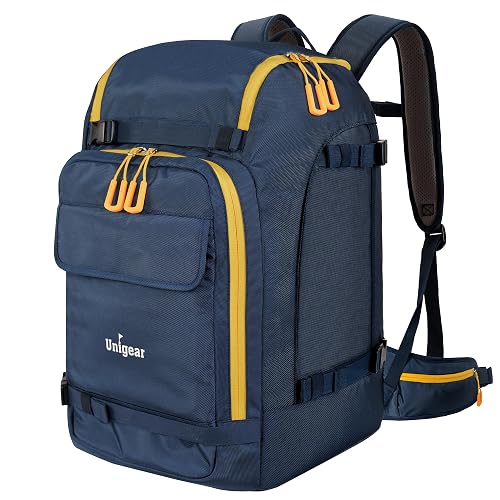
Unigear Ski Boot Bag Backpack 50L/70L
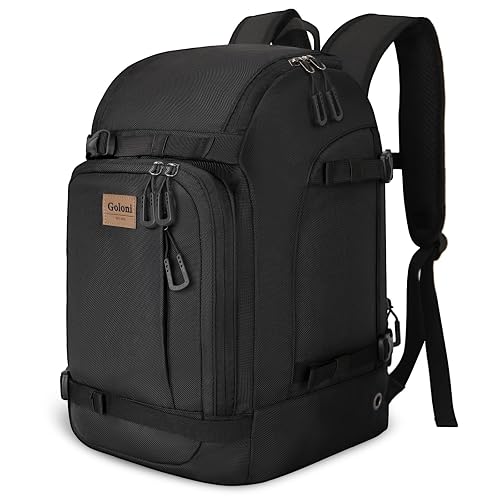
Goloni 50–70L Ski Backpack
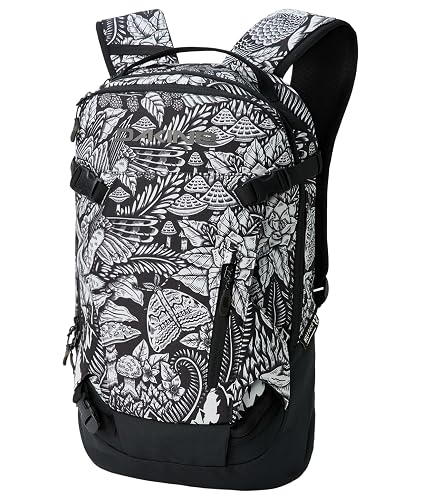
Dakine Women’s Heli Pack 12L

Dakine Grom 13L Kids Daypack
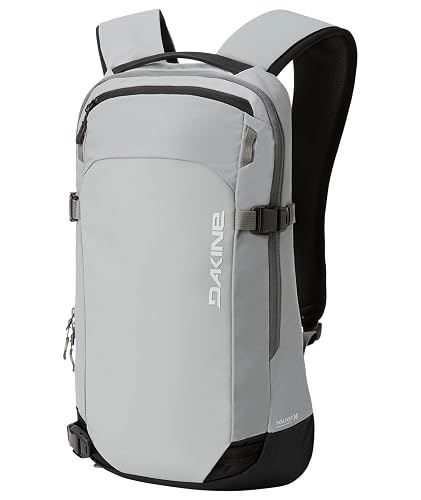
Dakine Poacher 14L Ski & Snowboard Pack
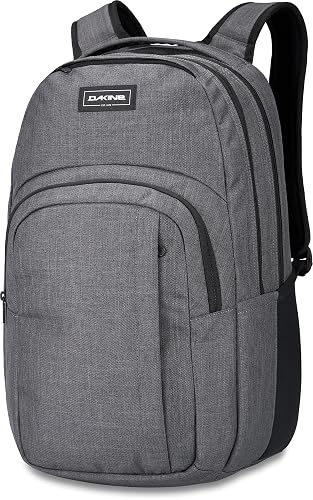
Dakine Campus Backpack 25L
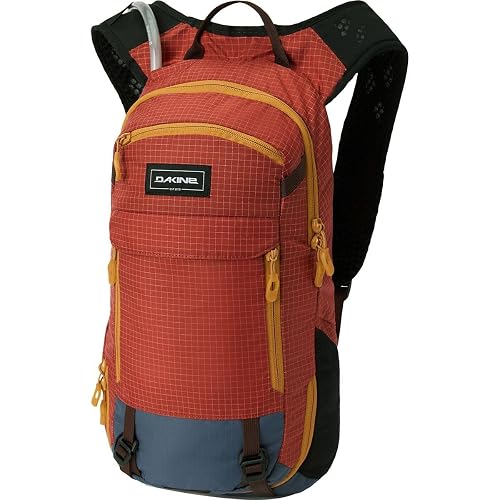
Dakine Syncline Backpack 12L
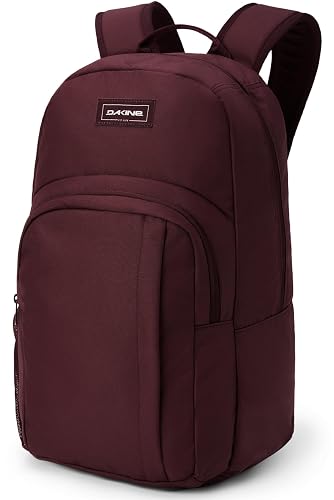
Dakine Class Backpack 33L
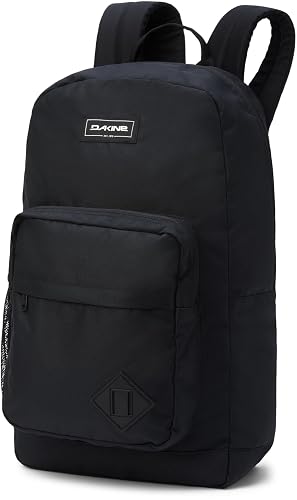
A Breakdown Of The Leading Choices
The Unigear pack earns its slot by doing three jobs at once: carrying boots, hauling a board, and doubling as a checked-bag for flights. The 50L or 70L configurations give you room to stuff a helmet, goggles, gloves, base layers, and a snowboard strapped across the back. For riders driving to a hill or flying in for a long weekend, that kind of consolidation saves a lot of trunk space and luggage fees.
It reads more like a hauling duffel than a touring pack, which is the honest trade-off. You won’t find a dedicated avy-tools pocket or a hydration sleeve here, but the wider opening and external compression straps make loading and unloading faster at the car. Anyone who treats a resort day as a moving operation, with boots, snacks, and layers all in one bin, will appreciate the layout.
Standout Benefits
- Large 50L/70L capacity swallows a full kit, including boots, helmet, goggles, and outerwear in a single bag.
- External carry straps secure a snowboard or skis hands-free across the back panel.
- Functions as a travel bag, so you can drive to the hill and fly to the hill with the same piece of luggage.
- One-bag setup simplifies packing lists, which helps families managing gear for multiple riders.
Things To Consider
- No dedicated avy pocket or shovel/probe organization, so backcountry users will need a separate tool kit.
- Bulk when fully loaded can feel heavy on longer approaches, depending on your fitness and the trail grade.
Key Specs
Who It Suits Best
Riders who drive or fly to resorts with a full kit, including boots, helmet, goggles, and outerwear, will get the most out of the consolidated layout.
A Better Fit Elsewhere
For serious touring days, the Dakine Poacher 14L is the better match, since it carries a board and stays low on your back during a climb.
Goloni takes the same hauling-bag idea as the Unigear and adds a flip-down changing mat, helmet holder, and water-resistant shell. The mat is the small touch that matters most in real life: clean boots on the parking lot pavement without sitting in slush. The pack measures roughly 15x8x17 inches in its compact state and expands to the larger 70L config when you need to swallow extras.
The trade-off is weight. All those added features add ounces, and once the bag is fully loaded you can feel it across a long lift-line walk. Still, for resort-first riders who dabble in sidecountry, this is a practical middle ground between a basic duffel and a touring pack.
The Helpful Details
- Flip-down boot changing mat keeps you out of the slush at the parking lot.
- Water-resistant outer fabric sheds snow and road slush during the drive.
- Boot compartment fits up to US Men’s size 14.5, which covers most adult riders.
- Multi-compartment layout separates clean layers from used boots and gloves.
Trade Offs
- Adds ounces compared to a stripped-down duffel, which can matter on longer walks from the car.
- No dedicated avy pocket or shovel sleeve, so backcountry riders still need separate tools.
Feature Snapshot
Made For
Resort-first riders who want boot-room, a clean changing surface, and the option to strap on a board or skis for the walk to the lift.
Where Another Pick Suits Better
Skiers focused on fast-and-light touring should look at the Dakine Poacher 14L instead, since it hugs the back and carries a board without all the haul-bag bulk.
The Heli Pack 12L is what you reach for when boots stay at home and the priority is hydration, layers, and snacks on a short lap. It’s a slim, low-profile pack shaped for women’s torsos, with a narrower cut that sits higher on the back rather than sagging toward the hips. Riders who do laps off a single chair or a short skin track get a clean carry that doesn’t bounce.
It is not a touring pack and won’t carry a board, so its purpose is narrower than the Unigear or Goloni haul bags. For resort days, bike-park laps, or quick spring missions, the 12L is enough for a liter of water, a shell, and a snack stash.
Benefits That Matter
- Women’s-specific fit sits higher and narrower, which reduces hip sway on the descent.
- Low 12L volume stays out of the way, ideal for lap-style riding with minimal kit.
- Clean profile works for resort laps and short hikes without the bulk of a boot bag.
Worth Noting
- No board or ski carry, so this is a layering pack, not a touring solution.
- Limited capacity means larger boots or full changes of clothes won’t fit alongside gear.
Best Suited To
Riders running short lift-served laps or quick sidecountry hits where the priority is a light, well-fitted layering pack.
Skip It When
Anyone hauling boots or a board should pick the Goloni 50–70L instead, since that pack has the dedicated boot compartment and external straps this one lacks.
The Grom is sized for younger riders, which makes it the rare kid-specific pack in this category. A 13L capacity fits a snack, an extra layer, water, and small accessories without dragging a child down the trail. The integrated safety whistle on the sternum strap gives parents a small piece of mind on busier days.
It’s a daypack, not a winter-sports specialist, so don’t expect board carry or boot compartments. For families teaching kids to ride and carrying their own small kit, it covers the basics and grows with them into teen sizes.
Everyday Wins
- Kid-sized 13L capacity suits small frames and shorter days on the hill.
- Safety whistle on the strap adds a layer of security for younger riders.
- Lightweight construction keeps the load off small shoulders, even on longer outings.
Points To Note
- Not a winter-sports-specific pack, so snowboard or ski carry is absent.
- Lacks thermal or insulation features, so liquids may chill quickly in deep cold.
Perfect Match For
Parents outfitting young riders with a first real pack for resort lessons and family days, where capacity and fit beat out technical features.
Look Elsewhere When
Older teens and adult riders should size up to the Dakine Poacher 14L, which adds real board carry for sidecountry missions.
The Poacher is the dedicated ride-and-hike pack in this list, and it’s the most technical option short of full avy-tool bags. Vertical snowboard carry, plus diagonal or A-frame ski/splitboard carry, gives you three ways to lash a board to the pack depending on the terrain. Front helmet attachment loops and an oversized fleece-lined goggle pocket keep the small stuff sorted on the lift.
The pack is also designed to be compatible with the DK Impact Spine Protector, sold separately, so riders who want back protection on bigger lines can add it without buying a new bag. That kind of modular setup makes it a long-term investment rather than a one-season piece.
What It Does Well
- Three carry modes (vertical snowboard, diagonal or A-frame ski/splitboard) cover most sidecountry setups.
- Fleece-lined goggle pocket protects lenses from scratches and cold-induced fogging.
- Compatible with the DK Impact Spine Protector for riders wanting back coverage on bigger lines.
- Front helmet loops free up interior space for layers and tools.
Honest Caveats
- Spine protector is sold separately, so the total cost climbs if you want full protection.
- 14L is tight for full backcountry days with extra layers, food, and water.
Quick Facts
Right Fit For
Riders stepping into sidecountry and short tours who want board carry, goggle storage, and the option to add a spine protector down the line.
Another Choice May Suit
For pure resort days with no hiking, the Dakine Syncline Backpack 12L is a lighter, simpler carry that still covers layers and snacks.
The Campus 25L sits in a different lane than the boot-haulers and touring packs above. It’s a back-to-school daypack with a padded laptop sleeve and an insulated pocket for lunch or a cold drink. Students who ride before or after class get a bag that handles books, a laptop, and the basics for a lift ticket.
There’s no board carry and no boot compartment, so the dedicated winter-sports features are limited. As a hybrid everyday pack for a student rider, however, it earns its place by being organized enough to handle double duty.
Everyday Advantages
- 25L hits a balanced size for class, commuting, and casual riding days.
- Padded laptop sleeve keeps a device separate from heavier books and layers.
- Insulated pocket handles lunch or a drink, which most riding packs skip.
Some Limits To Know
- No snowboard or ski carry limits use to riding only with a chairlift, no hikes.
- Lacks winter-specific features like fleece-lined goggle storage or helmet loops.
Who Will Love This
Student riders who want one bag for campus during the week and casual resort laps on weekends without hauling a separate boot bag.
Reach For A Different Pick When
Riders heading into sidecountry should choose the Dakine Poacher 14L, since that pack adds real board carry and goggle protection.
The Syncline 12L is a slim, multi-purpose pack aimed at riders who split time between the bike, the resort, and travel days. The 12L size fits layers, a water bottle, and travel essentials without the bulk of a boot bag. Multiple storage areas keep daily drivers like a wallet and phone easy to reach.
It’s the kind of pack that quietly handles the days you don’t want to think about gear. For riders who use their pack more as a day bag than a touring tool, the Syncline’s clean profile and balanced carry make it a friendly option.
Bright Spots
- 12L capacity fits daily essentials and a light layer without adding bulk.
- Balanced carry stays comfortable for commutes and travel days.
- Multiple storage areas separate frequently used items from bulkier layers.
- Clean profile transitions from bike to lodge without looking out of place.
Less Ideal Details
- No board or boot carry, so it’s strictly a layering and travel pack.
- Smaller volume limits how much you can carry on a full winter day.
Who Should Grab It
Riders who want a versatile 12L pack for cycling, commuting, and short resort days where carrying a board isn’t on the agenda.
A Better Fit Elsewhere
Anyone needing to haul boots and a board should look at the Unigear 50L/70L, which has the dedicated boot space and external carry straps this pack lacks.
The Class 33L is the largest Dakine in this roundup and the closest thing to a do-everything bag here. Three zippered compartments swallow books, binders, and a full change of layers, while a dedicated 16-inch laptop sleeve keeps work or study hardware separate. The mesh side pocket and internal organizer panel handle pens, cables, and a water bottle.
It’s still an everyday pack rather than a true boot bag or touring pack, but for riders who need one large bag for school, work, and a weekend lift trip, the volume is hard to beat. For shorter days, the size can feel like overkill.
What Stands Out
- Large 33L volume fits books, binders, and full winter layers in a single bag.
- Dedicated 16-inch laptop sleeve suits bigger workstations and modern laptops.
- Front organizer panel keeps pens, keys, and small cables sorted.
- Mesh side pocket adds quick water bottle access on the move.
Things That May Matter
- Bigger size can feel overbuilt for short days or quick laps.
- No specific winter-sports features like goggle pockets or board carry.
Feature Rundown
Built With In Mind
Riders juggling full study or work loads who need a single large pack that can also handle a winter layer and a lift ticket.
Swap It Out When
For dedicated boot hauling and airline travel, the Unigear 50L/70L is a smarter choice, since it has the boot-specific layout this everyday pack doesn’t.
The 365 Pack 28L is the everyday workhorse in Dakine’s line, sized for grown-up daily use. Three compartments and four pockets handle books, layers, and the small stuff like keys and cards. A dedicated 15-inch laptop sleeve keeps work hardware separated from heavier items, and quick-access exterior pockets speed up commutes.
It’s not a winter-sports specialist, so dedicated board carry and goggle storage aren’t part of the package. For riders whose season blends work commutes, campus days, and resort laps, though, the 365 covers the everyday side without drama.
Well-Handled Touches
- 28L capacity splits the difference between campus and weekend use.
- 15-inch laptop sleeve fits standard work laptops in a non-padded dedicated slot.
- Quick-access exterior pockets keep keys and cards within easy reach.
- Three-compartment layout keeps daily items sorted and easy to find.
Trade-Offs To Consider
- No board carry or boot compartment, so winter sports use is limited.
- Lacks fleece-lined goggle storage that dedicated riding packs offer.
Spec Overview
Whose Shelf It Belongs On
Commuter riders who want one bag for the work week plus casual resort laps, with enough organization to handle both without repacking.
Not Your Match When
For backcountry or boot-hauling days, the Dakine Poacher 14L or Unigear 50L/70L is the better call, since both have dedicated board carry and winter-sports layouts.
What To Look For Before Choosing a Touring Pack
Backcountry packs live or die by fit and carry, so the harness matters more than the logo. Look for a hip belt that takes weight off the shoulders, since that’s where fatigue builds first on longer climbs. A hip belt with a padded closure keeps the load stable when you’re breaking trail through deep snow.
Capacity scales with your day. A 12L to 14L pack handles short tours where you pack light and a board on your back. A 25L to 33L bag works for resort doubles, travel days, or school plus riding. Anything in the 50L to 70L range is really a haul bag with a board carry, useful for boot-and-gear trips rather than a fast skin track.
Carry modes matter if you splitboard or carry skis. Vertical snowboard carry hugs the back, which is more stable on steep hikes. Diagonal ski carry works for short boot packs. A-frame carry spreads skis wider and balances a heavier load better on long ascents.
Winter-specific touches separate a riding pack from a school pack. A fleece-lined goggle pocket stops lens scratches and fogging, which is a real issue after a sweaty climb. External helmet loops free up interior space for layers and tools.
Picking the Right Fit Without Overbuying
Pitfalls Shoppers Hit
Plenty of riders end up with a pack that’s either too big or too specialized. Buying a 50L-plus bag for short lift-served laps means hauling dead weight you never fill. Buying a 12L pack for a tour with avy tools means shoving a shovel into the wrong pocket. Match the bag to the actual mission.
Another common miss is ignoring torso length. Most packs list a torso range, and an ill-fitting harness pulls on the shoulders regardless of how much padding is on the strap. A short test load with weight inside the store or at home beats guessing from a photo.
What The Higher Tier Buys
Higher-tier packs usually pay for better harnesses, stronger fabrics, and more refined carry systems. A ski/splitboard-specific pack often adds a diagonal or A-frame carry that cheaper bags skip, plus a sturdier hip belt. For riders logging real vertical in variable conditions, that upgrade pays off in comfort.
Premium models also tend to add modular features like spine protector compatibility, hydration sleeves, or dedicated avy-tool pockets. Casual riders don’t need those touches, but anyone stepping into longer tours or steeper terrain will appreciate the structural difference over a basic school pack.
Frequently Asked Questions
What size backpack do I need for backcountry snowboarding?
Most day tours work well in the 20L to 30L range, which fits a shovel, probe, water, and a layer. Short lift-served laps can run smaller at 12L to 14L, while boot-and-gear trips need 50L or more.
Can I use a regular backpack for snowboarding?
You can, but you’ll miss winter-specific features like fleece-lined goggle pockets, external board carry, and dedicated tool organization. A regular backpack also lacks the structured hip belt needed for heavier loads on snow.
What is the difference between a touring pack and a regular pack?
A touring pack is built for uphill travel with a stiffer harness, compression straps, and carry systems for skis, splitboards, or snowboards. A regular pack prioritizes laptop storage and everyday organization.
Do I need a separate boot bag?
If you’re driving or flying, yes, a boot bag keeps the rest of your kit clean. The Unigear and Goloni packs handle boots and layers in one bag, which simplifies travel.
How important is a hip belt?
A hip belt is critical for any pack over 15 pounds, since it transfers weight off the shoulders. Even on smaller packs, a simple webbing belt helps stabilize the load on technical descents.
Wrap Up
A good backcountry pack fits your body, your day, and your gear. Match the volume to the mission, the carry system to your riding style, and the harness to your torso, and the rest falls into place. If boots and a board are part of the trip, the haul bags lead. If you’re stepping into sidecountry, the Poacher is the right tool. For everything else, a clean everyday pack covers the week.