
A 30-mile day exposes every weakness in a pack: hip belts that dig, fabric that abrades on granite, frames that bounce on descents. The right backpack for long distance hiking disappears on your shoulders, balances load across your hips, and stays dry through afternoon storms.
Below are eight options ranging from ultralight 15L tactical slings to 65L multi-day haulers, so you can match the pack to your trail, not the other way around.
The Choices Worth Comparing
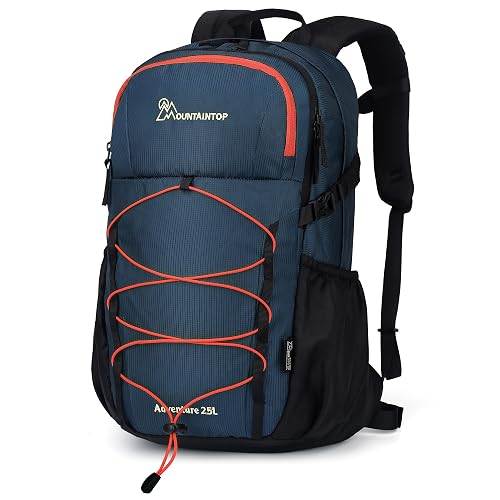
MOUNTAINTOP 25/30L Lightweight Hiking Backpack
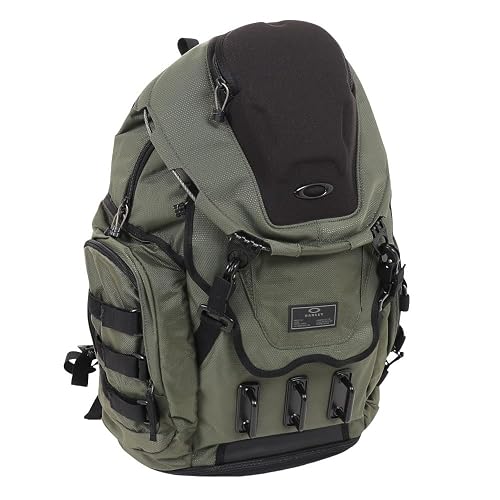
Oakley Kitchen Sink Backpack, New Dark Brush
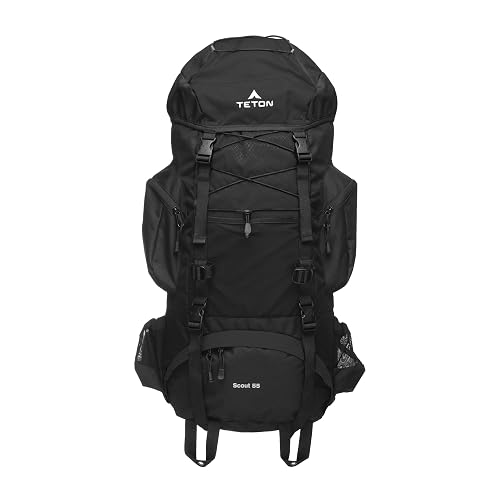
Teton 55L Scout Internal Frame Backpack, Black
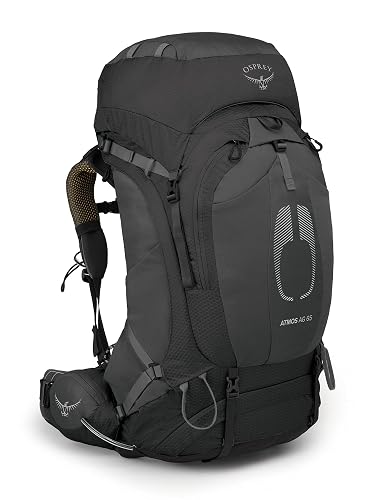
Osprey Atmos AG 65L Men’s Backpacking Backpack, Black L-XL

Mardingtop 15L Tactical Backpack, Small Molle Sling
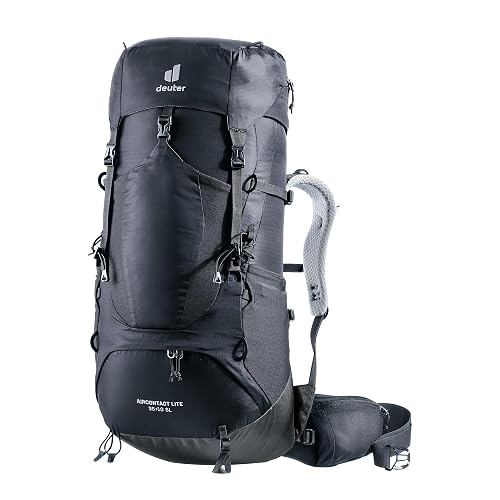
Deuter Women’s Aircontact Lite 35 + 10 SL
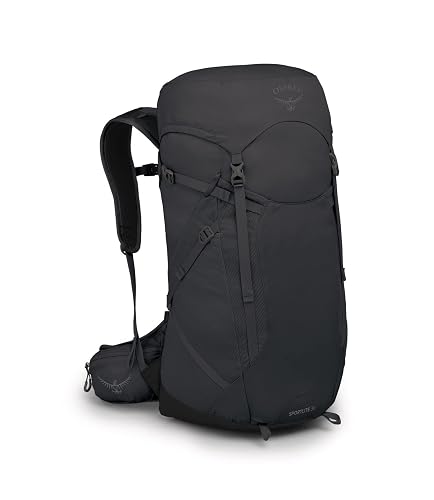
Osprey Sportlite 30L Hiking Backpack, Dark Charcoal
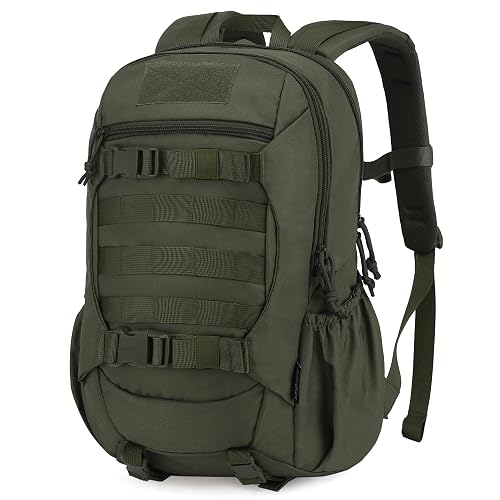
Mardingtop Small Tactical Molle Backpack, 18L
A Closer Look At Each Pick
Long distance hiking doesn’t always mean hauling forty pounds through the Sierras. For shuttle hikes, side-trail loops, or fast-and-light days where you carry layers, water, and lunch, a 25 to 30 liter daypack handles the job without weighing you down. The MOUNTAINTOP 25/30L sits in that flexible middle ground, letting you adjust volume by how much you stuff the main compartment.
It’s the kind of pack beginners reach for when they want something forgiving on the wallet and capable on the trail. If you’re logging miles closer to home, this is an easy entry point before graduating to a framed multi-day pack.
Noteworthy Benefits
- Adjustable 25 to 30L capacity means one pack covers short hikes and longer day outings without buying two bags.
- Lightweight construction keeps shoulder fatigue down on all-day efforts where every ounce counts.
- Simple, no-frills design ages well: fewer zippers and seams mean fewer things to fail over time.
Things To Consider
- No internal frame means load stability suffers once you push past ten pounds, so it’s not a multi-day option.
- Entry-level fabric tends to scuff on granite; owners commonly report cosmetic wear after a season of desert use.
Right Fit For
New hikers, casual day-trippers, and anyone building a kit on a tight budget who doesn’t need a frame or rain cover built in.
Swap It Out When
Step up to the Osprey Atmos AG 65L Men’s Backpacking Backpack once your trips stretch beyond two nights and your load crosses twenty pounds.
Some packs announce they’re outdoor gear with neon webbing and trail-only silhouettes. The Oakley Kitchen Sink goes the other direction: abrasion-resistant shell, padded back panel, and enough internal organization to swallow a 17-inch laptop alongside trail layers. That hybrid character makes it a strong pick when your long distance hiking includes a commute, train ride, or airport transfer on either end.
The padded back panel and adjustable mesh-lined shoulder straps are designed to manage heavy loads, which matters when you’re walking from a trailhead to a transit platform with the same pack. For travelers who treat gear like luggage, this one earns its keep.
The Case For It
- Abrasion-resistant fabric shrugs off concrete, granite, and airline cargo handling without looking worn after a month.
- Specialized internal and external pockets keep dirty shoes separated from clean layers, a real-world win on long trips.
- Roomy enough to swallow a 17-inch laptop, which makes it a single-bag option for hikers who travel for their trails.
Worth Noting
- It’s heavier than dedicated hiking packs at this volume, so it’s less ideal when every gram matters on a fastpacking trip.
- Outdoor-tuned suspension is good, not great; you’ll feel the load on all-day efforts with twenty-plus pounds inside.
Made For
Trail-to-town travelers and remote workers who hike from train stations, lodges, or Airbnbs and want one pack that handles both.
A Better Fit Elsewhere
Pick the Teton 55L Scout Internal Frame Backpack if your priority is a proper internal frame and integrated rain cover for true backcountry use.
Multi-day hiking rewards a real internal frame, but off-the-rack packs often assume a six-foot torso. The Teton 55L Scout was designed with shorter hikers in mind, including kids and smaller-framed adults, using a three-quarter internal frame that fits where standard packs leave dead air at the shoulders. An integrated rain cover adds weather protection without buying a separate accessory.
The adjustable torso back panel and straps let you tune the fit over time. For your first three-season backpacking trip, that adjustability is more valuable than shaving ounces off the weight.
Everyday Perks
- Three-quarter internal frame supports loads comfortably for shorter torsos where many packs leave a gap at the shoulders.
- Integrated rain cover deploys fast when afternoon storms roll over the ridge, no extra pack cover to forget.
- Adjustable torso and harness let the pack grow with the user, which suits younger hikers and teens.
Points To Note
- 55 liters is generous, and an underloaded pack can feel loose; compression straps help but won’t fully solve it.
- Coated fabric handles rain, but seams benefit from seam sealant for sustained downpours on multi-day trips.
Quick Facts
Who It Suits Best
First-time backpackers, younger hikers, and anyone with a shorter torso who’s struggled to get a standard pack to fit properly.
Consider Something Else When
Step up to the Osprey Atmos AG 65L Men’s Backpacking Backpack if you want a more ventilated suspension for hot-weather, fully loaded trips.
After thirty miles with a loaded pack, your back tells you exactly which suspension works. The Osprey Atmos AG 65L uses the AntiGravity system, a 3D-suspended mesh that runs from the lumbar pad through the shoulder harness, creating a continuous layer of airflow against your back. Compared to the Teton 55L Scout’s simpler frame, this is a step-change in how the load breathes on hot climbs.
It’s aimed at heavyweight weekends or weeklong backpacking trips where comfort matters more than weight savings. If you’re carrying bear canisters, a two-person tent, and a week’s food, the 65-liter volume and stretch-mesh bottle pockets earn their space.
Well-Handled Touches
- AntiGravity mesh suspension dramatically reduces sweat accumulation on long climbs, especially in humid climates.
- Stretch-mesh side pockets swallow full water bottles without wrestling them in mid-stride.
- Internal reservoir sleeve simplifies hydration setup; the frame keeps the water weight close to your center of gravity.
Trade Offs
- Premium suspension adds weight over stripped-down packs; ultralight thru-hikers may find it too hefty.
- 65L capacity rewards a fully loaded approach; running it half-empty sacrifices the suspension’s balance.
At A Glance
Best Suited To
Experienced backpackers tackling weeklong trips, hot climates, and heavy loads where suspension comfort is the deciding factor.
Look Elsewhere When
Choose the Deuter Women’s Aircontact Lite 35 + 10 SL if you’re a smaller-framed hiker doing fast-and-light long-distance routes instead of fully loaded hauls.
Long distance hiking isn’t just multi-day routes. Some days you only need water, snacks, and a layer, and a 60-liter pack is overkill. The Mardingtop 15L tactical pack handles those light days with detachable straps that convert it between a backpack, sling, crossbody bag, chest pack, or handbag, depending on terrain and access needs.
The 600D polyester shell and YKK hardware suggest serious durability for the size, and Molle webbing lets you expand with aftermarket pouches. For fast hikes, training walks, or summit pushes, this is the small bag that earns its space in your gear closet.
Everyday Wins
- Five-way carry system adapts to trail conditions, scrambling, and even motorcycle commutes.
- 600D polyester and YKK zippers hold up better than bargain-bin tactical packs at the same volume.
- Molle webbing across the front lets you add accessories without buying a second bag.
Less Ideal Details
- 15 liters is too small for any real long-distance effort; owners use it as a summit bag, not a primary pack.
- Tactical styling reads as utility, not hiking; if you want a trail-specific look, the Osprey Sportlite 30L fits better.
Perfect Match For
Fastpackers, day hikers, and EDC users who want a tactical-leaning pack that handles short trails and urban carry with equal ease.
Where Another Pick Suits Better
Move up to the Osprey Sportlite 30L Hiking Backpack if you want trail-specific ergonomics with about double the volume.
The SL designation here means Deuter’s women-specific fit: shorter back panel, contoured shoulder straps, and a hip belt shaped for narrower waists. For long distance hiking, that fit work matters more than people realize. Pack makers often resize men’s packs down for women, which leaves gaps at the shoulders or pressure points at the hips. The Aircontact Lite 35 + 10 avoids that compromise entirely.
The 35-liter base plus a 10-liter extension collar gives you room to expand on trips where you carry extra food or rain layers. The Aircontact back system is engineered to reduce perspiration rates, which keeps your back drier on humid ridge walks.
Reasons It Performs
- SL fit is genuinely women-specific: shorter back, narrower shoulder straps, and conical hip belt shape.
- Aircontact back system is built to reduce back perspiration, a real edge in humid climates.
- 35 + 10L collar adjusts volume based on trip length, from weekend to multi-day.
Practical Considerations
- SL fit means men with broader shoulders won’t get a proper fit; this pack targets a specific body profile.
- Mid-volume capacity isn’t enough for winter expeditions requiring heavier sleeping bags and four-season shelters.
Whose Shelf It Belongs On
Ambitious female long-distance hikers and thru-hikers who want a tailored fit and don’t need a 65L haul-everything pack.
Not Your Match When
Skip it for the Osprey Atmos AG 65L Men’s Backpacking Backpack if you’re planning a fully loaded, weeklong food carry that exceeds the 35 + 10L envelope.
The Osprey Sportlite 30L sits at the intersection of minimalism and capability. Where the Mardingtop 15L tactical pack feels urban-tactical, the Sportlite reads unmistakably trail: top-loading main compartment, AirScape backpanel for ventilation, and a sustainably designed build that drops weight without dropping structure. It’s the pack for hikers who go light and want a bag that disappears on their shoulders.
The 30L volume is enough for big backcountry days or light overnights with a compressible sleeping bag. Compared to the MOUNTAINTOP 25/30L, you get Osprey’s harness engineering for noticeably better load transfer when you fill it up.
Standout Benefits
- AirScape backpanel keeps airflow moving across your back during sustained climbs in warm weather.
- Top-loading design with internal organization simplifies packing for fast-and-light trips.
- Sustainably built materials reduce environmental footprint without giving up durability.
Honest Caveats
- S/M torso sizing runs small; taller hikers should verify measurements before committing.
- 30 liters won’t fit bulky winter gear, so seasonal versatility is limited to three-season use.
Feature Snapshot
Who Will Love This
Fast-and-light hikers, day-to-overnight backpackers, and environmentally minded outdoor enthusiasts who want a versatile trail pack.
Reach For A Different Pick When
Choose the Deuter Women’s Aircontact Lite 35 + 10 SL if you want a women-specific fit with slightly more expandable volume for longer routes.
The 18L Mardingtop is one step up from the 15L version, with the headline feature being a hydration bladder compartment that accepts a 2-liter reservoir. That makes it a real running and fast-hiking pack: bladder tube routes through the top grab handle, and the breathable padded back panel keeps air moving while you move.
Like its smaller sibling, it’s built on 600D polyester with YKK hardware and Molle webbing for accessory expansion. If you already own a hydration bladder and want a pack that handles it natively, this one beats bolting aftermarket solutions onto a standard daypack.
Positive Points
- Integrated hydration sleeve fits a 2L bladder, ideal for trail running and hot-weather hiking.
- Padded, ventilated back panel reduces heat buildup on sustained efforts.
- Molle webbing supports modular expansion for camera gear, tools, or first-aid pouches.
Things To Consider
- Bladder not included, so budget for a compatible reservoir if you don’t already own one.
- 18L capacity is right-sized for fast hikes only; multi-day trips need a larger pack.
Right Fit For
Trail runners, fast hikers, and tactical-gear enthusiasts who want a hydration-ready daypack without buying modular add-ons separately.
Consider Something Else When
Pick the MOUNTAINTOP 25/30L Lightweight Hiking Backpack if you want more volume at a lower price and don’t need a built-in hydration sleeve.
Choosing The Right Pack For Multi-Day Treks
Volume And Trip Length
The first real decision is volume, and the wrong size creates problems either way. Underpacking a 65L pack leaves load shift, which pulls on your shoulders and throws off your balance on descents. Overpacking a 30L pack forces you to strap things awkwardly outside, where they snag branches and shift weight off your hips.
A useful frame: day hikes up to ten miles usually want 20 to 30 liters. Weekend overnights fit comfortably in 35 to 50 liters. Weeklong routes with food carries and bear canisters usually need 55 to 70 liters. The Deuter 35 + 10L collar and the Osprey Atmos 65L represent two reasonable bookends for those longer trips.
Suspension And Torso Fit
A pack with 60 liters of volume is only as good as the suspension that carries it. AntiGravity, AirScape, and Aircontact systems all use suspended mesh or foam channels to keep air moving and shift weight to the hips. The catch: a premium suspension on the wrong torso size feels worse than a basic frame fitted correctly. Measure your torso length from the C7 vertebra to the iliac crest before sizing up.
Shorter hikers often do better with packs explicitly designed for shorter torsos, like the Teton 55L Scout, rather than just buying the small size of a unisex model.
Frame And Load Stability
Internal frames carry most modern hiking packs. They ride closer to your back, transfer weight efficiently to the lumbar pad, and let you bend without the pack throwing you off balance. For any load over twenty pounds or any terrain with off-trail scrambling, an internal frame isn’t optional, it’s safety equipment. Daypacks under 30L can skip it, but anything you’ll load with food, water, and shelter needs frame support.
Common Slip Ups And Where Premium Pays Off
Mistakes Worth Dodging
Most shoppers pick by brand recognition rather than fit, then wonder why the pack hurts after five miles. The honest move is to measure your torso length and hip size before browsing. Volume comes second, not first. Skipping a hip belt because the pack “looks comfortable” in the store is another classic error: the hip belt carries roughly 80% of the load on a framed pack.
Another trap is buying a pack sized for your biggest anticipated trip and using it for everything. That 65L pack on a quick summit push will swing and bounce. Match the pack to your most common trip, and rent or borrow for outliers.
Where The Extra Money Goes
Premium suspension systems like the Osprey AntiGravity mesh aren’t just comfort features; they reduce fatigue over multi-day efforts, which compounds across a thru-hike. Higher-denier fabrics resist abrasion longer, so a premium pack often lasts two or three times as many trail miles before fabric failure. Women-specific fits like Deuter’s SL line aren’t aesthetic choices; they’re geometry adjustments that prevent shoulder gap and hip-belt pinch.
For casual day hikers, that premium rarely matters. For long distance hiking done year after year, the upgrade usually pays for itself in comfort, durability, and fit.
Frequently Asked Questions
What size backpack do you need for long distance hiking?
Most multi-day routes need 50 to 65 liters, while fast-and-light setups can run as low as 35 to 45 liters. Match volume to your longest typical trip, not your longest possible trip.
Are internal frame backpacks better than external frame?
Internal frames ride closer to your body, transfer weight to your hips more efficiently, and handle off-trail terrain better. External frames still exist but are mostly niche tools for very heavy loads or specific hunting use.
How important is torso fit on a hiking backpack?
Torso fit is the single most important fit factor. A pack that doesn’t match your back length creates pressure points, leaves gaps, and shifts load to your shoulders. Measure from your C7 vertebra to your iliac crest before buying.
Can a daypack work for long distance hiking?
Only for fast-and-light routes where you’re camping under tarps and carrying minimal food. Once you’re carrying a tent, sleeping bag, and multi-day food, a framed 40L+ pack is the safer choice.
How do you clean and maintain a hiking backpack?
Most packs can be hand-washed with mild soap, air-dried away from direct sunlight, and stored loosely stuffed to keep foam and mesh from creasing. Avoid machine washers and dryers, which degrade coatings and hardware over time.
Closing Thoughts
Your next pack should fit your torso, suit your typical trip, and disappear on your shoulders by mile five. Match the pack to the trail you actually hike, not the one you imagine. The right choice earns its space in your closet for a decade.