
Multi-day routes, phone GPS, headlamp batteries, a satellite communicator that needs a top-up each evening. The modern backpacker’s power budget looks nothing like it did ten years ago, and hauling a heavy power brick defeats the purpose. Compact foldable solar panels and rugged solar-equipped power banks have quietly become the quiet heroes of long-distance hiking, letting you keep nav devices and safety gear topped off without an extra outlet in sight.
This lineup covers the full range: featherweight panels for ultralight thru-hikers, tougher multi-port arrays for group camps, and hybrid power banks with built-in panels for commuters and weekend warriors. Each pick was chosen for a specific kind of trail use, so match your trip profile and let the watts fall where they may.
The Picks In Brief

Dark Energy Spectre Folding 18W Solar Panel (IPX7)
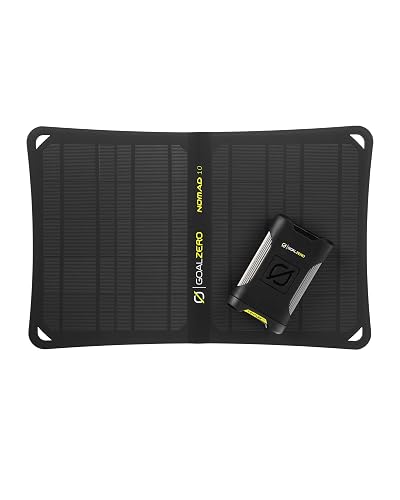
Goal Zero Venture 35 Power Bank + Nomad 10 Kit
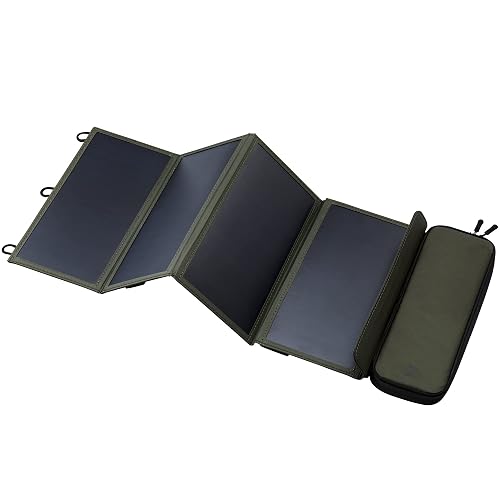
ELECOM NESTOUT Portable Solar Panel 28W (4-Panel)

Etsuati 20000mAh Solar Power Bank for iPhone
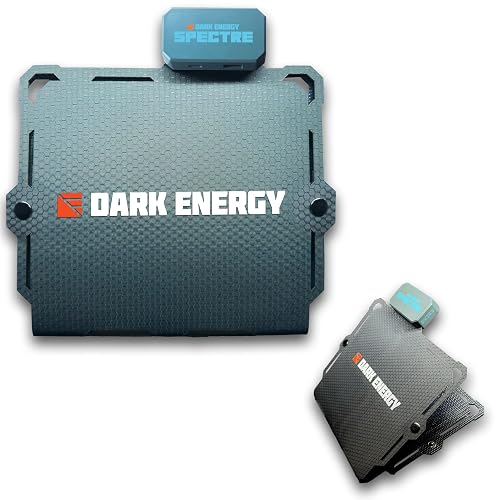
Dark Energy Spectre Folding 8W Solar Panel (IPX7)
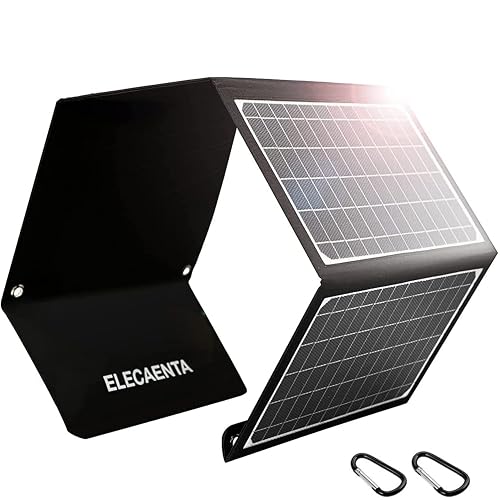
ELECAENTA 30W Portable Solar Panel (25% Conversion)
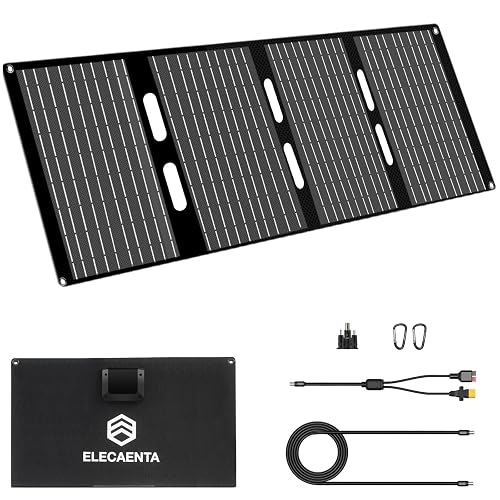
ELECAENTA 60W Solar Panel (IP68, 3.5 lbs)
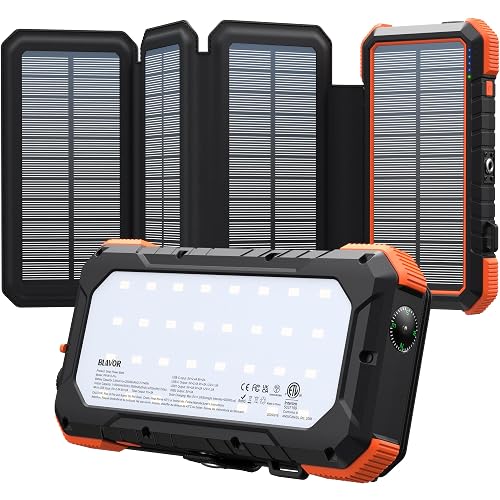
BLAVOR Solar Power Bank 20000mAh, 4 Panels
A Deeper Look At The Lineup
The Dark Energy Spectre 18W is built for backpackers who treat gear like tools, not décor. Its Armor-Flex shell shrugs off the crush-and-bounce abuse that comes with mule kicks, boulder scrambles, and overstuffed pack bottoms. At roughly 15 ounces folded flat, it disappears into a side pocket until the sun hits camp.
Dual USB-A and USB-C outputs mean you can charge a phone and a headlamp simultaneously, and IPX7 waterproofing (a rating meaning the device can survive full immersion in one meter of water for 30 minutes) protects the cells from stream crossings and rain squalls. For Pacific Northwest routes and shoulder-season storms, that sealed construction is a real advantage over the open-fabric designs earlier in this list.
Strong Points
- IPX7 waterproofing handles full submersion and heavy rain
- Armor-Flex composite resists crushing and impacts on rough terrain
- USB-C and USB-A ports support two-device charging at once
- ~15 oz folded weight slots into most top-lid pockets
Things To Consider
- Charging speed drops sharply under tree cover or cloud cover
- No built-in kickstand, so users typically rig it to a pack or rock
Feature Snapshot
Who It Suits Best
Backpackers tackling wet, rocky, or root-strewn terrain who need a panel that survives drops, splashes, and the occasional dunk.
Where Another Pick Suits Better
Ultralight hikers trimming every gram should reach for the Dark Energy Spectre 8W, which trims the output in exchange for sub-10 oz pack weight.
Goal Zero is the legacy name in trail-side solar, and the Venture 35 plus Nomad 10 kit is the brand’s answer to the “I just want one good thing” backpacker. The 9,600 mAh (milliamp-hour, a measure of battery capacity) power bank holds enough reserve to top up a phone twice even on cloudy stretches, and the bundled Nomad 10 panel keeps that reservoir topped off during day hikes.
The IP67-rated power bank (a rating meaning it is dust-tight and survives temporary immersion) handles rain and dust, and a built-in 50-lumen flashlight is genuinely useful for late-night camp tasks. Compared with the bare-panel approach of the Spectre 18W, this kit trades raw wattage for the comfort of stored power.
What Works In Its Favor
- 9,600 mAh reserve covers cloudy stretches without sun
- USB-C PD (Power Delivery, a fast-charging standard up to 18W) output charges modern phones at full speed
- IP67-rated power bank shrugs off rain, dust, and brief immersion
- Built-in 50-lumen flashlight reduces pack redundancy
Worth Noting
- Heavier than a bare panel because of the internal battery
- Nomad 10 panel alone is slow in morning or late-day light
Made For
Thru-hikers and weekenders who want a single trusted bundle that handles both solar harvesting and stored power without juggling two systems.
Skip It When
Backpackers already carrying a power bank they like should consider the ELECOM NESTOUT instead, since that 28W panel pairs with whatever battery you already own.
ELECOM’s NESTOUT panel is the most design-forward entry in this lineup, with a ripstop nylon skin that nods to vintage fuel-canister camping gear. Open it up and four hinged panels unfold into a generous sun-catching surface, while the back of the unit hides adjustable kickstands so you can angle into the sun without propping the panel on a rock.
Two USB-A ports share 28W of total output, which is enough to charge a phone and a smaller accessory at the same time. Water-resistant ripstop (a tightly woven nylon that resists tearing and light moisture) protects against morning dew and surprise showers, though it stops short of full submersion ratings. For campers who care as much about how gear looks as how it works, this one earns its spot.
Why It Works Well
- 4-panel layout spreads 28W across a generous surface
- Built-in kickstands dial in the sun angle without extras
- Ripstop nylon balances weight with everyday tear resistance
- Dual USB-A ports run two devices in parallel
Trade Offs
- Water resistance, not full waterproofing
- No USB-C output, so newer phones charge via A-to-C cables only
Quick Facts
Best Suited To
Style-conscious campers and weekend hikers who want a panel that looks intentional at base camp and folds small enough for a daypack.
Consider Something Else When
Backpackers needing USB-C output should step up to the ELECAENTA 30W panel, which adds an 18W USB-C PD port for modern phones and tablets.
Where the other picks on this list lean toward foldable solar panels, the Etsuati is a power bank first, solar panel second. Its 20,000 mAh internal reservoir can recharge a typical phone four to five times before needing any sun, and four built-in cables mean you can leave your own charging cables at home for casual day use.
The tradeoff shows up in the solar top-off speed, which is slow by design and better treated as an emergency reserve than a daily driver. For backpackers charging every night at a wall outlet before driving to a trailhead, that balance actually works in their favor.
Standout Benefits
- 20,000 mAh reservoir handles multi-day off-grid phone use
- Built-in cables cut charging-cable clutter in your pack
- Handy for emergency top-ups from a window or backpack exterior
Room For Improvement
- Solar top-off is too slow for daily reliance on the trail
- Heavier than dedicated panels of similar wattage
Right Fit For
Casual day hikers and weekend campers who charge at home and want a backup that catches a little sun on a dashboard or pack lid.
Look Elsewhere When
Anyone doing serious multi-day solar harvesting should pick the ELECAENTA 30W or ELECAENTA 60W, which are panels first rather than battery banks.
The 8W sibling to the Spectre 18W is the smallest panel in this roundup, folding down to roughly tablet dimensions and weighing under 10 ounces. For ultralight thru-hikers who already count every gram, that footprint is the difference between carrying solar and leaving it behind.
Same Armor-Flex shell and IPX7 waterproofing as its bigger brother, same USB-A and USB-C outputs, but with roughly half the wattage. In real-world terms, that’s a slower trickle on cloudy days, which works fine for headlamp and GPS top-ups but feels underpowered for phones. It is a deliberate trade that ultralighters will understand instantly.
A Strong Showing
- Sub-10 oz weight keeps packs below critical thresholds
- Tablet-sized folded profile slips into hydration sleeves
- Same IPX7 waterproofing as the 18W model
- USB-C and USB-A ports cover modern and legacy devices
Points To Note
- 8W is a trickle, not a fast charge, for modern phones
- Performance drops further under heavy tree canopy
Who Will Love This
Ultralight backpackers chasing sub-10 lb base weights who mainly need to keep GPS units, satellite messengers, and headlamps alive on long stretches.
Another Choice May Suit
Backpackers who want a sturdier balance of weight and output should consider the Dark Energy Spectre 18W, which doubles the wattage at modest weight cost.
ELECAENTA positions its 30W panel as a conversion-efficiency play, with monocrystalline silicon cells (high-purity single-crystal solar cells known for better output than cheaper polycrystalline cells) wrapped in ETFE laminate (a fluoropolymer coating that resists UV, heat, and scratches) and rated at up to 25% efficiency. That number matters because every percentage point translates into more watts from the same surface area, which means more phone charge per hour of sun.
Three output ports, including 18W USB-C PD and QC3.0 (Qualcomm Quick Charge 3.0, a fast-charging protocol common in Android phones), cover both iPhone and Android fast-charging profiles. For group camping trips where two or three people compete for solar time, this panel handles the queue without forcing anyone to wait.
What Makes Sense
- Up to 25% conversion efficiency squeezes more from less sun
- USB-C PD and QC3.0 ports handle modern fast-charge phones
- Three output ports run multiple devices in parallel
- ETFE laminate improves UV and scratch resistance
Honest Caveats
- Heavier than ultralight panels in this roundup
- Output still depends on direct, overhead sunlight
Feature Card
Perfect Match For
Group campers and base-camp cooks who run multiple devices and want the fastest charging available without leaving the trail behind.
Reach For A Different Pick When
Solo ultralighters should pick the ELECOM NESTOUT or Dark Energy Spectre 8W, which trade raw wattage for lighter pack loads.
The 60W ELECAENTA is the overland and base-camp choice, doubling the previous panel’s output and adding an 18V DC output that pairs with portable power stations. That DC jack is the difference between a panel that charges phones and a panel that keeps a station topped up overnight for lights, fridges, and laptops.
IP68 waterproofing (the highest common dust/water rating, meaning full dust protection and continuous immersion resistance) wraps the laminated surface, and at roughly 3.5 pounds, it remains light enough for a roof rack, kayak crate, or trailhead picnic table. Where the 30W model covers weekend trips, this one covers serious off-grid expeditions.
What Helps Most
- 60W output runs phones and power stations from one panel
- DC 18V output pairs with portable power stations
- IP68 waterproofing handles dust storms and heavy rain
- USB-A and USB-C ports cover personal electronics too
Things To Weigh
- 3.5 lb pack weight is heavy for foot-based backpacking
- Bigger folded footprint needs a dedicated storage sleeve
Technical Reference
Who Should Grab It
Overlanders, kayak campers, and expedition planners who need to recharge a portable power station, not just a phone, off-grid.
A Better Fit Elsewhere
Foot-based backpackers chasing sub-pound solar should pick the ELECAENTA 30W or Dark Energy Spectre 8W, which are sized for human-powered trips.
BLAVOR takes a hybrid approach: a 20,000 mAh power bank with a quartet of small solar panels built into a flip-cover. For commuters and weekend warriors who already own a power bank mindset, that combination removes the juggling act between charger and panel that plagues most solar setups.
Open the cover and four panels add a slow solar top-up to an already capable battery bank. Close it and you have a brick that slips into a commuter backpack or duffel. Where the Etsuati leans budget, this one targets people who charge mostly at home and want solar as a graceful backup.
Reasons It Performs
- 20,000 mAh reservoir handles multiple phone top-ups between outlets
- 4 built-in panels add genuine solar top-up to the bank
- Flip-cover design protects panels when not in use
Practical Considerations
- Solar recovery is slow for daily phone use
- Brick form factor is bulkier than a folding panel for backpacking
Built With In Mind
Commuters, festival campers, and weekend travelers who mostly rely on outlets but want a safety net when the grid disappears.
Where A Sibling Pick Shines
Backpackers who want real solar harvesting on the trail should pick the ELECAENTA 30W or Dark Energy Spectre 18W instead.
Picking The Right Wattage And Waterproofing For Your Route
Choosing solar gear for backpacking comes down to matching weight, output, and durability to your actual route, not just buying the biggest panel on the shelf.
Wattage per ounce of pack weight. A 60W panel sounds impressive, but at 3.5 pounds it disappears from any sub-15-pound base-weight conversation. Ultralight hikers on long trails usually settle between 8W and 18W because that range keeps the panel under a pound while still topping off headlamps, GPS units, and phones. Heavier panels make sense when you are carrying other power gear, like a portable power station, and the panel becomes a recharger rather than a daily driver.
Waterproofing versus water resistance. IPX7 panels, like the Dark Energy Spectre line, handle full submersion, which matters if you cross streams, pack through wet brush, or get caught in sustained rain. Water-resistant ripstop builds, like the ELECOM NESTOUT, are lighter and tougher against dew and brief showers, but they should not sit in puddles. For tropical, alpine, or shoulder-season rain, lean toward IPX7 or IP68.
Ports versus stored power. Pure panels push watts straight to devices, so output stops when the sun does. Power banks buffer that energy for evening use, but add weight. Hybrid designs like the BLAVOR and Etsuati split the difference, with the trade that solar top-up is slow. If you charge a phone every night on a wall outlet before driving to a trailhead, hybrid works well. If you really live off the panel, choose a dedicated folding panel plus a separate power bank you already trust.
Compatibility with your devices. USB-C PD has become the fast-charge standard for modern phones and many tablets, so a panel without USB-C will charge a new phone more slowly. Look at the fast-charge protocol your phone uses (USB-C PD for iPhone and most Android, QC3.0 for many Android phones) and pick a panel that supports it.
Key Considerations Across These Picks
Mistakes Worth Dodging. The most common slip is buying the highest-wattage panel you can afford without checking fold size, which leads to a brick that never leaves the closet. Another trap is treating built-in solar on power banks as a daily charger, when those panels really only serve as emergency backups. Finally, ignoring water ratings leaves gear vulnerable on stream-heavy routes where a quick dunk is the difference between a working panel and a dead one.
What The Higher Tier Buys. Spending more usually buys one of three things: real solar-grade efficiency above 23%, rugged waterproofing rated IP67 or IP68, or specialized outputs like 18V DC for power stations. If your trips are short and your charging happens at home, the value tier covers you. If your trips are long, wet, or power-station heavy, the upgrade tier pays for itself in fewer charging headaches.
Frequently Asked Questions
How much solar wattage do backpackers really need? For most backcountry routes, an 18W to 30W folding panel covers phones, headlamps, and GPS units without much daily charge anxiety. Wattage above 30W makes sense mostly when you are also recharging a portable power station.
Do solar panels work through cloud cover or tree shade? Solar panels still produce power under clouds and partial shade, but output drops significantly, often to 10–25% of rated capacity. For deep forest routes, plan on a power bank backup or larger panel surface area to compensate.
Can backpack solar panels survive rain and stream crossings? Panels rated IPX7 or higher handle full submersion, while IP65 or IP68 ratings cover heavy rain and dust. Water-resistant ripstop builds handle dew and brief showers but should be dried off quickly and never submerged.
Is a solar power bank a replacement for a folding solar panel? Solar power banks are great as backup chargers but rarely generate enough wattage to fully refill themselves in a single sunny day. Backpackers running real solar harvesting typically pair a folding panel with a separate power bank.
How should backpackers angle a solar panel for best results? Aim the panel roughly perpendicular to the sun’s path and re-angle every couple of hours during long stops. Built-in kickstands like those on the ELECOM NESTOUT and ELECAENTA panels make adjustments faster than propping panels on rocks or packs.
The right panel for your trips depends on how far you go, how wet your routes run, and how much weight you can carry without resentment. Match those three and any of the eight picks above will earn its place in your pack.