
Choosing the right pack shapes every mile of a trip, from how your shoulders feel on day one to whether your gear stays dry when the weather turns. This lineup covers a wide spread: technical internal-frame haulers for multi-day routes, gym-ready duffles, compact slings, and travel-leaning daypacks. Each entry was chosen for a specific use case, so you can match the design to your plans rather than settling for one generic recommendation.
The Essentials At A Glance

WOLFpak Mini Tote Bag (Mesh) Breathable Mesh Bag
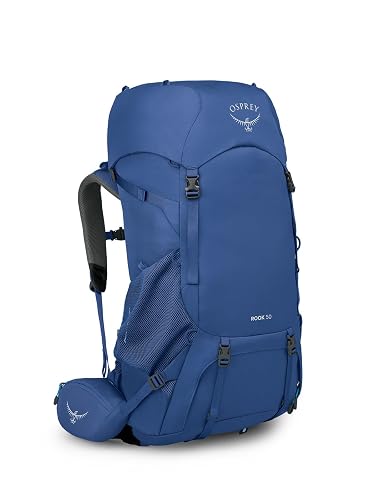
Osprey Rook 50L Men’s Backpacking Backpack
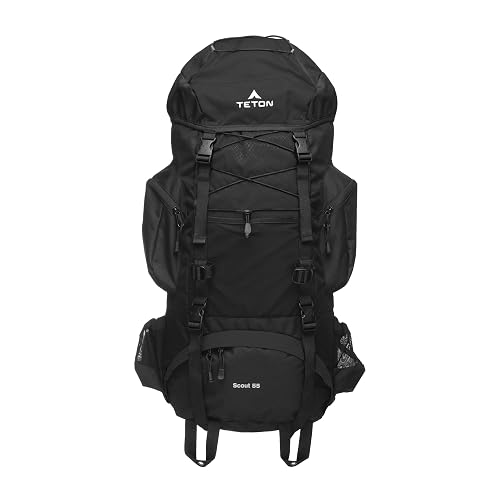
Teton 55L Scout Internal Frame Backpack with Rain Cover
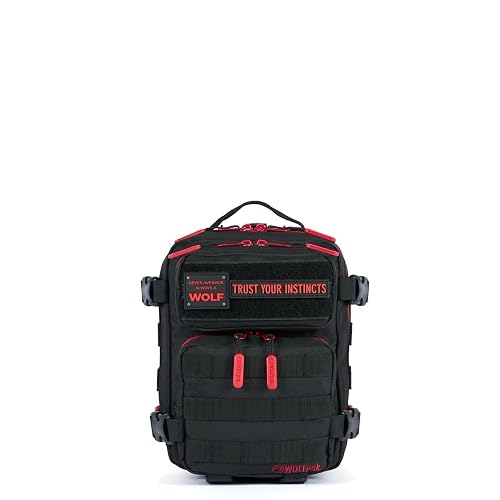
WOLFpak Tactical Backpack Compact Everyday Carry

YETI Crossroads Backpack
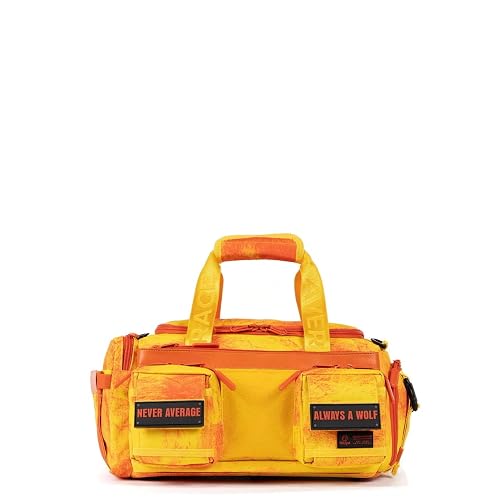
WOLFpak 20L Mini Gym Duffle Bag (Fire)
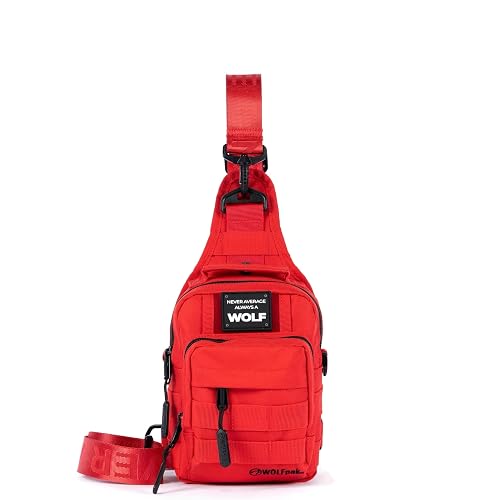
WOLFpak 4L Mini Tactical Sling Bag (Elite Red)
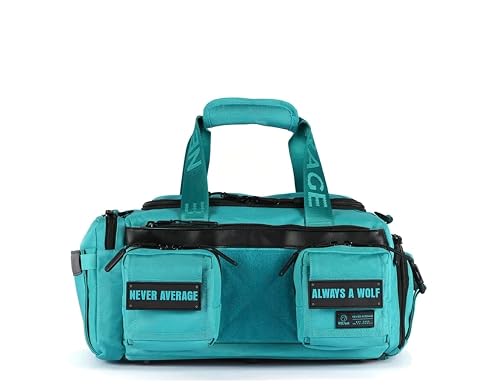
WOLFpak 20L Mini Gym Duffle Bag (Voodoo Aqua)
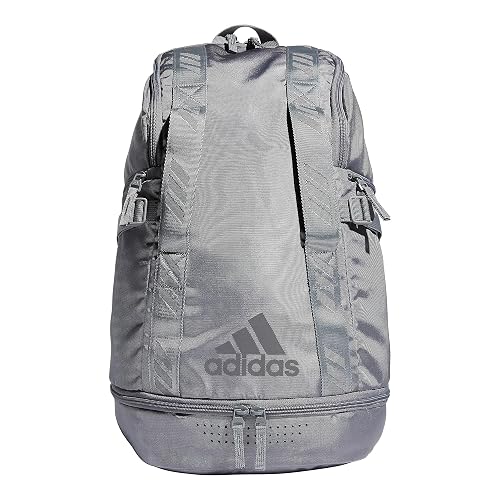
adidas Creator 365 Sports Backpack 45L
Inside Each Recommended Option
A breathable mesh tote earns its spot in a backpacker’s kit by solving a problem most technical packs ignore: where to stash wet swimwear or sweaty laundry after the trail ends. Unlike the Osprey Rook covered later, which is built to haul loads on your back, this little tote tucks flat into a duffel and pops out when you need to dump a damp towel or rinse a pair of running shoes.
Reusable construction means it survives a season of hostel bathrooms and sandy shoreline trips. It feels more like an accessory than a primary pack, but that’s exactly the point: a layered system where each piece handles a specific job.
A Few Strong Suits
- Mesh panels drain water and dry quickly after a swim
- Folds small enough to fit inside a larger duffel or pack pocket
- Lightweight build adds almost nothing to your carry weight
- Reusable design handles rough treatment from sand and salt
Honest Caveats
- Open mesh construction means no privacy for valuables at the beach
- Not structured enough to carry books or heavy electronics safely
Who It Suits Best
Backpackers taking tropical or coastal routes who need a quick-grab bag for swim gear and laundry between hostels.
Where Another Pick Suits Better
Anyone planning a serious multi-day trek should reach for the Osprey Rook 50L Men’s Backpacking Backpack instead, since this tote is built for post-trail errands, not load-hauling.
The Rook 50L is the kind of pack that quietly handles whatever a beginner throws at it. An injection-molded ladder lock torso adjustment lets you dial fit on the fly, which matters more than people expect when you start layering clothes for a summit push. The integrated raincover pulls out from a dedicated pocket when the sky turns, sparing you the scramble of stuffing a pack cover in a side pouch.
Where the previous WOLFpak mesh tote handles wet gear after a hike, the Rook handles the hike itself. It carries 50 liters of clothing, sleeping kit, and food without demanding expert packing skills.
What Makes Sense
- Adjustable torso system grows with different body sizes
- Built-in raincover saves weight and packing space
- bluesign-certified materials signal responsible sourcing
- 50L capacity suits two to four nights comfortably
Trade-Offs To Consider
- 50L may feel bulky on shorter day hikes
- Lacks the structured gym-day organization of smaller daypacks
- Raincover adds bulk even when stored inside the pack
At A Glance
Right Fit For
First-time backpackers tackling weekend and short multi-day routes who want a forgiving fit system.
Skip It When
You mostly move through airports and cities, where the YETI Crossroads Backpack’s clamshell opening handles packing more naturally.
The Scout earns its place here because too many packs assume a six-foot torso. Teton built this one around a 3/4 internal frame that fits youth and smaller-framed adults without forcing them to cinch straps to their limit. The integrated rain cover deploys fast, which matters when a forecast goes sideways mid-route.
It’s a budget-friendly alternative to the Osprey Rook, trading some suspension refinement for a torso range that includes hikers most packs forget. In our view, it’s the most thoughtful option in this list for family trips where younger siblings are joining the trail.
What Stands Out
- Adjustable back panel fits shorter torsos without a gap above the hips
- 55L capacity swallows bulky sleeping bags and family-shared food
- Rain cover stores inside the pack, ready when weather shifts
- Internal frame keeps weight close to the back for stability
Things To Consider
- Suspension feels less ventilated than the Osprey AirSpeed system
- Frame sizing may feel undersized for tall adults
- Fabric weight sits in the middle, not at the ultralight end
Feature Snapshot
Best Suited To
Smaller adults and older kids transitioning into real backpacking loads on multi-day trails.
Consider Something Else When
You need a more breathable suspension on hot desert routes, where the Osprey Rook 50L Men’s Backpacking Backpack performs noticeably cooler.
Not every backpack outing requires a 50-liter haul. The WOLFpak Tactical fits a different rhythm: a compact, lightweight everyday carry that handles the gym, the commute, and quick errands without the bulk of a framed pack. Compared to the Teton Scout, which is designed to carry sleeping bags across a mountain pass, this one fits a laptop and a pair of shoes for an urban day.
It’s small on purpose, so it stays comfortable even when you’re walking a few miles between transit stops. The brand leans into a tactical aesthetic, which appeals to shoppers who want a more structured silhouette than a soft gym sack.
Standout Benefits
- Lightweight frame keeps shoulders fresh during long commutes
- Compact footprint fits under bus seats and café chairs
- Tactical styling suits shoppers who want a rugged look
- Multiple compartments separate clean clothes from shoes
Points To Keep In Mind
- Too small for multi-day treks or large textbooks
- Lacks the ventilated back panel of true hiking packs
Quick Facts
Made For
Urban commuters and casual gym-goers who want a structured pack that still feels small on the back.
Not Your Match When
You need a true load-hauling backpack for trail trips, where the Osprey Rook 50L Men’s Backpacking Backpack carries weight far more comfortably.
YETI built the Crossroads for the segment most packs ignore: the hybrid trip that mixes flights, hotels, and one-bag travel. The clamshell opening folds out flat like a suitcase, so you can pack cubes, charge cables, and a change of clothes without digging through a top-loading tube. A pass-through strap on the back lets you slide it over roller luggage handles, which is the small detail that makes airport days bearable.
Where the WOLFpak Tactical sticks to daily commuting, the Crossroads steps up for multi-city travel. Depending on your itinerary, the 35L profile holds enough for a four-day work trip without forcing a checked bag.
Everyday Advantages
- Clamshell opening turns packing into a suitcase-friendly process
- Pass-through panel secures the pack to roller luggage handles
- 35L capacity covers work trips and weekend getaways
- Build quality reflects YETI’s reputation for tough exteriors
Worth Bearing In Mind
- Not built with framed support for trail loads
- Carry-on capacity can run tight for bulky souvenirs on the return
Feature Card
Perfect Match For
Frequent flyers and hybrid travelers who want backpack comfort with suitcase-grade organization.
Look Elsewhere When
You actually need trail performance, since the Osprey Rook 50L Men’s Backpacking Backpack carries weight on rough terrain far more confidently.
The 20L Mini Gym Duffle handles a niche most packs stumble on: gym sessions where shoes and clean clothes need to stay separate. The reinforced shell base and dedicated shoe compartment keep sweaty sneakers off your fresh shirt, while the compact 16-by-9-by-8 frame slips under airline seats as a personal item. It pulls double duty as a weekend carry-on, which is rare for gym bags at this size.
Compared to the WOLFpak Tactical Backpack, this duffle trades shoulder organization for a stiff base that protects contents from wet locker room floors.
Useful Touches
- Reinforced base keeps the bag upright on locker room floors
- Separate shoe compartment prevents odor transfer
- Airline-friendly dimensions fit under most cabin seats
- Compact 20L handles a day’s gym kit and a change of clothes
Some Limits To Know
- Duffle shape lacks padded laptop protection
- Single-strap design can fatigue shoulders on long walks
Whose Shelf It Belongs On
Lifter commuters and weekend travelers who split time between the gym and short carry-on trips.
A Better Fit Elsewhere
Travelers who fly often will get more use from the YETI Crossroads Backpack, since its clamshell opening suits airport security lines far better.
Crossbody slings earn their spot in a backpacker’s kit by freeing both hands on crowded streets and short trail-town walks. The 4L capacity covers the essentials: phone, passport, snack, and a thin layer. Worn across the chest, it stays accessible without forcing you to take off a backpack every time you need a boarding pass.
It’s the smallest option in this roundup, so the comparison to a 50L hauler like the Osprey Rook isn’t fair. Think of this as a companion piece to your main pack rather than a replacement.
Strengths Worth Knowing
- Hands-free crossbody design keeps essentials close
- 4L capacity fits phone, passport, and a small snack
- Lightweight build adds almost no weight to your loadout
- Tactical styling pairs well with athletic or urban outfits
Honest Caveats
- Too small to function as a standalone travel pack
- Not padded enough to protect electronics from drops
The Right Fit
City explorers and trail-town errand-runners who want a hands-free companion to a larger backpack.
Another Choice May Suit
Shoppers needing a full carry-on for flights should consider the YETI Crossroads Backpack instead, which carries much more for the same trip profile.
This Voodoo Aqua colorway delivers the same 20L duffle build as the Fire variant covered earlier, with a brighter finish that stands out in a crowded gym or hostel luggage pile. The reinforced shell base and dedicated shoe compartment carry over, so the only real question is which colorway fits your style.
For shoppers who already like what the WOLFpak duffle offers, this is the version to choose when visibility matters more than blending in.
Key Advantages
- Distinctive colorway helps you spot your bag quickly
- Reinforced base keeps contents off wet surfaces
- Airline-friendly dimensions work as a personal item
- Dedicated shoe pocket separates clean clothes from footwear
Where It Is Less Suited
- Vivid color may not suit shoppers who prefer muted tones
- Same single-strap carry limitations as the Fire variant
Who Will Love This
Style-conscious gym-goers and travelers who want their bag easy to identify at a glance.
Reach For A Different Pick When
You need actual trail performance, since the Teton 55L Scout Internal Frame Backpack with Rain Cover is engineered for the trail in a way this duffle isn’t.
The Creator 365 sits in a strange but useful middle ground: too big for a daily gym commute, too casual for a serious backcountry trip, but absolutely right for basketball players and ball-sport athletes. The roomy main compartment swallows a full kit, while a dedicated shoe pocket vents odor away from clean clothes. A water-resistant base keeps the bottom of the bag from soaking through when you set it down on a wet gym floor.
Where the Osprey Rook leans into suspension engineering for mountain use, the adidas leans into storage layout for sport. You may find it oversold for trail use but spot-on for daily training.
Where It Excels
- 45L capacity fits a ball, shoes, and a full change of gear
- Water-resistant base protects contents on damp surfaces
- Ventilated shoe pocket airs out sweaty sneakers
- Multiple zippered compartments separate training and casual items
Points To Note
- Lacks the internal frame needed for true backcountry hauls
- Sport-oriented organization feels excessive for office-only use
Feature Rundown
Built With In Mind
Ball-sport athletes and gym regulars who carry bulky gear between home, training, and games.
Where A Sibling Pick Shines
Trail-focused backpackers should reach for the Teton 55L Scout Internal Frame Backpack with Rain Cover, which is engineered for weight distribution on rough terrain.
Sizing Up Backpacks For Backpacking Before You Buy
A backpack earns its reputation through how it fits your torso, not how it looks on a shelf. Torso length, not height, decides whether weight sits on your hips or pulls on your shoulders. Measure from the bony bump at the base of your neck to the line between your hipbones, then match that number to the pack’s adjustment range before trusting any volume number on the label.
Capacity should match trip length, not ambition. A 30L pack handles an overnight; 50L covers three to five days; anything above 60L assumes a serious load or winter gear. Overbuying capacity tempts you to overpack, and overpacked packs wear on your back faster than you expect. Beginners often do better with a pack sized one step below what they think they need.
Suspension matters more than fabric weight. A ventilated back panel keeps your shirt dry on a summer ascent; padded hip belts transfer load off shoulders when packs exceed 30 pounds. The Osprey Rook 50L reviewed above is a solid example of suspension-first thinking, while bags like the WOLFpak duffles skip suspension because their loads never get heavy enough to need it.
Think about how you’ll access the pack day-to-day. Clamshell openings, like the one on the YETI Crossroads, suit travelers who treat a pack like a suitcase. Top-loader designs favor backpackers who stuff gear in once and unpack at camp. Neither is wrong, but choosing the wrong access style causes daily frustration across an entire trip.
Key Considerations Across These Picks
Pitfalls Shoppers Hit
The most common mistake is choosing a pack by capacity alone, then ignoring torso fit. A 55L pack that doesn’t reach your lumbar spine pulls weight onto your shoulders and turns a two-mile approach into a chore. Always match the pack’s torso range to your measurement before committing.
Another trap is assuming “waterproof” fabric means you can submerge the pack. Most packs handle light rain but fail in real downpours without a rain cover. The Teton Scout and Osprey Rook both include integrated covers for exactly this reason, while gym-oriented bags skip the feature because they’re rarely caught in weather.
Why Top Tier Costs More
Premium backpacks cost more because the suspension system, fabric weight, and adjustment hardware all get upgraded together. A refined load lifter strap costs pennies to manufacture but transforms how a 40-pound load feels on a hot day. You pay for the engineering that distributes weight across your hips instead of your traps.
The upgrade pays off most on multi-day trips where discomfort compounds hour after hour. For casual gym or commute use, a budget option like the WOLFpak Tactical delivers most of the convenience without the premium suspension engineering, which makes the higher tier an investment rather than a necessity for casual users.
Frequently Asked Questions
How do I know what backpack size I need?
Measure your torso from the bony bump at your neck base to the line between your hipbones, and match that number to the pack’s adjustment range. Pack volume should follow trip length: 30L for overnights, 50L for three to five days, and 60L+ for week-long expeditions with bulky gear.
Can a backpack for backpacking work for air travel?
Some packs double as carry-ons, especially clamshell designs like the YETI Crossroads. Framed packs above 50L usually exceed carry-on dimensions. Check the airline’s personal item and carry-on size limits before assuming a pack fits under the seat.
Do I really need a rain cover?
For trail packs, yes, since most fabrics handle mist but soak through in heavy rain. The Osprey Rook 50L and Teton 55L Scout both include integrated covers. For urban packs, a rain cover matters less because you can duck into a building quickly.
What’s the difference between a daypack and a backpacking pack?
Daypacks carry lighter loads without internal frames, while backpacking packs include framed suspension and hip belts to handle 30+ pounds across long distances. The WOLFpak Tactical works as a daypack; the Osprey Rook handles real trail loads.
How should I clean my backpack?
Empty all pockets, shake out debris, and hand-wash the exterior with mild soap and a soft brush. Skip machine washing, which damages frames and coatings. Air-dry fully before storing to prevent mildew in the fabric.
Wrap Up
Your ideal pack depends less on brand and more on the trip you’re planning. Multi-day trekkers get the most from framed packs like the Osprey Rook or Teton Scout, while travelers and gym-goers find more daily value in duffles, slings, and clamshell daypacks. Match the design to your actual route, and the rest of the gear falls into place.