
Miles disappear under your boots faster when there’s something worth pulling the strap of your pack open for, a ridge hawk, a distant alpine lake, the outline of a far summit. The right pair of binoculars turns a long hike into a richer one without weighing you down or rattling around in your lid. This roundup focuses on ten pairs that earn their place in a backpack, from compact 8×42 workhorses to long-reach 20×55 options for travelers who want maximum detail at the cost of size.
A Quick View Of The Lineup
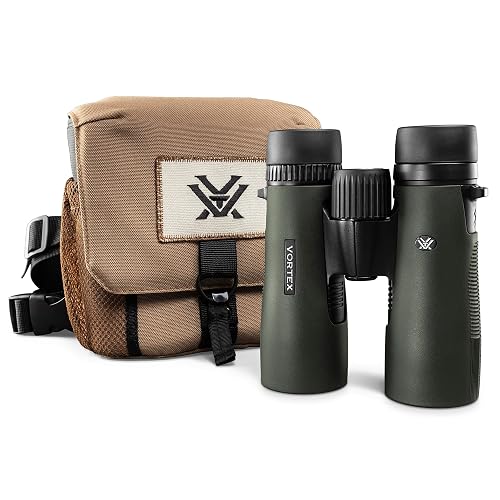
Vortex Diamondback HD 10×42 Binoculars
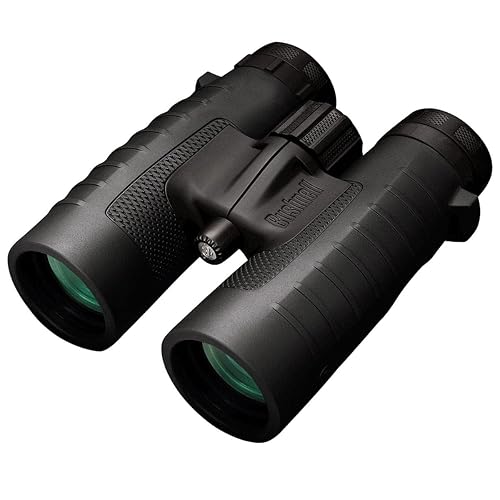
Bushnell 10x42mm Trophy XLT Binoculars
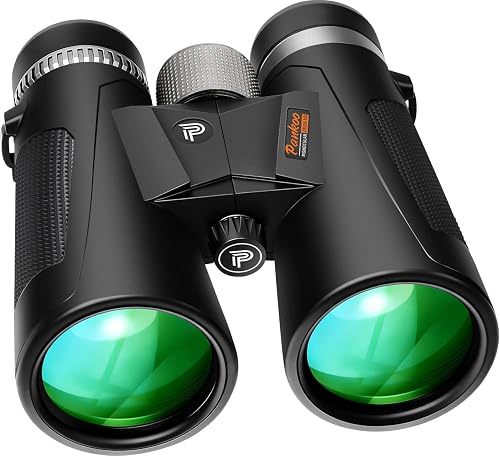
Pankoo 20×55 Waterproof Binoculars

Athlon Optics 8×42 Midas UHD Binoculars
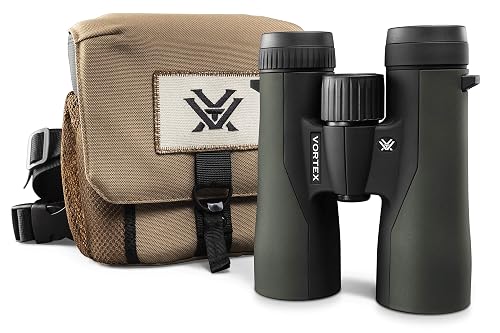
Vortex Crossfire HD 10×42 Binoculars
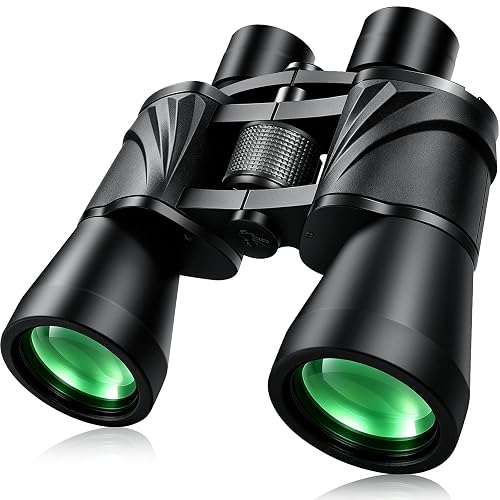
Pankoo 20×55 Binoculars with Phone Adapter
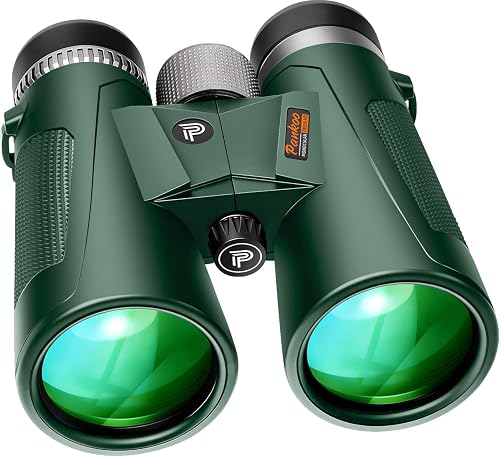
Pankoo 20×55 Waterproof Binoculars
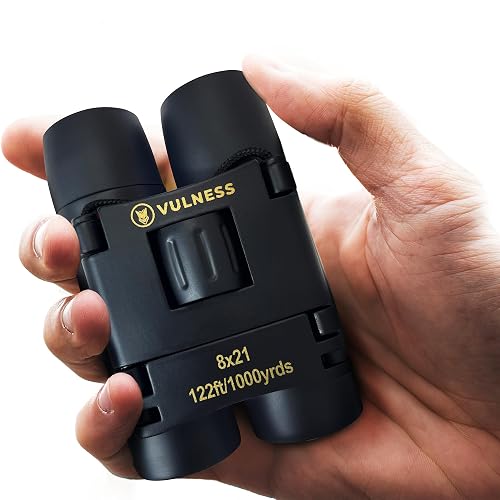
VULNESS 8×21 Mini Binoculars (Black)
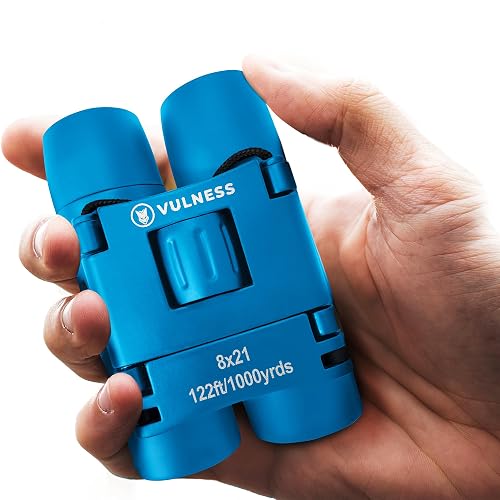
VULNESS 8×21 Mini Binoculars (Blue)

VULNESS 8×21 Mini Binoculars (Camo)
More On The Choices That Made The List
The Vortex Diamondback HD 10×42 sits at the top of the list because it threads a needle most backpackers care about: full-size optical performance in a body that’s still reasonable to carry. The 10x magnification pulls distant ridges and high-circling raptors into clean view, while the 42mm objective lenses (the large front lenses, which determine how much light the binoculars gather) gather enough light to keep the image bright at dawn and dusk. Compared to the lighter 8×21 picks later in this roundup, this one is a real step up in optical class without becoming a brick.
For a long day on a ridge, you appreciate the rubber-armored housing when you set the binos down on wet granite or hand them to a hiking partner. The chassis is also sealed against the weather, which matters when a thunder cell rolls in mid-route. Depending on how you pack, the size may steer you toward the smaller VULNESS models below for ultralight trips.
What Pays Off
- 10x magnification gives strong reach for scanning distant peaks and wildlife without switching to a spotting scope.
- 42mm objective lenses keep the image bright in low light, a real edge at sunrise and last light.
- Sealed and armored body handles rain, grit, and the occasional drop off a pack lid.
- Wide field of view helps you pick up moving birds without losing them at the edge of frame.
- Trusted Vortex warranty and support, useful if a hinge loosens after years of trail use.
Things To Consider
- Heavier and bulkier than the 8×21 VULNESS picks, so it’s not ideal for ultralight or fastpacking setups.
- 10x can amplify hand shake on long observations, so steady footing or a pack as a brace helps.
Key Attributes
Made For
Backpackers carrying a 40 to 65 liter pack who want one optic that does most things well across multi-day routes.
Reach For A Different Pick When
Switch to the VULNESS 8×21 in Camo if every ounce counts and your glassing sessions are short stops rather than hours at a viewpoint.
The Bushnell Trophy XLT 10×42 lands a wide apparent field of view that helps when you’re tracking shorebirds, kettles of hawks, or the next ridge of a coastal trail. That wide angle, paired with full-size 42mm objectives, makes this a versatile pick that doesn’t flinch when conditions turn wet. The chassis is waterproof and built for the kind of weather that closes in on a long route.
What sets it apart from the Vortex Diamondback at the top is less about raw optical quality and more about the feel in the hand and the price-to-feature balance. You trade a small amount of low-light performance for what is often a friendlier entry point into a name-brand 10×42 roof prism (a prism design where the optical path folds inside the housing, keeping the body slim and rugged). For backpackers who already run a heavy pack and want an optic that does not feel precious, this one holds up.
Useful Touches
- Wide field of view helps you pick up movement at the edges when glassing open terrain.
- Waterproof and fog-resistant build for coastal, alpine, and humid forest routes.
- 10×42 roof prism form factor keeps the body compact enough for a chest harness.
- Non-slip grip stays secure with cold or gloved hands on early starts.
Points To Note
- Not the lightest option in this roundup, so consider pack weight if every gram matters.
- Low-light performance trails the Vortex Diamondback slightly, depending on conditions.
Right Fit For
Hikers tackling wet climates, coastal routes, or shoulder-season trips who want a forgiving all-weather binocular with strong tracking.
Where Another Pick Suits Better
For ultralight trips, the VULNESS 8×21 in Black is easier to justify in a frameless pack.
When the goal is to pull a far landmark in close rather than track a moving raptor, the Pankoo 20×55 delivers the kind of reach a standard 10×42 cannot match. The 55mm objective lenses scoop up enough light to keep that high-power image from going dim, and the waterproof build shrugs off drizzle on long ridgelines. For backpackers hiking above treeline with views that stretch for miles, the magnification is the headline feature.
The honest read is that 20x magnification amplifies every wobble of your hand, so steady footing or bracing against your pack becomes part of the routine. For most backpackers, this pair earns its spot when the route is more about observation stops than quick moving glassing. The size also nudges it out of the running for ultralight thrus, where the VULNESS 8×21 picks later in this list make more sense.
What Makes Sense
- 20x magnification brings distant summits, wildlife, and ships into view without a spotting scope.
- 55mm objectives keep the image bright enough for dawn observation on alpine starts.
- Waterproof construction handles rain, sleet, and river mist without fuss.
Honest Caveats
- 20x power reveals every bit of handshake, so stability matters more than with a 10×42.
- Heavier and bigger than the 10×42 picks, so pack space and weight budgets need to allow for it.
Feature Snapshot
Best Suited To
Backpackers on ridge traverses and alpine routes where the distance to the next landmark is the main attraction.
Look Elsewhere When
For a moving hike with frequent stopping and starting, the Vortex Crossfire HD 10×42 is steadier in hand.
The Athlon Optics 8×42 Midas UHD is the pick for long, slow afternoons at a glassing point. With 8x magnification and ED glass (extra-low dispersion glass, which reduces color fringing around high-contrast edges), the image stays sharp and color-true, so hours of looking for game or distant birds don’t fatigue your eyes the way a harsher optic can. The 8x power also makes the view easier to hold steady, which matters when you settle in to scan a valley floor.
What separates the Midas from a standard 8×42 is the UHD-grade glass and the generous eye relief (the distance your eye can sit behind the eyepiece and still see the full image), useful if you wear glasses on a windy ridge. It’s not the smallest option in this roundup, but it slips into a chest harness without trouble and rewards backpackers who treat observation as the destination.
Useful Strengths
- ED glass trims color fringing for clean, true-to-life views of distant ridges and birds.
- 8x magnification is comfortable to hold steady during long observation stops.
- Generous eye relief works well for glass-and-glasses users on cold ridges.
- Durable build with a reassuring weight that resists twisting in hand.
Less Ideal Details
- 8×42 won’t pull in the same far detail as the 20×55 picks, so distance is the trade-off.
- Not as pocketable as the VULNESS 8×21 pairs for fastpacking or summit pushes.
Whose Shelf It Belongs On
Backpackers who pick a campsite for the view and want a binocular that disappears into the evening routine rather than dominating it.
Swap It Out When
If you hunt for far landmarks rather than settle on a single viewpoint, the Pankoo 20×55 with phone adapter reaches further.
The Vortex Crossfire HD 10×42 is the friendly neighbor of the Diamondback at the top of the list: same general 10×42 size class, slightly softer glass, but a price tag that fits more backpacking budgets. It comes with a GlassPak harness (a wearable binocular harness that keeps the optics on your chest for quick access), which is genuinely useful when you want the binos out of the way of shoulder webbing and sternum straps. For backpackers new to carrying real optics, that harness alone is part of the value.
The optical quality doesn’t punch quite as hard in low light as the Diamondback, but the form factor and the included carry solution make it a sensible everyday pick. You trade a touch of edge sharpness for a system that arrives ready to wear.
Bright Spots
- GlassPak harness included, so you can attach and hike without buying extra accessories.
- HD optical system resolves good detail at typical backpacking viewing distances.
- Rugged, weather-sealed chassis stands up to handle rain and dust.
- Backed by Vortex support, a real comfort for first-time binocular owners.
Where It May Fall Short
- Low-light performance falls behind the Diamondback HD for dawn and dusk use.
- The included harness adds bulk some minimalists may strip off after a few trips.
Feature Card
Who Should Grab It
First-time backpacker-buyers who want a complete setup out of the box rather than piecing together harness and optic separately.
Skip It When
Ultralight packers should look at the VULNESS 8×21 in Blue for a flatter, lighter carry.
This Pankoo 20×55 takes the long-reach concept of the earlier Pankoo 20×55 and adds a phone adapter that lets you line your camera up to the eyepiece for digiscoping (photographing through the optics with your phone). For backpackers who keep a trip journal, share trail updates, or just want a sharp record of a far summit, the adapter removes the wobbly guesswork of holding a phone behind a binocular. It’s a niche feature, but a meaningful one if you care about it.
You still get the 20x reach and the 55mm light gathering that make the Pankoo line worth considering for ridge walking. The honest caveat is the same as its sibling: at 20x, hand shake matters, so a steady rest helps whether you’re looking live or lining up a phone shot.
A Few Highlights
- Phone adapter turns the optic into a long-reach camera for trail photos.
- 20x magnification pulls far landmarks into frame for sharing or logging.
- 55mm objective lenses keep the image bright enough for dawn starts.
Potential Drawbacks
- Adapter alignment takes patience, and shaky hands are more visible at 20x.
- Bigger and heavier than a 10×42, so pack space matters more.
Built With In Mind
Backpackers who blog or post from the trail and want sharper shots of distant features than a phone alone can manage.
Where A Sibling Pick Shines
If you don’t plan to attach a phone, the Bushnell 10x42mm Trophy XLT is steadier for the same general viewing use.
The third 20×55 Pankoo in the roundup leans into the long-reach, weather-sealed formula without the phone adapter. For backpackers who just want to look rather than photograph, this pared-back version delivers the same big-lens, high-magnification experience at a simpler spec. It’s a useful alternative if the adapter and harness of the other Pankoo pairs feel like more than you need for the trail.
You give up the digiscoping convenience of the phone adapter model, but you still get the waterproof construction and the reach that makes this category attractive on open terrain. For backpackers who pack light but want one optic that punches above its class for distance, this slot in the lineup makes sense.
Key Advantages
- 20x magnification gives sharp reach to distant summits and wildlife.
- Waterproof construction handles unexpected weather on ridgelines.
- 55mm objective lenses balance reach with usable brightness.
Some Limits To Know
- Steady hands or a braced position are required to enjoy 20x cleanly.
- Not as compact as the 8×42 or 8×21 picks for tight pack layouts.
Who It Suits Best
Backpackers on multi-day routes with long horizon views who don’t need camera features but still want strong distance reach.
A Better Fit Elsewhere
For a lighter, steadier viewing experience on shorter trips, the Athlon Optics 8×42 Midas UHD is easier on the arms.
The VULNESS 8×21 is the kind of binocular that lives in your pack rather than fighting for space with it. The 21mm objectives are tiny compared to the 42mm and 55mm picks earlier in this roundup, but the trade-off is real: this thing folds flat and weighs so little you’ll forget it’s there. For thru-hikers, fastpackers, and anyone counting ounces, that’s the entire point.
The optical quality won’t rival a full-size binocular, but that’s not what you’re buying. You’re buying a quick glimpse when a heron lands in a marsh or a fox pauses on a far meadow. The center-focus knob (the single dial that focuses both eyepieces at once) and the diopter adjustment (a fine-focus ring on one eyepiece to match your individual eyesight) make it usable right out of the bag.
What Stands Out
- Ultralight, folding design slips into a hipbelt pocket or pack lid without notice.
- 8x magnification is comfortable for short observation stops while hiking.
- Center-focus knob and diopter adjustment let you dial in quickly.
- Affordable enough to treat as a backup or loaner.
A Few Limitations
- 21mm objectives don’t gather much light, so dawn and dusk viewing is dim.
- Not the optic to choose for serious birding or long-distance identification.
Feature Overview
Perfect Match For
Thru-hikers and ultralight backpackers who want binos in their kit without committing to a full-size pair.
Not Your Match When
If observation is the main reason you’re carrying optics, the Vortex Diamondback HD 10×42 is worth the extra weight.
Functionally the same optic as the black VULNESS above, but in a blue housing for backpackers who’d rather their gear stand out at the trailhead. The compact, folding form factor is the whole appeal: a binocular that lives in a jacket pocket or hipbelt pouch and shows up only when something on the trail catches your eye. It’s a small piece of mind on trips where every gram counts.
Where this fits best is on day hikes and short overnights, where the simplicity outweighs the optical limits. For longer routes with serious observation, the heavier 10×42 picks further up the list are the smarter call.
A Favorable Mix
- Bright color helps you spot the binos in a dark pack or shared tent.
- Light, folding body keeps your pack weight close to baseline.
- Simple center-focus design is friendly for first-time binocular owners.
Practical Considerations
- Same low-light limits as the black VULNESS 8×21 due to the 21mm objectives.
- Smaller eyepieces can feel tight for users with larger hands or faces.
Who Will Love This
Day-hikers, casual travelers, and beginners who want something light, affordable, and easy to find in a crowded pack.
Consider Something Else When
For serious dawn-to-dusk glassing on a long route, the Bushnell 10x42mm Trophy XLT is the better tool.
The camo VULNESS rounds out the lineup for backpackers who’d rather their optics blend in than stand out. Same compact 8×21 form factor, same lightweight folding build, just a finish that disappears against forest greens and browns. For wildlife-watchers who want to feel less conspicuous at a glassing point, that’s a small but real comfort.
The performance profile matches the other VULNESS 8×21 pairs in this roundup, so the choice between black, blue, and camo really comes down to preference and use case. You’re not buying an upgrade, you’re buying a finish that suits your habits.
Everyday Advantages
- Camouflage finish blends into woodland and brush settings.
- Ultralight, pocketable body suits fastpackers and birders on the move.
- 8x power is approachable for first-time binocular owners.
Things To Weigh Up
- Same low-light limits as the other VULNESS 8×21 models in this roundup.
- Not suited for long observation sessions where a larger optic would help.
Right Fit For
Wildlife-watching backpackers and birders who want gear that visually disappears in the field.
Look Elsewhere When
If you want maximum optical reach on a long trip, the Pankoo 20×55 with phone adapter pulls far detail.
Matching Binoculars To Your Backpacking Style
A backpacking binocular earns its place by balancing weight, optical reach, and durability. The first number to internalize is the magnification, written first in the spec: 8x means steadier images and less fatigue, 10x adds reach without too much extra weight, and 20x delivers spotting-scope-like detail at the cost of bulk and shake sensitivity. Below 10x, the image feels easier to hold, which matters during long observation stops.
Objective lens diameter, the second number, controls how much light the optic gathers. A 42mm lens is the workhorse choice for dawn-to-dusk hiking, while 21mm lenses trade brightness for a body that fits in a jacket pocket. 55mm lenses step up the brightness for serious early-morning or low-light glassing, but they add weight. A simple rule: more glass up front means a brighter picture and a heavier pack.
Roof prism construction is the standard for backpacking optics. It keeps the body slim and rugged, with internal prisms that fold the light path into a compact housing. Look for rubber armor and weather sealing if your routes cross rainy or dusty terrain. Eye relief, the distance your eye sits behind the eyepiece, matters if you wear glasses, and ED glass reduces color fringing around high-contrast edges for cleaner views.
Deciding Between Compromise And Capability
The temptation is to grab the biggest pair, but the honest answer depends on your trip. A thru-hiker counting every ounce benefits more from a 21mm compact than a 55mm full-size, while a peak-bagger chasing far landmarks gets more value from a 20×55. Most backpackers fall somewhere in the middle, where a 10×42 delivers the best balance of reach, brightness, and weight.
Let The Trail Decide
Weather changes the calculus. Humid coastal routes, alpine weather, and shoulder-season rain favor sealed, rubber-armored bodies. Dry desert and high-pressure forecasts are forgiving on lighter builds. Picking by your most likely conditions rather than the worst-case keeps the rest of your kit happy.
Where Shoppers Go Wrong In This Category
Common Shopping Slip Ups
The biggest trap is buying by magnification alone. A 20x binocular sounds powerful, but on the trail it amplifies every wobble of your hand, and you’ll reach for steady footing that doesn’t exist on a moving hike. Most backpackers find 10x a more forgiving sweet spot for everyday glassing. Skipping the objective lens number is the second mistake: a 20×42 is far less useful in low light than a 10×42, even though the magnification number looks smaller.
What Separates Premium From Basic
The extra money in premium binoculars tends to land in three places: glass quality, weather sealing, and warranty support. ED glass trims color fringing and improves color fidelity, which matters when you’re looking at backlit birds against white sky. Tighter weather sealing keeps internal fogging from ruining an observation. A strong warranty, like the kind Vortex offers on its Diamondback and Crossfire lines, turns a long-term tool into one you’ll actually keep using.
Frequently Asked Questions
What Magnification Is Best For Backpacking?
For most backpackers, 8x or 10x offers the best balance of reach and stability. 20x is useful for spotting distant landmarks but adds size and reveals hand shake.
How Important Is Objective Lens Size?
Objective lens diameter controls how much light the binoculars gather. Larger lenses (42mm or 55mm) brighten the image in low light, while smaller lenses (21mm) keep the body compact and ultralight.
Are Waterproof Binoculars Worth It For Backpacking?
Yes for most routes. Weather sealing protects against rain, river crossings, and internal fogging, which matters on multi-day trips where drying out a damp optic isn’t easy.
Can Mini Binoculars Replace Full-Size Pairs?
Mini 8×21 pairs are great for short stops and ultralight kits, but they don’t match full-size binoculars for dawn and dusk viewing or fine detail at distance.
What Is Eye Relief And Why Does It Matter?
Eye relief is the distance your eye can sit behind the eyepiece and still see the full image. Longer eye relief is important for backpackers who wear glasses.
The Takeaway
Pick the binocular that matches how you actually hike. A heavy multi-day packer gets more from a full-size 10×42, an ultralight traveler is happier with a folding 8×21, and a long-distance landmark hunter should look at the 20×55 options. The right pair disappears into your routine and shows up only when the trail gives you something worth looking at.