
A good sleeping pad quietly decides the quality of every night outdoors, yet it rarely gets the attention a tent or pack does. Thru-hikers, weekend warriors, and casual campers all run into the same wall: a lightweight pad that feels great in the store can turn into a cold, saggy, noisy mess by 3 a.m. on a rocky shelf. The picks below balance warmth, pack size, comfort, and weight, all without forcing you to choose between your wallet and a decent night’s sleep.
A Snapshot Of The Selections
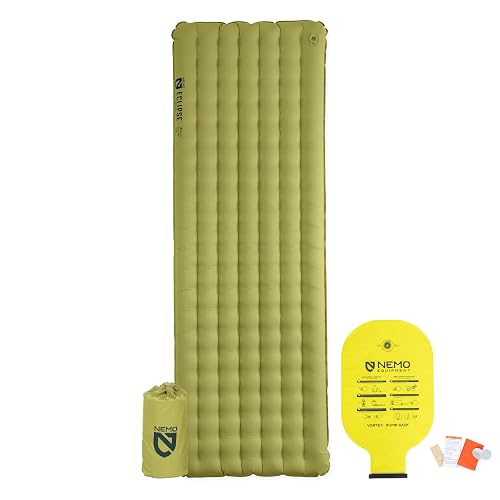
NEMO Equipment Eclipse Sleeping Pad (Long Wide)
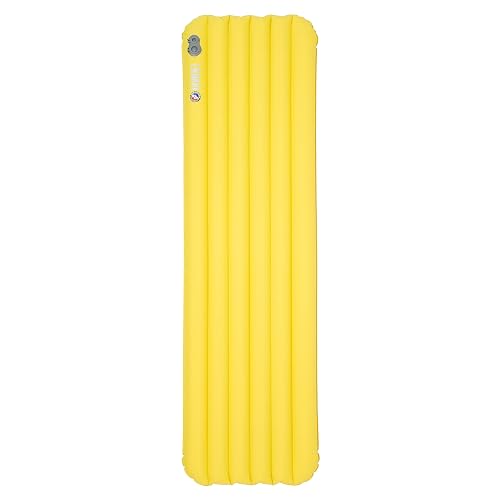
Big Agnes Divide Insulated Sleeping Pad (Wide Regular)

Teton Outfitter XXL Sleeping Pad for Cot
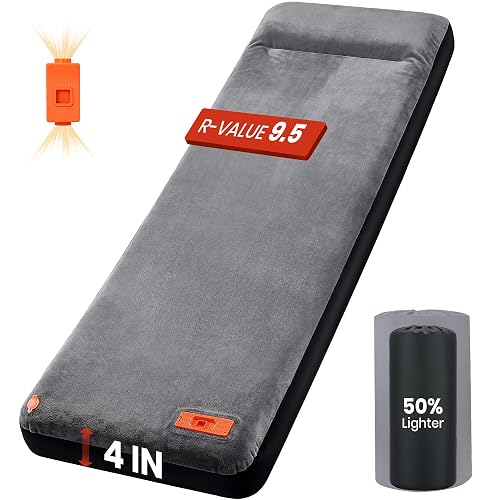
LLUAII Self Inflating Sleeping Pad with Electric Pump

Big Agnes Rapide SL Insulated Sleeping Pad (Wide Long)

Gear Doctors Oxylus Self Inflating Sleeping Pad
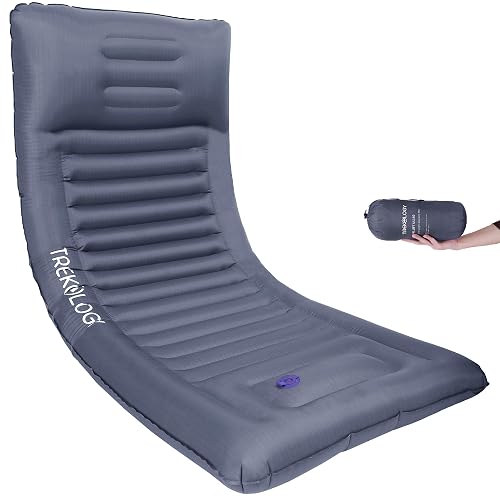
TREKOLOGY Sleeping Pad with Built-In Pump
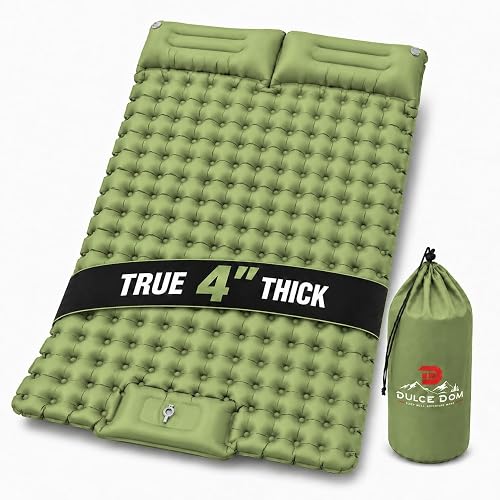
DULCE DOM True 4-Inch Double Camping Sleeping Pad
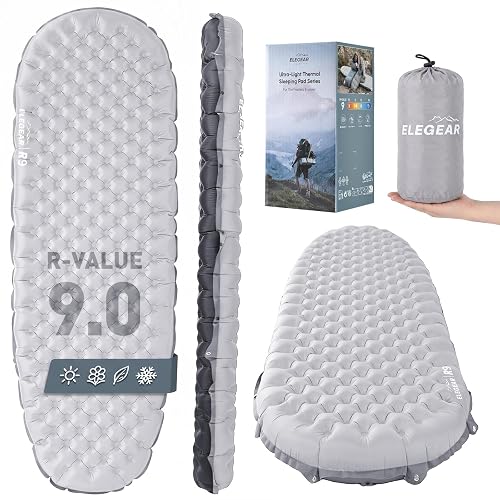
Elegear 4-Inch Thick Insulated Sleeping Pad (Single)
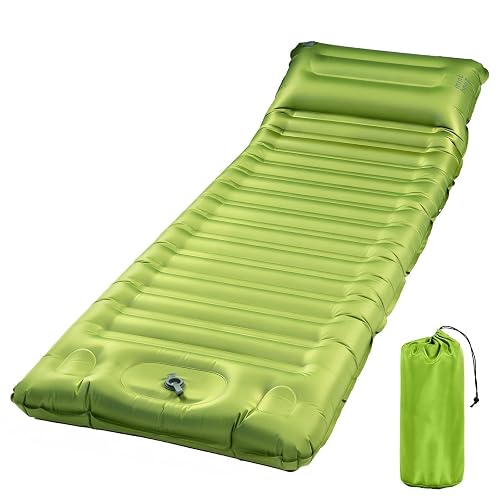
Minthouz 5-Inch Thick Ultralight Camping Mattress
The Picks, Examined More Closely
Plush air pads used to mean a sore back and a heavy pack. The NEMO Equipment Eclipse flips that assumption by stretching four inches of air cushion across a 76-by-25-inch long-wide footprint, which is enough room for restless sleepers who roll onto their side. Its subtly contoured sleep surface creates a cradling feel that keeps you centered, and the Spaceframe Nova baffles reduce the bouncy, springy sensation cheaper pads often produce.
For shoulder-season trips where warmth matters less than deep cushioning, the Eclipse is a rewarding luxury. Compared to the foam-heavy Teton Outfitter XXL reviewed later, this one rolls down far smaller, so you get comfort without sacrificing a lot of pack real estate.
Noteworthy Benefits
- Four-inch thickness delivers joint-friendly cushioning on rocky ground
- Long-wide dimensions give taller side sleepers room to stretch out
- Contoured surface keeps you centered without feeling walled in
- Low-stretch baffles trim the trampoline effect common in air pads
Things To Consider
- Air construction demands careful inflation practice to avoid firmness wobble
- Field repairs require carrying a patch kit for unexpected punctures
Who It Suits Best
Side sleepers and restless campers who want cloud-like cushioning without moving to a thick foam mat.
Consider Something Else When
The Big Agnes Rapide SL Insulated Sleeping Pad suits cold-weather backpackers who need stronger warmth per ounce.
Backpackers carrying a pad for hundreds of miles want something that disappears in the pack and inflates quickly at camp. The Big Agnes Divide Insulated uses vertical baffles across a smooth sleeping surface, producing a stable, even platform that resists the lumpy feel some air pads develop. With an R-value of 4.0, this pad keeps cold air from leaching heat in shoulder-season conditions.
Compared to the thicker NEMO Equipment Eclipse reviewed above, the Divide trades a softer cushion for a tighter packed size. That’s the right call for anyone counting grams.
Everyday Wins
- Lightweight construction suits long-distance backpackers
- Vertical baffles create a stable, flat-feeling sleep surface
- R-value of 4.0 handles three-season temperature swings
- Compact packed footprint fits tighter pack bags
Worth Noting
- Moderate loft feels firmer than thicker 4-inch pads
- No built-in pump, so manual inflation adds setup time
Key Specs
Made For
Thru-hikers and three-season backpackers who prioritize low weight over ultra-plush cushioning.
Look Elsewhere When
The NEMO Equipment Eclipse suits campers who prefer a thicker, more cradling air surface.
Foam pads get a bad reputation from hikers, but for car campers and cot users, foam is hard to beat. The Teton Outfitter XXL features 2.5 inches of poly-canvas-covered foam that lays flat, stays put, and never loses firmness overnight. Slip-resistant loops help anchor the pad to a cot frame, which matters when kids or restless partners climb in and out.
Compare that to the air-based Big Agnes Divide Insulated, and the trade-off is clear: foam adds weight and bulk but removes the worry of leaks or slow overnight deflation. It’s the more dependable choice for base-camp setups.
Benefits That Matter
- Open-cell foam never loses firmness during the night
- Generous XXL width suits broader sleepers and family use
- Slip-resistant loops keep the pad anchored on a cot frame
- Durable poly-canvas cover resists scuffs from gear and boots
Honest Caveats
- Bulky rolled-up size is impractical for backcountry trips
- Heavier than comparable air pads for the same length
Best Suited To
Car campers, cot users, and family outings where pad weight matters far less than durability.
Skip It When
Backcountry hikers should reach for the Big Agnes Divide Insulated, which packs smaller and lighter.
Blowing up a sleeping pad by mouth at altitude is nobody’s favorite chore. The LLUAII Self Inflating Sleeping Pad sidesteps that struggle with a built-in electric pump that handles inflation and deflation through a single button press. At four inches thick, the pad lifts you off hard ground, and an integrated pillow removes one more piece of gear from the packing list.
Versus the air-only NEMO Equipment Eclipse reviewed first, this pad trades ultra-light construction for hands-free setup. Campers who drive to their site rather than hike will appreciate the trade.
Where It Helps
- Electric pump inflates and deflates in roughly one minute
- Built-in pillow eliminates the need to pack a separate one
- Four-inch loft cushions hips and shoulders on uneven ground
- Hybrid foam-and-air design inflates partially on its own
Points To Keep In Mind
- Electric pump adds bulk and weight compared to manual pads
- First inflation requires the pad to sit open for full loft
Right Fit For
Car campers, festival-goers, and SUV travelers who want one-touch inflation after a long drive.
A Better Fit Elsewhere
Backcountry travelers should consider the Big Agnes Rapide SL Insulated Sleeping Pad for a lighter pack.
Cold nights expose the gaps in mediocre sleeping pads. The Big Agnes Rapide SL stacks two layers of heat-reflective film against the ground to bounce body warmth back upward, and it carries an impressive R-value rating for its class. The wide-long 25-by-78-inch dimensions give taller sleepers the legroom they need without forcing them to cramp into a standard mummy shape.
Compared to the simpler Big Agnes Divide Insulated earlier in this list, the Rapide SL adds insulation depth at a small weight cost. For shoulder-season and early-winter trips, that extra warmth matters.
Advantages To Know
- Two-layer reflective film traps heat effectively in cold conditions
- Wide-long shape suits taller sleepers who feel cramped on regular pads
- Maintains a small packed size for backpacking-friendly transport
- Suitable for three-season trips with margin for chilly nights
Trade-Offs
- Higher insulation content slightly increases packed weight
- Premium warmth brings a steeper investment than simpler pads
Feature Snapshot
Who Should Grab It
Backpackers who push into shoulder-season weather and want confident warmth without moving to a four-season winter pad.
Swap It Out When
Deep-winter campers chasing sub-freezing nights should consider the Elegear 4-Inch Thick Insulated Sleeping Pad.
First-time backpackers often overcomplicate their kit with accessories they never use. The Gear Doctors Oxylus removes friction by combining open-cell foam with a self-inflating design: roll it out, open the valve, and the foam does most of the work. A few breaths top it off, and you have a flat, stable sleeping surface.
Versus the high-loft LLUAII Self Inflating Sleeping Pad reviewed earlier, the Oxylus is simpler but lighter, which matters for hikers still building their base weight. The trade-off feels fair.
Real-World Strengths
- Self-inflating foam reduces setup time after long days
- Packable form slips easily into most backpacking packs
- Balanced R-value covers cool nights in spring and fall
- Few moving parts mean fewer things to fail in the field
Room For Improvement
- Loft is thinner than plush four-inch inflatable pads
- Foam core takes longer to dry after a wet night
Perfect Match For
New backpackers and casual campers who want a no-fuss pad that inflates almost on its own.
Another Choice May Suit
The TREKOLOGY Sleeping Pad suits campers who want more thickness and a built-in pillow.
Side sleepers carry their gear differently than back sleepers, and a thin pad punishes shoulders and hips by morning. The TREKOLOGY Sleeping Pad lifts users 4.9 inches off the ground, a generous loft that cushions pressure points far better than traditional closed-cell foam. A built-in hand pump and integrated neck-support pillow round out the comfort features.
Compared to the simpler Gear Doctors Oxylus reviewed above, this pad delivers a thicker platform at the cost of slightly more packed volume. For campers who value sleep comfort over gram-counting, that’s an easy choice.
The Good Stuff
- 4.9-inch loft cushions shoulders and hips for side sleepers
- Integrated hand pump removes mouth-inflation effort
- Neck-support pillow adds comfort without extra gear
- 29.9-inch width provides elbow room during restless nights
Potential Drawbacks
- Packed size is bulkier than minimalist air pads
- Hand pump adds setup time compared to self-inflating foam
Built With In Mind
Recreational campers and side sleepers stepping up from a basic foam mat who want real cushioning on rough ground.
Reach For A Different Pick When
Ultralight backpackers should consider the Big Agnes Divide Insulated, which packs smaller and lighter.
Two campers often end up straddling a single-person pad, and the gap in the middle kills the whole arrangement. The DULCE DOM Double Sleeping Pad stretches a true four inches across a shared surface with honeycomb-style air cells that distribute weight independently. A 75D TPU-coated fabric gives the shell more puncture resistance than thinner 40D nylon used on cheaper pads.
Compared to the single-person NEMO Equipment Eclipse earlier in this list, the trade-off here is width over weight. For couples or backseat sleepers, the comfort gain is worth every extra ounce.
The Upside
- Double-wide surface eliminates the gap between two single pads
- 75D TPU-coated fabric resists punctures better than thin nylon
- Independent air cells keep partners from rolling toward each other
- Built-in foot pump simplifies setup at the campsite
Where It May Fall Short
- Wide footprint struggles to fit smaller one-person tents
- Heavier than two separate ultralight pads for the same use
Whose Shelf It Belongs On
Couples, car campers, and friends sharing a tent who want a flat, shared sleeping platform.
Where A Sibling Pick Shines
Solo backpackers will find the Big Agnes Rapide SL Insulated Sleeping Pad far more pack-friendly.
Most pads advertise a comfortable night’s sleep until the temperature really drops. The Elegear 4-Inch Thick Insulated Sleeping Pad uses a nine-layer construction to deliver a high R-value, keeping ground chill from seeping upward into your sleeping bag. Independent SGS testing confirms the insulation rating, which gives cold-weather campers more confidence than marketing claims alone.
Versus the Big Agnes Rapide SL earlier, the Elegear reaches further into genuine winter territory. The trade-off is bulk and weight, which most sub-zero campers accept willingly.
A Strong Showing
- Nine-layer insulation delivers exceptional warmth for winter camping
- High R-value resists heat loss to frozen ground
- Four-inch thickness cushions joints during long cold nights
- Single-person size fits standard backpacking tents
Less Ideal Details
- Heavier and bulkier than three-season backpacking pads
- Overkill for summer camping in mild climates
Key Product Details
Right Fit
Winter campers and shoulder-season adventurers facing deep cold who need serious insulation from below.
Not Your Match When
Three-season backpackers will find the Big Agnes Divide Insulated lighter and easier to carry.
Arriving at camp exhausted and then wrestling with a finicky pad can sour an otherwise great trip. The Minthouz 5-Inch Thick Ultralight Camping Mattress uses a built-in foot pump that fills the pad in roughly a minute of stepping, leaving your hands and lungs free for setting up the tent. Five inches of loft cushions hips, shoulders, and elbows better than most pads in this range.
Compared to the TREKOLOGY Sleeping Pad reviewed earlier, the Minthouz adds height and uses a foot pump instead of a hand pump. For tired hikers, that switch is welcome relief at the end of a long day.
Notable Gains
- Five-inch loft cushions pressure points better than standard pads
- Foot-pump inflation takes around a minute without manual effort
- Ergonomic cell design distributes weight evenly across the body
- Lightweight construction suits backpacking without major weight penalty
Points To Note
- Loftier profile creates a higher sleeping position some prefer not to have
- Foot pump works best on flat ground for consistent steps
Who Will Love This
Tired backpackers and casual campers who want a fast, fuss-free setup after long days on the trail.
Where Another Pick Suits Better
Cold-weather travelers should consider the Elegear 4-Inch Thick Insulated Sleeping Pad for stronger warmth.
What To Weigh Before Picking a Sleep Pad
A sleeping pad quietly controls three things: warmth, comfort, and how much space it takes in your pack. Understanding the trade-offs up front prevents the classic mistake of buying a plush pad you can’t fit on the trail, or a minimalist pad that leaves you cold by midnight.
R-Value: The Warmth Number That Matters
R-value measures how well a pad blocks heat transfer to the cold ground. For summer camping, an R-value around 2 to 3 typically does the job. For shoulder-season or early-winter trips, look for R-values between 4 and 5. Winter camping in deep cold often demands an R-value of 5 or higher, which is why pads like the Elegear reviewed above focus on multi-layer insulation.
Thickness and Comfort Go Hand in Hand
A thicker pad cushions hips and shoulders better, especially for side sleepers. Four to five inches tends to be the sweet spot for comfort without massive bulk. Thinner pads (around 2 to 3 inches) save weight but punish side sleepers on rocky ground. Your sleeping style should drive this choice more than your pack size.
Weight, Packed Size, and the Backcountry Balance
Backpackers obsess over grams, but the right balance depends on trip length. Weekend trips forgive extra weight. Multi-day routes reward compact packed dimensions and lighter construction. Foam pads like the Teton Outfitter XXL win on durability but lose hard on packability.
Inflation Style and Setup Time
Self-inflating pads combine foam and air for low effort at camp. Manual air pads are lightest but require lung power. Built-in pumps, whether foot- or electric-driven, add convenience for campers who hate blowing up gear. Match the setup style to your patience level and the conditions you camp in.
Key Considerations Across These Picks
Where Shoppers Go Wrong
The most common slip-up is choosing a pad by thickness alone, ignoring warmth. A five-inch pad with poor insulation still leaves you cold on frozen ground. The reverse mistake happens too: picking a high-R-value winter pad for summer trips, then hauling unnecessary weight all season. Match the pad to your typical trip, not your worst-case scenario.
Another trap is underestimating packed size. A pad that looks fine at home becomes a backpack-filler on the trail. Always consider how the pad rolls or folds, and whether it fits inside or strapped beneath your pack.
What The Higher Tier Buys
Premium pads earn their price through stronger insulation, lighter materials, and longer lifespans. A pad with two layers of heat-reflective film keeps you warmer for less weight, which matters on long routes. More expensive pads also tend to use tougher fabrics (like 75D TPU coatings) that resist punctures from rough ground or careless handling.
Paying more makes sense when you camp often, face cold conditions, or simply hate wrestling with cheap gear. For occasional summer trips, a budget-friendly option delivers nearly all the comfort at a fraction of the cost.
Frequently Asked Questions
How thick should a backpacking sleeping pad be?
For most backpackers, three to four inches of loft strikes the right balance between comfort and packability. Side sleepers benefit from the upper end of that range, around four to five inches, because extra cushioning protects hips and shoulders from rocky ground.
What R-value do I need for three-season camping?
An R-value between 3 and 5 typically handles spring, summer, and fall conditions. Campers who push into early winter or high-elevation trips should look toward R-values of 5 or higher for dependable warmth.
Are self-inflating pads better than air pads?
Self-inflating pads combine open-cell foam with air, which gives easier setup and more reliable firmness. Pure air pads pack smaller and lighter but require more inflation effort. Your choice depends on whether you value convenience or compact packing more.
Can I use a budget sleeping pad for winter camping?
Some budget pads reach impressive R-values, but winter camping usually demands insulation above R-5 to keep ground chill from ruining your night. Check the R-value rating carefully rather than trusting a “four-season” label alone.
How do I store a sleeping pad long-term?
Store your pad unrolled, loosely stuffed, or fully inflated in a dry place. Long-term compression in a stuff sack can weaken foam and damage baffles over time, which shortens the pad’s useful life.
The Takeaway
The right sleeping pad makes every other piece of camping gear feel better, from your tent to your sleeping bag. Match the pad’s R-value, thickness, and packed size to your typical trip rather than chasing maximum specs. Comfortable sleep outdoors comes from honest trade-offs, not from one pad doing everything perfectly.