
Cold nights on the trail punish bad gear faster than anything else, and a heavy or cramped bag can ruin an otherwise solid trip. You don’t need to spend a fortune to sleep well at elevation, but the cheapest options usually cut corners where it hurts. This list rounds up budget sleeping bags that hold up to real backcountry use without weighing your pack like a brick.
Your Options, Compared
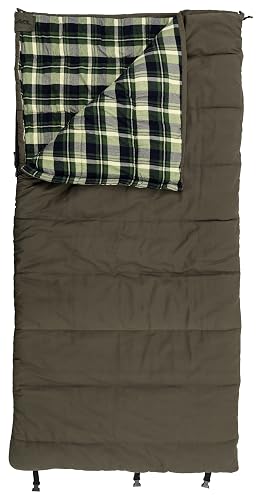
ALPS OutdoorZ Redwood -10°F Flannel Sleeping Bag
ALPS OutdoorZ Redwood -25 Sleeping Bag
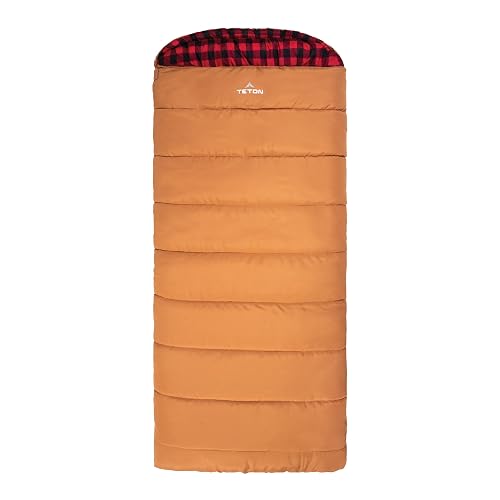
TETON Sports Deer Hunter Sleeping Bag
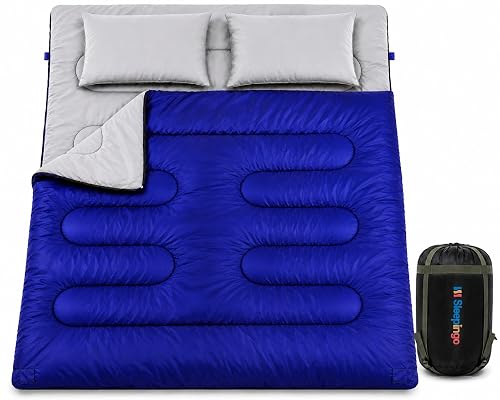
Sleepingo Double Sleeping Bag for Adults
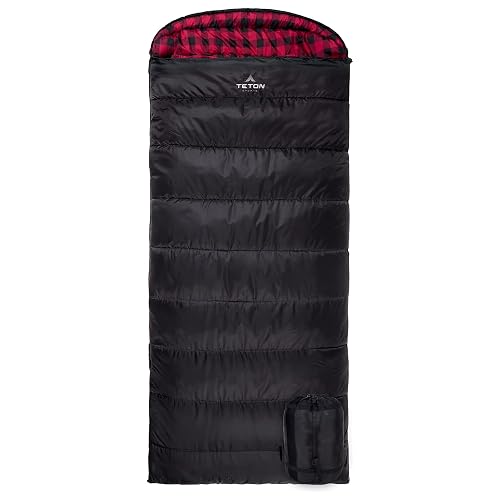
Teton Celsius XXL Sleeping Bag
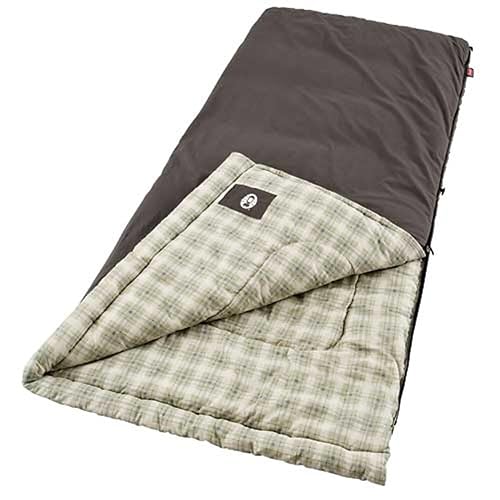
Coleman Heritage Big & Tall Flannel Sleeping Bag
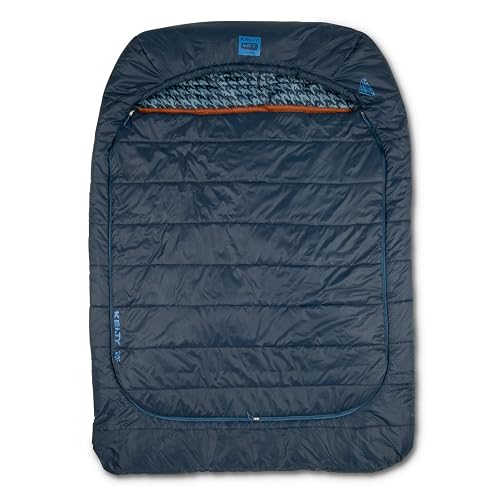
Kelty Tru.Comfort Doublewide 20 Sleeping Bag
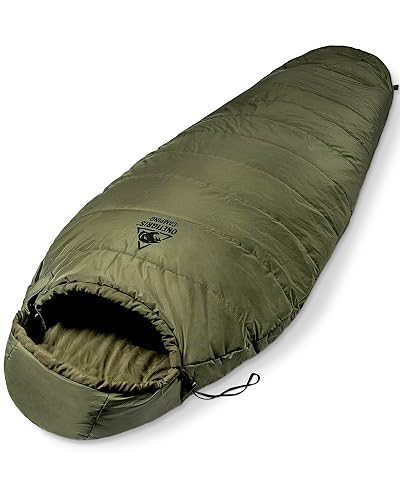
OneTigris Bushcrafter Mummy Sleeping Bag
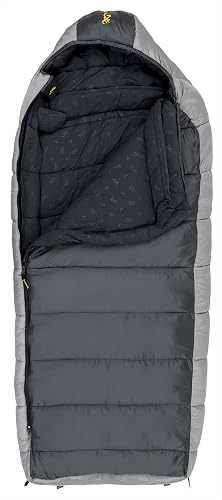
Browning McKinley 0° Sleeping Bag
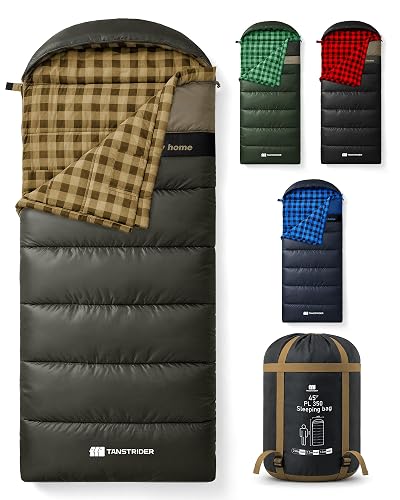
TANSTRIDER Cotton Flannel XXL Sleeping Bag
The Details Behind The Selections
The ALPS OutdoorZ Redwood -10°F is built for campers who measure cold by windchill and forecast, not by wishful thinking. The 100% cotton canvas shell shrugs off abrasion from rocky shelters, while the plaid flannel lining feels closer to a flannel sheet than a slick nylon interior. It comes in an oversized rectangular cut, which gives restless sleepers room to roll without unzipping into the night air.
Inside, the TechLoft insulation uses siliconized micro-denier fibers, which are synthetic strands with a slick coating that traps warm air in tiny lofted pockets. Heavy-duty zippers seal the deal when temperatures really drop. If you’re staying in a fixed camp with a truck or cabin nearby, the weight penalty is a non-issue.
Everyday Wins
- Cotton canvas shell handles rough shelter floors better than thin nylon
- Plush flannel lining means no cold shock when you climb in at night
- Oversized rectangular footprint lets you store water bottles inside without unzipping
- Siliconized synthetic fill keeps insulating loft even after a long storage season
- -10°F rating covers shoulder-season camping in most U.S. climates
Points To Note
- Heavy weight makes it a poor fit for long-distance backpackers
- Cotton canvas dries slowly if you get soaked in winter rain
Key Features At A Glance
Who It Suits Best
Car campers, hunters, and cabin users who drive to camp and need honest cold-weather warmth without backpacking-grade weight.
Skip It When
You’re racking up trail miles, where the Browning McKinley 0° Sleeping Bag offers a lighter ripstop build for serious backcountry miles.
The Redwood -25 is the heavier sibling in the same ALPS OutdoorZ family, aimed at campers who push into proper winter rather than shoulder seasons. TechLoft synthetic insulation is layered in to handle deeper cold, and the oversized rectangular shell keeps the interior breathable when you’re fully zipped in. Think of it as a winter-rated version of pick 1, with the trade-offs that go along with that extra warmth.
At this temperature rating, you get headroom for unexpected cold snaps, which is a real comfort on exposed ridges. Weight climbs accordingly, so this belongs in a basecamp duffel rather than a thru-hiker’s pack.
Key Advantages
- -25°F rating covers true winter camping at moderate elevations
- Synthetic TechLoft fill keeps insulating loft in damp conditions
- Spacious rectangular shape accommodates base layers and boot liners
- Heavy-duty zipper path reduces snag frustration in cold fingers
Worth Bearing In Mind
- Bulk and weight make it impractical for long-distance backpacking
- Overkill for three-season trips, costing you pack space
- Cotton-blend shells can absorb condensation in poorly ventilated tents
Made For
Late-season hunters, ice-fishing shanties, and winter basecampers who need true sub-zero capability in a roomy rectangular bag.
Look Elsewhere When
You’re planning a shoulder-season backpacking trip, where the OneTigris Bushcrafter Mummy Sleeping Bag handles three-season mileage at a fraction of the weight.
TETON Sports leans into a canvas shell and fiber fill rated for below-freezing nights, giving the Deer Hunter a distinctly rugged feel. A mummy-style hood cinches around your head for an extra thermal layer, and the poly-cotton canvas exterior shrugs off barn-floor and truck-bed abuse. For hunters and campers who drag gear through rough use, this bag earns its keep.
The hood draws heat inward, which matters more than most shoppers realize once the mercury drops into the 20s. Owners of older Deer Hunter bags commonly report them surviving a decade of seasonal use, which is a useful durability signal even if every trip is different.
Reasons It Performs
- Poly-cotton canvas shell tolerates dirt, pine needles, and grit
- Mummy hood seals in heat around the head and neck
- Fiber fill rated for below-freezing temperatures
- Established brand with a long-running product line for replacement parts and accessories
Honest Caveats
- Canvas adds noticeable weight over nylon mummy options
- Standard length may run short for campers above six feet tall
- Less compressible than pure synthetic mummy bags for tight packs
Right Fit For
Hunters, ranchers, and campers who treat their gear roughly and want a hooded mummy that handles late-season cold without fuss.
Reach For A Different Pick When
Tall sleepers want more length, where the Coleman Heritage Big & Tall Flannel Sleeping Bag offers a longer cut and machine-washable convenience.
The Sleepingo Double is a two-person queen bag built for campers who refuse to sleep shoulder-to-shoulder in two separate sacks. The waterproof shell handles dew-soaked grass and surprise rain better than many budget options, and the 87-inch length keeps two adults from fighting over foot space. It also unzips to function as a queen-size blanket for the truck bed or picnic table.
This is genuinely a different category from the rest of this list, which is part of why it earns a spot. Couples and parent-child duos get shared warmth and shared space, which often matters more than gram-counting for casual camping.
Where It Excels
- Waterproof shell resists ground moisture on wet mornings
- Queen-size footprint fits two adults without compression
- Doubles as a blanket when fully unzipped for non-sleeping uses
- Useful for truck beds, tents, and sleeping pads alike
Things To Weigh
- Bulky to pack and heavy for any real backpacking distance
- Heat distribution can feel uneven between warmer and colder sleepers
Feature Snapshot
Best Suited To
Couples and parent-child duos who car camp and want a single shared layer instead of two zipped-together mummy bags.
Swap It Out When
You want two adjustable comfort zones, where the Kelty Tru.Comfort Doublewide Sleeping Bag offers a removable top layer and built-in blankets for each sleeper.
The Teton Celsius XXL is the spacious rectangle in Teton’s cold-weather line, with a soft poly-flannel lining and a half-circle mummy hood that doubles as a pillow guard. The double-layer construction runs the fill top and bottom in offset panels, which reduces cold spots where your body presses against the ground. Two side zippers make it easier to ventilate on a warm shoulder-season night.
A compression sack ships in the box, which is a small but welcome detail for keeping gear organized between trips. For family campers, this bag also works for older kids who need cold-weather comfort without a full adult-length sack.
Benefits That Matter
- Soft poly-flannel lining feels warmer than slick taffeta on cold skin
- Offset double-layer fill reduces cold spots along the torso
- Two side zippers allow independent venting for restless sleepers
- Compression sack included for tighter storage between trips
Practical Considerations
- XXL dimensions take up significant tent floor space
- Best fit for stationary car camping rather than long hikes
Who Should Grab It
Family campers who want one rectangular bag that handles cold shoulder-season nights and occasional young kids sharing the space.
Consider Something Else When
You’re after a traditional mummy cut for backpacking, where the OneTigris Bushcrafter Mummy Sleeping Bag offers a tapered shape and lighter pack weight.
Coleman built the Heritage Big & Tall for campers who have spent too many nights with their feet pressed against the footbox of a too-short bag. The cut fits adults up to about 6’5″, and 5 pounds of Holofill 808 insulation, a hollow-fiber synthetic fill designed to trap warm air, carries the 10°F rating. The flannel lining and machine-washable shell make post-trip cleanup refreshingly simple, which matters more than spec sheets suggest.
For guest sleeping setups, hunting cabins, and big-and-tall campers, this is one of the friendliest entries on the list.
Useful Highlights
- Long cut accommodates tall campers without knee crunch
- 10°F temperature rating suits shoulder-season cold in most regions
- Machine-washable shell simplifies cleanup after dusty trips
- Flannel lining feels familiar to non-camping guests
Where It May Fall Short
- Bulky packed volume is rough for any real backpacking distance
- Heavier than tapered mummy options at similar warmth ratings
Feature Card
Whose Shelf It Belongs On
Big-and-tall campers, hunting-trip hosts, and anyone outfitting a guest bunk with a forgiving rectangular bag.
A Better Fit Elsewhere
You want a wider rectangular shape for restless sleeping, where the TANSTRIDER Cotton Flannel XXL Sleeping Bag offers even more shoulder room in a similar temperature range.
The Kelty Tru.Comfort Doublewide treats couples like adults who sleep differently. The removable top layer zips off on hot summer nights, two built-in blankets let each sleeper dial in their own warmth, and the two-way zip vents keep feet outside the bag when needed. It’s the most adjustable two-person option in this roundup, which explains its appeal to mixed-temperature couples.
The 20°F rating puts it firmly in three-season territory, so winter basecamps should look elsewhere.
Positive Takeaways
- Removable top layer adapts to warm-weather and cold-weather nights
- Two built-in blankets allow personalized comfort per sleeper
- Two-way zip vents free feet without exposing the whole bag
- Synthetic fill dries reliably in damp tent environments
A Few Limitations
- 20°F rating leaves it underbuilt for genuine winter camping
- Bulky even when packed down for transport
Perfect Match For
Couples and family campers who want two adjustable comfort zones in a single shared footprint for three-season trips.
Not Your Match When
You want a single cozy shell without built-in blankets, where the Sleepingo Double Sleeping Bag offers a simpler queen-size waterproof option.
The OneTigris Bushcrafter is the most backpacker-friendly entry on this list, aimed at travelers who count ounces and pack cubes. A 300T pongee outer shell (a tightly woven polyester that resists light moisture) covers 7 ounces of polycotton fill, giving the bag a usable comfort range around 46 to 59°F. YKK zippers are a small detail that matters when you’re elbow-deep in a cold tent.
At this temperature range, it’s a three-season workhorse rather than a winter shelter, so plan accordingly.
What It Does Well
- Lightweight build keeps pack weight manageable on long routes
- Water-repellent pongee shell handles light drizzle and morning dew
- YKK zippers resist snags in cold fingers
- Machine-washable delicate cycle simplifies trail-town laundry
Where It Is Less Suited
- Comfort range tops out around 59°F, so cold shoulder-season trips need a liner
- Polycotton fill is bulkier than premium synthetics at the same temperature
Quick Facts
Built With In Mind
Backpackers and bushcrafters who want a true mummy shape that compresses small and packs light across three-season miles.
Another Choice May Suit
You need a stationary car-camping rectangle instead, where the Teton Celsius XXL Sleeping Bag provides more interior space at the cost of packability.
The Browning McKinley sits at the cold-weather end of this list without tipping into expedition territory. TechLoft Silver synthetic insulation runs in two offset layers, which means the seams of the top and bottom don’t line up, eliminating cold lines along the torso. The ripstop outer shell (a woven fabric with reinforced threads that stop small tears from spreading) and brushed polyester lining balance durability with next-to-skin comfort.
Separating zippers let you open the bag from either side, and a compression sack ships with the bag for tighter packing between trips.
The Case For It
- 0°F rating handles sub-freezing base camping in most regions
- Offset two-layer construction reduces cold spots along the torso
- Separating zippers open from either side for easier entry
- Ripstop shell resists small tears from campfire embers and brush
Factors To Consider
- Heavier than mummy options at similar warmth ratings
- Ripstop is tough but louder than soft nylon under restless sleepers
Who Will Love This
Sub-freezing base campers and late-season hunters who want a roomy hooded rectangle without moving into expedition weight.
Where Another Pick Suits Better
You want a canvas-flannel feel for cabin use, where the ALPS OutdoorZ Redwood -10° Sleeping Bag offers a softer interior for stationary winter nights.
The TANSTRIDER XXL stretches to 90 by 39 inches, which solves the most common complaint among tall and broad-shouldered campers: the shoulder-crushing fit of standard rectangular bags. Cotton flannel lining traps heat efficiently in the 40 to 45°F range, and the waterproof outer shell handles wet grass better than untreated cotton. At 6.2 pounds, it’s firmly a car-camping option rather than a trail choice.
For apartment dwellers who want one bag that doubles as a guest bed and a camping bag, the wide footprint and machine-washable construction are appealing.
Notable Upsides
- Generous 90-inch length fits tall sleepers without foot compression
- Cotton flannel lining feels soft and warm on first contact
- Waterproof shell handles damp ground and morning dew
- Machine-washable design simplifies end-of-season cleanup
Small Caveats
- 40 to 45°F range caps true winter usability
- 6.2 lb fill weight rules out backpacking for most trips
Product At A Glance
The Right Fit
Tall sleepers, guest-bed setups, and car campers who want a wide flannel-lined rectangle for cool-but-not-frigid nights.
Wrong Turns To Avoid
You need sub-freezing capability, where the Browning McKinley 0° Sleeping Bag provides true 0°F performance in a similar rectangular shape.
Picking A Budget Bag Without Regrets
Start with the temperature rating, not the price tag. A bag rated to 30°F that you can actually afford beats a 0°F dream bag that leaves no room for a sleeping pad, shelter, and food. Temperature ratings on budget bags tend to be optimistic, so layering in a silk or fleece liner adds 10 to 15°F of usable warmth without much weight or cost. Match the bag’s shape to your sleep style: restless sleepers and side-stomach rollers do better in rectangles, while still sleepers and cold-weather backpackers benefit from the thermal efficiency of a mummy.
Next, weigh the trade-off between weight and durability. Canvas and cotton flannel feel like home but pack heavy and dry slowly when wet. Synthetic shells with ripstop reinforcement handle damp trails and accidental drops far better. For backpackers, weight under five pounds usually keeps multi-day routes sane; for car campers, weight matters less than washability and toughness.
Finally, think about the sleep system, not the bag in isolation. A warm bag on a thin pad still loses heat to the ground, so your sleeping pad R-value (a measure of insulation against ground cold) matters as much as the bag’s fill. Couples should consider double bags or zip-together compatibility before committing to a single sleeper, since two adults in separate bags usually sleep colder than one shared bag. Tall campers should specifically look at length, not just width, since most “big and tall” complaints trace back to a too-short footbox, not a too-narrow shoulder span.
What Trips Up First-Time Buyers
Common Shopping Slip Ups
The biggest mistake is chasing a low temperature rating that exceeds the climate you actually camp in. A 0°F bag on summer trips is a sweatbox, while a 40°F bag on a frosty shoulder-season night ruins the trip. Match the rating to your real forecast, and add a liner for occasional colder trips. Forgetting about length is the second pitfall: a 78-inch bag on a 6’3″ camper means cold feet and a tighter fit than the marketing photos suggest. Measure from shoulder to foot and compare to the bag’s published dimensions before checking out.
Where The Extra Money Goes
Premium bags spend the difference on lighter fabrics, higher-fill-power down (which traps more warmth per ounce), better draft collars around the neck, and tighter zipper construction. Each upgrade compounds across a trip: a one-pound weight savings on the bag often feels like five pounds on the trail, and a snug draft collar can replace an entire insulating layer. The honest read is that you should pay more when you can feel the upgrade on every trip, not when the spec sheet looks impressive in isolation. For casual weekend car camping, a well-chosen budget bag like those above delivers the most warmth per dollar.
Frequently Asked Questions
What temperature rating do I need for backpacking?
Most three-season backpacking trips in temperate regions work well with a bag rated around 20 to 30°F, which gives you headroom for unexpected cold snaps. If you regularly camp above tree line or shoulder into winter, dropping to a 0 to 15°F rating is a smarter investment than layering endlessly.
Are synthetic bags warm enough for cold nights?
Synthetic insulation has improved enough that mid-weight bags hold their own against older down models, especially in damp conditions. Synthetic fibers keep insulating even when damp and dry faster at camp, which is why budget travelers lean synthetic for shoulder-season reliability.
How heavy should a budget backpacking bag be?
A reasonable target for budget backpacking bags is around four to six pounds packed, including stuff sack. Anything heavier tends to push you toward car camping rather than multi-day routes, where ounces matter across thousands of vertical feet.
Can two adults share one sleeping bag?
Yes, and a queen-size double bag is often warmer than two separate bags because shared body heat reduces cold spots. The trade-off is that you can’t independently regulate temperature, so couples who run at different warmth levels may prefer zip-together options instead.
How do I store a budget sleeping bag between trips?
Store the bag loosely in a large breathable sack or hung over a shelf, rather than compressed in its stuff sack. Long-term compression flattens the insulation and reduces loft, which directly cuts warmth on the next trip.
Wrap Up
Your next sleeping bag should fit the trips you actually take, not the expeditions you imagine. Measure your length, check your forecast, and pick the shape that matches how you actually sleep. Any bag on this list will serve you well when matched to the right conditions, and the best one is the one you’ll actually pack without overthinking the weight.