
Carrying your kit to the cliff should feel like the easiest part of the day. The right crag pack swallows a rope, shoes, and a layer without bouncing on the approach, and it disappears once you’re tied in. This roundup lines up six options built for different styles of climbing, from alpine-grade haulers to ultralight rope tarps and bounce-free hydration vests for the run-up trail. Pick the one that matches your usual day and forget about the bag once you’re on the wall.
How The Shortlist Stacks Up
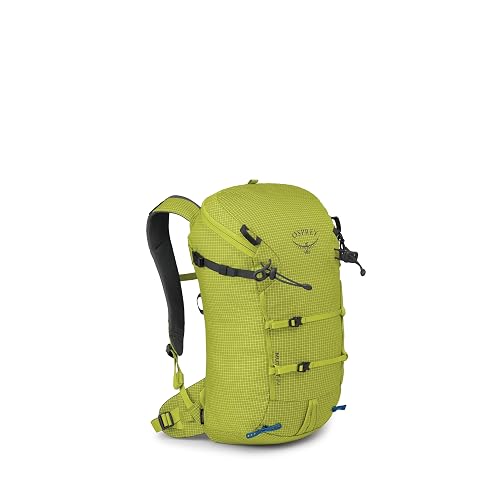
Osprey Mutant 22L Climbing Backpack (Green OS)

Osprey Mutant 52L Climbing Backpack (Blue M-L)
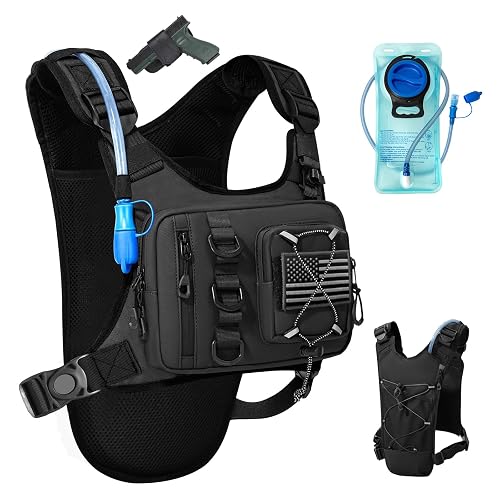
Criuage Outdoor Hydration Vest 2.0L Bladder

TRANGO Cord Trapper Rope Tarp 4 x 5ft
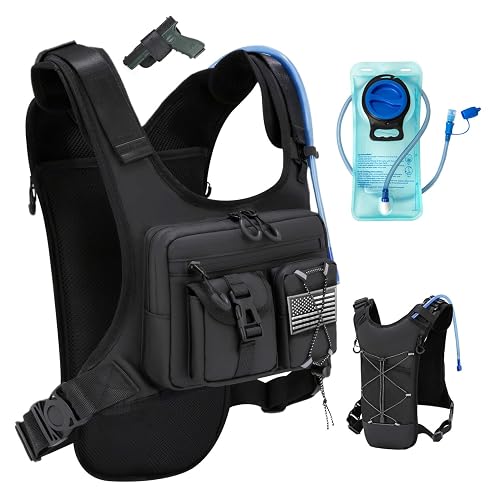
Criuage Running Hydration Vest 2.0L Bladder
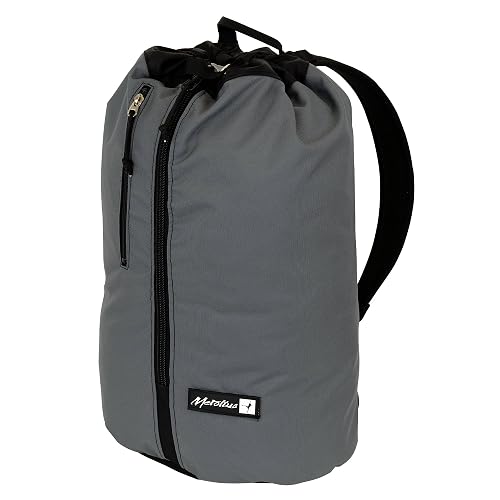
Metolius Speedster Rope Bag (Storm)
A Breakdown Of The Leading Choices
The Mutant 22 sits in that sweet spot where a pack is small enough to disappear on a hard single-pitch day but still swallows a rope, harness, shoes, and a shell. Compared with the bigger Mutant 52 reviewed below, this one trades interior room for a tighter alpine profile that doesn’t throw you off balance on technical approaches.
For climbers ticking classic routes or pushing fast through a long sport day, the stripped-down silhouette means less fabric to flap and less weight to swing. The build feels dialed for done-in-a-day missions where every ounce shows up on the wall.
What Pays Off
- Compact 22L capacity holds the essentials for a single-pitch or short alpine push without bulking out the silhouette.
- Climbing-specific profile keeps the load close to your back, which matters when you’re scrambling through talus or third-class terrain.
- Light enough that most climbers won’t notice it on the approach, a real benefit after a long hike-in.
- Backed by the same Osprey ecosystem as the larger Mutant 52, so spare parts and accessory compatibility stay familiar.
Things To Consider
- 22L gets tight fast if you’re bringing a second layer, a rack for a long route, and lunch all at once.
- Specialized alpine shapes don’t double well as a grocery hauler or airport carry-on.
- Owners commonly report that lighter alpine fabrics need a careful touch around sharp rock edges.
Who It Suits Best
Single-pitch and fast-and-light alpine climbers who already know exactly what gear they’re bringing and want minimal bulk.
Look Elsewhere When
The Osprey Mutant 52L Climbing Backpack (Blue M-L) is the better pick for multi-day objectives or anyone who needs to pack more rack, layers, and overnight kit.
Step up from the 22L and you land at the 52L, a pack built for committing alpine objectives where you carry rope, rack, layers, bivy gear, and food. Compared with the smaller Mutant 22, this one adds the capacity and harness features that show up on multi-day rock and ice missions.
The M-L sizing works for most average-height climbers, and the mountaineering-tuned build helps the pack handle heavier loads without falling apart on day two of a push. Expect a more structured carry than you’d get from a generic trekking pack of the same volume.
The Helpful Details
- Generous 52L capacity leaves room for a rope, hardware, extra layers, and overnight kit in one bag.
- Mountaineering-specific construction helps the pack carry real weight on long approaches.
- M-L torso fit suits the majority of climbers without a custom fitting appointment.
- Shares the same load-handling design language as the 22L, so the two packs feel related if you rotate between fast days and big ones.
Trade Offs
- 52L is overkill for sport climbers who only carry a small rack and a single rope.
- Heavier and bulkier than the 22L, which adds up on technical ground where you want a tight pack.
- Larger alpine packs tend to drink water on long hot approaches, so a hydration sleeve matters more here than on smaller bags.
Quick Facts
Made For
Alpine climbers tackling multi-day rock and ice objectives who need real carrying capacity and a structured mountaineering harness.
Consider Something Else When
The Osprey Mutant 22L Climbing Backpack (Green OS) suits you better for single-pitch and fast done-in-a-day missions where less is more.
Not every crag trip starts with a drive-up parking lot. The Criuage hydration vest earns its spot here for climbers who jog, bike, or hike-run to the wall, where bouncing water kills momentum and a full-size alpine pack feels absurd. Compared with the bigger climbing packs on this list, this one trades load capacity for a snug, bounce-free chest rig with a 2L bladder built in.
The vest format keeps weight on your front rather than swinging off your back, which matters on the run-up trail or the long trek-in to a remote wall. Once you arrive, the pack carries snacks, a layer, and your essentials without dragging you down on the route itself.
Standout Benefits
- 2L hydration bladder means real water capacity for hot-weather runs and long approach hikes.
- Bounce-free chest design keeps the load steady at running pace, a clear upgrade over loose backpack straps.
- Lightweight vest format is way easier to wear for hours than a traditional pack.
- Works for running, hiking, cycling, and trekking, so one piece of kit crosses multiple activities.
Honest Caveats
- Small vest pockets won’t swallow a rope, harness, and shoes for an actual crag day.
- Hydration bladders need regular cleaning and drying, and skipping that step tends to invite mildew and taste issues.
- Some climbers find chest-strap tension awkward when paired with a climbing harness on the approach.
Best Suited To
Climbers with long or steep approaches who cover ground on foot or by bike and want water, snacks, and a layer without the bulk.
Skip It When
The Criuage Running Hydration Vest Backpack (Item 5) is a sensible alternative if you want wider mesh shoulder straps and a more adjustable fit for race-style distance days.
Sometimes a “pack” is really just a tarp. The TRANGO Cord Trapper is built for climbers who already carry a backpack and don’t want a dedicated rope bag eating space inside it. Compared with the Metolius Speedster later on this list, the Cord Trapper strips out the bag entirely and gives you a flat 4 x 5ft tarp with tie-off points instead.
The trade shows up in everyday use: you fold your rope, secure it with a single strap, and slide the whole thing into your pack. There’s nothing to wear out, nothing to clip awkwardly to the outside, and one fewer piece of kit to forget at the crag.
Points In Its Favor
- Lightweight tarp-only design drops the bulk of a traditional rope bag while keeping rope clean and flake-able.
- Two tie-off points keep rope ends visible, which matters more than people expect on a windy belay ledge.
- Single-strap closure is simple, fast, and one less thing to mess with at the end of a long day.
- Designed to slide into TRANGO’s Crag Pack 2.0, so it plays well with pack systems built around it.
Points To Note
- Not a stand-alone carrier: you still need a backpack to actually haul your rope, gear, and water.
- 4 x 5ft of tarp is sized for typical sport and trad ropes, and gets tight on a 70m+ line stacked with shoes and harness.
- Owners commonly note that bare tarps pick up dirt faster than a closed rope bag with a floor.
Who Will Love This
Climbers who already own a backpack and want a minimal, light rope-management layer instead of a full rope bag.
A Better Fit Elsewhere
The Metolius Speedster Rope Bag (Storm) is the stronger match for climbers who want a self-contained rope bag with padded straps and don’t mind the extra bulk.
The sibling to the earlier Criuage hydration vest, this version leans harder into the running-hydration angle with adjustable straps and wide mesh shoulder pads. Where Item 3 focuses on a chest-style bounce-free fit, this one spreads comfort across the shoulders with a wider, padded mesh surface.
The 2L bladder is the same capacity you’ll see across most running vests, which is enough for a couple of hours of steady effort in moderate heat. For climbers running long approach trails or training through summer, the broader strap contact can be the difference between a vest you forget about and one that nags your shoulders the whole way.
Practical Pluses
- Wide mesh shoulder pads help spread the load across a bigger contact area than slimmer vest straps.
- Adjustable chest and side straps let you tune fit to your torso, useful when layering changes through the seasons.
- Lightweight build keeps overall weight low, which matters on long runs and steep hikes.
- Cross-discipline use covers hiking, running, cycling, and race day in a single piece of kit.
Minor Gripes
- Same limitation as any hydration vest: pockets are too small for rope, rack, and shoes.
- Hydration bladder tubes sometimes need repositioning on the fly, and a careless bite on the bite valve can leak.
- Frequent runners commonly report that bladder seams and bite valves deserve an occasional inspection to avoid surprises mid-route.
Feature Snapshot
The Right Fit
Runners and hikers covering long distances who want a tuned, adjustable hydration rig with shoulder-friendly mesh pads.
Not Your Match When
The Criuage Outdoor Hydration Vest (Item 3) makes more sense for climbers who prefer a chest-focused bounce-free fit over a shoulder-focused one.
The Speedster has been a familiar sight at sport crags for years, and for good reason. It’s a self-contained rope bag with enough room for a 70m rope, shoes, harness, and a small rack of quickdraws. Compared with the TRANGO Cord Trapper earlier in this list, the Speedster adds padded shoulder straps and a real tarp-with-floor, so you can carry it like a pack and flake straight onto clean fabric at the cliff.
The Storm colorway is just a cosmetic variant, but the design itself targets the climber who shows up, hikes a short approach, and wants one bag that handles everything from rope management to the walk back to the car.
Noteworthy Benefits
- Large easy-load tarp protects your rope from dirt, grit, and trail dust on the way to the cliff.
- Padded shoulder straps allow pack-style carrying, so you can skip a backpack on short approaches.
- Spacious enough for a 70m rope plus shoes, harness, and a small rack of quickdraws.
- One-piece design means fewer items to forget on the tailgate at the end of the day.
Worth Bearing In Mind
- Bigger and bulkier than a tarp-only solution, which gets old on longer approaches or full-value alpine days.
- Carrying shoes, harness, draws, and a rope in one bag pushes the weight up, and the shoulder straps are basic compared with a real backpack.
- Tarp fabric is durable but commonly scuffs at the corners after seasons of dragging across rough rock.
Built With In Mind
Sport climbers and trad pairs heading to a single-pitch crag with a short approach who want one bag that covers rope, gear, and carry.
Another Choice May Suit
The TRANGO Cord Trapper Rope Tarp works better for climbers already carrying a backpack and who want the lightest possible rope-management layer.
Getting The Right Fit For Your Climbing Style
Pack volume is the first decision, and it tracks closely with the kind of day you’re planning. Single-pitch sport sessions and quick-hit alpine routes usually fit inside 20 to 30 liters: a rope, harness, shoes, quickdraws, and a layer. Multi-day alpine objectives push you into the 40 to 55 liter range where you need room for overnight kit, extra layers, and food. Going much larger than your day demands adds weight and swing, which shows up fast on steep ground.
Fit and suspension matter more than fabric specs. A pack that pulls away from your back on the approach will be the same pack that drags you off balance on a third-class scramble. Torso length, hip-belt contact, and load-lifter tension are where comfort comes from, and trying a loaded pack on before committing tends to surface issues that spec sheets won’t. For hydration-only days, a vest-style pack spreads weight differently, and chest-strap placement makes the difference between a rig you forget and one that nags your shoulders the whole way.
Rope management deserves its own moment. A dedicated rope bag like the Speedster or a tarp-based system like the Cord Trapper both keep your rope clean, but they solve the problem in different ways. Bag systems add bulk and straps; tarp systems need a separate backpack to actually carry everything. Pick the approach that matches your existing kit rather than forcing a new one.
Finally, match the pack to your access. A 10-minute walk-up crag and a 90-minute approach hike are different problems, and the right crag pack changes when the trail length changes.
Picking Smart Across These Options
Where Shoppers Go Wrong
The most common mistake is buying capacity for a fantasy day rather than a typical one. Many climbers size up for the biggest route they’ll ever do and then carry an empty cavern of pack on every other session. A better move is matching volume to the day you do most often, then renting or borrowing a bigger pack for the rare push.
Another trap is treating “climbing pack” as one category. Rope bags, alpine haulers, and hydration vests solve completely different problems, and the wrong choice tends to feel wrong on the very first approach. Decide whether you need a rope carrier, a load hauler, or a hydration rig before you start comparing brands.
When Paying More Pays Off
Higher-tier packs earn their price through carry comfort, abrasion-resistant fabrics, and harness systems that survive years of sharp rock. Where you actually feel the difference is in hip belts, frame sheets, and the stitching on stress points. If you log dozens of days a year on rough approaches or alpine rock, those upgrades tend to outlast cheaper alternatives and save you the cost of a replacement mid-season.
Frequently Asked Questions
What size crag pack do most climbers actually need?
Most climbers settle into the 22 to 35 liter range for typical single-pitch and short alpine days, since that volume covers a rope, harness, shoes, draws, water, and a layer without forcing you to leave essentials behind.
Can a hydration vest replace a crag pack?
Not for full climbing days. A hydration vest covers water, snacks, and a shell, but it doesn’t swallow a rope, harness, and shoes the way a real climbing pack does.
Do rope bags matter on short sport sessions?
A rope bag or tarp keeps your rope clean and makes flaking faster, which matters even on short sessions at dusty or busy crags where grit and tangled ropes eat into your day.
How do I clean a hydration bladder?
Most bladders can be hand-washed with warm water and a mild soap, then hung open to dry fully. Skipping the drying step is the most common cause of mildew and off-tasting water.
Are climbing-specific packs worth the cost over regular daypacks?
For climbers who carry loads on rough ground, the difference shows up in carry comfort, harness compatibility, and abrasion resistance, which is why dedicated climbing packs tend to outlast generic daypacks in this category.
Closing Thoughts
Your crag pack should quietly disappear on the approach and stay out of the way on the route. Match capacity to the day, choose a rope-management setup that fits your existing kit, and lean toward a harness system that holds the load close to your back. The right bag will let you forget about the bag, which is the highest praise any of these picks can earn.