
A lighter pack changes everything on the trail. Less weight on your shoulders means longer miles, steadier footing, and more energy for the descent. Whether you’re chasing summits, logging day hikes, or squeezing one more bag into a carry-on, the right lightweight hiking pack disappears on your back so the path stays front and center.
A Quick View Of The Lineup
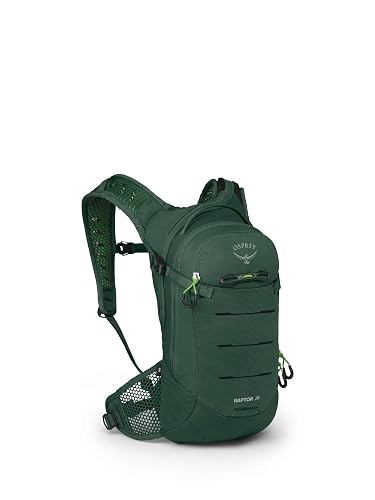
Osprey Raptor Jr Mountain Bike Hydration Pack
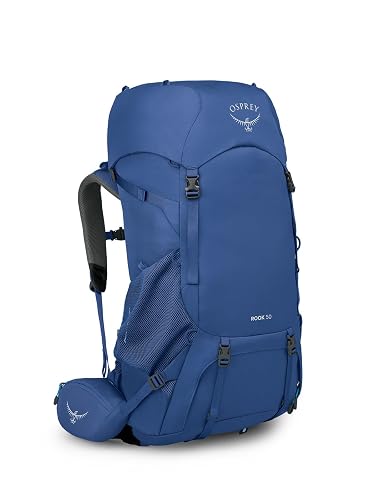
Osprey Rook 50L Men’s Backpacking Backpack
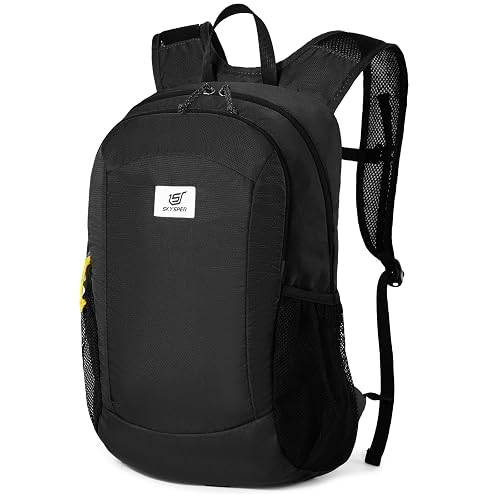
SKYSPER Ultralight RFID Travel Daypack 16L
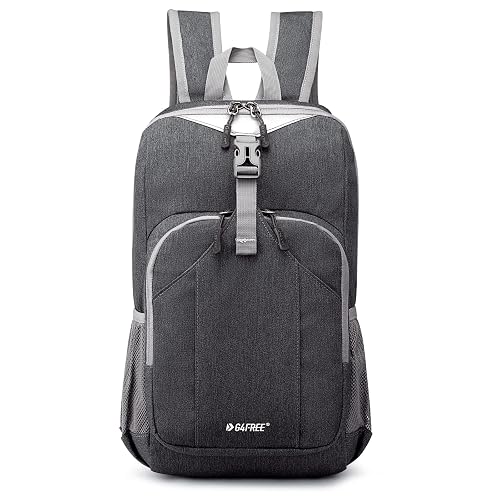
G4Free Mini 10L Hiking Daypack (Dark Grey)
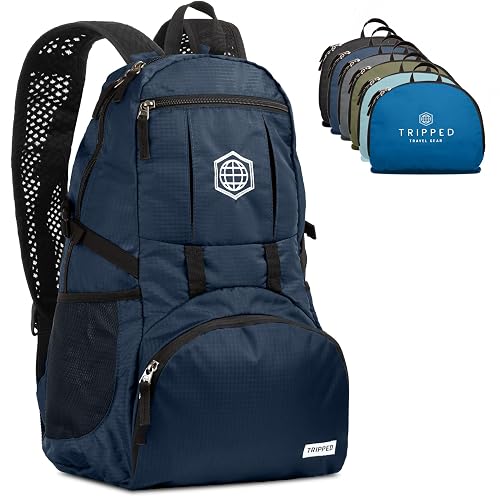
TRIPPED Travel Gear 35L Packable Backpack

YETI Crossroads Backpack
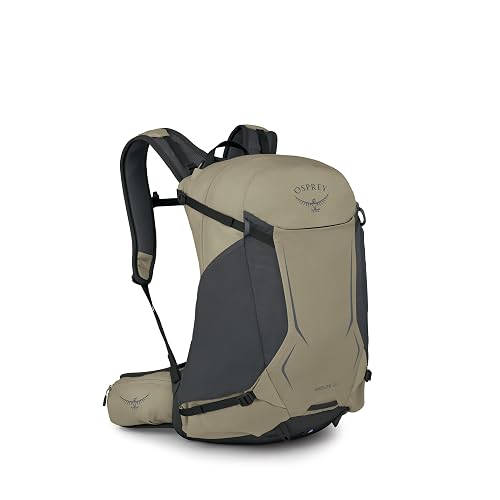
Osprey Hikelite 28L Hiking Backpack (Tan)
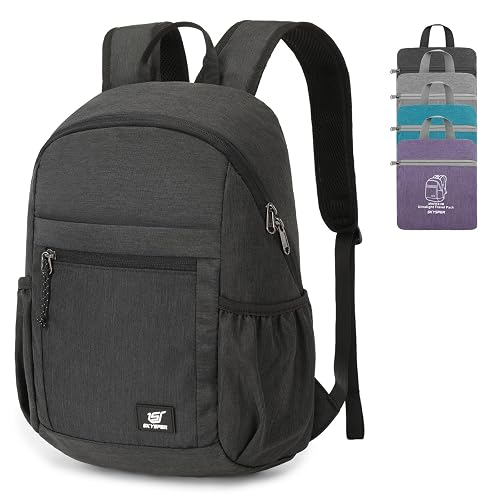
SKYSPER Anti Theft RFID Packable Hiking Backpack 18L
A Deeper Look At The Lineup
Built for younger riders getting hooked on trail time, the Raptor Jr leans into Osprey’s mountain-bike heritage at a torso size that actually fits a child. The included 1.5-liter reservoir keeps water within reach, and the bag carries extra gear without shifting mid-ride.
Internal tool organization gives young riders a real place for multi-tools and spare tubes instead of a loose pile rattling around the cargo area. The upper compression straps also double as a carry system for a full-face helmet, which matters on aggressive trails where kids sometimes shed protection at the top before walking descents.
Reasons It Performs
- 1.5-liter reservoir included, so no extra purchase to get trail-ready
- Helmet-carry straps free up hand space on climbs and descents
- Internal tool organization keeps repair gear sorted and accessible
- Front shove-it pocket for quick-stash layers or snacks mid-loop
Things To Consider
- Capacity skews toward cycling, not all-day hiking, so plan accordingly
- Children grow fast; sizing that fits today may need adjusting next season
Made For
Young mountain bikers on singletrack who need water, tools, and helmet carry in one compact setup.
Where Another Pick Suits Better
For older kids hiking longer miles, the Osprey Hikelite 28L gives more trail-oriented capacity and back ventilation.
Where the SKYSPER and G4Free on this list aim for short, nimble days, the Rook 50L steps into multi-day territory. It’s the kind of pack that handles a shelter, sleeping bag, food, and layers without a fight, and the straightforward feature set means first-time backpackers won’t drown in straps.
The AirSpeed suspension uses a tensioned mesh backpanel that holds the load slightly off your back, helping sweat evaporate on warm climbs. A built-in raincover lives in its own pocket, so a sudden squall won’t catch you digging through your gear for a pack cover at the trailhead.
Everyday Advantages
- 50-liter capacity swallows weekend-loads without forcing creative packing
- Injection-molded ladder lock torso adjustment dials in fit precisely
- Integrated raincover deploys fast when weather rolls in
- Carries sleeping pads, tents, and food without the frame buckling under load
Honest Caveats
- 50L reads compact to thru-hikers used to 65L+ packs, so winter loads may feel tight
- Heavier than the daypack-focused picks earlier in this list
Feature Snapshot
Right Fit For
New and intermediate backpackers stepping up from day hikes into overnight trips who want a forgiving, well-ventilated pack.
Look Elsewhere When
Day hikers carrying only water and a layer will find the Osprey Hikelite 28L a far better match, since 50L feels oversized for a single-park loop.
This is the pack that lives in your suitcase. The 16L SKYSPER stuffs down into its own pouch and weighs almost nothing on the scale, which makes it a natural second bag for trips where you want a daytime carry without dragging your main luggage around.
RFID-shielded pockets, materials that block the standard 13.56 MHz and 125 kHz scanner frequencies used by most contactless cards, sit inside the main compartment, so passports and credit cards stay safer in airports and metro stations. Nylon construction keeps the bag light, and the thin fabric compresses neatly when empty.
Advantages To Know
- RFID-shielded pocket blocks common contactless scan frequencies for cards and passports
- Folds into a stuff sack roughly the size of a water bottle for carry-on storage
- 16L capacity fits a light jacket, snacks, a water bottle, and a guidebook with room to spare
Worth Noting
- No rigid frame or hipbelt, so it carries awkwardly past about 2 kg of load
- Thin nylon feels technical in a windstorm but can snag on rough branches
Who It Suits Best
Travelers bouncing between cities and short hikes who want a packable day bag with light security features built in.
A Better Fit Elsewhere
Trail-focused day hikers logging real elevation gain will be happier in the Osprey Hikelite 28L, which has the back ventilation and hipbelt this SKYSPER skips.
At roughly 10 liters, the G4Free Mini sits firmly in the “essentials only” category. Think water bottle, windshell, snacks, phone, and a foldable tote clipped to the outside for unexpected finds. It disappears against the back, which is the entire point of a minimalist daypack.
Water-resistant polyester (treated to slow light rain, though a downpour will still soak through) keeps gear from getting damp on dewy morning walks, and SBS zippers handle the constant on-off use that daypacks see. The reinforced seams handle the friction of a hip belt strap and the weight of a packed lunch without pulling apart.
Why It Works Well
- Compact 10L size feels invisible on quick trail loops
- Multiple pockets organize phone, keys, and snacks without a rummage
- Light polyester body sheds light drizzle and trail dust
Trade Offs
- Too small for full-day hikes that need extra layers and a packed lunch
- Basic shoulder straps lack the padding longer miles typically call for
Quick Facts
Built With In Mind
Quick-loop hikers, casual walkers, and cyclists who want a featherweight pack for an hour or two outside.
Consider Something Else When
Anyone planning a full-day summit push should reach for the Osprey Hikelite 28L, since 10L will run out of room fast.
The 35L TRIPPED splits the difference between the SKYSPER daypack and the larger Osprey Rook. It packs down small enough to live in a duffel, but opens up enough to carry a change of clothes, a laptop sleeve, and trail-day layers in one go.
Its selling point is exactly what the name suggests: all-day comfort on the road. Light internal padding, breathable backpanel mesh, and contoured shoulder straps take the edge off hours of walking with a load. Owners commonly report tossing it into a checked bag for trips and using it as their primary daypack on arrival.
What Earns Its Place
- 35L capacity swallows travel-day essentials without bulging at the seams
- Padded straps and breathable mesh backpanel reduce shoulder fatigue on long walks
- Packs into itself for storage inside larger luggage
Points To Note
- No rigid frame, so heavier loads (camera gear, books) tend to pull the pack backward
- Limited exterior daisy chain for clipping trekking poles or helmets
Whose Shelf It Belongs On
Frequent travelers and digital nomads who want one bag to bridge transit days and sightseeing without switching packs.
Swap It Out When
Backcountry hikers will find the Osprey Rook 50L a more capable pick, since it carries overnight loads without the fabric sagging.
YETI brings its cooler-grade durability philosophy to a backpack, and the Crossroads leans into that reputation. The clamshell opening splits wide like a suitcase, so packing and unpacking stay orderly instead of turning into a top-loader dig-fest.
There’s a pass-through panel that slides over roller-luggage handles, a quiet luxury on long airport walks. The 35L body carries a day’s worth of work kit plus a packed lunch and a layer with room left over for a thermos, which slots neatly into YETI’s wider bottle ecosystem.
Noteworthy Benefits
- 180-degree clamshell opening makes packing as easy as a small suitcase
- Luggage pass-through panel simplifies rolling through terminals
- Tough exterior fabric shrugs off scuffs from overhead bins and truck beds
Soft Spots
- Heavier than the packable picks earlier in this list, so it’s not the best airline weight saver
- Less trail-focused padding than hiking-specific bags for rough terrain
Best Suited To
Organized commuters and hybrid work-travel folks who want suitcase-style packing in backpack form.
Another Choice May Suit
Trail-first day hikers should look at the Osprey Hikelite 28L, which prioritizes ventilation and load balance over clamshell organization.
The Hikelite 28 is Osprey’s answer to people who want one pack that handles dawn-to-dusk day hikes without breaking a sweat. The AirSpeed tensioned mesh backpanel creates a channel of air between the pack and your back, which makes a real difference on the long, exposed climbs where most daypacks turn into a personal sauna.
Panel-loading access means you can reach a packed lunch or rain shell without unpacking the entire bag, and the integrated raincover lives tucked at the bottom for fast deployment when weather rolls over a ridge. A padded hipbelt with two pockets handles trail snacks and a phone without bouncing around.
What Helps Most
- AirSpeed mesh backpanel keeps air moving under load on warm climbs
- Panel-loading main compartment simplifies mid-hike access to layers and food
- Built-in raincover deploys from a dedicated pocket when weather rolls in
- Padded hipbelt pockets keep snacks and phone within easy reach
Less-Strong Areas
- 28L feels tight for cold-weather hikes needing bulky insulation layers
- Lighter build than the larger Osprey Rook 50L, so overloading it strains the suspension
Technical Highlights
Who Should Grab It
Long-distance day hikers who carry 2-3 liters of water, food, and extra layers and care about back ventilation.
Not Your Match When
Anyone heading out on a multi-day trip will need the Osprey Rook 50L, since 28L can’t hold overnight shelter and food.
Where the 16L SKYSPER earlier in the list keeps things simple, the 18L anti-theft model layers in real security hardware. A lockable main zipper, a hidden back-panel pocket that sits flat against your body, and an RFID-shielded middle pocket make this a strong fit for crowded metros and tourist zones.
The bag still folds into itself for storage, so it works as a one-bag-travel companion. Light nylon keeps the carry comfortable, and the slightly larger 18L body swallows a light jacket plus a guidebook where the smaller SKYSPER might feel pinched.
The Good Stuff
- Lockable main zipper deters quick-grab theft in crowded areas
- Hidden back-panel pocket keeps passports and cash against the body
- RFID-shielded middle pocket blocks common contactless scan frequencies
- Packs into its own stuff sack for suitcase storage between trips
Potential Drawbacks
- More structure than ultralight picks, so it weighs a touch more in the hand
- Security features matter less on quiet trails, making them overkill for some hikers
At A Glance
Perfect Match For
City walkers, tourists, and travelers in busy urban environments who want daypack convenience with theft deterrence built in.
Reach For A Different Pick When
Backcountry hikers will be happier with the Osprey Hikelite 28L, which trades anti-theft hardware for trail-focused back ventilation.
Choosing A Pack That Fits Your Trail Style
Capacity And Trip Length
The fastest way to overbuy is to ignore trip length. A 10L daypack is plenty for a one-hour loop with water and a snack, but it starves a long summit day that demands layers, food, and rain gear. The 28L Hikelite handles the long-day category well, while 50L opens up overnight trips. Capacity should match your longest realistic outing, not your most ambitious dream trip.
Suspension And Fit
Suspension refers to the frame and backpanel system that holds the load off your back. Tensioned mesh designs, like the AirSpeed panels on the Osprey packs in this list, create airflow channels that beat solid foam backs on warm climbs. Torso adjustment matters too: a pack that doesn’t reach the right spot on your spine will drag on your shoulders no matter how light the load.
Packable Vs Trail-Ready
Packable nylon bags like the SKYSPER and TRIPPED models trade structure for compressibility. They shine as secondary bags inside luggage but feel underbuilt for trail loads above 3 kg. Dedicated hiking packs like the Osprey Hikelite 28L and Rook 50L carry weight better because they have frames, hipbelts, and load-lifter straps designed to transfer pounds to the hips.
Weight And Materials
Lightweight construction comes from thin fabrics and minimal hardware. That keeps the empty pack weight down, but thinner fabrics snag more easily on rough brush and don’t shrug off abrasion as well as heavier denier (the unit that measures fabric thread thickness; higher numbers mean tougher material) nylon. For trail use, look for reinforced bottoms and bartack stitching at stress points, those tight, reinforced seams that keep straps from ripping free under load.
Mistakes Worth Dodging And Where The Extra Spend Pays Off
Common Slip Ups To Avoid
Buying capacity you won’t use is one of the most common traps. A 50L pack on a day hike bounces against your back and forces you to overpack to fill it. The other classic mistake is ignoring torso fit: shoulder straps that sit too low dig into your armpits within an hour. Measure your torso length against the pack’s range before committing, and load the pack with realistic weight before heading out.
What The Higher Tier Buys
Premium packs typically add tougher fabrics, more refined suspension, and longer warranties. The Osprey Rook 50L and Hikelite 28L cost more than basic daypacks because their mesh backpanels, integrated raincovers, and load-balancing hipbelts hold up over years of use. For hikers logging weekly miles, the upgrade pays off in comfort and durability; for occasional walkers, a simpler pack may do the job just fine.
Frequently Asked Questions
What size lightweight hiking pack do I really need?
Capacity should match your longest trip, not your average one. A 10-20L pack handles quick hikes, 25-35L covers full-day outings with layers and food, and 45-55L opens up overnight backpacking.
Are packable daypacks strong enough for hiking?
Packable nylon bags work well for light loads under 3 kg on easy terrain. For heavier gear or rough trails, a pack with a frame and hipbelt distributes weight better and resists sagging.
How important is back ventilation?
Back ventilation matters more than most shoppers expect. Tensioned mesh backpanels let air circulate under the pack, which reduces sweat buildup on warm climbs and long descents.
Do I need a raincover on my hiking pack?
A raincover or waterproof pack liner (a separate dry bag that sits inside the pack to keep contents dry) protects gear from sudden showers. Many hiking packs include an integrated raincover stored in a dedicated pocket, which deploys quickly when weather shifts.
Are RFID-blocking pockets actually useful?
RFID-blocking pockets add a layer of defense in crowded transit areas where contactless card scanning is a real risk. For trail use in remote areas, the feature is helpful but less critical than on busy city streets.
Wrap Up
The best lightweight hiking pack is the one that matches the trail you actually walk. Quick-loop hikers will love the G4Free Mini, weekend backpackers will lean toward the Osprey Rook 50L, and travelers bouncing between airports and trails will appreciate the packable SKYSPER or TRIPPED bags. Match the pack to the trip, dial in the fit, and the weight on your back fades into the background so the trail can take the spotlight.