
Wet gear, soggy laptops, and a soaked lunch ruin a good outing fast. You need a pack that shrugs off rain without dragging you down across long miles. This roundup rounds up eight of the most dependable lightweight waterproof backpacks across hiking, commuting, and travel categories, with clear notes on fit, capacity, and where each one truly earns its place.
The Leading Options At A Glance
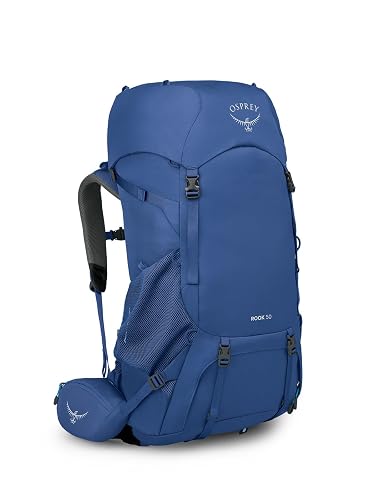
Osprey Rook 50L Backpacking Backpack (Blue)
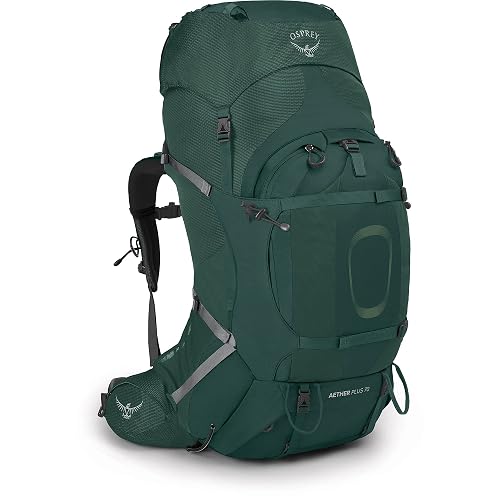
Osprey Aether Plus 70L Backpacking Backpack (Green)
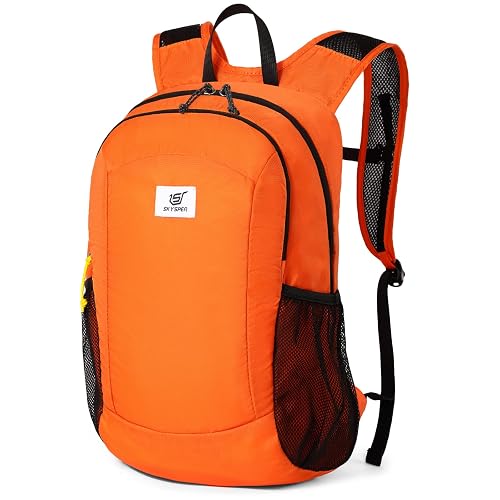
SKYSPER RFID Travel Daypack 16L
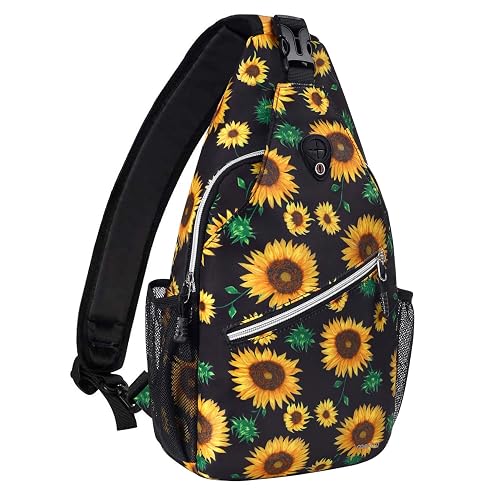
MOSISO Crossbody Sling Travel Daypack
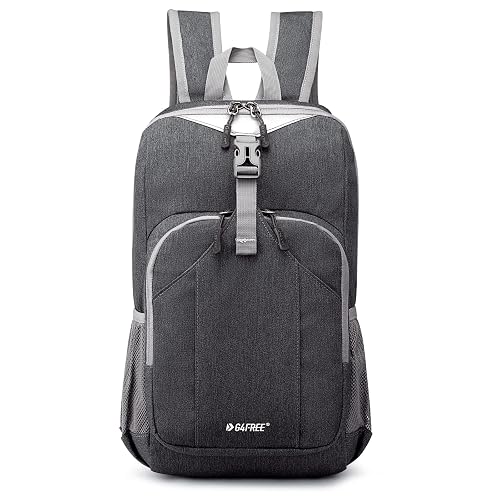
G4Free Mini 10L Hiking Daypack (Dark Grey)

YETI Crossroads 35L Backpack
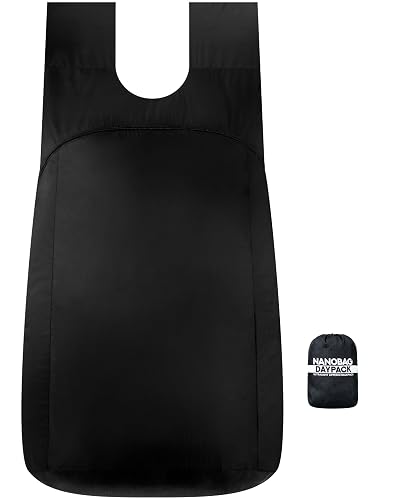
Nanobag Daypack 16L Packable Travel Backpack
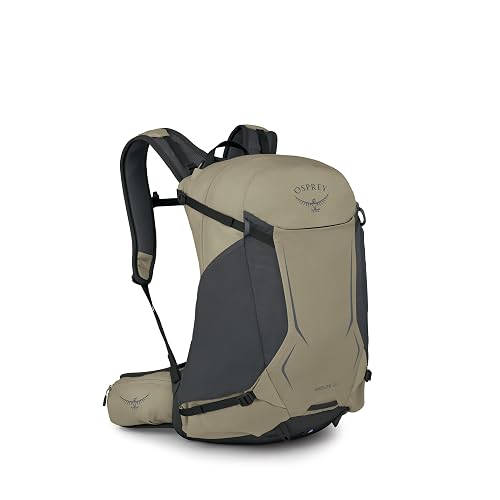
Osprey Hikelite 28L Hiking Backpack (Tan)
Taking A Closer Look At The Options
The Osprey Rook 50L lands in that comfortable middle ground where most beginner backpackers live: serious enough for a 3-to-4-day trip, simple enough that you won’t spend an evening decoding straps. Osprey has long anchored its lineup around an adjustable AirSpeed suspension (a tensioned mesh back panel that lifts the load off your spine) and the Rook carries that DNA forward, which means hot summer climbs won’t punish your back the way a slab-of-foam pack will.
An integrated raincover lives on board, so a surprise downpour won’t send you scrambling for a trash bag. Compared to the bigger Aether Plus 70L below, the Rook is friendlier for shorter trips where you’d rather skip the custom fitting process. For most first-time buyers heading into the backcountry, this is the safe, sensible starting point.
Advantages To Know
- Adjustable torso fit means one pack can grow with you across multiple seasons and trip lengths.
- Built-in raincover protects your sleeping bag and layers during wet shoulder-season trips.
- Bluesign certification signals responsible material sourcing, useful if sustainability matters in your choice.
- 50L swallows a full weekend’s kit including a tent and pad, reducing the need for a second carry.
Points To Note
- The straightforward feature set skips the modular add-ons heavier trekkers may want on long routes.
Key Specs
Whose Shelf It Belongs On
The Rook suits weekend backpackers heading into mild weather who want a forgiving fit dial and reliable weather coverage without a learning curve.
Look Elsewhere When
Grab the Osprey Aether Plus 70L instead if your trips stretch beyond four days or routinely push past 35 pounds of gear.
Where the Rook is a training pack, the Aether Plus 70L is the long-haul workhorse. Seventy liters of storage is the threshold most expedition planners treat as a baseline for a week-plus in the backcountry, and Osprey’s Fit-on-the-Fly system lets you tune both the hipbelt and shoulder straps while the pack is on your body, a real luxury when you’re chasing comfort across a 30-mile day.
The removable top lid converts into a daypack for side hikes from basecamp, which trims the amount of gear you carry on rest days. Against the Hikelite 28L further down the list, this one targets users who think in weeks rather than hours. You may find the harness overkill for a city commute, but on a real trail with real weight, it earns every ounce.
Features That Help
- Custom Fit-on-the-Fly hipbelt and shoulder strap adjustment lets you dial in support mid-hike as layers add weight.
- Convertible top lid gives you a 20-ish-liter daypack for free, useful for summit pushes and supply runs.
- 70L main compartment handles a full winter expedition including a bulky -20°C bag and four-season shelter.
- Included raincover keeps multi-day gear dry through extended storms.
- Stable load carry keeps heavy hauls from pitching you sideways on uneven terrain.
Trade-Offs To Consider
- Empty weight runs heavier than ultralight packs, so fast-and-light hikers may find it overkill.
- 70L is excessive for quick overnighters and feels bulky on regional flights.
- Premium suspension complexity means more adjustment knobs to learn before your first trip.
Made For
Multi-day trekkers and gear-heavy backpackers who carry bulky cold-weather equipment and want a pack that disappears under load.
Consider Something Else When
Choose the Osprey Hikelite 28L instead when your trips rarely exceed a single day and you value breathability over capacity.
The SKYSPER 16L folds down into a pouch you can forget about at the bottom of a carry-on, then pops open into a daypack for that layover city sprint. The standout feature is RFID-blocking fabric in the security pocket, which uses a shielding weave to block 13.56 MHz and 125 kHz scanners, the frequencies behind most contactless credit cards and passports. Crowded metro gates and tourist markets are exactly where skim readers tend to lurk.
Compared to the heavier Osprey Rook, this thing is barely there. The nylon shell handles drizzle and brief downpours but isn’t a substitute for a true waterproof shell in heavy rain. Frequent flyers who want backup capacity without committing to a second checked bag will find it genuinely useful.
A Few Strong Suits
- RFID-blocking pocket adds a layer of digital theft protection in airports and transit hubs.
- Packs into its own stuff sack for stow-and-go travel.
- 16L capacity swallows a tablet, snack, water bottle, and layer for a full day out.
- Lightweight nylon construction won’t drag you down on long walking days.
Honest Caveats
- Light nylon shell can soak through in sustained heavy rain without an added cover.
- Smaller frame offers minimal support for dense or heavy contents like camera bodies.
Right Fit For
Airport commuters and international travelers who want a secure backup pack that disappears in luggage until they need it.
Skip It When
Pick the G4Free Mini 10L instead if your daily carry is more compact and you cycle or run errands in unpredictable weather.
Sling packs sit in a strange middle ground between fanny pack and daypack, and the MOSISO leans into the format’s best trait: instant access. A single shoulder strap means the whole bag rotates from back to chest with one tug, which is exactly what you want at a crowded ticket counter when you need a passport fast.
Capacity sits well below the SKYSPER 16L above, so think of this as a wallet-plus-phone-and-snack carrier rather than a true daypack. For a tourist weaving through museums, markets, and metro stations, the quick-draw design pays off more than a few extra liters would. Urban dwellers who hate the bulk of two-strap bags often end up reaching for one of these.
Benefits That Matter
- Single-strap swivel design lets you swing the bag to your front without removing it.
- Low-profile footprint stays out of the way in tight crowds and on public transit.
- Crossbody wear distributes weight across one shoulder without overheating your back.
- Lightweight construction makes it easy to forget you’re carrying it.
Worth Bearing In Mind
- Single-strap design can fatigue one shoulder under heavier loads over a full day.
- Limited interior volume excludes laptops and bulkier jackets from the typical carry.
Who Will Love This
City walkers, tourists, and festival-goers who prize quick access and minimal bulk over raw carrying capacity.
A Better Fit Elsewhere
Reach for the YETI Crossroads 35L if your daily carry includes a laptop and you want clamshell packing with more structure.
The G4Free Mini 10L is the pack you grab when the destination doesn’t need a laptop. A water bottle, a rain shell, a wallet, and a snack fit comfortably, which makes it the right tool for a quick loop trail, a coffee run by bike, or an evening commute where a full backpack would feel silly.
The polyester shell uses a waterproof coating to shrug off light rain and puddles, with SBS zippers (a smooth-glide metal zipper brand known for durability) sealing the main compartment. Build quality punches above its modest footprint. Where the Nanobag below is barely-there ultralight, this one trades a little extra weight for actual structure and a couple of organizing pockets.
Where It Delivers
- 10L capacity covers the essentials for short hikes and bike commutes without bulk.
- Waterproof polyester shell resists light-to-moderate rain and resists tearing under daily use.
- Breathable, adjustable shoulder straps keep the pack comfortable across long rides.
- SBS metal zippers tend to outlast plastic equivalents, useful for daily wear and tear.
A Few Limitations
- 10L excludes most laptops and tablets from a realistic carry.
- Compact frame offers minimal back-panel support for irregular loads.
- Larger riders may find the shoulder strap length short for a proper fit.
Feature Snapshot
Best Suited To
Cyclists, quick hikers, and minimalists who want a structured compact pack that handles drizzle without flopping around.
Another Choice May Suit
Choose the MOSISO Sling instead for tourist-style days where quick-draw access matters more than shoulder structure.
The Crossroads 35L is YETI’s answer to the overstuffed work-and-travel backpack problem. A clamshell opening folds flat like a suitcase, so packing and unpacking don’t require the gymnastics a top-loader demands. For creators and remote workers hauling cameras, laptops, and a change of clothes, that single design choice saves a daily headache.
The bag also has a pass-through panel for roller luggage handles, a thoughtful touch when you’re juggling airport terminals. Against the Osprey Hikelite below, the Crossroads is heavier and more structured, better as a daily workhorse than as an active trail pack. Owners commonly report the heavy-duty shell resisting scuffs well across years of daily use.
Notable Upsides
- Clamshell opening converts the pack into suitcase-style packing for faster load and unload.
- 35L swallows a laptop, lunch, layers, and personal items for a full workday or short trip.
- Luggage pass-through panel slides onto roller handles for easier airport transit.
- Reinforced shell construction handles the bumps of daily commuting and air travel.
Practical Considerations
- Heavier than ultralight travel packs, which adds fatigue on walking-heavy days.
- Larger footprint can feel bulky on crowded public transit.
- More structured build sacrifices the breathability of mesh-panel hiking packs.
Who Should Grab It
Work travelers, content creators, and one-baggers who value organization, durability, and the suitcase-style opening.
Swap It Out When
Pick the Osprey Hikelite 28L instead for hiking-first days where ventilation and trail-friendly features matter more.
The Nanobag is less of a backpack and more of a clever piece of fabric that occasionally remembers to be a backpack. At roughly 1.15 ounces with a 0.05 mm fabric thickness, it folds down small enough to live at the bottom of any other bag. When a side trip appears, you pull it out, stuff it full, and carry on.
Compared to the SKYSPER above, you trade RFID protection and pocket organization for genuine ultralight construction. The trade-off shows up when you try to carry anything dense, since the thin fabric lacks structure. It won’t replace a real hiking pack, but as a backup you always have on you, it’s hard to beat.
Practical Pluses
- 1.15-ounce carry weight means you can stash it anywhere without noticing it’s there.
- Folds into attached pouch with no folding required, ideal for stuffing into luggage pockets.
- 16L handles a full day’s worth of light essentials.
- Water-resistant fabric holds up against brief showers and splash exposure.
Soft Spots
- Ultra-thin fabric offers minimal structure for dense contents like water bottles or camera bodies.
- Strap comfort suffers under heavier loads compared to padded hiking packs.
- Lightweight fabric may show wear faster with daily use than heavier pack constructions.
Perfect Match For
Pack-light travelers and frequent flyers who want a featherweight backup bag that lives in luggage without adding weight.
Reach For A Different Pick When
Choose the SKYSPER 16L if you want packable convenience plus RFID-blocking security for crowded transit.
The Hikelite 28L closes the list by doing what most daypacks promise and few deliver: staying cool under load. Osprey’s AirSpeed tensioned mesh backpanel pulls the pack slightly off your back, letting air circulate where a foam-backed pack would trap sweat. Hot summer trail days are where this difference actually shows up.
Twenty-eight liters is a confident size for a day hike, with room for lunch, layers, water, and a light rain shell. Compared to the YETI Crossroads 35L above, the Hikelite is lighter, cooler, and more trail-focused. For day hikers who commute occasionally and want one bag that handles both, this is the most balanced option on the list.
A Favorable Mix
- AirSpeed mesh backpanel lifts the load off your back for better ventilation on hot days.
- 28L holds a full day-hike kit including lunch, layers, and a 2-liter bladder.
- Panel-loading design lets you reach items without unpacking the whole bag.
- Built-in raincover shields gear during unexpected showers.
- Padded hipbelt with pockets stashes phone and snacks for quick access.
Things To Consider
- 28L runs small for photographers carrying large telephoto lenses or multiple bodies.
- Lighter suspension suits moderate loads better than fully-loaded multi-day hauls.
Quick Facts
Built With In Mind
Day hikers and commuters who split their time between trailheads and town and want one bag that handles both without compromise.
Where A Sibling Pick Shines
Choose the Osprey Rook 50L when trips extend into overnight territory and you need real backpacker volume.
Picking The Right Pack For How You Actually Carry
Match Capacity To Trip Length, Not Aspirations
Most shoppers oversize. A 28L pack swallows a full day-hike kit including a 2-liter bladder, lunch, and a rain shell, so anything bigger usually reflects gear you won’t actually bring. Reach for 50L+ only when you’re carrying overnight shelter and sleep system. Travel and urban use rarely justify more than 25L unless you’re committing to a one-bag trip.
Check Waterproofing Type, Not Just The Word “Waterproof”
A coated polyester shell resists drizzle but wets through in a downpour. A taped-seam waterproof shell (where seams are covered with adhesive tape to block water entry) handles real rain. A pack with an integrated raincover lives in the middle. Match the construction to the weather you’re realistically hiking in, not the worst case you’ll never encounter.
Weight Distribution Beats Raw Pack Weight
A 4-pound pack with a mesh backpanel and load-lifting hipbelt often feels lighter than a 2-pound frameless sack once you add 15 pounds of gear. Suspension quality matters more than the listed weight on the spec sheet. Try packs on with realistic loads before committing.
Adjustability Protects Your Investment
Torso length adjustment and Fit-on-the-Fly style hipbelts mean a single pack can serve multiple trips, multiple body sizes, and multiple load weights. Fixed-size packs feel great in the store and punishing on the trail once you layer up or share the bag with a partner.
Where Shoppers Go Wrong and When The Upgrade Pays Off
Pitfalls Shoppers Hit
Buying a pack based on liters alone ignores fit, which is the single biggest predictor of whether you’ll actually use the bag. Many shoppers also over-trust the word “waterproof” on listings that describe only water-resistant coatings, then discover soggy gear on their first wet trip. Choose by your realistic weather, not the worst-case storm.
Where The Extra Money Goes
Premium packs put cost into suspension systems, hipbelt construction, and weight-optimized fabrics that you feel on long days rather than see in spec sheets. If your trips are short and infrequent, a mid-tier pack is the honest pick. If you hike weekly or commute daily, the upgrade pays off across years of comfort.
Frequently Asked Questions
What capacity do I need for a day hike?
A 20-30L pack handles most single-day hikes including water, food, a layer, and a rain shell. Anything above 35L is overkill unless you’re carrying photography gear or group supplies.
Are waterproof backpacks truly waterproof?
Few packs are fully submersible. Look for taped seams and a roll-top closure for true waterproofing, or accept that coated shells handle rain briefly and use the integrated raincover for longer exposure.
How important is pack weight for everyday use?
Below 2 pounds matters more for fast hiking than commuting. For daily carry, suspension and organization matter more than empty weight, since you’re rarely carrying more than 15 pounds.
Can I use a hiking pack for commuting?
Yes, especially packs like the Osprey Hikelite with ventilated back panels. The trade-off is trail-focused aesthetics that may look out of place in formal offices.
What’s the difference between a daypack and a backpack?
Daypacks typically run under 35L without internal frames and target single-day use. Backpacking packs include internal frames, load lifters, and larger volumes for multi-day trips with shelter and sleep systems.
Final Verdict
Lightweight waterproof backpacks span a wide range, from the ultralight Nanobag stowaway to the expedition-grade Osprey Aether Plus 70L. For most daily and weekend use, the Hikelite 28L and Rook 50L hit the sweet spot. Travelers should weigh the SKYSPER’s RFID protection, while commuters will appreciate the YETI Crossroads’ organization. The honest read is that the right pack is the one sized to your real trips, not the most extreme conditions you can imagine.