
Rucking turns an ordinary walk into a serious conditioning tool, and the right pack keeps that load stable, close to your upper back, and comfortable enough for daily miles. Beginners, tactical athletes, and weekend hikers all tend to want the same core things: a clean plate pocket, supportive straps, and a frame that doesn’t throw off your gait. This roundup pulls together eight pieces of rucking kit worth a look, from purpose-built packs to plate sets and starter bundles. Use it to match the right gear to your training style, then build from there.
A Fast Comparison Of The Options

Polyfit Rucking Backpack 2.0

Polyfit Rucking Weight Plate 10×12 Cast Iron

Polyfit Fortify Weighted Vest
Polyfit Weight Vest Plates
MT Military ALICE Rucksack Olive Drab
GORUCK Basic Rucker Tactical Backpack
Polyfit Rucking Starter Kit
Akmax MOLLE II Medium Rucksack
Inside Each Recommended Option
The Polyfit Rucking Backpack 2.0 is built from the ground up around a 10×12 inch weight plate, and that shows in how it carries. The side-loading pocket hugs the plate against your upper back, which keeps your torso upright instead of pulling you forward into a hunched shuffle. For anyone walking real miles, that posture angle is the difference between a training session and a lower-back complaint.
Compared to the military-style ALICE pack later in this list, this one feels lighter on the body and far less bulky around town. You’ll get a cleaner setup for daily conditioning work, though tactical-style users may still want the external frame option.
What Helps Most
- Side-loading plate pocket keeps weight close to the upper back for better posture on long walks.
- Designed around the standard 10×12 plate footprint, so loading and unloading is straightforward.
- Lower profile than an external-frame ruck, which makes it less awkward on sidewalks and trails.
- Up to 40 lb load capacity covers most beginner and intermediate rucking programs.
Things To Consider
- Weight plate is sold separately, so the starting cost climbs once you add the cast iron.
- No external frame, so very heavy loads can feel less supported than on a framed pack.
Who It Suits Best
Beginners through intermediate ruckers who want a purpose-built pack for steady conditioning walks of 30 to 60 minutes.
Consider Something Else When
Heavy-duty field work belongs more in the MT Military ALICE Rucksack, which carries bulkier tactical loads on its external frame.
The Polyfit Rucking Weight Plate is a single 10×12 inch cast iron slab, sized to slide into most ruck packs and dedicated plate sleeves. The 10×12 footprint is the de facto standard in this category, so the plate drops into the Polyfit Rucking Backpack 2.0 above without any shimming. Anyone buying a separate ruck should confirm the plate pocket dimensions before assuming a fit.
Cast iron is dense and durable, which means a smaller plate footprint delivers the same load as a bulkier sand-filled option. For rucking, that’s a real ergonomic win because a compact plate sits higher and doesn’t bounce.
Useful Touches
- 10×12 inch size matches the most common plate pockets in this category.
- Cast iron construction handles repeated drops better than concrete-filled plates.
- Compact footprint keeps the load closer to your spine, improving gait on long walks.
- Works with the Polyfit Rucking Backpack 2.0 and most third-party rucks built to the same standard.
Points To Keep In Mind
- Cast iron can scuff fabric lining inside a pack over time, so a thin towel barrier helps.
- Single-plate purchase, so building a progressive load means buying more than one.
Right Fit For
Ruckers who already own a compatible pack and need a reliable, dense plate to start loading their walks.
A Better Fit Elsewhere
Vest-style training belongs with the Polyfit Fortify Weighted Vest, which spreads load across the torso instead of the shoulders.
The Polyfit Fortify Weighted Vest swaps the ruck-on-your-back feeling for a plate-hugging fit across the torso. The vest holds one plate in front and one in back, and that balance matters more than people expect. With load centered front and rear, push-ups, pull-ups, and running all feel more controlled than a single-plate ruck ever could.
Each pocket supports up to 20 lb, putting the total vest capacity near 40 lb. Plates are sold separately, so you’ll match the Fortify with the Polyfit Weight Vest Plates covered below.
Real-World Strengths
- Front and back plate layout keeps load balanced for push-ups, sprints, and calisthenics.
- Adjustable sizing fits a wide range of body types without flopping around.
- Up to 40 lb total capacity covers most bodyweight-plus-load workouts.
- Plates fit up to 13×11 inches, giving you flexibility on plate sourcing.
Worth Noting
- Plates sold separately, so the full setup cost runs higher than the vest alone.
- Vest plates shift slightly during high-impact sprints, depending on fit snugness.
Feature Snapshot
Best Suited To
Calisthenics athletes, military-style fitness programs, and anyone whose training centers on bodyweight movements.
Look Elsewhere When
Long-distance walkers should pick the Polyfit Rucking Backpack 2.0, which is shaped for sustained miles rather than short sets.
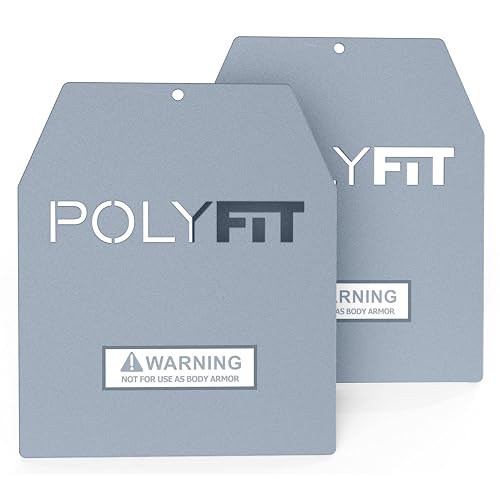
The Polyfit Weight Vest Plates come in paired sets at 4, 6, 9, 14, and 19 lb, so you can dial in roughly 10, 14, 20, 30, or 40 lb of vest load. That progression matters because bodyweight training depends on small jumps. A 5-pound increase is far more useful for pull-up progressions than a 10-pound leap.
These plates fit the Polyfit Fortify Vest and most other standard vests on the market. The flexibility here is the real story: one plate family supports multiple vests across your training life.
Why It Works Well
- Five weight increments support progressive overload instead of all-or-nothing jumps.
- Paired sets keep front and rear pockets balanced without mixing and matching.
- Compatible with the Polyfit Fortify Vest and other standard weighted vests.
Trade Offs
- Higher weight sets cost more, so building a full 40 lb setup is a multi-purchase investment.
- Storage can get cluttered if you own multiple plate pairs at different weights.
Made For
Intermediate lifters who want a step-by-step loading plan for push-ups, dips, and pull-ups.
Swap It Out When
Rucking-focused walkers should grab the Polyfit Rucking Weight Plate, which is shaped for a 10×12 ruck pocket rather than a vest sleeve.
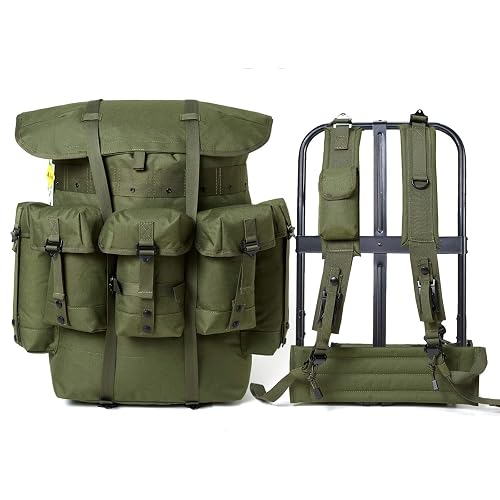
The MT Military ALICE Rucksack leans into a classic external frame design that’s been field-tested for decades. The frame transfers load through your hips instead of your shoulders, which keeps your upper body free for movement. For long marches with bulky gear, that frame support is genuinely hard to beat.
It’s a heavier, more aggressive carry than the Polyfit Rucking Backpack 2.0, and the olive drab color signals tactical intent. Compared to the Akmax MOLLE II later in this roundup, the ALICE pack is simpler in layout but more time-tested in the field.
Bright Spots
- External aluminum frame shifts weight to the hips for better long-distance endurance.
- Proven ALICE-style design has decades of military and field use behind it.
- Olive drab finish suits hunting, training, and tactical environments.
Room For Improvement
- Bulkier on the trail than a soft-plate ruck like the Polyfit 2.0.
- Frame can rattle on hard pavement, depending on how you cinch the load.
Whose Shelf It Belongs On
Tactical trainers, field instructors, and hunters who prioritize load-bearing capacity over sleekness.
Reach For A Different Pick When
Everyday conditioning walks feel more natural with the Polyfit Rucking Backpack 2.0, which has a much lower profile.
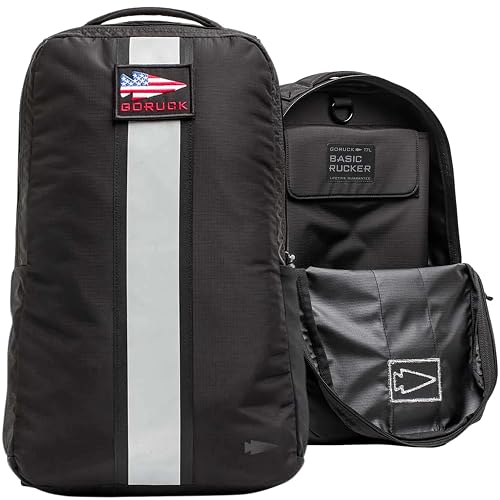
The GORUCK Basic Rucker brings a MOLLE-equipped tactical layout into the rucking category, which is a meaningful upgrade if you like adding pouches and accessories. MOLLE webbing is the rows of stitched loops on the outside of the pack that let you clip on compatible gear. The pack is built tough, with reinforced construction aimed at hard-training athletes.
It sits in a different price tier than the Polyfit 2.0, but the trade-off is a noticeably more durable frame system. For people training daily with heavy loads, that construction difference can be the reason the pack lasts.
The Good Stuff
- MOLLE webbing lets you attach compatible pouches, holders, and accessories.
- Reinforced build quality supports consistent high-load training.
- Tactical styling transitions well from the gym to the trail to the gym parking lot.
Small Caveats
- Premium construction puts it in a higher price bracket than most beginner rucks.
- Heavier empty weight than minimal packs, which adds up over long events.
Perfect Match For
Hard-training athletes who want a durable, modular pack for years of frequent rucking.
Skip It When
Budget-focused first-timers get a friendlier starting point with the Polyfit Rucking Starter Kit, which bundles the basics together.
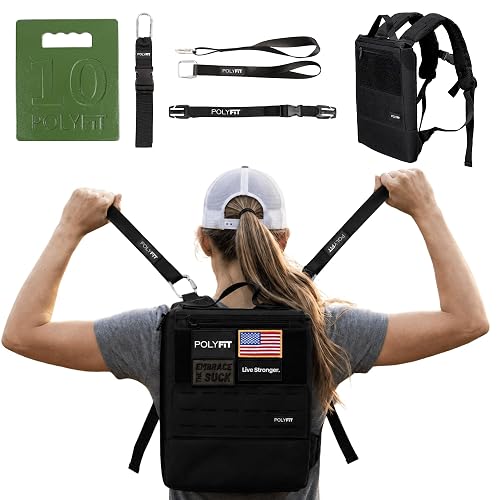
The Polyfit Rucking Starter Kit solves the classic first-day problem: you’ve decided to start rucking, but you’re staring at a list of separate plates, packs, and straps. This kit bundles the Rucking Backpack 2.0 with a 10 lb plate, a detachable sternum strap, removable rucking straps, and a reinforced hang loop for storage.
For someone walking their first weighted mile, that bundle removes the research overhead entirely. Compared to building the same setup piece by piece, the kit tends to feel like a smoother first purchase.
A Strong Showing
- Bundles the pack, plate, and support straps into one first-time purchase.
- Includes a 10 lb plate, which is a sensible starting load for new ruckers.
- Hang loop simplifies storage between sessions.
- Removable rucking straps add load support on longer walks.
Honest Caveats
- 10 lb is a starter load only, so most users will buy additional plates soon after.
- Bundle pricing may not beat sourcing individual components on sale.
Quick Facts
Who Should Grab It
First-time ruckers who want a turnkey setup and would rather skip piecing together a kit on their own.
Another Choice May Suit
Tactical users with specific gear needs should pick the Akmax MOLLE II Medium Rucksack, which offers far more modular layout options.
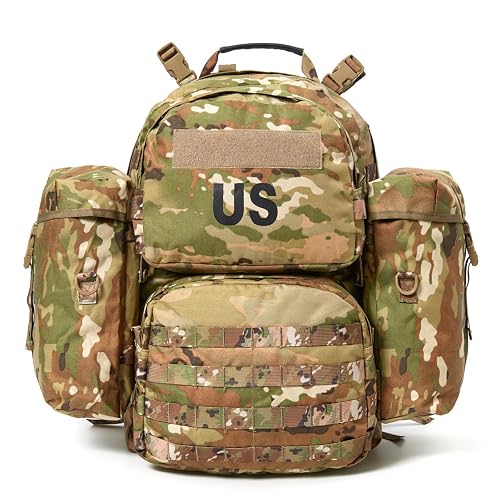
The Akmax MOLLE II Medium Rucksack is the modular heavyweight of this list. The medium ruck, two side sustainment pouches, shoulder straps, waist belt, and upgraded frame all ship together, giving you a system that scales with your load. That’s a real advantage for long-duration carries where you want hydration, food, and recovery gear all reachable.
Compared to the simpler ALICE pack earlier in this roundup, the MOLLE II setup gives you modular attachment points and detachable side storage. The trade-off is more parts to manage.
Reasons It Performs
- Modular MOLLE II layout accepts a wide range of compatible pouches and accessories.
- Two detachable side sustainment pouches expand storage for long carries.
- Upgraded frame aims for better comfort during extended wear.
- Large internal volume supports load-outs beyond simple plate carries.
A Few Limitations
- More components mean more setup time before each walk.
- Heavier empty weight than minimal packs, which can wear on fast-paced sessions.
Built With In Mind
Long-event ruckers and tactical trainers who need a configurable system for multi-hour outings.
Not Your Match When
Casual daily walkers get a simpler carry with the Polyfit Rucking Backpack 2.0, which has fewer pieces to manage.
What Matters Most Before Choosing Ruck Backpacks
Plate pocket design is the first thing to check. A dedicated 10×12 inch sleeve keeps weight high and tight, which is essential for posture and gait on long walks. Generic daypacks without a plate pocket shift weight lower, pulling you forward and changing your stride.
Strap layout matters just as much. Sternum straps and a hip belt spread load across the torso instead of letting it all hang from the shoulders. Look for padded shoulder straps and a frame that transfers weight to the hips if you’re carrying 30 lb or more. A pack that feels fine at 10 lb can become uncomfortable fast at 35 lb.
Material and frame choice depend on your terrain. Soft packs with no frame work for pavement and gentle trails. External-frame packs like the ALICE design handle rougher ground and heavier loads better. MOLLE-equipped packs give you modular attachment points, which is useful for hydration, radios, and sustainment pouches on longer outings.
Key Considerations Across These Picks
Mistakes Worth Dodging
A common slip is buying a pack without checking its plate pocket dimensions. Standard 10×12 plates fit most ruck packs, but vest plates come in different sizes, and not every plate fits every pocket. Match plate to pack before checkout.
Another trap is overloading a pack that looks tougher than it is. A 40 lb load in a soft daypack will feel very different than 40 lb in an external-frame design. Build up gradually and pay attention to your body between sessions.
What Separates Premium From Basic
Higher-tier rucks invest in reinforced stitching, better frame systems, and modular MOLLE layouts. That translates into longer service life and more configuration options, but it costs more up front. The upgrade is worth it for daily trainers and event participants, while casual weekend ruckers can stay with a simpler purpose-built pack.