
Rucking, the simple practice of walking or hiking with weight on your torso, has quietly become a cornerstone of strength and conditioning for people who don’t want to live in a gym. Adding load to a walk or hike stresses your traps, core, and legs in a way that mirrors years of daily labor. For beginners easing into 10-pound walks and seasoned athletes pushing 45 pounds up a trail, the right vest makes the difference between a session that builds you and one that bruises your shoulders. This lineup covers adjustable vests, removable iron weight sets, plate carriers, and a few specialty picks so you can match the tool to your training.
A Closer Look At The Lineup
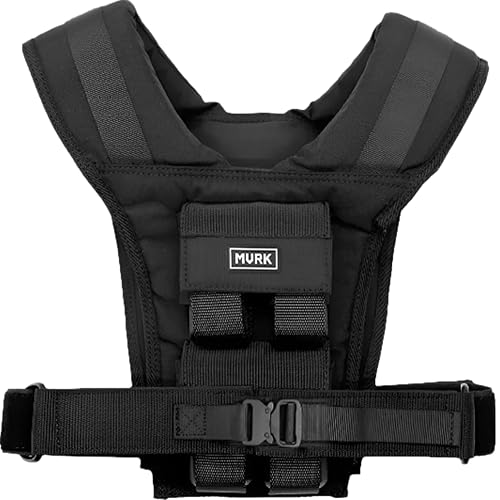
MVRK Weighted Vest Men 15lbs/25lbs/35lbs/45lbs/65lbs/100lbs

WOLF TACTICAL Weight Vest Plates (Pair)
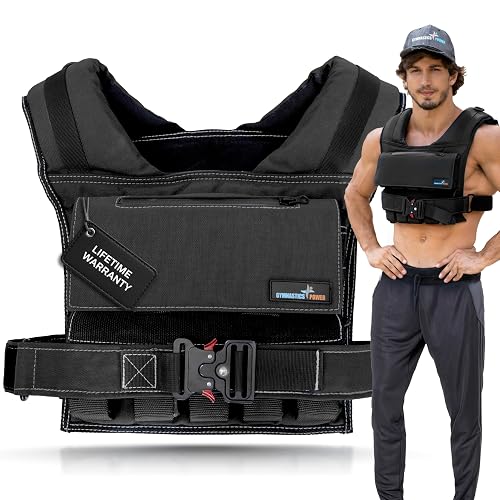
Weighted Vest Adjustable for Men and Women
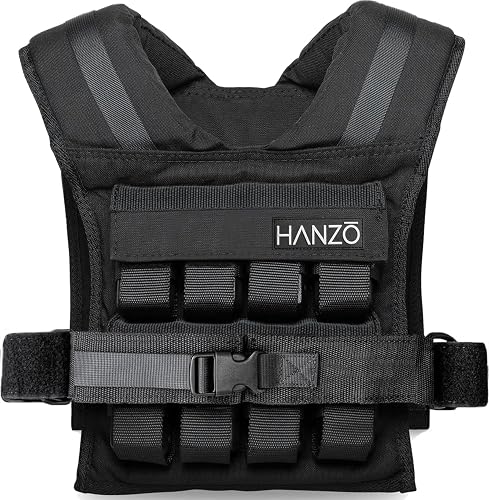
HANZO Weighted Vest for Men & Women 25lbs–65lbs
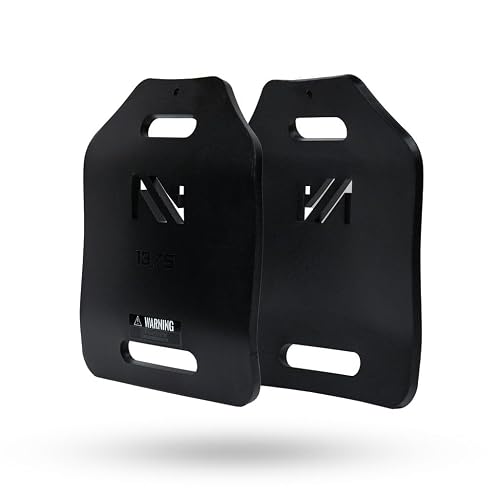
Northgym 3D Weight Plates (14/20/30 lbs)

Sportneer Weighted Vest for Walking with Phone Bag
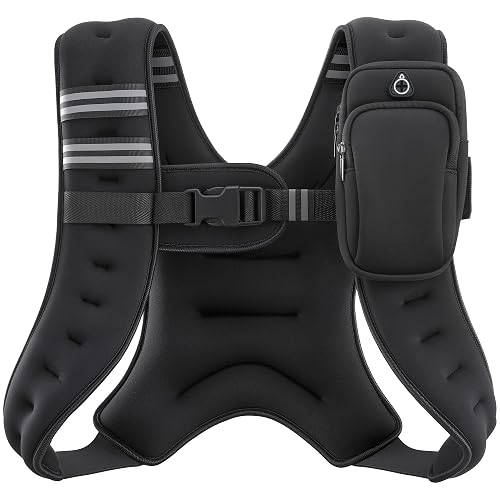
ZELUS Weighted Vest with Reflective Stripe
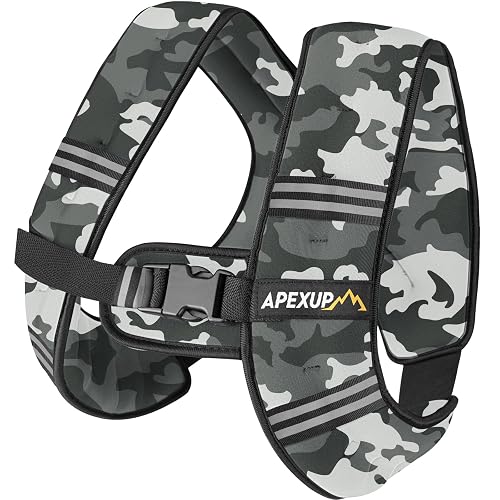
APEXUP Weighted Vest Men Women with Reflective Stripe
More On The Choices That Made The List
The MVRK weighted vest is built for athletes who plan to scale load aggressively. Available configurations run from a starter 15-pound base all the way to a brutal 100-pound setup, with removable iron weights inside both the front and rear panels so you can adjust load without owning a second vest.
The marketed “no-bounce” shape is the headline here: a compact profile that hugs the torso instead of swinging during sprints or pull-ups. For ruckers logging distance, that translates to fewer hot spots on the shoulders and less energy wasted fighting the vest’s own momentum.
Real-World Strengths
- Massive weight ceiling (up to 100 lbs) suits advanced athletes preparing for heavy loaded marches or strongman-style conditioning.
- Removable iron blocks mean a single purchase can grow with your training, from beginner walks to elite-level rucks.
- Compact, body-hugging cut minimizes bounce during running, burpees, and rope climbs.
- Front and back weight pockets help balance the load symmetrically, which matters during longer carries.
Things To Consider
- Iron weight blocks can feel harder against the ribs than sand-filled alternatives during long sessions.
- At the upper weight ranges, sizing and shoulder padding matter more, so try the fit with lighter loads first if possible.
- The outer shell is built tough, but regular inspection of stitching around the weight pockets is wise given the high load potential.
Key Product Details
Who It Suits Best
Strength athletes and experienced ruckers who want one vest they can grow into across multiple training cycles.
Where Another Pick Suits Better
Casual walkers who only need 10 to 20 pounds will get a friendlier fit from the Sportneer Weighted Vest for Walking with Phone Bag.
The WOLF TACTICAL plates are not a vest on their own; they’re modular steel plates designed to drop into compatible weight vests and plate carriers. If you already own a carrier-style rig or plan to buy one, these are the upgrade path from sand or iron-sand bags.
Where the MVRK leans on removable iron blocks, these plates swap in solid steel with a powder-coated finish. The added rigidity makes them feel more like gym equipment than soft apparel, which has both appeal and drawbacks depending on how you train.
Useful Strengths
- Laser-cut steel construction with powder coating resists rust and sweat corrosion over years of indoor and outdoor use.
- Available in four pair weights (5.75, 8.75, 14.5, and 19.75 lbs) so you can mix and match to fine-tune total carry.
- Rounded corners and smooth edges reduce snag risk on clothing and skin during burpees or ground work.
Trade Offs
- Steel is unforgiving during floor exercises like push-ups or planks; expect to feel the edges through padding.
- Plate fit is specific, so confirm your vest or carrier accepts these dimensions before committing.
- They are heavier per plate than sand-based fills, so storage and handling are less casual than a soft vest.
Feature Snapshot
Made For
Lifters who already own a plate carrier and want a more rigid, gym-style load for rucking and conditioning work.
Consider Something Else When
Runners who want a soft, low-bounce vest will be happier with the Gymnastics Power Weighted Vest Adjustable for Men and Women.
The Gymnastics Power vest leans into versatility rather than maximum load. It’s built to fit a wide range of body sizes and adjusts so the same vest can move between a beginner’s 4-pound walk and a more challenging 20-plus-pound ruck as fitness improves.
The 1000D nylon shell (a heavy denier rating for abrasion and tear resistance) is the practical highlight, since this is a vest you’ll toss on the floor, into a gym bag, or against a tree during outdoor sessions. Compared with the MVRK’s high-load iron setup, this one trades peak weight for everyday usability.
What Makes Sense
- Durable 1000D nylon outer shell holds up well to repeated gym, home, and trail use.
- Adjustable sizing accommodates multiple body types, useful for shared household equipment.
- Form-fitting cut stays snug during bodyweight work like pull-ups, dips, and air squats.
Points To Note
- Load ceiling is lower than dedicated heavy-duty vests, capping serious strength progression.
- Fit can run snug for broader shoulders; checking the size chart before ordering helps avoid frustration.
- Weight pockets can be fiddly to load and unload compared with sealed sand designs.
Best Suited To
Recreational athletes who want a single vest for gym sessions, weekend hikes, and casual rucking without specialized load requirements.
Not Your Match When
Someone preparing for rucking events with 45-plus-pound loads should reach for the MVRK Weighted Vest instead.
The HANZO vest (listed under the BDRX brand here) targets a sweet spot many recreational athletes want: serious load capability without crossing into 100-pound monster territory. Configurations run from 25 to 65 pounds, with removable iron weights that scale cleanly with your training cycle.
Where this one separates itself is the comfort design. Double-padded shoulders and a balanced front-to-back profile aim to reduce the shoulder fatigue that turns a 45-minute ruck into a 20-minute suffer-fest. That’s the difference between a vest you actually enjoy using and one that lives in a closet.
The Good Stuff
- Double-padded shoulders reduce hot spots during longer carries and runs.
- Removable iron blocks let you start light and add load as conditioning improves.
- Balanced weight distribution helps maintain posture under heavier loads.
- Adjustable straps create a snug fit without restricting arm movement.
Honest Caveats
- At higher weight settings, breathable mesh panels can feel less ventilated than fully enclosed designs.
- Iron blocks add rigidity that some users find uncomfortable during high-rep bodyweight work.
Feature Card
Right Fit For
Intermediate ruckers and calisthenics athletes who run weekly sessions and want padding that holds up to repeated loaded carries.
Skip It When
Walkers who just want a 12-pound vest for daily steps will find the HANZO’s structure overkill; the Sportneer Weighted Vest is the friendlier match.
Like the WOLF TACTICAL plates, the Northgym 3D plates are an add-on rather than a full vest. They’re designed specifically for the Northgym 3D weight vest and similar plate carriers, with an ergonomic three-dimensional shape that follows the curve of the chest and back instead of sitting flat.
The contouring is what sets them apart from flat steel plates. On a long ruck, flat plates can dig into the collarbone and upper back; shaped plates distribute pressure more evenly. For athletes who already own a compatible carrier, this is a thoughtful upgrade path.
Where It Delivers
- 3D ergonomic shape conforms to the chest and back for a more natural carry.
- Available in 14, 20, and 30 lb plates, so combinations can be tuned per session.
- Powder-coated finish holds up well against sweat and outdoor conditions.
- Optimized weight distribution reduces pressure points during long carries.
Worth Bearing In Mind
- Compatibility is brand-specific, so check dimensions before assuming a fit with your existing rig.
- Steel plates add rigid pressure during floor exercises; soft-shell padding underneath helps.
At A Glance
Who Should Grab It
Ruckers who already own a Northgym or compatible plate carrier and want a contoured, body-friendly load upgrade.
A Better Fit Elsewhere
Anyone starting from scratch is better served by a complete vest like the APEXUP Weighted Vest Men Women with Reflective Stripe.
The Sportneer vest is aimed squarely at walkers, commuters, and anyone who wants extra resistance on daily movement without strapping on a tactical-looking rig. At 12 pounds with iron-bead fill, it’s a gentle entry point that still gives noticeable load.
Two practical touches make it stand out for everyday use: a soft Lycra-SBR fabric blend (a stretchable, neoprene-like material common in activewear) that moves with the body, and an integrated phone pocket that keeps a device secure without a separate armband. It also has a slight new-product smell out of the packaging that dissipates with air.
A Few Highlights
- Lycra composite SBR fabric stays flexible and comfortable during walking and light cardio.
- Built-in phone pocket adds genuine utility for commutes and outdoor walks.
- Iron-bead weighting keeps the profile slim and quiet compared with rigid block designs.
- Double-stitched seams improve durability for regular daily use.
Small Caveats
- The 12-pound load ceiling is light for anyone training toward heavier rucks.
- New vests can carry a faint material smell that calls for some airing out before the first session.
- Soft construction absorbs sweat over time, so plan on occasional surface cleaning.
Perfect Match For
Daily walkers, remote workers, and casual ruckers who want light resistance plus a place to stash a phone during walks.
Look Elsewhere When
Intermediate ruckers building toward 30+ pounds will find more headroom in the HANZO Weighted Vest.
The ZELUS vest covers the widest weight range on this list, from a featherlight 6 pounds to a serious 30-pound load. That makes it a natural starting point for newcomers who aren’t sure how much resistance they actually want.
Iron-sand fill distributes weight more evenly than solid blocks, which helps during longer walks and runs. Reflective stripes add visibility for early-morning or evening sessions, a small but real safety touch for road ruckers.
Points In Its Favor
- Seven weight options from 6 to 30 lbs cover beginner through intermediate needs in one product line.
- Iron-sand fill produces a slimmer, more flexible profile than rigid block designs.
- Reflective stripe improves low-light visibility for outdoor training.
- Adjustable buckle straps accommodate a wide range of body sizes.
Practical Considerations
- Sand-based fill can shift slightly during high-impact movements if the inner packs aren’t seated well.
- The soft shell offers less impact protection than plate-style vests during floor work.
Quick Facts
Who Will Love This
First-time ruckers who want a single vest they can grow into without committing to a heavier tactical-style design from day one.
Swap It Out When
Advanced athletes needing 45-pound-plus loads should consider the MVRK Weighted Vest with its higher ceiling.
The APEXUP vest lands in the middle of the pack on every dimension: solid weight range from 5 to 30 pounds, neutral styling that fits both gym and casual use, and a reflective stripe for outdoor sessions. It’s the kind of vest you don’t have to think about.
For shoppers who don’t want to dive deep into load ceilings and pocket layouts, APEXUP offers a forgiving, generalist option. Compared with the ZELUS, the APEXUP leans similarly flexible but differentiates itself with its own weight-tier lineup and unisex branding.
Good Reasons To Consider
- Weight tiers from 5 to 30 lbs accommodate most general fitness routines.
- Reflective stripe adds visibility for outdoor walks and runs.
- Unisex design avoids overly tactical or overly fashion-driven styling.
- Adjustable straps help dial in fit across different body shapes.
Some Limits To Know
- Doesn’t push into the 45+ pound territory that experienced ruckers may eventually want.
- Construction is durable for moderate use, but heavier users may notice wear at stress points faster.
- Limited pocket storage compared with vests designed for outdoor carry.
Built With In Mind
General-purpose users who want a flexible vest for mixed cardio and strength training without specialized load demands.
Another Choice May Suit
Ruckers focused on long outdoor walks with a phone and keys should look at the Sportneer Weighted Vest for Walking with Phone Bag.
What Matters Most Before Choosing Rucking Vests
Weight Range and Adjustability
The first question to settle is how much load you actually need, both today and in six months. A 20-pound vest that goes to 40 pounds beats a 60-pound vest you never fully load, because unused weight capacity is just added bulk. Adjustable designs with removable blocks or plates also extend the useful life of your purchase. For most people logging weekly walks and runs, a 20 to 30 pound ceiling is the practical sweet spot.
Fit, Padding, and Bounce Control
Padding matters more than most first-time ruckers expect. Shoulder straps without enough cushioning turn a 30-minute walk into a bruise-fest, while a snug, body-hugging profile prevents the vest from swinging during running or burpees. Look for double-padded shoulders, adjustable side straps, and a cut that stays close to the torso under load. A quick test: simulate a few jumping jacks in the vest before committing to long sessions.
Fill Material and Use Case
Iron blocks feel gym-like and rigid, sand fills hug the body and stay quiet, and steel plates are modular and durable but unforgiving on the floor. Walkers and runners usually prefer sand or bead fills for flexibility; lifters and tactical-style users gravitate toward rigid plates for serious load. Outdoor users also benefit from a powder-coated finish or treated shell to handle sweat and weather.
Safety and Practical Touches
Reflective stripes, accessible pockets, and breathable panels are small details that add up over months of regular use. For road rucking or early-morning sessions, visibility is a real concern. Pockets let you stash a phone or keys without a separate belt, and breathable panels reduce the soaked-shirt effect during hot-weather training.
Key Considerations Across These Picks
Common Buying Slip Ups
The most common mistake is buying a vest rated for far more weight than you’ll actually carry. Heavier vests aren’t automatically better; they often add bulk, rigidity, and shoulder fatigue that ruins the experience before you reach the rated load. Another trap is ignoring fit, since a vest that looks great in photos can dig into your collarbone or shift on your back if the shoulder profile doesn’t match your build. Always check sizing charts and read user feedback on fit before committing, especially if you’re between sizes.
Why The Higher Tier Costs More
Premium vests earn their price through better materials and construction. Double-stitched seams, 1000D nylon shells, and powder-coated hardware all add up to gear that survives years of drops, sweat, and trail use instead of months. Higher-tier models also tend to offer smoother weight distribution and better padding, which translates directly to longer, more comfortable sessions. The upgrade is worth it for athletes training four or more times a week; casual users can save by stepping down to a mid-range option.