
Rucking has stopped being a niche thing soldiers and hikers did on the side. You see people walking neighborhoods with weighted packs, gym-goers rucking between sets, commuters stacking plates in their bags. The gear matters more than most realize, because a poorly distributed load chews up your shoulders, posture, and pace within a mile.
This guide pulls together ten rucksacks, weight plates, vests, and accessories that work together or stand alone. Some are purpose-built for rucking, others are tactical packs that handle weighted loads well. The picks below come from spec sheets, build details, and how the categories actually behave under load.
A Quick View Of The Lineup

Polyfit Rucking Backpack 2.0 – Side-Loading Ruck Pack

Polyfit Rucking Weight Plate – 10×12 Cast Iron Plate
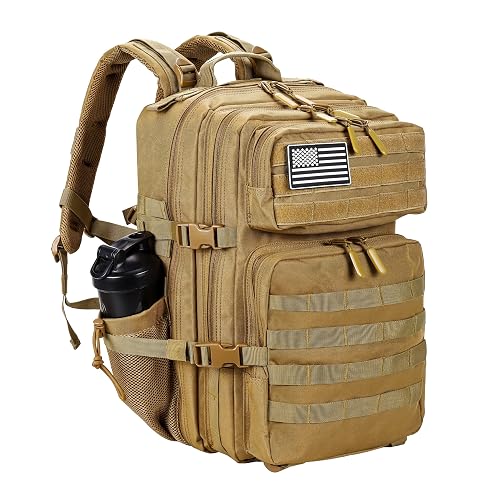
LHI 45L Military Tactical Backpack Molle (Khaki)

Polyfit Fortify Weighted Vest
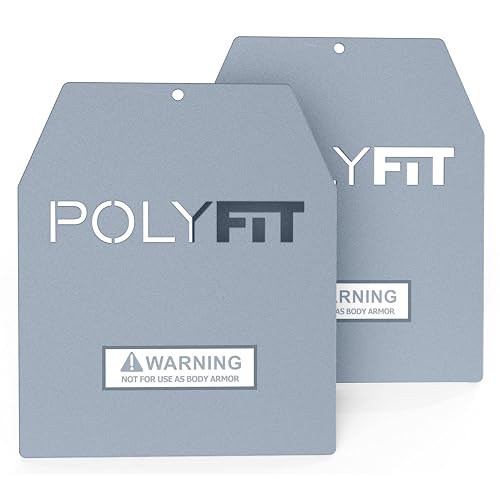
Polyfit Weight Vest Plates
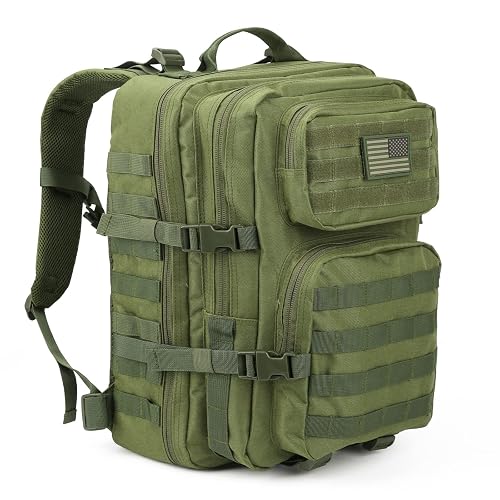
REEBOW GEAR Military Tactical Backpack (Green)
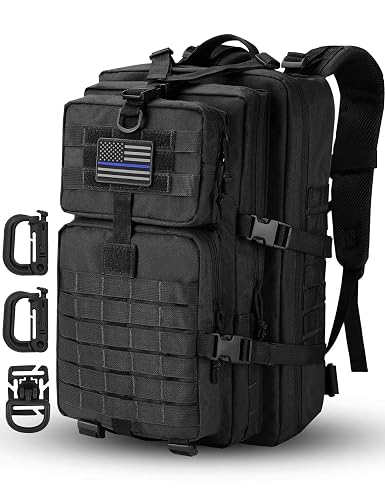
Hannibal Tactical MOLLE Assault Backpack

QT&QY 45L Military Tactical Backpack Molle
Polyfit Rucking Starter Kit with 10 lb Plate
HAZARD 4 Patrol Thermo-Cap Daypack
More Details On Our Top Picks
The Polyfit Rucking Backpack 2.0 is built for one job: carrying cast-iron plates close to your upper back without punishing your shoulders. The side-loading design means you slide plates in from the side rather than wrestling them through a top opening. For ruckers logging miles on pavement or trail, that translates into less fiddling at the trailhead and more time moving.
Capacity tops out around 40 lbs, which lines up with what most structured ruck programs recommend for beginners and intermediates. Unlike the tactical packs lower in this list, this one isn’t trying to be a do-everything bag. It’s narrow on purpose, so the load sits vertically against your spine rather than sloshing around.
Useful Highlights
- Side-loading plate pocket saves time at rest stops
- Hugs the upper back, reducing forward lean on long walks
- Plate pocket fits standard 10×12 inch cast iron plates
- Narrow profile keeps the load centered for better posture
- 40 lb max capacity suits most training plans
Things To Consider
- Plates sold separately, so the upfront cost adds up
- Limited internal organization compared to the LHI and Hannibal tactical packs
Key Specs
Who It Suits Best
Anyone running a structured rucking program who wants a purpose-built pack rather than a tactical bag with weight stuffed inside.
Consider Something Else When
Pick the QT&QY 45L Military Tactical Backpack if you also want room for layers, water, and range gear on top of your plates.
This plate isn’t a kettlebell you tossed in a duffel. It’s cut to the standard 10×12 inch footprint that most rucking packs expect, including the Polyfit Rucking Backpack 2.0 reviewed above. That shape matters more than weight class alone, because a poorly sized plate rattles inside a bag and shifts your balance with every step.
For shoppers building a rucking setup from scratch, pairing this plate with the matching backpack keeps sizing guesswork out of the equation. The plate also drops into most third-party ruck packs and tactical bags that accept the 10×12 format, so you’re not locked into one ecosystem.
Features That Help
- 10×12 inch footprint fits the Polyfit backpack and most standard ruck packs
- Cast iron construction holds up to repeated drops and concrete
- Flat shape stacks cleanly without rolling inside a pack
Trade Offs
- Single plate purchase, so building a full kit requires several units
- Cast iron is heavy to handle before it goes into the bag
- Finish may scuff the interior of lighter-weight packs over time
Made For
Ruckers who already own a compatible pack and want a reliable, well-sized iron plate to drop in.
Look Elsewhere When
Grab the Polyfit Weight Vest Plates if you want adjustable loading in a vest instead of a backpack-mounted plate.
The LHI 45L lands in the sweet spot between a dedicated ruck pack and a full-size tactical assault pack. At roughly 12x20x12 inches with 45 liters of volume, it’s big enough for plates, water, and a layer, but not so massive that it becomes a cargo hauler. For ruckers who want versatility, that balance is the whole pitch.
The build uses 900-denier oxford nylon, which is tougher than the 600-denier fabric on the REEBOW GEAR and Hannibal packs further down the list. The MOLLE webbing across the exterior opens up modular attachments, and the ventilated mesh padding keeps the back panel from becoming a sweat trap on long walks.
Advantages To Know
- 900-denier nylon is durable for rough trail use
- 45L capacity swallows plates plus daily carry
- Water-resistant fabric handles light rain and morning dew
- MOLLE webbing lets you strap extra pouches
Small Caveats
- Larger frame may feel oversized for short, fast rucks
- Heavier than the Polyfit Backpack 2.0 when empty
Best Suited To
Ruckers who split time between weighted walks and day hikes, and want one pack that handles both.
Swap It Out When
Pick the Polyfit Rucking Backpack 2.0 if your only goal is fast, focused rucks without the extra volume.
The Fortify Vest takes a different angle than the ruck packs above. Plates sit on your chest and upper back rather than behind your shoulders in a backpack. That changes how the load feels: less swinging, more direct core engagement, and easier breathing for some lifters. For shoppers who train indoors or on short routes, the trade is worth thinking about.
The vest holds two plates, front and back, each pocket rated up to 20 lbs, for a total capacity near 40 lbs. Compatible plates measure up to roughly 13×11 inches, which gives you room to source from Polyfit’s own line or other brands with similar dimensions.
Real-World Strengths
- Front-and-back placement keeps weight centered on the torso
- Adjustable straps fit a wide range of body sizes
- Lower profile than a backpack for push-ups and floor work
- 40 lb total capacity suits most weighted vest progressions
Points To Note
- Plates sold separately, adding to the total cost
- Vest shifts more on your body than a backpack during running
Key Specs
Perfect Match For
Shoppers focused on calisthenics, walking lunges, and bodyweight circuits where a backpack gets in the way.
Reach For A Different Pick When
Choose the LHI 45L Military Tactical Backpack if your training includes carrying extra gear beyond plates.
These plates come in pairs across 4, 6, 9, 14, and 19 lb options. That range lets you build a vest setup at roughly 10, 14, 20, 30, or 40 lbs total, depending on which pair you grab. For shoppers stepping up weight gradually, that progression matters more than a single heavy plate.
Compatibility goes beyond Polyfit’s own Fortify Vest reviewed above. The plates drop into most weighted vests that accept a similar footprint, so you’re not locked into one brand if you already own something else.
Bright Spots
- Five weight tiers let you progress over months, not days
- Pairs simplify buying (two plates per order)
- Works with Polyfit’s vest and most third-party vests
Honest Caveats
- Plate footprint may not fit narrower vest pockets
- Higher tiers get expensive fast as you step up load
Who Should Grab It
Beginners and intermediates who want a clear progression path without buying a whole new vest each season.
A Better Fit Elsewhere
Pick the Polyfit Rucking Weight Plate if your training happens in a backpack rather than a vest.
The REEBOW GEAR pack runs roughly 13x20x11 inches with 40L of capacity, sized for multi-day loads without crossing into full pack-raft territory. For shoppers who want a tactical look and feel without paying premium prices, this is the kind of bag that gets the job done on a long walk.
The fabric is 600×600 density nylon, which is lighter than the LHI’s 900-denier build above. MOLLE webbing runs across the exterior for attaching pouches, and the price tag leaves room in your budget for plates or a hydration bladder.
The Practical Payoff
- Wide MOLLE coverage for modular add-ons
- 40L capacity fits plates plus a day’s worth of gear
- Lower price point leaves budget for plates and accessories
Where It May Fall Short
- 600-denier fabric is less abrasion-resistant than higher-denier options
- Fewer internal compartments than the QT&QY pack reviewed below
Built With In Mind
Entry-level ruckers and shoppers who want tactical styling with room to grow into the category.
Where Another Pick Suits Better
Choose the LHI 45L Military Tactical Backpack if you want tougher fabric for rougher terrain and weather.
The Hannibal Tactical pack comes in around 12x20x13 inches, similar to the LHI above but with a deeper profile that swallows bulkier loads. The included V-locks and tactical D-ring give you anchor points for clipping gear to the outside, which matters when you’re hauling odd-shaped items on top of plates.
It’s built from 600×600 density fabric, the same tier as the REEBOW GEAR, so the trade-off here is more about shape and accessory layout than raw material toughness. MOLLE webbing wraps the exterior for pouches and accessories.
Where It Delivers
- Deep profile fits plates, hydration, and cold-weather layers
- Included V-locks and D-ring add external carry options
- Wide MOLLE webbing for modular setups
Practical Considerations
- 600-denier fabric isn’t as rugged as the LHI’s 900-denier build
- Depth can feel top-heavy on shorter wearers
Whose Shelf It Belongs On
Ruckers who mix field training with range time and want a pack that hauls both plates and range gear.
Not Your Match When
Go with the Polyfit Rucking Backpack 2.0 if you want a tighter, more ruck-specific fit and don’t need the extra volume.
The QT&QY lands at roughly 18×13.2×11.6 inches with 45L of space, putting it in the same capacity tier as the LHI above. The difference shows up in organization: this pack layers its interior storage so you can separate plates from clothing, electronics, and food. For commuters who ruck to work or train and then carry normal daily items, that compartmentalization saves a lot of digging.
The MOLLE exterior accepts the same pouches you’d use on the Hannibal or REEBOW GEAR packs, so you’re not learning a new accessory ecosystem if you’ve handled tactical bags before.
Standout Benefits
- Layered interior storage separates gear by purpose
- 45L capacity handles plates plus daily carry
- MOLLE webbing accepts standard tactical pouches
Some Limits To Know
- Larger dimensions may feel bulky on short frames
- Fewer external anchor points than the Hannibal’s V-locks
Key Specs
The Right Fit
Ruckers and commuters who want one pack that handles training, work, and weekend outdoor use.
Skip It When
Pick the Polyfit Rucking Backpack 2.0 if your focus is strictly fast, minimalist rucking without extra storage layers.
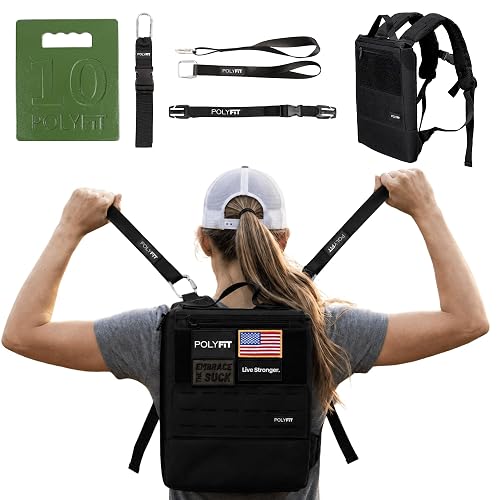
If you’ve never rucked before and the idea of buying a pack, a plate, a sternum strap, and load straps separately sounds exhausting, this kit solves that. The Polyfit Starter Kit bundles the Rucking Backpack 2.0 with a 10 lb cast iron plate, plus the small accessories that make longer rucks more comfortable. For a first-time rucker, that bundle removes almost every guess.
The included 10 lb plate is a sensible starting load, especially for anyone easing into weighted walks. You can always add heavier plates from the Polyfit plate lineup reviewed earlier as you progress.
Useful Strengths
- All-in-one bundle skips the shopping cart juggling
- Includes sternum strap and load support straps
- 10 lb starting weight suits most beginner plans
Factors To Consider
- Higher cost upfront than buying the pack alone
- Limited plate selection if you want to jump past 10 lbs fast
Who Will Love This
First-time ruckers who want one transaction, one shipping box, and zero questions about compatibility.
Another Choice May Suit
Choose the Polyfit Rucking Backpack 2.0 plus separate plates if you already know your preferred starting weight.
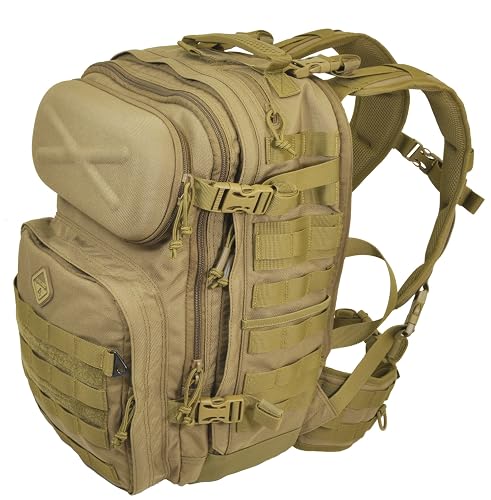
The HAZARD 4 Patrol sits at a different end of the rucking world. The thermoformed top cap is built to protect sunglasses or sensitive gear, the back panel uses thermoformed foam for structure, and the removable MOLLE-compatible belt doubles as a mounting surface for smaller pouches. For shoppers who value gear protection and modular carry, that combo is unusual in this price tier.
It’s a daypack first, not a heavy-load carrier. So for ruckers who only need modest plate loads and want premium touches like a structured back panel, it’s worth weighing against the heavier tactical bags above.
Points In Its Favor
- Thermoformed top cap protects fragile gear like sunglasses
- Removable MOLLE belt adds mounting flexibility
- Thermoformed back panel adds structure and comfort
Things To Weigh Up
- Smaller capacity than the 40L to 45L tactical packs reviewed above
- Premium design features come at a higher price point
Key Specs
The Right Fit
Shoppers who ruck lighter loads and care about gear protection, structure, and modular belt carry.
Not Your Match When
Choose the LHI 45L Military Tactical Backpack for heavier plate loads and longer routes.
What Matters Most Before Choosing Rucksacks For Rucking
Fit and Load Distribution
The single biggest factor in rucking comfort is how a pack hugs your upper back. A bag that pulls away from your spine, or sits low on your lumbar, forces you to lean forward and recruit muscles you don’t want to fatigue. Side-loading plate pockets, like the one on the Polyfit Rucking Backpack 2.0, hold the weight closer to your body’s center of mass. Tactical packs with deeper profiles shift load further from your back, which is fine for gear-heavy trips but less efficient for pure rucking.
Material and Denier Count
Denier measures fiber thickness in the fabric. A higher denier, like the LHI’s 900D nylon, resists abrasion and punctures better than lower tiers like 600D, which shows up on the REEBOW GEAR and Hannibal packs. For trail use and rough handling, higher denier pays off. For paved urban rucking, lower denier keeps weight and cost down.
Plate Compatibility
Rucking plates come in standard sizes, most commonly 10×12 inches for backpack use and roughly 13×11 inches for vest plates. Match the plate to the pocket before you buy. A loose plate bounces inside the bag, throws off balance, and quietly adds fatigue over a long walk.
Capacity vs. Intended Use
A 40 to 45L pack carries plates plus a change of clothes, water, and food. Smaller packs force you to choose between weight and storage. For beginners, more volume gives you flexibility; for speed-focused ruckers, smaller packs keep the load tight and the pace honest.
Key Considerations Across These Picks
Pitfalls Shoppers Hit
The most common mistake is buying a pack before checking plate sizing. A 10×12 plate won’t fit a vest pocket, and a 13×11 vest plate won’t slide into a standard ruck pocket. The second most common slip is overloading a pack beyond its stated capacity, which compresses the back panel padding and turns a comfortable walk into a shoulder punishment.
Where The Extra Money Goes
Higher-tier rucks spend money on back panel structure, tougher denier counts, and tighter load control. The HAZARD 4 Patrol’s thermoformed cap and back panel show where premium pricing goes: structural features that protect gear and your body. For casual ruckers, the mid-tier tactical bags reviewed above handle most routes. For daily, year-round rucking, those upgraded touches earn their keep over time.
Frequently Asked Questions
What weight should a beginner rucker start with?
A 10 to 20 lb total load is a common starting point for beginners, including the plate and any water or layers. The Polyfit Starter Kit’s included 10 lb plate lines up well with that range, and you can step up over time.
Can a regular backpack work for rucking?
A regular backpack can work for light loads, but it won’t center the weight the way a dedicated ruck pack or tactical pack will. As loads increase past 20 to 30 lbs, purpose-built designs reduce shoulder strain and forward lean noticeably.
How long should a rucking session last?
Sessions between 30 and 90 minutes cover most beginner and intermediate plans. The exact duration depends on your conditioning, terrain, and load. Shorter walks on rough trails can feel longer than smooth pavement routes.
Do I need a vest and a ruck pack?
You don’t need both. Vests work better for calisthenics and core-focused training; ruck packs work better for distance walking and varied terrain. Many shoppers start with one and add the other later as their training evolves.
How do I maintain a rucking pack?
Brush off dirt after outdoor use, spot-clean with mild soap and water, and air-dry out of direct sunlight. Avoid machine washing, which can degrade fabric coatings and zippers over time. Store the pack open or loosely packed so it keeps its shape.
Closing Thoughts
The right ruck setup depends on where and how you train. Plate-ready packs like the Polyfit Rucking Backpack 2.0 suit dedicated walkers, while the modular tactical bags offer room for layered gear on longer routes. Match plate size to pocket, denier to terrain, and volume to your typical load. Start lighter than you think, progress gradually, and the gear tends to take care of itself once those basics line up.