
A framed backpack shifts how weight sits on your body, moving load off your shoulders and onto a structured support system. That matters on long shifts, long hikes, long commutes, and long school days where an unstructured bag slowly pulls you forward. The picks below cover wildland fire work, range duty, school, and a clever add-on for existing bags.
How The Shortlist Stacks Up
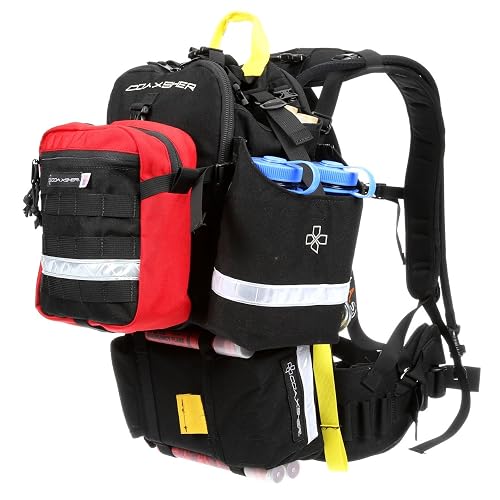
COAXSHER FS-1 Ranger Wildland Firefighter Backpack

G.P.S. Handgunner Range Backpack (Black)
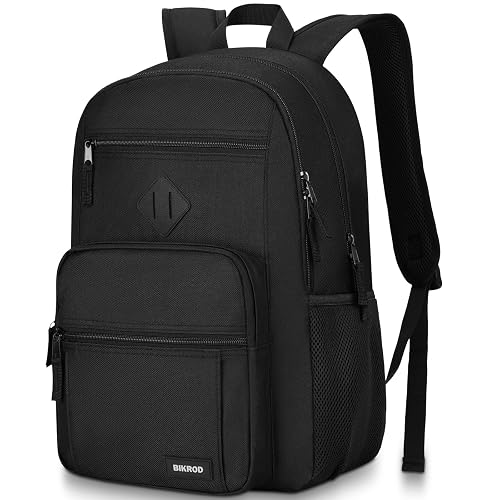
BIKROD Black Laptop Backpack 15.6 Inch
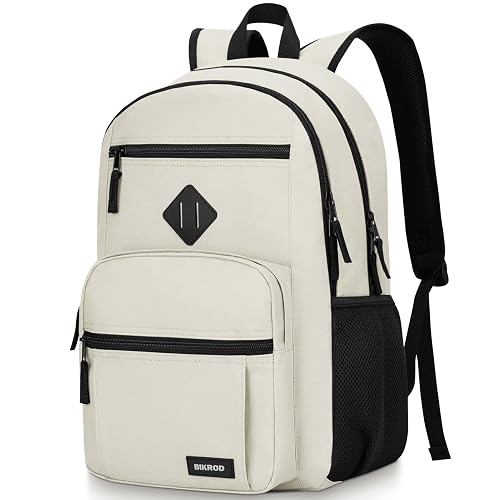
BIKROD Casual Laptop Backpack 15.6 Inch
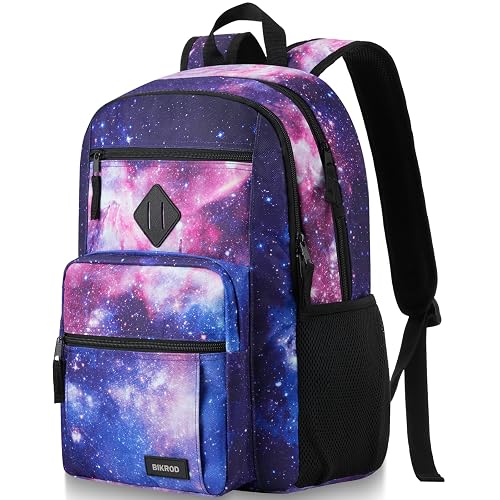
BIKROD Lightweight School Laptop Backpack
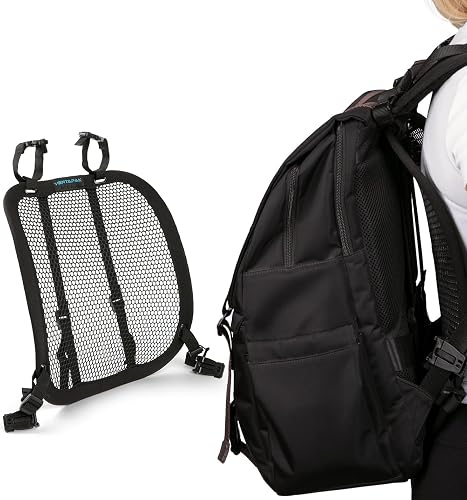
VentaPak Ventilation Backpack Spacer Smaller
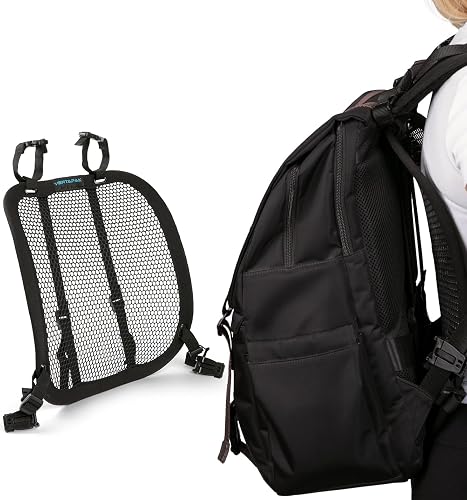
VentaPak Ventilation Backpack Spacer Large
The COAXSHER FS-1 Ranger is built around the realities of wildland fire work: long shifts on uneven ground, heavy tools, and the need to move freely. An ergonomic harness pairs with an adjustable hip belt, and a Dual Action Stabilizer helps the load stay centered when the terrain tilts or the pace picks up.
Modular construction means crew members can reconfigure the pack for specific gear layouts, a real advantage on engines and hotshot crews where everyone packs slightly differently. Compared with the G.P.S. Handgunner that follows, this one is purpose-built for fireline use rather than range transport.
Notable Upsides
- Adjustable hip belt shifts load off shoulders during extended hikes
- Dual Action Stabilizer keeps the pack steady over rough ground
- Modular layout adapts to different crew roles and gear lists
- Ergonomic harness reduces hot spots on multi-hour carries
Trade-Offs To Consider
- Specialized build is overkill for casual day hikes
- Sizing may require careful adjustment for shorter torsos
Key Product Details
Right Fit For
Wildland firefighters, hotshot crew members, and engine personnel who need a frame-supportive pack that holds up to long shifts.
A Better Fit Elsewhere
Range-day shooters should look at the G.P.S. Handgunner Range Backpack, which has dedicated foam cradles for handgun transport.
The G.P.S. Handgunner targets a different problem from most framed packs: safely moving multiple handguns to and from the range. An internal foam cradle holds up to four medium to small frame handguns, keeping them separated and protected during transport. A visual I.D. system helps owners organize what goes where.
The pack stands on its own when set down, a quiet but useful feature when you’re setting up at a bench. Main zippers are lockable, which supports legal transport requirements in many jurisdictions. Where the COAXSHER focuses on wildland endurance, this one focuses on organized firearm carriage.
Points In Its Favor
- Foam cradle protects up to four handguns during transport
- Lockable main zippers align with common transport requirements
- Visual I.D. system speeds up gear organization at the bench
- Freestanding design keeps hands free when setting up
- Pull-out waterproof cover shields contents in wet weather
Worth Bearing In Mind
- Cradle fits medium to small frame handguns; larger pistols may not seat properly
- Single-purpose design is wasted on non-shooting carry
Who Should Grab It
Range regulars, instructors, and competitors carrying multiple handguns who want organized, lockable transport in one pack.
Where Another Pick Suits Better
Students and commuters should pass on the G.P.S. and consider the BIKROD Lightweight School Laptop Backpack, which fits a 15.6-inch notebook and daily essentials.
The BIKROD Black Laptop Backpack is a straightforward daily carrier aimed at students and casual commuters. Two main compartments handle books, notebooks, and a dedicated sleeve sized for a 15.6-inch laptop. The lightweight build keeps shoulder fatigue down on long campus walks.
Versatility is the angle: it reads as a high school bookbag in the morning and a commuter pack on the train home. Compared with the COAXSHER and G.P.S. specialty packs, this one trades tactical structure for everyday practicality.
What Helps Most
- Dedicated 15.6-inch laptop sleeve protects your device from books and accessories
- Two main compartments separate large textbooks from smaller daily items
- Lightweight construction reduces strain on long school days
Small Caveats
- Casual styling won’t suit formal office environments
- Limited internal organization compared to premium commuter packs
- Fabric durability under heavy textbook loads varies in long-term owner reports
Feature Snapshot
Made For
High school and college students who need a no-fuss laptop backpack that handles books and a notebook without weighing them down.
Consider Something Else When
Hot, sweaty commutes call for the VentaPak Ventilation Backpack Spacer Large, which adds airflow between the bag and your back.
This BIKROD variant shares the same dual-compartment layout and 15.6-inch laptop sleeve as the previous pick, but is positioned more for teens and young adults moving between school, errands, and light travel. The carry capacity covers daily essentials without bulging.
Where it earns its spot is in the styling: it works as a school bookbag during the week and a casual travel companion on weekends. If you want a sibling pick that also fits a 15.6-inch notebook, the BIKROD Boys and Girls backpack reviewed next is the close cousin.
What It Does Well
- Roomy interior with room for daily essentials plus a 15.6-inch laptop
- Two large compartments help separate work and personal items
- Lightweight feel suits teens and casual commuters alike
Things To Weigh
- Shared BIKROD DNA means it overlaps heavily with the other two BIKROD picks
- Not built for heavy textbook loads over many semesters
Perfect Match For
Teens and young commuters who want one bag that moves between classes, study sessions, and weekend trips.
Look Elsewhere When
Wildland fire work belongs to the COAXSHER FS-1 Ranger, which is built for long, rugged shifts rather than daily school use.
The third BIKROD entry broadens the appeal further, targeting shared use across boys and girls heading to high school. Like the prior two BIKROD picks, it pairs a 15.6-inch laptop sleeve with two main compartments and a lightweight shell that doesn’t drag on young shoulders.
The honest read here is that the three BIKROD packs are very similar on paper, with minor differences in marketing focus and visual styling. If you need one bag that can hand down between siblings year over year, this neutral framing is the practical choice.
Practical Advantages
- 15.6-inch laptop sleeve keeps devices safe from books
- Two main compartments support organized daily packing
- Lightweight design suits younger wearers and short commutes
- Universal styling works for siblings sharing one bag
Honest Caveats
- Little separates it from the other two BIKROD picks beyond positioning
- Casual fabric is not designed for heavy-duty outdoor use
Whose Shelf It Belongs On
Families looking for one school backpack that can pass between siblings without anyone feeling locked into a specific style.
Skip It When
Long days in the heat are the real problem; the VentaPak Ventilation Backpack Spacer is the smarter add-on for airflow.
The VentaPak Spacer in its smaller size solves a specific problem: how to keep air moving between a backpack and a smaller torso. Rather than buying a new bag, you slide this lightweight mesh frame between your back and the existing pack. The reinforced aluminum structure holds its shape while webbing straps secure it in place.
It’s targeted at wearers under 5’6″ with smaller bags, the often-overlooked half of the backpack market. The brand’s claim of improved posture comes from a more horizontal strap angle, which can take pressure off the trapezius muscles. Where the larger VentaPak covers bigger frames, this version fills the petite gap.
Features That Help
- Breathable mesh creates separation for cooler carries in warm weather
- Reinforced aluminum frame keeps its shape under load
- Smaller sizing fits petite frames under 5’6″ with compact bags
- Horizontal strap pull can reduce shoulder rounding during long days
Points To Note
- Adds a layer of bulk to the back profile
- Only useful for bags that allow external strap attachment
- Sizing doesn’t fit larger adult frames; choose the larger VentaPak instead
Quick Facts
Best Suited To
Petite commuters and students under 5’6″ who run hot on their walk to school or work and want airflow without replacing their bag.
Not Your Match When
Adults over 5’6″ should pick the VentaPak Ventilation Backpack Spacer Large, which is built for taller torsos and bigger bags.
The large VentaPak Spacer is the original size, aimed at adults 5’6″ and above carrying hiking, commuting, or biking packs. The reinforced aluminum core and high-quality webbing target durability as much as comfort, since this is the version meant for daily abuse on long commutes.
By separating the bag from your back, the mesh frame allows air to circulate and sweat to evaporate rather than soak into fabric. It also pulls strap tension into a more horizontal line, which can improve how the load sits across your shoulders. Where the smaller VentaPak handles petite wearers, this one tackles the standard adult frame.
A Few Highlights
- Reinforced aluminum core supports heavy daily loads without bending
- Large mesh vents noticeably reduce sweat during commutes and hikes
- Horizontal strap pull can relieve shoulder pressure on long days
- Universal webbing fits most hiking, commuting, and biking packs
- Works as an add-on without forcing a backpack replacement
Room For Improvement
- Adds visible bulk that some commuters may not want in formal settings
- Requires periodic cleaning as the mesh collects dust and sweat residue
- Strap fit varies between backpacks; some adjustment is expected
At A Glance
Who Will Love This
Commuters, hikers, and cyclists over 5’6″ who finish the day with a soaked shirt and want airflow without buying a new backpack.
Swap It Out When
Shorter torsos under 5’6″ should choose the smaller VentaPak Ventilation Backpack Spacer instead, which matches their frame better.
Picking The Right Frame For Your Carry
Frame choice hinges on what you’re carrying and how long it stays on your back. A wildland fire pack like the COAXSHER FS-1 Ranger uses a true internal or external frame to move weight onto the hips, which matters more than anything on a 16-hour shift. School packs in the BIKROD line rely on padded panels and a structured laptop sleeve, which is enough for books and a notebook but not for technical loads. The VentaPak spacers sit in a third category: they don’t replace your bag, they add airflow and a frame channel between you and any existing pack.
For specialty work, fit comes first. The COAXSHER’s adjustable hip belt and Dual Action Stabilizer only help if the torso length matches your back, so check sizing before committing. Range-day shooters should look at the G.P.S. Handgunner’s foam cradle capacity: medium and small frame handguns fit comfortably, while larger compacts may not seat properly. Always cross-check the cradle size against the pistols you actually carry.
For daily and school use, capacity and laptop fit lead the conversation. A 15.6-inch sleeve matches most modern notebooks, leaving room for a charger and accessories in the second compartment. Lightweight construction matters more than marketing claims; a bag that weighs under two pounds empty won’t drag on a young shoulder across a long campus walk.
For airflow upgrades, torso length is the deciding factor. Wearers under 5’6″ with smaller bags should choose the smaller VentaPak spacer; everyone else fits the large version. The reinforced aluminum core on the large spacer handles heavier hiking packs without bending, while the smaller unit keeps the profile compact for petite wearers.
Across all categories, the universal rule holds: the longer the bag stays on your back, the more the frame matters. Short commutes tolerate a soft panel; long hikes, fireline shifts, and full school days reward a structured support system.
Where Shoppers Slip Up And When To Pay Up
Wrong Turns To Avoid
A common trap is choosing a specialty pack for general use. The COAXSHER FS-1 Ranger is exceptional for wildland fire work but is wasted on a college student who just needs space for textbooks. Match the bag to the actual carry scenario, not the toughest scenario you can imagine.
Another slip is ignoring torso length. The VentaPak spacers come in two sizes for a reason, and a spacer that’s too large for a 5’4″ wearer will sit awkwardly and pull straps at the wrong angle. Measure your torso before sizing up.
When Paying More Pays Off
Higher-tier framed packs earn their price through materials and structure. A reinforced aluminum core, like the one in the large VentaPak, costs more than a soft panel but holds shape under years of daily load. The COAXSHER’s modular harness system is another example: cheaper packs skip adjustability, and wearers feel that absence on long shifts. The upgrade is worth it when the bag spends real time on your back, not just a few minutes between car and desk.
Frequently Asked Questions
What is a backpack frame?
A backpack frame is an internal or external support structure that transfers load from the shoulders to the hips and back. Frames can be rigid aluminum stays, molded panels, or mesh spacers that add airflow, all with the goal of distributing weight more comfortably.
Are framed backpacks better for heavy loads?
Yes, framed designs carry heavy loads more efficiently because the structure moves weight onto the hips rather than concentrating it on the shoulders. For light daily use, a padded panel is usually enough.
Can I add a frame to a backpack I already own?
Yes, products like the VentaPak spacers attach to existing packs via webbing straps and add a ventilated frame channel. This is a cost-effective way to upgrade airflow and posture without replacing your bag.
How do I choose between the two VentaPak sizes?
Pick the smaller spacer for torsos under 5’6″ with smaller packs, and the larger spacer for torsos 5’6″ and above. The aluminum core and webbing are the same, but the geometry is matched to frame size.
Do framed packs help with posture?
Many framed designs pull strap tension into a more horizontal line, which can reduce forward shoulder rounding on long carries. The effect is most noticeable on full-day hikes and commutes.
The Takeaway
The right frame depends on the carry: the COAXSHER leads for fireline duty, the G.P.S. Handgunner covers range transport, the BIKROD trio handles school and light commuting, and the VentaPak spacers retrofit airflow onto bags you already own. Measure your torso, match the bag to the real workload, and the rest falls into place.