
Flying FPV feels like stepping into the cockpit of a small plane. Your first rig shapes how quickly that feeling arrives, and which one you start on decides whether the hobby sticks or stalls. This guide focuses on beginner-friendly gear that lowers the friction of first flights without stripping out the immersion that makes FPV worth learning in the first place. You’ll find ready-to-fly cinewhoops, foldable camera quads, and bare frames for pilots who want to build their own.
How The Shortlist Stacks Up
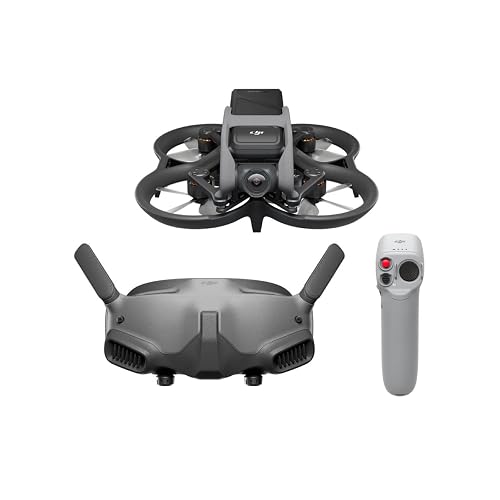
DJI Avata Pro-View Combo (DJI Goggles 2) FPV Drone
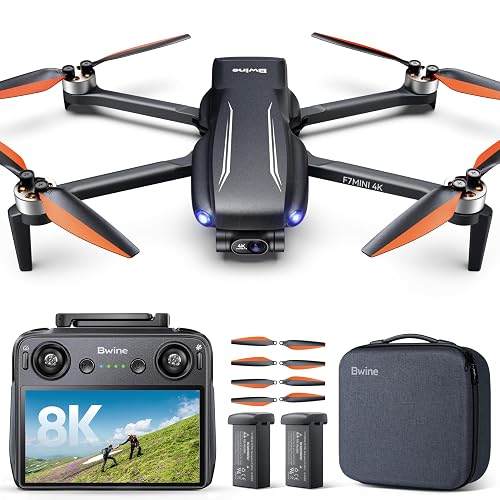
Bwine F7MINI 8K Photo 5.5″ 1080P RC Screen Drone
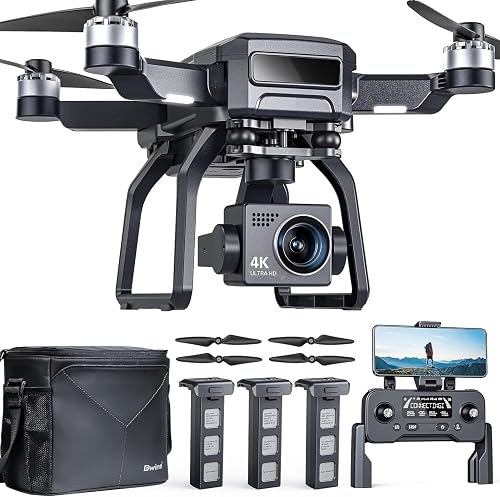
Bwine F7GB2 Pro Drone with 4K UHD 3-Axis Gimbal
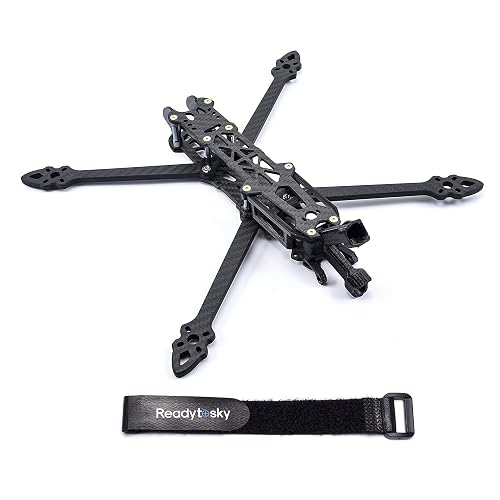
Readytosky 295mm HD 7″ FPV Racing Drone Frame Kit

BETAFPV Meteor75 Pro P1 1S Brushless Whoop
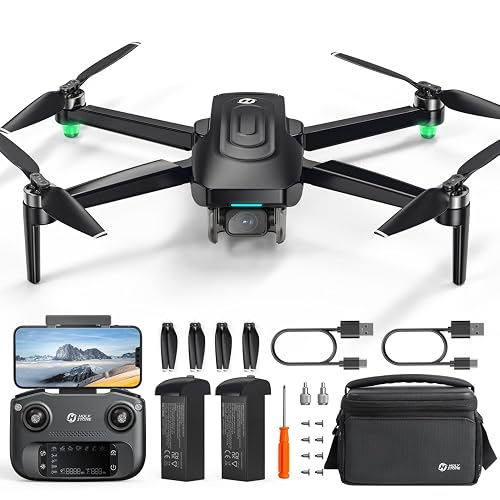
Holy Stone HS175G GPS Drone with 4K EIS Camera
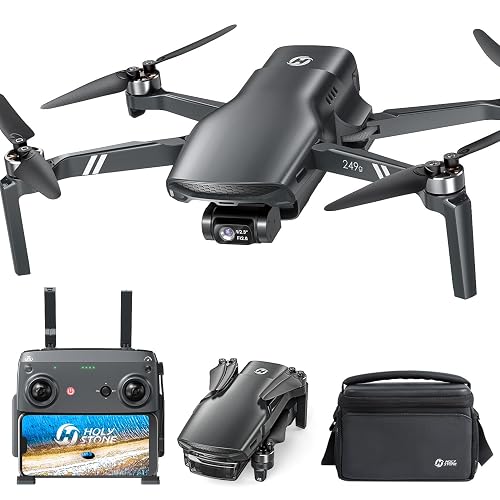
Holy Stone HS900 Drone with 3-Axis Gimbal
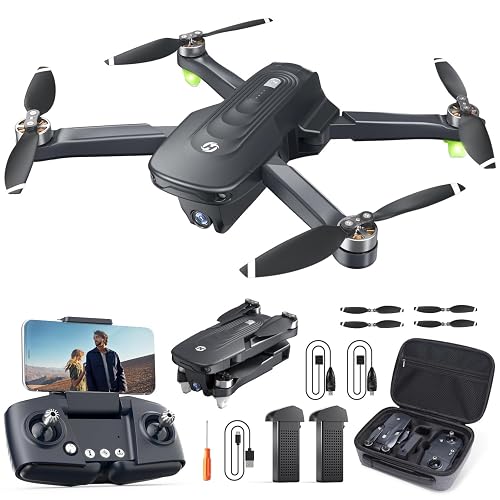
Holy Stone HS175D GPS Drone with 4K Camera
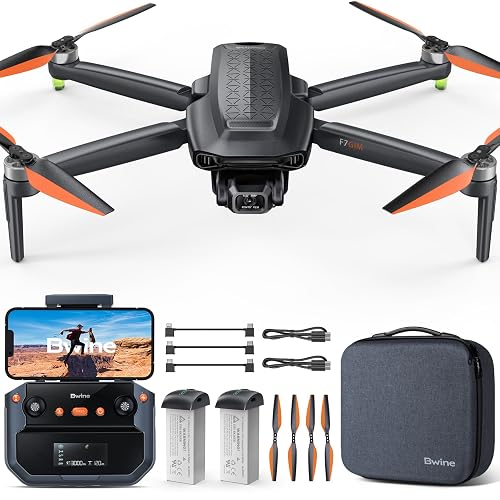
Bwine F7GIM 4K/6K Drone with 3-Axis Gimbal
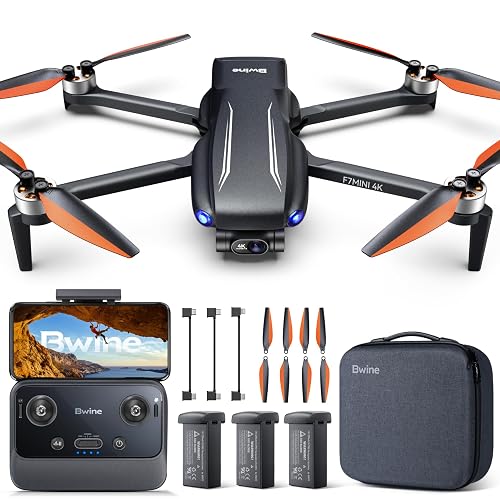
Bwine F7MINI 4K Drone with 3-Axis Gimbal
The Details Behind The Selections
The DJI Avata ships with goggles and a motion controller in the box, so unboxing it is closer to opening a console than assembling a kit. FPV, short for “first-person view,” means you steer from a camera feed streamed to goggles or a screen rather than watching the drone from the ground. The 155-degree field of view feels wide without going fisheye, and the built-in propeller guard keeps early crashes from turning into rebuild sessions.
For someone who has never flown FPV, this combo skips the steepest learning curve: binding, channel setup, and firmware flashing all happen before you leave the house. Pilots who want raw speed will outgrow it, but as a first immersive rig it earns its place at the top.
Where It Helps
- Includes DJI Goggles 2 and motion controller, so no extra purchases are required to start flying FPV
- Built-in propeller guard absorbs beginner bumps that would snap exposed blades
- 4K stabilized video means early flights are still footage worth keeping
- Wide 155-degree field of view gives genuine immersion without nausea for most pilots
- HD low-latency transmission keeps steering responsive, which matters when learning to coordinate turns
Things To Consider
- Higher-tier price than any camera drone on this list
- Goggles can feel heavy during sessions over 20 minutes, depending on head size
- Not designed for racing leagues or freestyle acro, so growth hits a ceiling
At A Glance
Who It Suits Best
Pilots stepping into FPV for the first time who want a single box that delivers the full experience without soldering or pairing extra parts.
Consider Something Else When
The Readytosky 295mm frame suits tinkerers who actually want to wire and tune their own build from scratch.
Where the DJI Avata leans into goggles, the Bwine F7MINI 4K(RC3) skips them entirely with a built-in 5.5-inch 1080p screen on the controller. For pilots who feel queasy wearing headsets or simply prefer a phone-free setup, that built-in monitor is the headline feature. You point, fly, and watch on the same device without strapping anything to your face.
The 8K photo mode is more spec than substance for most beginners, but the 4K video delivers footage clean enough to share on day one. Internal storage on the controller means you can review clips on the spot without unloading SD cards.
Where It Delivers
- Built-in 5.5-inch 1080p screen eliminates the need for a phone or goggles during flight
- 32 GB of internal controller storage means clips are reviewable on the spot
- Around three hours of claimed remote runtime, which is plenty for learning sessions
- 8K stills give flexibility to crop later without losing detail
Trade Offs
- No immersive FPV feel, so pilots chasing that cockpit sensation should look elsewhere
- Brighter sunlight can wash out the built-in screen depending on angle
Right Fit For
First-time flyers who want a phone-free way to see their flight and dislike the feel of goggles on their face.
Look Elsewhere When
The DJI Avata Pro-View Combo suits pilots specifically chasing full-immersive goggles-based FPV flying.
The F7GB2 Pro centers on a 3-axis mechanical gimbal, a motorized mount that physically stabilizes the camera on three axes so footage stays level even when the drone tilts. Most beginner quads rely on electronic stabilization alone, which crops the image and struggles in wind. With a real gimbal, this Bwine records smooth 4K from the moment you take off, even before you’ve mastered smooth stick inputs.
Compare this to the F7MINI covered above: that one wins on portability, while the F7GB2 Pro wins on cinematic quality. For pilots who care more about footage than acrobatics, the gimbal is the upgrade that matters.
Notable Upsides
- 3-axis gimbal keeps footage level during banking turns and beginner wobble
- 4K UHD recording at usable framerates for sharing online
- FAA-compliant design simplifies flying within US regulations
- Stronger wind tolerance than purely electronically stabilized rivals
Honest Caveats
- Heavier than gimbal-less copters, so flight time per battery trends shorter
- Gimbal adds moving parts that can require recalibration after hard landings
Feature Snapshot
Made For
Beginners who want their first flights to produce footage worth keeping, especially for travel and family videos.
Swap It Out When
The Bwine F7GIM suits creators who want 6K stills on top of stabilized 4K video.
The Readytosky 295mm is not a finished drone. It’s a carbon-fiber skeleton meant to house your own motors, flight controller, and video transmitter. For pilots who learn by soldering, the 5mm-thick frame arms survive crashes that snap thinner frames, and the 7-inch wheelbase is the standard for long-range cruiser builds.
Where the Bwine and DJI options above arrive ready to fly, this one demands a parts list, a soldering iron, and patience. That’s the trade. Beginners who want to truly understand FPV benefit enormously from assembling at least one rig from scratch.
Useful Highlights
- Pure carbon fiber construction keeps weight low while staying crash-resistant
- 5mm frame arms handle hard freestyle landings better than budget frames
- HD form factor, a digital video standard, fits modern DJI-style FPV systems cleanly
- Plenty of internal space for larger batteries and longer-range builds
Points To Keep In Mind
- Frame only: motors, ESCs, flight controller, and VTX sold separately
- Total project cost climbs quickly once compatible parts are added
- Not suitable as a first drone for someone who has never picked up a soldering iron
Best Suited To
Hobbyists who specifically want to build their own FPV racer or cruiser and treat the assembly process as part of the hobby.
Where Another Pick Suits Better
The DJI Avata Pro-View Combo suits anyone who wants to fly on day one without touching a soldering iron.
A “cinewhoop” is a small, ducted FPV drone designed for cinematic indoor footage rather than raw racing. The BETAFPV Meteor75 Pro fits that description: a 1S brushless whoop, meaning it uses brushless motors (more efficient and durable than brushed alternatives) on a single-cell battery, light enough to bounce off furniture without ruining the room or the drone.
That said, you still need a compatible radio, goggles, and batteries to actually fly it, which is why this lands mid-list rather than at the top. It’s a step-up pick once you already own a basic FPV starter kit.
Useful Strengths
- Brushless motors outlast brushed motors on tiny whoops by a wide margin
- 1080P HD VTX (video transmitter) feeds clean footage to modern digital goggles
- Ducted frame protects props and indoor walls from collision damage
- Compact enough to fly through standard doorframes
Some Limits To Know
- Requires separate goggles, radio controller, and batteries to operate
- 1S power limits speed and wind tolerance compared to larger quads
- Firmware version requirements (V2.0.5+) must be checked before pairing with third-party gear
Quick Facts
Who Will Love This
Pilots who already own FPV goggles and a compatible radio and want a small indoor cinewhoop to add to their hanger.
Not Your Match When
The Holy Stone HS175G suits absolute first-timers who need a complete ready-to-fly package.
The Holy Stone HS175G isn’t a true FPV racing drone, but it sits on this list because it’s the most common “first drone” gateway for new pilots. GPS-assisted hovering, automatic return-to-home, and a 4K EIS (electronic image stabilization) camera remove most of the panic from early flights. EIS uses software, not motors, to steady footage, so it’s lighter than a gimbal but less refined.
That said, this is a camera drone with some FPV-style screen feedback, not a full immersion build. Pilots chasing the cockpit feel should keep scrolling to the DJI Avata instead.
Features That Help
- GPS auto-return brings the drone home when the battery runs low or signal drops
- 4K EIS camera with a wide-angle lens for landscape and travel clips
- Sub-250g weight keeps it under FAA registration thresholds
- Up to 60 minutes of total flight time across the included batteries
- Headless mode simplifies orientation for brand-new pilots
Things To Weigh
- Not a true immersive FPV experience, so racing-curious pilots outgrow it quickly
- EIS footage can’t match 3-axis gimbal smoothness in heavy wind
Perfect Match For
First-time pilots who want a forgiving, GPS-stabilized camera drone to learn basic stick inputs before stepping up to FPV.
Reach For A Different Pick When
The DJI Avata Pro-View Combo better suits pilots who want real FPV goggles immersion from day one.
The HS900 steps the Holy Stone line up with a real 3-axis mechanical gimbal, a 1/2.3-inch CMOS sensor (a moderately large image sensor that captures more light than typical drone sensors), and AI subject tracking. For pilots who want smooth footage, follow-me modes, and longer transmission range than entry-level quads, this is the natural upgrade within the brand.
It still isn’t a true racing drone. Think of it as the camera-first sibling to the HS175G, trading some beginner simplicity for higher-end output.
Well-Handled Touches
- 3-axis gimbal delivers smoother footage than EIS-only rivals
- 8K stills and 4K/30FPS video cover both photo and motion needs
- AI Follow Me mode keeps subjects framed during walking, hiking, or biking
- Smart Return-to-Home adds safety when range is pushed
- Sub-249g design keeps paperwork minimal in regulated regions
Practical Considerations
- Heavier than the HS175D, so carry space matters on travel days
- QuickShots and AI modes assume open skies, so they underperform near trees
- Not designed for FPV racing or freestyle flight
Key Specs
Whose Shelf It Belongs On
Travel videographers stepping up from toy drones who want gimbal-grade footage without moving into pro-tier pricing.
A Better Fit Elsewhere
The Bwine F7GIM suits pilots who prioritize 6K stills and brushless gimbal precision in similar weight class.
The HS175D is the workhorse of the Holy Stone beginner lineup: under 249g, GPS-assisted, foldable, and long enough on a single charge to actually finish a flight session. The 110-degree wide-angle lens and 4K camera cover most casual needs without weighing you down.
Compared to the newer HS175G above, this older sibling costs less and trades EIS for a simpler stabilization stack. For backyard and park flyers who don’t need AI tracking, that trade works.
Why It Works Well
- Brushless motors last longer than the brushed motors in cheaper quads
- GPS auto-return reduces lost-drone panic for beginners
- Up to 46 minutes of total flight across both batteries
- Circle Fly and Waypoint Fly modes add creative shots without manual stick work
Less Ideal Details
- No mechanical gimbal, so footage depends on software stabilization
- Wind tolerance drops in anything above a light breeze
- Not a true FPV racing drone, despite the FPV-adjacent positioning
Built With In Mind
Casual backyard pilots who want a long-flying, GPS-safe camera drone as a stepping stone toward real FPV later.
Skip It When
The Holy Stone HS175G suits pilots who want electronic stabilization and a longer combined flight time in a similar form factor.
The Bwine F7GIM pushes the brand’s camera line into genuine creator territory. A 3-axis brushless gimbal (the brushless motors here mean quieter, longer-lasting stabilization than servo-driven gimbals) keeps footage level even in wind that would shake a smartphone-style stabilizer, and 6K photo resolution gives real cropping headroom for landscape shots.
It’s overkill if all you want is a backyard flyer. It earns its place when footage is the point of the purchase.
What Helps Most
- Brushless 3-axis gimbal holds steady in wind that disrupts cheaper stabilizers
- 6K stills let you crop tightly without losing print-ready detail
- 4K/30FPS video suits most online sharing workflows
- Strong flight stability supports confident outdoor use on breezy days
Trade-Offs To Consider
- Heavier than fixed-camera rivals, so battery life per flight trends shorter
- Gimbal calibration may be needed after harder landings
Who Should Grab It
Detail-focused creators who want stills and stabilized video from a single ready-to-fly package.
Another Choice May Suit
The Holy Stone HS900 suits pilots who want longer transmission range and AI tracking in a similar weight class.
The second Bwine F7MINI on this list earns its slot by adding a real 3-axis gimbal to a sub-249g body. Compare that to the screen-equipped F7MINI covered earlier: that one trades gimbal stabilization for a built-in monitor. This version swings the other way, giving pilots mechanical smoothness in a paper-light package.
For travel days where every gram matters, this is the most travel-ready gimbal drone on the list.
What Makes Sense
- Sub-249g weight avoids FAA registration in the US
- 3-axis gimbal fits in a body small enough for a jacket pocket
- 8K stills and 4K/30FPS video cover both photo and motion needs
- F1.8 aperture lens gathers more light than typical drone cameras
Things To Weigh Up
- Small body means shorter flight time per battery than larger copters
- Gimbal precision can drift after repeated rough landings, depending on use
The Right Fit
Travel-light pilots who want gimbal-grade footage without tipping into the registration paperwork zone.
Where A Sibling Pick Shines
The Bwine F7MINI with the built-in RC screen suits pilots who prefer a phone-free viewing setup over gimbal stabilization.
How To Pick Your First FPV Drone Without Regret
Buying FPV gear as a beginner comes down to three honest questions: how much immersion do you actually want, how much soldering are you willing to do, and how forgiving does the first few flights need to be. Beginners chasing full cockpit-style FPV should start with a ready-to-fly combo like the DJI Avata, which bundles goggles and a stabilized rig so the only learning curve is the sticks.
Pilots who mostly want aerial photos and video, with FPV-style fun as a bonus, will find camera-first quads like the Holy Stone HS175G or Bwine F7GB2 Pro a friendlier first step. They trade true immersion for GPS safety nets and gimbal-stabilized footage.
Builders who treat assembly as part of the hobby should look at frames like the Readytosky 295mm, knowing the project cost climbs once motors, ESCs, and a video transmitter are added. Cinewhoops like the BETAFPV Meteor75 Pro fit pilots who already own a radio and goggles and want a small indoor flyer.
Match the rig to your goal, not the other way around. A racing-curious pilot who buys a camera drone will outgrow it in a month. A casual traveler who buys a 7-inch carbon racer will feel overwhelmed before the second battery.
Things To Watch Before You Commit
Common Shopping Slip Ups
New pilots often grab the smallest, cheapest “drone” they see and assume FPV means the same thing. It doesn’t. A toy quad with no FPV feed is a different product category. Confirm the listing specifically mentions a video feed to goggles or a screen before checkout, and double-check whether batteries, a charger, and a radio are included or sold separately.
Where The Extra Money Goes
Stepping up to a true FPV combo means paying for goggles, a stabilized camera mount, and a transmission system that holds up at speed. The upgrade pays off when crashes stop being catastrophic and footage stays usable. For camera-first pilots, the higher tier buys a 3-axis gimbal and longer transmission range, which translates directly into smoother footage and fewer flyaway incidents.
Frequently Asked Questions
What Is FPV flying, exactly?
FPV stands for first-person view, meaning you steer the drone from a live video feed streamed to goggles or a screen, rather than watching it from the ground.
Do I need goggles to fly FPV?
Not always. Some beginner drones, like the Bwine F7MINI with the built-in RC screen, stream video to a controller-mounted monitor instead of goggles.
Are racing drones harder to fly than camera drones?
Generally yes. Racing and freestyle quads fly faster and respond more aggressively, so a stabilized beginner drone or a cinewhoop is the safer place to start.
Can I learn FPV without building a drone?
Yes. Ready-to-fly combos like the DJI Avata ship with everything needed for first flights, while frames like the Readytosky 295mm require full assembly.
What is a cinewhoop?
A cinewhoop is a small, ducted FPV drone designed for smooth indoor or close-quarters cinematic footage rather than racing speed.
The Takeaway
The right first FPV drone depends less on specs and more on what kind of flying you actually want to do. Pilots chasing immersion should start with the DJI Avata combo, while camera-first flyers will find the Bwine and Holy Stone gimbal options friendlier on day one. Builders and existing FPV pilots have ready homes in the Readytosky frame and BETAFPV whoop. Pick the rig that matches your real goal, and the rest of the learning curve gets a lot shorter.