
Whether you’re plotting a backcountry route, mapping a golf round, or keeping tabs on a trailer parked at a remote job site, the right handheld GPS makes the difference between guessing and knowing. This roundup covers satellite communicators for true off-grid travel, golf-focused handhelds with preloaded course maps, and compact trackers built for vehicles and gear. Every pick here earns its place for a specific reason, and the buying guide breaks down which features actually matter for your situation.
A Quick View Of The Lineup

Garmin inReach Mini 2 Satellite Communicator (Flame Red)
MiLESEEY GeneSonic Pro Golf GPS Speaker

MiLESEEY GeneSonic Pro Golf GPS Speaker (Squad Camo)
Garmin inReach Explorer+ with Topo Maps
LandAirSea 54 GPS Tracker (Magnetic)
LandAirSea Overdrive GPS Tracker

MILESEEY GenePro S1 AI Golf Rangefinder
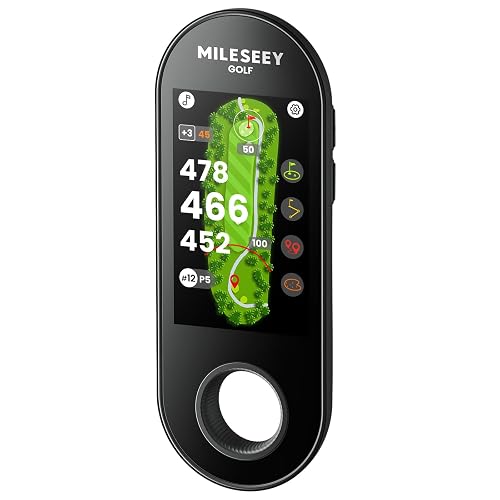
MILESEEY GeneSonic Go Golf GPS Handheld

LandAirSea Sync OBD-II GPS Tracker
The Strengths Of Each Pick
The Garmin inReach Mini 2 shrinks serious satellite safety into something you can clip to a pack strap and forget you are carrying. Built for hikers, hunters, and paddlers who wander past the last cell tower, it sends two-way text messages through the Iridium network, a constellation of low-orbit satellites that covers the entire planet, and triggers an SOS that routes to a 24/7 monitoring center. The compact shell weighs just a few ounces and pairs with your phone for keyboard typing on a familiar screen.
Compared to the larger inReach Explorer+ reviewed below, this Mini trades onboard topo maps for portability. You map routes on the companion app, not the device itself, which keeps the interface simple but means you depend on your phone for detailed navigation. It runs on a rechargeable lithium battery and ships with a carabiner and USB cable in the box.
Points In Its Favor
- Genuinely pocket-sized at roughly four inches tall, so it disappears on a pack hip belt.
- Two-way satellite text messaging keeps you in touch when there is no cell signal anywhere.
- Dedicated SOS button routes emergencies to a trained response team around the clock.
- Pairs with a phone app for easier typing and route planning, which saves the device’s tiny screen for quick checks.
- Long battery life that owners commonly report stretching several days on moderate tracking intervals.
Things To Weigh
- An active satellite subscription is required to send messages or trigger SOS, adding an ongoing cost most users underestimate.
- The screen is small and sunlight readability can suffer at certain angles without shading.
Key Product Details
Right Fit For
Solo backpackers, hunters, and paddlers who value weight savings and need a reliable emergency lifeline beyond cell range.
Look Elsewhere When
Travellers who want full topographic maps loaded directly on the device should consider the Garmin inReach Explorer+ instead.
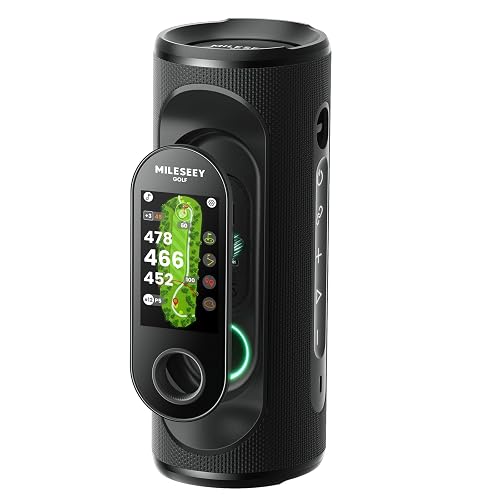
The GeneSonic Pro does something most golf GPS units do not: it doubles as a detachable Bluetooth speaker. You walk the fairway with the speaker docked on your cart, getting audible yardages and music in one unit, then pop the small GPS module off when you want a lighter carry on approach shots. It comes preloaded with more than 43,000 courses worldwide and there is no subscription fee to keep using them.
Where the Garmin inReach Mini 2 above is built for wilderness emergencies, this is firmly a course companion. You tap the detached GPS module like a remote to hear spoken distances, control playback, and switch tracks without pulling out your phone. The magnetic docking design feels tidy, and most weekend golfers will appreciate not juggling two devices on a warm afternoon.
Well-Handled Touches
- Detachable GPS rangefinder keeps weight low on walking-only rounds.
- Over 43,000 preloaded courses mean no surprise subscription charges later.
- Audible distance readouts let you keep your phone in your pocket between shots.
- Built-in speaker handles music playback, so you leave the separate cart speaker at home.
Worth Noting
- Course updates for newly opened tracks may require contacting support, which adds a short wait compared to cloud-synced apps.
- Speaker battery and GPS battery drain at different rates depending on volume and tracking use.
Made For
Walking golfers who split time between music and yardages and prefer a single all-in-one unit over a phone app.
Consider Something Else When
Players who only need yardage numbers and want the lightest possible device should look at the MILESEEY GeneSonic Go further down.
This is the same GeneSonic Pro hardware dressed in a Squad Camo finish, marketed as a limited run. Functionally it matches the standard model: detachable GPS module, speaker dock, 43,000-plus preloaded courses, and no subscription needed. The camouflage wrap is the only meaningful difference, and it gives the unit a less clinical look in the golf bag.
You can think of it as the personalisation option for golfers who care about aesthetics. If you already like the Pro’s concept from review two and want something less common in the cart, this delivers without changing the learning curve. Owners sometimes report the textured finish feels grippier in humid weather than smooth plastic alternatives.
Where It Excels
- Same 43,000-plus course library and zero-subscription model as the standard Pro.
- Camo finish stands out without resorting to stickers or skins.
- Detachable module keeps walking rounds light and uncluttered.
- Audible distances and music playback through one integrated unit.
Points To Note
- Costs a little more than the plain finish for the same internals.
- Limited-edition color may be harder to find if you need a replacement shell later.
Best Suited To
Golfers who want the GeneSonic Pro experience but prefer a bolder look over the standard colorway.
Skip It When
Budget-focused players should default to the standard GeneSonic Pro or the value-focused GeneSonic Go later in this list.
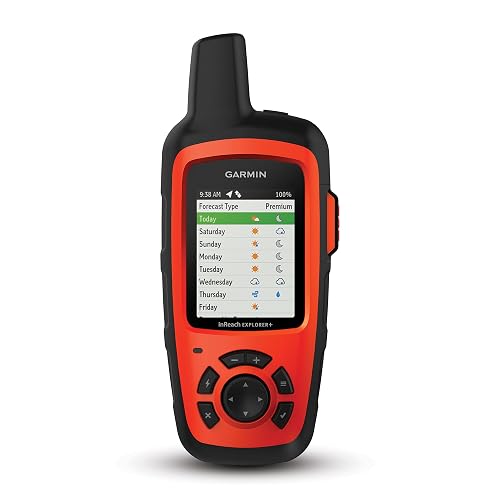
The inReach Explorer+ is the bigger, more capable sibling of the Mini 2 reviewed first. It keeps the same Iridium satellite network and SOS features but adds preloaded topographic maps and a built-in compass, barometric altimeter, and accelerometer, all useful sensors for serious backcountry navigation. You can plot routes directly on the color screen without relying on a phone, which matters when your battery dies or your handset stays in airplane mode.
The Explorer+ trades the Mini’s featherweight design for a chunkier body that some users find easier to grip with cold or gloved hands. For multi-day expeditions where phone batteries cannot keep up, having navigation and communication on one device is a real safety margin. It still requires an active satellite subscription for messaging, just like the Mini.
Standout Benefits
- Preloaded topographic maps render directly on the device, no phone needed.
- Two-way satellite messaging and 24/7 SOS through the global Iridium network.
- Built-in compass, altimeter, and accelerometer add redundant navigation layers.
- Longer battery life than the Mini 2 under comparable tracking settings, depending on conditions.
Trade Offs
- Larger and heavier than the Mini 2, so it is less comfortable on fast-and-light trips.
- Subscription is mandatory for any satellite communication beyond standalone GPS logging.
Key Product Details
Who It Suits Best
Backcountry trekkers, mountaineers, and remote travellers who want navigation and emergency comms in one rugged unit.
Where Another Pick Suits Better
Thru-hikers counting every gram should still lean toward the Garmin inReach Mini 2 reviewed above.
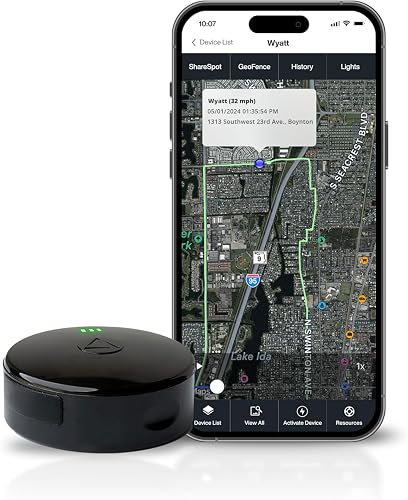
The LandAirSea 54 is a small, puck-shaped tracker with a strong internal magnet, designed to stick discreetly under a vehicle, trailer, or piece of equipment. It reports location through web-based software or the SilverCloud app, with updates as fast as every three seconds and historical playback that stretches up to a year. The sealed shell handles rain and brief submersion, so it keeps logging in weather that would sideline less protected units.
Unlike the Garmin handhelds above, this is not for navigating trails. It is for tracking assets you leave behind, whether that is a contractor’s trailer on a job site or a teen’s car. Setup is straightforward: activate the subscription, mount the puck, and watch the route appear on a map.
Real-World Strengths
- Strong magnetic mount makes installation a one-second affair on steel surfaces.
- Waterproof housing shrugs off rain, puddles, and pressure-washer splashes at the car wash.
- Three-second update intervals give fleet managers tight visibility on movement.
- Historical playback up to one year supports audit-style reviews after the fact.
Softer Spots
- A subscription is required, so the upfront device cost is only part of the total ownership picture.
- Battery life varies sharply with reporting frequency; aggressive three-second mode drains it fast.
Right Fit For
Small fleet operators, parents monitoring a new driver, and anyone who wants to recover stolen equipment quickly.
Reach For A Different Pick When
Drivers who prefer a clean OBD-II install with no visible hardware should consider the LandAirSea Sync tracker further down.
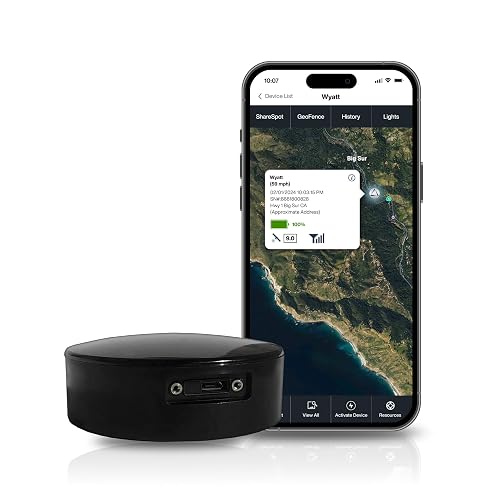
The Overdrive is the workhorse sibling of the LandAirSea 54 reviewed above. It shares the magnetic, waterproof design but leans on an extended-life battery that handles longer intervals between charges. Coverage reaches more than 155 countries, and the same SilverCloud platform handles live tracking, geofencing alerts, and historical playback.
Where the 54 fits casual asset tracking, the Overdrive targets commercial use on trailers, construction equipment, and recreational vehicles that sit unused for days at a time. The setup is genuinely fast: power on, place under the asset, and the unit starts reporting within minutes. Owners commonly note that the larger battery is what makes the difference for unattended equipment.
A Few Highlights
- Extended-life battery supports longer deployments without frequent recharging.
- Magnetic mount and waterproof build suit outdoor and under-vehicle locations.
- International coverage spans over 155 countries for cross-border fleets.
- Geofencing and real-time alerts notify managers the moment an asset moves unexpectedly.
Honest Caveats
- Heavier than the standard 54 because of the larger battery, which can limit mounting spots.
- Subscription pricing is higher than basic trackers, reflecting the commercial feature set.
- Asurion-style protection plans that pair with this listing are intended for personal-use items, not commercial fleets.
Key Product Details
The Right Fit
Commercial operators with trailers, heavy equipment, or seasonal assets that sit idle for long stretches.
Swap It Out When
Casual users tracking a single personal car will get plenty from the smaller LandAirSea 54 above or the Sync below.
The GenePro S1 takes a different approach than the GeneSonic models reviewed above. Instead of preloaded course maps, it uses a laser rangefinder (a device that measures distance by timing a laser pulse to its target and back) rated out to 2000 yards, paired with 7.5X magnification optics. The AI-assisted SmartSlope feature adjusts yardages for elevation changes, and a vibration pulse confirms when the rangefinder locks onto the flagstick so you know the number is to the pin, not the trees behind it.
This is a “see and shoot” tool rather than a handheld mapping screen. Players who grew up with laser rangefinders on professional tours will feel at home, while golfers used to GPS maps will trade the bird’s-eye layout for pinpoint distance to specific targets. The magnetic cart mount keeps it within reach on the steering wheel or frame.
Notable Upsides
- Long 2000-yard range handles long drives and par fives without manual adjustment.
- Flag-lock vibration confirms the laser grabbed the pin, not a tree trunk.
- Slope-adjusted distances account for elevation, which is useful on hilly courses.
- Magnetic mount makes cart access quick and tool-free.
Less Ideal Details
- No map view means you do not get the full hole layout like the GeneSonic units offer.
- Slope-adjustment tournaments may require a non-slope mode, so check league rules before relying on it in competition.
Whose Shelf It Belongs On
Low-handicap players who want exact flag distances and trust laser readings over preloaded maps.
Not Your Match When
Recreational golfers who prefer a full color map of each hole should default to the MILESEEY GeneSonic Go further down.
The GeneSonic Go strips the GeneSonic Pro concept down to its essentials: a 3-inch full-color touchscreen, preloaded access to more than 43,000 courses, and no subscription. There is no speaker module, so you lose the music and dock features, but you also lose the bulk and the second battery to manage. For golfers who only care about yardages and hole layouts, this hits a sensible middle ground.
It is the kind of device you tuck in a pocket, glance at on the tee box, and forget about until the next shot. Course updates for new tracks still go through the support team, similar to the Pro, so factor that in if you play on a brand-new layout frequently.
A Few Strong Suits
- Preloaded 43,000-plus course library with no subscription ever.
- Compact 3-inch color touchscreen fits in a pocket without weighing down your belt.
- Touch interface speeds up scrolling through hole views and hazard info.
- Simple charging over USB means one cable handles phone and GPS on the road.
Small Caveats
- Newer courses may require a short support request before they appear in the database.
- Gloved use on the touchscreen can be hit-or-miss in cold weather.
Key Product Details
Who Should Grab It
Recreational golfers who want detailed course maps without paying a subscription or hauling a speaker unit.
Where A Sibling Pick Shines
Golfers who want music on the course should still pick up the MiLESEEY GeneSonic Pro reviewed earlier.
The LandAirSea Sync plugs directly into a vehicle’s OBD-II port, the standardized diagnostic connector found in most cars and light trucks built after 1996. There is no wiring, no magnet to place, and no battery to charge, since the unit draws power from the vehicle itself. Live 4G LTE tracking updates every three seconds, with playback history up to a year.
Compare that to the magnetic LandAirSea 54 reviewed above, and the trade-off becomes clear. The Sync trades stealth for simplicity: anyone with access to the cabin can pull it out in seconds. For parents monitoring a teenager’s car or small businesses tracking company vehicles, that ease of install usually matters more than concealment.
Bright Spots
- Plug-and-play install takes seconds, no tools or wiring required.
- Vehicle-powered operation removes battery charging from your routine.
- Three-second location updates support real-time route monitoring.
- Up to one year of playback history for after-the-fact route reviews.
Worth Bearing In Mind
- Monthly subscription is required to keep receiving location data.
- Easily visible to anyone sitting in the driver’s seat, so it is not a covert anti-theft device.
- Only works in vehicles with a compatible OBD-II port.
Built With In Mind
Personal car owners, families tracking a new driver, and small fleets that already leave vehicles unlocked and accessible.
A Better Fit Elsewhere
Anyone who needs a hidden tracker that survives outside the cabin should pick the magnetic LandAirSea 54 or Overdrive earlier in this roundup.
Factors To Consider When Choosing Handheld Gps Navigators
Match The Tool To The Terrain
Backcountry travellers should prioritise satellite communicators like the Garmin inReach models for emergency contact where cell towers do not reach. Golfers, on the other hand, need preloaded course data, hole layouts, and accurate yardage to the pin or green centre. Asset trackers are built for vehicles, trailers, and equipment, not for personal navigation. Picking the right category upfront saves you from overpaying for features you will never use.
Subscription Versus One-Time Cost
Golf GPS units like the MILESEEY GeneSonic models run on preloaded course databases with no ongoing fees. Satellite communicators and most asset trackers require monthly or annual subscriptions to transmit data through cellular or satellite networks. That ongoing cost is easy to underestimate, especially on satellite plans that scale with message frequency.
Battery Life And Power Source
Rechargeable lithium batteries handle day hikes and weekend rounds comfortably. Extended-life battery packs, like the one in the LandAirSea Overdrive, suit long deployments on idle equipment. OBD-II trackers draw constant power from the vehicle, eliminating charging but tying the device to cars with the right diagnostic port.
Mapping And Display Preferences
Color touchscreen handhelds give you a bird’s-eye view of each hole, with hazard lines and green shapes. Laser rangefinders trade that map for an exact distance to any target you point at, including pins behind trees. Decide whether you want a “look at the screen” device or a “shoot the target” device before buying.
Key Considerations Across These Picks
Common Shopping Slip Ups
Many shoppers grab a satellite communicator and forget to budget for the required subscription, which can run into hundreds of dollars a year on heavy-use plans. Others buy a golf GPS with a beautiful map view, then realise their home course is newer than the database and needs an update request. A third trap is picking a magnetic tracker for a vehicle made mostly of aluminum or fiberglass, where the magnet cannot hold. Always check subscription requirements, course database recency, and mounting surface compatibility before committing.
What The Higher Tier Buys
Stepping up from the Garmin inReach Mini 2 to the inReach Explorer+ adds preloaded topographic maps and onboard sensors, removing the need to pair a phone for navigation. Moving from the standard LandAirSea 54 to the Overdrive swaps a smaller battery for an extended-life one that handles long idle stretches on commercial equipment. In golf, the MILESEEY GenePro S1 adds laser precision and slope adjustment that map-based handhelds cannot match. The upgrade is worth it when you actually use those capabilities on every outing, not just once in a while.
Frequently Asked Questions
Do handheld GPS units still matter when smartphones exist?
Smartphones handle everyday navigation well, but battery life drops fast in cold weather, cell coverage vanishes in remote terrain, and touchscreens become sluggish with wet gloves. Dedicated handheld units like the Garmin inReach handhelds add satellite communication, longer battery life, and ruggedised housings that phones lack.
How accurate are handheld GPS devices?
Modern handheld units typically locate you within a few meters under open sky, which is more than enough for trail navigation and golf. Accuracy can dip near cliffs, dense canopy, or urban canyons where satellite signals bounce or block. Laser rangefinders like the MILESEEY GenePro S1 add sub-yard precision to specific targets.
Can golf GPS handhelds be used without a subscription?
Several units, including the MILESEEY GeneSonic Pro, GeneSonic Go, and GeneSonic Pro Squad Camo, ship with preloaded course databases and no subscription fees. You only need to contact support to add newly opened courses not yet in the library.
What is the real difference between a GPS tracker and a GPS navigator?
A navigator guides you to a destination using maps and routes, like the Garmin inReach Explorer+. A tracker reports the location of an asset, like a vehicle or trailer, to a remote user through cellular or satellite networks, which is what the LandAirSea models do. The overlap is small, and mixing them up leads to buying the wrong device for your goal.
How long do handheld GPS batteries last?
Battery life varies widely with usage. Light trail logging on a Garmin inReach Mini can stretch several days, while aggressive three-second tracking on a LandAirSea tracker can drain a full charge in a much shorter window. Always check the manufacturer’s interval-versus-life chart before assuming a single charge will cover your trip.
Wrap Up
Handheld GPS navigators split into three clear jobs: emergency communication off the grid, course management on the fairway, and asset tracking for vehicles and gear. Identify which job matters most to you, then choose the device that does that job well. The picks above cover each lane with a strong balance of features and trade-offs, and the buying guide highlights the details worth weighing before you decide.