
A good trail monocular disappears in your pocket until a distant ridgeline, a soaring hawk, or a tree line you can’t quite read demands a closer look. The right one weighs almost nothing, focuses fast with cold fingers, and survives the kind of weather that ruins a phone screen. The wrong one wobbles, fogs up the moment humidity shifts, and leaves you squinting instead of seeing. This roundup sorts through nine optically different options for hikers, backpackers, birders, and night observers, so you spend less time comparing specs and more time looking at the scenery you came for.
The Picks In Brief
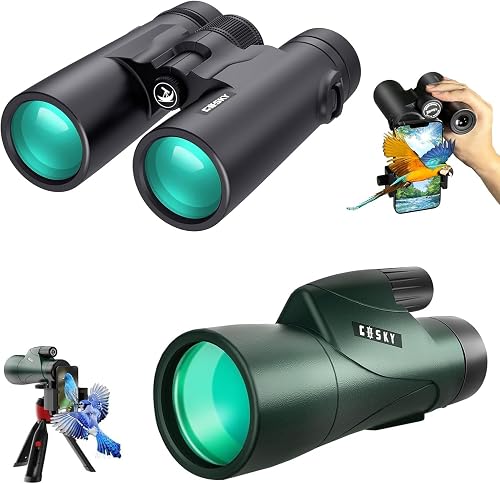
Gosky 10×42 HD Binoculars and Piper 12×55 Monoculars with Phone Adapter
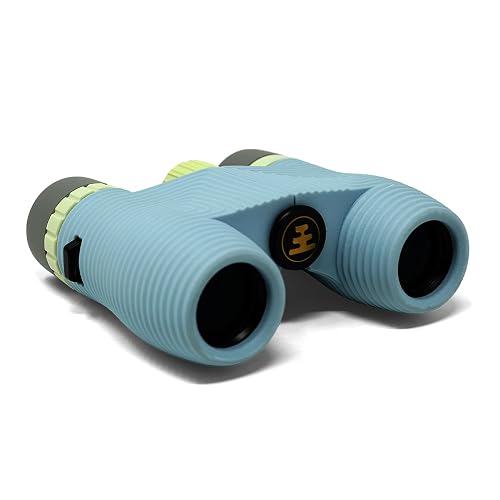
Nocs Provisions Standard Issue 10×25 Binoculars, Waterproof, Bird Watching
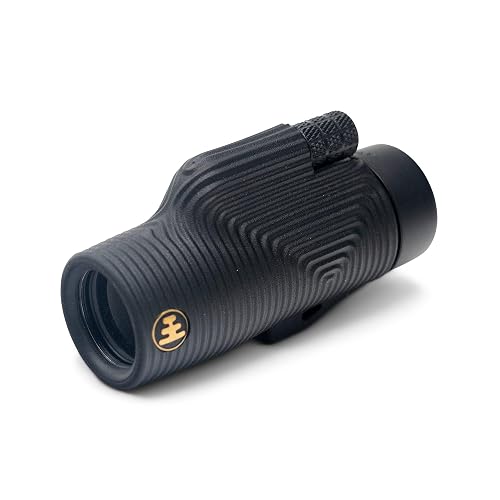
Nocs Provisions Zoom Tube 8×32 Monocular, Bird Watching & Backpacking
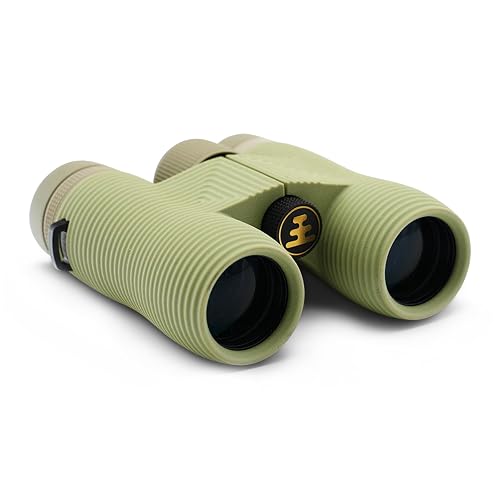
Nocs Provisions Field Issue Compact 10×32 Waterproof Binoculars Shockproof
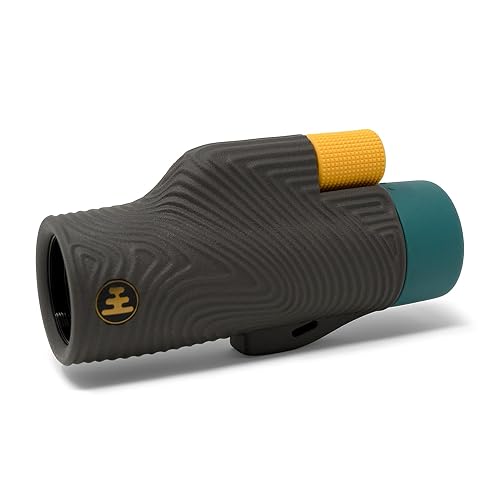
Nocs Provisions Field Tube 8×32 Waterproof Monocular, Bird Watching

RIX Pocket K2 Portable Thermal Monocular for Hunting, 256×192 (50Hz), Wi-Fi, Handheld Night Vision Monocular
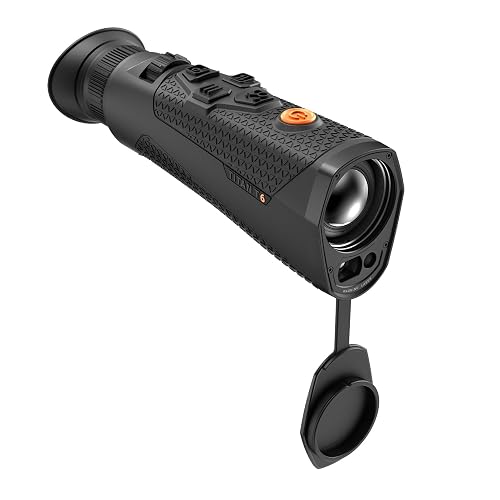
RIX Titan-T6 Thermal Monocular LRF 35mm 640×480 with Laser Rangefinder

RIX Stride ST3 Lite 384 Thermal Monocular, Helmet-Mounted 1x
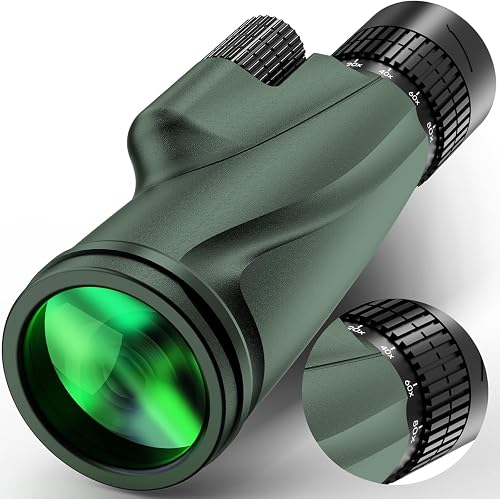
Monocular Telescope 80×100, Wide Field HD Monoculars with Tripod and Phone Adapter
Most hiking monoculars ship alone, which forces a choice: wide-field binocular viewing or a higher-magnification single-eye optic. The Gosky bundle sidesteps that by pairing both, so a trail user gets binocular comfort for long observation sessions and a 12×55 monocular for picking out distant ridge features or far-off birds. The pair shares BAK4 prisms (a high-density glass prism that improves light transmission and edge sharpness) and fully multi-coated lenses (multiple anti-reflective coatings on every air-to-glass surface), which keeps colors reasonably true at dawn and dusk.
You also get a universal smartphone adapter with each optic, turning either into a digiscoping rig for casual nature photography. For weekend hikers, scout leaders, or anyone introducing a kid to optics, having both formats in one box carries real value.
Why It Works Well
- Two optics in one purchase covers both wide-field binocular use and high-magnification monocular use.
- BAK4 prisms and full multi-coating preserve brightness in low light on shaded trails.
- Nitrogen-filled, sealed bodies resist fog and water crossings.
- Included phone adapters let you capture or share what you see without buying extras.
- A single 12×55 monocular reaches farther than the bundled 10×42 binoculars for distant targets.
Worth Noting
- Carrying both optics adds weight compared with the single-tube options later in this list.
- Plastic focus wheels and eyepieces feel less refined than metal-bodied rivals.
- Phone adapter fit varies with phone case thickness, so expect some trial and error.
Key Specs
Best Suited To
Weekend day hikers, casual wildlife watchers, and households that want one kit covering both binocular and monocular use.
Consider Something Else When
Ultralight backpackers counting every gram should look at the Nocs Provisions Zoom Tube 8×32 instead, since it sheds a lot of weight in a single monocular.
For hikers who keep gear minimal, the Standard Issue 10×25 is the kind of binocular that ends up riding in a jacket pocket all day without feeling like a burden. The body is light enough that you forget it’s there, yet the rubber armor and sealed construction mean a sudden rain shower or a drop onto a rocky ledge doesn’t end the trip. The fully multi-coated optics and a Swiss-designed Bak4p prism (a precision-ground BAK4 variant) keep views bright enough for trail-side bird ID.
This is a binocular, not a monocular, so it pulls double duty for those who prefer both eyes open on long walks. Where pure reach matters, you’ll want to step up to a 32mm objective, but the trade for that pocketability is one many travelers happily accept.
Where It Excels
- Compact dimensions slip into a hip belt pocket or jacket without bulging.
- Fully multi-coated lenses with a Bak4p prism keep colors faithful in shaded woods.
- Waterproof, fog-proof, and scratch-resistant housing handles wet conditions.
- Central focus wheel is smooth enough for one-handed adjustment on the move.
Trade Offs
- The 25mm objective gathers less light than a 32mm or 42mm optic at dawn and dusk.
- 10x magnification is the upper limit for steady handholding without a support.
Perfect Match For
Day hikers and travelers who want a binocular that lives in a pocket, not a pack strap, and who hike mostly in daylight.
Skip It When
Low-light birding or serious astronomical viewing calls for the Nocs Provisions Field Issue Compact 10×32 instead, with its larger 32mm objective.
Monoculars earn their place on long trails by saving weight in two places: the optic itself, and what it lets you leave at home. The Zoom Tube weighs in around 9.5 ounces, has a 384-foot field of view at 1000 yards, and uses the same fully multi-coated glass and Bak4p prism formula Nocs uses in its binoculars. The single-eyepiece design means one hand free for trekking poles and a hip belt clip instead of a neck strap.
For multi-day backpackers, this is the kind of optic you stop debating about and just pack. The trade-off sits in low-light gathering: a 32mm objective is a sweet spot for daylight but loses ground against a 42mm when the sun drops below the ridge.
Everyday Perks
- Sub-10-ounce weight barely registers on a loaded pack.
- 8x magnification stays steady in unassisted hands.
- Wide 384 ft field of view at 1000 yds makes tracking moving birds easier.
- Scratch-resistant, water-resistant body handles stream crossings and dust.
Room For Improvement
- Central focus can feel slow when switching from far ridge to close subject.
- No rubber eyecup adjustment for eyeglass wearers is mentioned in the source.
Quick Facts
Who Should Grab It
Multi-day backpackers, thru-hikers, and minimalist kit builders who prefer single-eye viewing on the move.
Where Another Pick Suits Better
Anyone prioritizing waterproofing for river crossings or coastal hikes should consider the Nocs Provisions Field Tube 8×32, which is fully sealed.
The Field Issue is Nocs’ answer to hikers who want binocular comfort without the bulk of a 42mm full-size optic. The 10×32 configuration pairs enough reach to identify distant wildlife with a body that still rides comfortably on a chest harness. The oversized focus wheel is a quiet upgrade, since turning it with gloves or cold fingers stays easy when other wheels turn into a wrestling match.
Shockproof and waterproof construction means a tumble onto talus or a sudden downpour won’t end the day’s observation. The HiFi Fully Coated optics and Bak4p prism are tuned for color accuracy in mixed forest light.
Useful Highlights
- 10×32 balance pulls double duty for bird ID and distant landmark spotting.
- Oversized focus wheel adjusts precisely with gloves on.
- Sealed, fog-proof, and shock-resistant for rough trails and weather.
- Lightweight for its size at 16.7 oz, so it doesn’t drag a chest harness.
Points To Note
- Heavier than pocketable 25mm binoculars, so plan storage on the harness.
- 10x magnification requires steady hands or a support for long sessions.
Spec Overview
Made For
Hikers, birders, and outdoor educators who want binocular viewing in rough conditions where weather and drops are real possibilities.
Look Elsewhere When
Backpackers who only want one eye engaged should pick the lighter Nocs Provisions Field Tube 8×32 monocular instead.
The Field Tube is the lightest fully waterproof monocular in this roundup, tipping the scale at roughly 8.09 ounces. That sounds trivial until you add it to a fast-and-light kit and notice the difference at mile 12. Nocs gives it the same oversized focus wheel and Bak4p prism as its binoculars, so the focus action feels familiar if you own other Nocs gear.
The 405-foot field of view at 1000 yards and 8x magnification make it well suited to following warblers and small wildlife through brush. The “kids and adults” framing in the source hints at a real strength: simple operation, low weight, and tough enough to survive a drop on a picnic table.
Real-World Strengths
- 8.09-ounce weight is the lowest in the waterproof category here.
- Fully sealed against water and fog for wet weather and stream crossings.
- 405 ft field of view at 1000 yds tracks moving birds smoothly.
- Scratch-resistant exterior holds up to pocket carry.
Honest Caveats
- Fully Coated optics are a step down from the Fully Multi-Coated tubes in pricier Nocs models.
- Single-eyepiece viewing can fatigue faster than binocular setups during long sits.
Feature Snapshot
Whose Shelf It Belongs On
Ultralight backpackers, families introducing kids to birding, and anyone building a one-pound base weight kit.
A Better Fit Elsewhere
Photographers who want digiscoping capability should consider the Gosky bundle, since it includes phone adapters for both optics.
Thermal monoculars have a reputation for being bulky and battery-hungry, and the Pocket K2 sets out to challenge that. It runs a 256×192 sensor at a 50Hz refresh rate (the screen updates 50 times per second for smoother motion) and pairs it with a Wi-Fi link to a phone or tablet. The body stays pocketable enough to ride in a jacket or chest pouch on a hike.
For hikers and hunters who actually go out before sunrise, thermal imaging tells a different story than daylight optics: it sees heat, not light. That makes the Pocket K2 useful for tracking game sign at dawn, locating a stray dog at night, or scanning a campsite perimeter.
Notable Gains
- Compact thermal footprint fits in a jacket pocket or chest rig.
- Wi-Fi streaming extends the view to a phone for group observation or recording.
- 50Hz refresh keeps moving subjects readable when scanning.
- Handheld design is intuitive for first-time thermal users.
Less Ideal Details
- 256×192 resolution limits fine detail compared with higher-resolution thermal units.
- Battery life on thermal devices generally trails daylight optics, so plan a power bank for long trips.
Right Fit For
Hunters and hikers who want true after-dark detection in a pocket-friendly form factor and who don’t need professional-grade resolution.
Reach For A Different Pick When
Long-range detection across open terrain is the goal, in which case the RIX Titan-T6 LRF 35mm covers far more ground.
The Titan-T6 lives in a different weight class from the Pocket K2, and the spec sheet shows it. A 640×480 sensor with 12-micron pixel pitch (the size of each individual light-detecting pixel, where smaller often means crisper images) pushes detection out to roughly 1818 yards in the source, and the integrated laser rangefinder adds real distance data to thermal observation. The 35mm objective lens and 1920×1080 OLED display (organic LED screen with strong contrast and true blacks) make fine detail easier to read at distance.
For serious night hunters, wildlife managers, and search-and-rescue volunteers, the rangefinder plus ballistic calculator (an onboard solver that estimates holdover based on distance) turns the Titan into a tool rather than a toy. It’s overkill for casual hikers, and the price tier reflects that, but in its lane it pulls weight few rivals can match.
Where It Delivers
- 640×480 thermal sensor resolves more detail than entry-level units.
- Integrated laser rangefinder adds precision distance data.
- Long detection reach supports open-terrain and large-property use.
- OLED display renders deep contrast for picking out heat signatures.
Things To Weigh
- Larger and heavier than pocket thermals, so it lives in a pack, not a pocket.
- Premium feature set pushes it into a price tier beyond casual buyers.
- Laser rangefinder is a Class I device, which may be regulated in some regions.
Built With In Mind
Experienced night hunters, wildlife professionals, and search-and-rescue operators who need rangefinding and serious detection reach.
Not Your Match When
Casual trail hikers should pick the RIX Pocket K2 for a lighter, simpler thermal experience without the rangefinder cost.
The Stride ST3 Lite does something most thermal monoculars don’t: it mounts on a helmet. A true 1x base magnification (the image appears life-size with no zoom distortion) preserves natural depth perception while moving, which matters for hunters tracking in the dark and for anyone doing perimeter patrol. You can also pull it off the mount and use it handheld or mount it in a vehicle, which broadens the use cases without buying a second device.
For night hikers who want hands-free heat vision, helmet-ready thermal changes the workflow completely. You walk normally instead of holding a tube to one eye, and the wide field of view keeps you oriented in the terrain.
The Good Stuff
- True 1x magnification maintains natural depth perception on the move.
- Helmet, handheld, and vehicle mounting share one device.
- Compact body keeps weight manageable on a head mount.
- Wide FOV supports situational awareness during patrol or tracking.
Small Caveats
- Helmet mount and compatible accessories are typically sold separately.
- 384 sensor resolution is solid but trails the Titan-T6’s 640-pixel detail at distance.
Who Will Love This
Active night hunters, property patrollers, and search volunteers who want hands-free thermal without buying a full headset.
Swap It Out When
Long-range spotting from a fixed position matters more than mobility, in which case the RIX Titan-T6 LRF 35mm makes more sense.
The 80×100 monocular markets itself on reach, and the included tripod plus smartphone adapter make that reach usable. High zoom is hard to handhold, so the tripod isn’t just a nice-to-have here: it’s the difference between a steady image and a shaky one. The phone adapter is the other half of the package, turning the optic into a basic digiscoping setup for casual wildlife or landscape shots.
This is the kind of gift-friendly monocular that gets handed to a curious newcomer. The green finish and complete kit give it a “ready to use” feel. Power users will find the optical quality steps behind the Nocs and RIX entries, but for the price-conscious first buy, it covers a lot of ground.
Notable Upsides
- High advertised zoom works well for distant landmarks when tripod-stabilized.
- Tripod and phone adapter ship in the box, removing extra purchases.
- Compatible with most phone models thanks to the adjustable bracket.
- Beginner-friendly operation without specialized knowledge.
Where It May Fall Short
- High zoom is essentially unusable without a tripod, which limits spontaneous use.
- Optical clarity at extreme zoom generally trails fixed-magnification optics in this list.
Who It Suits Best
Casual beginners, gift shoppers, and households that want a one-box monocular kit without buying accessories separately.
Not Your Match When
Serious birders who want real optical quality should choose the Nocs Provisions Zoom Tube 8×32 instead, with its better glass and steadier 8x magnification.
## What To Weigh Before Choosing A Trail MonocularTrail use stresses optics differently than backyard astronomy or stadium seating. Weight tops the list because every ounce compounds over miles, and a monocular that stays clipped to a pack strap is one you’ll actually use. Magnification needs a reality check: anything above 10x is hard to handhold steadily, which is why so many of the picks here land at 8x. The objective lens diameter (the front glass, measured in millimeters) controls light gathering, with 32mm a sweet spot for daylight and 42mm or larger for dawn and dusk. Field of view (the width of the scene visible at a set distance) matters most for tracking moving birds or scanning ridgelines.Construction quality separates gear you trust on a trip from gear that lives in a drawer. Look for nitrogen-purged (sealed and filled with inert nitrogen gas to prevent internal fogging) and O-ring-sealed bodies if you cross streams or hike in coastal rain. Rubber armor absorbs drops onto rock, and a tethered lens cap is small but saves real money over years. For thermal monoculars, sensor resolution, refresh rate, and battery life deserve the same scrutiny as optical magnification, since a thermal with poor resolution or a dead battery is a brick.The final call is use case. Day hikers who want a single grab-and-go optic for occasional bird and landmark spotting get the most value from a compact 8×32 monocular like the Nocs Field Tube. Birders chasing low-light species benefit from larger objectives. Hunters and night observers step into the RIX thermal line, where the choice between pocket K2, Titan-T6, and Stride ST3 Lite depends on whether reach, detail, or hands-free use matters most.## Key Considerations Across These Picks### Mistakes Worth Dodging Picking magnification without thinking about stability is the most common first-time buy. A 20x or 80x spec sheet looks impressive until the image bounces with every breath, which is why most of the items here sit at 8x or 10x. Skipping waterproofing to save weight is another familiar slip: the savings often disappear after the first creek crossing or storm. Confirming tripod compatibility and smartphone adapter fit before ordering also prevents the frustration of receiving a great optic and useless accessories.### The Case For Spending Up The jump from the 80×100 starter monocular to a Nocs 8×32 or a RIX thermal isn’t just sharper glass. It covers nitrogen purging, multi-coated lenses across every air-to-glass surface, better focus mechanics, and real warranty backing. For users who head out weekly or in serious weather, that step up pays back in years of dependable service rather than years of frustration. For casual use, the budget option still delivers a working optic.