
Long runs drain you fast, and water bottles just don’t cut it once you’re past the five-mile mark. A proper jogging hydration pack keeps liquid within reach, your phone secure, and small essentials from bouncing around in your pockets. The right one also disappears on your shoulders instead of dragging you down. Below is a handpicked shortlist built around fit, capacity, and the kind of running you actually do.
A Fast Comparison Of The Options

MARCHWAY Tactical Molle Hydration Pack with 3L TPU Water Bladder
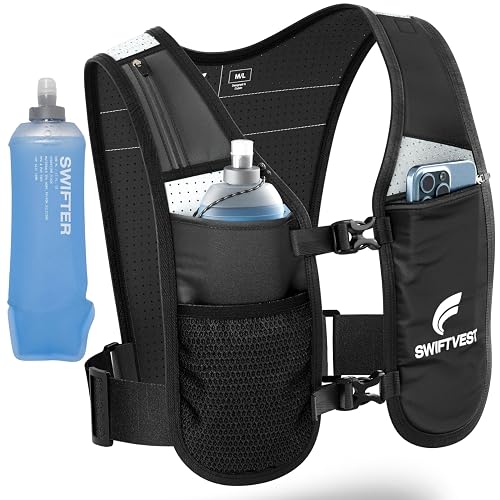
SWIFTVEST Running Phone Holder Vest with 500ml Water Bottle

Runlight Lightweight Hydration Running Vest with 1.5L Bladder
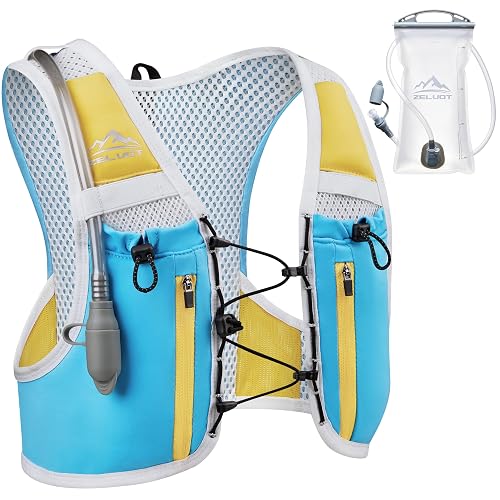
Zelvot Kids Hydration Backpack with Water Bladder
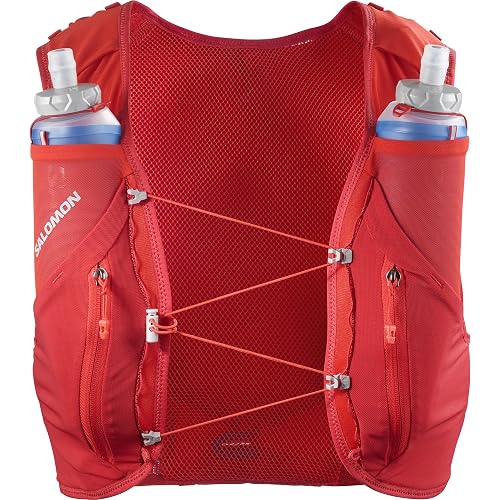
Salomon Unisex Advance Skin 12 Hydration Trail Running Vest

CamelBak Cloud Walker 18 Crux Reservoir Hydration Backpack
The Details Behind The Selections
The MARCHWAY Tactical Molle Hydration Pack is built like a piece of field gear, with a sculpted 19.5″x8.7″x2.6″ profile that hugs close to your back rather than ballooning out. It carries a 3L TPU water bladder (TPU is a flexible, food-safe plastic that resists taste transfer better than basic vinyl) and pairs it with a Molle webbing exterior for clipping extra pouches on long adventures.
Runners who mix in hiking, biking, or hunting will appreciate that the pack transitions between activities without needing a swap. Unlike the lighter SWIFTVEST entry below, this one is sized for serious cargo, so casual joggers may find it overbuilt for a simple three-miler.
The Helpful Details
- 3L bladder capacity covers extended efforts without refill stops
- Adjustable sternum, waist, and shoulder straps lock the load in place
- Breathable air-mesh back panel reduces sweat buildup
- Molle webbing accepts add-on pouches and gear
Things To Consider
- Larger footprint than typical road-running vests
- Nylon shell holds odor if not aired after sweaty runs
Key Specs
Who It Suits Best
Trail runners, hikers, and multi-sport adventurers who want one pack that handles rugged terrain and longer routes.
Where Another Pick Suits Better
For pure road running where weight matters more than cargo, the SWIFTVEST Running Phone Holder Vest keeps things far lighter.
The SWIFTVEST Running Phone Holder Vest takes a different approach from the MARCHWAY pack above, swapping a large reservoir for a soft 500ml/17oz water bottle and a phone-first pocket layout. It’s the kind of vest that disappears on your torso once you settle the straps, which matters when your pace is everything.
With six pockets, a zippered waterproof phone pouch (rated to fit phones up to 18cm x 10cm), and reflective trim, it’s aimed squarely at the urban jogger. You’ll get enough water for a short-to-mid run, so anything pushing past 90 minutes will probably need a refill plan.
Reasons It Performs
- Lightweight build stays out of the way at tempo pace
- Reflective accents boost visibility on dim commutes
- Six pockets organize gels, keys, and cards cleanly
Worth Noting
- 500ml bottle capacity is light for anything over an hour
- Soft flask can develop a plasticky taste if not rinsed after flavored drinks
- Limited storage for layering or post-run snacks
Made For
City runners and commuters who log 30- to 60-minute routes and want phone access without breaking stride.
Look Elsewhere When
Runners training for trail ultras should reach for the Salomon Advance Skin 12, which carries far more water and gear.
The Runlight Running Vest lands in the sweet spot between the SWIFTVEST’s compact phone-focused design and the MARCHWAY’s tactical bulk. A 1.5L bladder (around 50 oz of fluid) gives you genuine mid-distance range, while the mesh-and-nylon construction aims to keep your back ventilated on repeat training days.
Where this vest pulls ahead is breathability: the ventilated mesh panel is meant to keep airflow moving during long, sweaty efforts. Compared to the CamelBak Cloud Walker reviewed later, this one trades cargo room for a tighter, more athletic fit, which most dedicated runners tend to prefer.
Positive Points
- 1.5L bladder handles 90-minute to two-hour efforts
- Mesh construction supports airflow on repeat training days
- Trim profile reduces side-to-side sway at race pace
- Unisex sizing accommodates a wide range of torso lengths
- Light enough for daily use without shoulder fatigue
Trade Offs
- Bladder hose can kink if routed carelessly under the sternum strap
- Less internal organization than the SWIFTVEST’s six-pocket layout
Feature Snapshot
Right Fit For
Recreational and competitive runners training several times a week who need balance between hydration volume and low weight.
Swap It Out When
If you’re running with kids along for the ride, the Zelvot Kids Hydration Backpack gives younger runners a proper, scaled-down fit instead.
The Zelvot Kids Hydration Backpack is purpose-built for smaller frames, with the XS/S size paired to a 1L bladder and larger sizes scaling up to 2L. That’s an important detail, because handing a child a scaled-down adult vest usually means the bladder sloshes and the straps gap at the shoulders.
The bite valve is the kind of small touch that wins over skeptical kids: pull up to sip, push down to seal, no leaking in the car on the way home. The bladder is BPA-free and PVC-free (BPA and PVC are chemicals commonly used in older plastics that parents often prefer to avoid for food-contact items), which gives caregivers a cleaner story to tell.
Notable Gains
- Size-matched bladders match realistic kid-sized fluid needs
- Food-grade, BPA-free and PVC-free bladder materials
- Pull-up bite valve encourages independent sipping
Points To Note
- Not designed for adult runners, even slim-framed ones
- Bite valve may need occasional cleaning to maintain flow
Best Suited To
Parents introducing kids to longer family runs, youth sports events, or weekend hikes where carrying their own water matters.
Consider Something Else When
Adult trail runners should skip to the Runlight Vest for a properly fitted mid-volume option.
The Salomon Advance Skin 12 is the long-game pick in this roundup, with 12 liters of total storage and a design language aimed at ultras and 60km-plus training days. Where the MARCHWAY Tactical pack feels like a piece of surplus gear, the Adv Skin 12 hugs like a piece of race kit, with body-mapped panels that flex as your arms swing.
It’s also the most expensive option in the list, and for good reason: the dual-soft-flask front layout, refined harness, and stability seams are all things you notice at kilometer 40, not at kilometer 4. If your running tends to peak at a Saturday-morning 10K, this is overkill. For the runner who treats the trail like a long-shift job, it’s the right tool.
The Upside
- 12L capacity handles mandatory gear for ultra races
- Tuned harness reduces bounce on technical descents
- Quick-access pockets allow on-the-fly nutrition
- Refined fit earned through multiple Adv Skin generations
Soft Spots
- Premium pricing puts it out of reach for casual runners
- Storage volume is wasted on runs under 90 minutes
- Specialized design has a learning curve for first-time vest users
- Higher-tier fabrics benefit from careful washing and line drying
Spec Overview
Whose Shelf It Belongs On
Endurance athletes and dedicated trail runners logging serious weekly mileage who need a vest that scales with their training.
Another Choice May Suit
For a more affordable starting point with respectable trail capability, the MARCHWAY Tactical Molle Hydration Pack covers many of the same use cases at a lower entry cost.
The CamelBak Cloud Walker 18 is the daypack crossover in this list, built more for hike-run hybrid days than for road intervals. An 85oz Crux reservoir (about 2.5L) anchors the system, and the Air Support back panel is engineered for ventilation through body mapping, which is a fancy way of saying the padding follows the contours of your spine instead of sitting flat against it.
You trade the snug racing feel of the Salomon Adv Skin 12 for genuine cargo space, including side pockets and compression straps that keep a rain shell from flopping around. Most dedicated runners will find it too bulky for track work, but for anyone whose “run” often turns into a spontaneous four-hour outing, the Cloud Walker earns its place.
Points In Its Favor
- Generous 85oz reservoir covers long days on the trail
- Air Support back panel improves airflow over flat-padded designs
- Compression straps stabilize loads during mixed-terrain movement
- Side cargo pockets accept bottles, snacks, or layers
Honest Caveats
- Heavier than dedicated running vests on fast days
- Reservoir cleaning requires a dedicated cleaning kit or tablet
- Less aerodynamic for road-only training
Quick Facts
Who Will Love This
Runners whose routes blur into hikes, plus anyone who needs one pack for both short jogs and longer outdoor days.
Skip It When
For short, fast road sessions the Runlight Vest trims weight and stays out of the way far more effectively.
What Matters Most Before Choosing Jogging Hydration Packs
Capacity Versus Pace
Capacity sets the tone. A 1.5L bladder, like the Runlight Vest’s, covers most training runs; a 2.5L-plus reservoir, like the CamelBak Cloud Walker 18, makes sense when you won’t pass a water source for hours. Carrying too much fluid drags your pace and pulls at your shoulders, so match the liters to your typical route.
Runners logging 30- to 60-minute road sessions often do better with a 500ml soft bottle and a phone pocket, similar to the SWIFTVEST setup. Overbuilt gear can feel like a punishment for short efforts.
Fit And Stability
A pack that bounces is a pack that ends up on the kitchen counter after one outing. Sternum straps and adjustable waist belts matter more than most specs suggest because they keep the bladder from sloshing. For youth runners, the Zelvot Kids Hydration Backpack demonstrates how important size-matched harnesses are for comfort.
Testing the fit with a full bladder of water reveals problems an empty pack won’t. Expect a short shakedown run before trusting any new vest on a long route.
Storage And Access
Front pockets matter for fuel, phone, and keys, while back pockets handle layers and emergency supplies. The Salomon Adv Skin 12 is the standout for ultra-distance storage, while urban runners might prefer the SWIFTVEST’s six-pocket layout. Match the pocket count to the number of items you realistically carry.
Access matters as much as total volume. Pockets that are easy to reach at pace let you grab gels without stopping, which adds up over a long run.
Materials And Care
Mesh and nylon panels breathe well but can absorb odor if not aired. TPU bladders (used in the MARCHWAY Tactical Molle) tend to resist taste transfer better than older PVC designs. Most packs benefit from hand-washing, line drying, and a quick bladder clean with a diluted bleach solution or specialty tablet every few weeks.
What Sets These Picks Apart
Where Shoppers Go Wrong
Many first-time hydration pack shoppers buy for total liters alone, then discover the bladder sits poorly because the harness wasn’t designed for their torso length. Match the vest to your body, not just to your thirst.
Another slip is skipping the phone-fit check. The SWIFTVEST pocket fits phones up to 18cm x 10cm, and a phone in a bulky case can push that limit. Measure your device in its case before choosing a vest that buries the phone in a back panel.
Why Top Tier Costs More
The Salomon Adv Skin 12 commands a higher price because the harness, fabric, and pocket layout are tuned for ultra-distance comfort. That tuning, the stretch panels, the body-mapped seams, takes serious design and testing. For a casual jogger, the Runlight Vest or CamelBak Cloud Walker delivers most of the comfort at a fraction of the cost.
Frequently Asked Questions
How much water do most joggers actually need?
Most runners need roughly 400-800ml per hour of running, depending on heat and effort. A 1.5L bladder like the Runlight covers about two hours for many people.
Longer efforts or hot conditions call for a larger reservoir, such as the CamelBak Cloud Walker 18’s 85oz Crux, plus a plan to refill along the route.
Can a hydration pack bounce too much?
Yes, especially if the sternum strap sits too high or the waist belt is loose. A properly snug harness keeps the bladder from sloshing, even on downhill sections.
Loading the bladder fully during your first test run reveals any hot spots before you commit to a longer outing.
Are kids’ hydration vests worth the cost?
For kids who run, hike, or bike regularly, a properly sized vest like the Zelvot Kids Hydration Backpack beats a hand-carried bottle because it frees their hands and teaches water discipline.
The BPA-free and PVC-free bladder is also a meaningful plus for parents who care about the materials touching their child’s water.
Do these vests fit all phone sizes?
No. Phone pockets are a common pinch point, and the SWIFTVEST pocket fits phones up to 18cm x 10cm. Larger phones in cases may not fit cleanly, so measure before assuming.
Most running vests list a maximum device size in their specs, which is worth checking before checkout.
How do you clean a hydration bladder safely?
Rinse after every use, then periodically flush with warm water and a tiny amount of baking soda, or use a bladder-cleaning tablet. Air-dry the bladder open so moisture doesn’t linger inside.
Bite valves and tubes benefit from a separate scrub since buildup there is what most often causes funky-tasting water.
Closing Remarks
The right jogging hydration pack keeps water close, your phone secure, and your shoulders comfortable mile after mile. Match the pack to your route length, fit it snug, and care for the bladder between runs. A good vest should fade into the background, leaving you focused on pace, breath, and the road ahead.