
Spending a Saturday wrestling a garden swing, a snapped tarp, or a tent line that won’t hold tension can sour a whole weekend. Outdoor rope quietly carries the weight of a thousand small projects, and the wrong cord turns a simple job into a frustrating one. This roundup walks through eight real options for yard, campsite, and workshop use, each picked for a specific kind of owner and a specific kind of job.
A Fast Comparison Of The Options
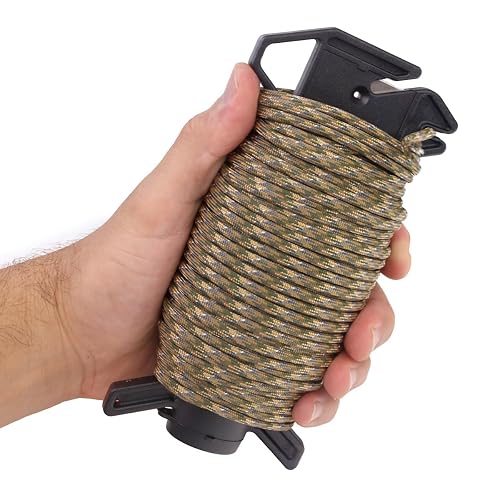
Atwood Rope MFG Ready Rope™ Reflective 550 Paracord 100 Feet
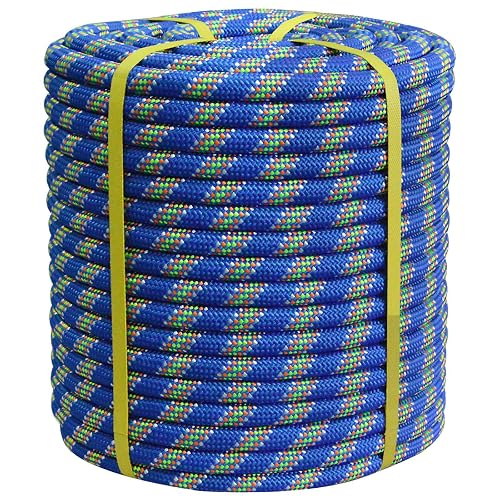
DerziNet Double Braided Arborist Rigging Rope 3/4″ x 100 ft
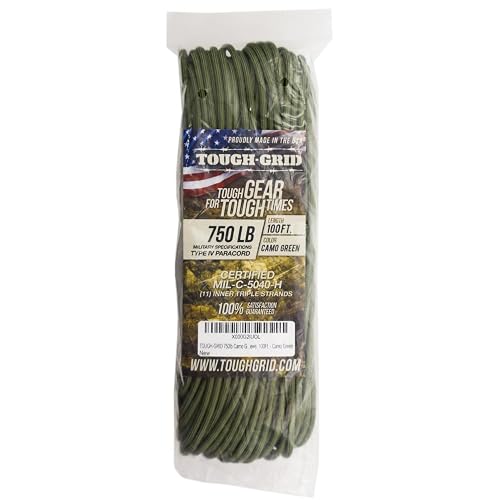
TOUGH-GRID 750 Paracord Type IV Mil-Spec Cord
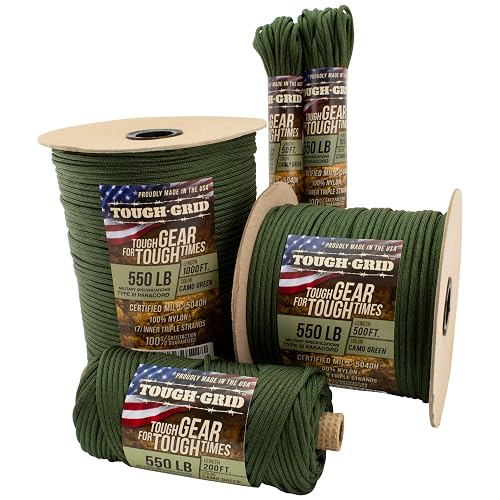
TOUGH-GRID 550 Paracord Type III Mil-Spec 100 ft
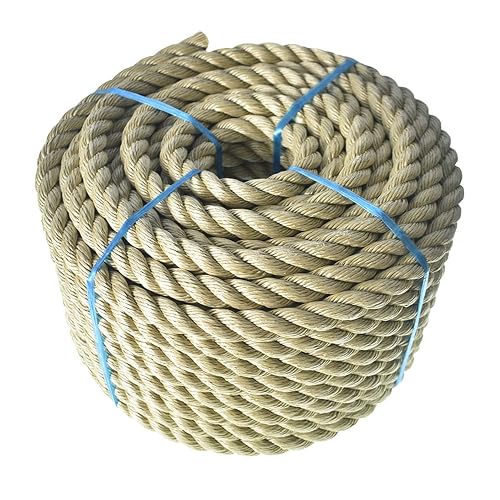
findmall Polyethylene Rope 3/4″ x 100 ft 3 Strand
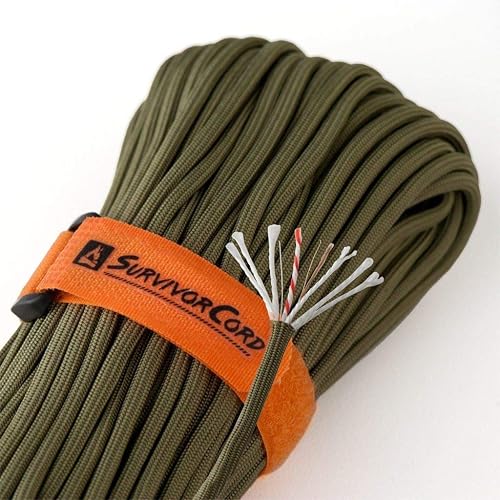
TITAN SurvivorCord 550 Paracord 100 ft
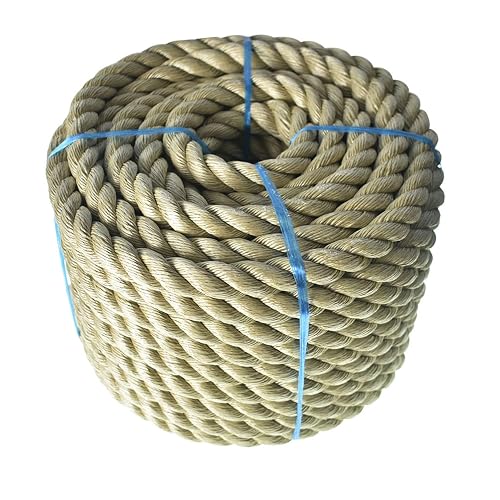
findmall Twisted Polypropylene Rope 1″ x 100 ft

Xpose Safety Yellow Twisted Polypropylene Rope 1/4″ x 100′
More On The Choices That Made The List
The Atwood Rope MFG Ready Rope is paracord in a dispenser, which sounds gimmicky until you trip over loose cord in a dark campsite. The shell houses 100 feet of 550 paracord (a military-style cord rated for roughly 550 pounds of tensile load) and adds reflective threads along the sheath, so the cord itself catches a headlamp beam at the edge of a tent or a tarp line.
Inside the case, a small storage compartment fits fire-starting gear, fishhooks, or a folding knife. Campers and night hikers get the most out of this format, since the cord unspools cleanly, the cutting blade sits ready, and the case keeps the whole setup pack-friendly. Compared to the bulkier polyester rigging line that follows, this is the lighter, smarter pick for portable kits.
Practical Advantages
- Reflective threads woven into the sheath improve visibility at low light
- Built-in cutting blade for clean, controlled cuts in the field
- Internal storage compartment holds small survival essentials
- 100 feet of 550 paracord pre-loaded, ready to deploy
- Nylon construction handles friction and weather better than basic cords
Things To Consider
- Reflective trim is a visibility aid, not a substitute for proper lighting
- Dispenser case adds bulk versus a simple hank of cord
At A Glance
Who It Suits Best
Campers, night hikers, and anyone building a compact survival kit who values portability over raw length.
Skip It When
You haul heavier loads or do tree work, where the DerziNet Double Braided Arborist Rigging Rope makes far more sense.
The DerziNet rigging rope is built for load-bearing work, not craft projects. At 3/4 inch thick with a 48-strand polyester outer braid over a 72-strand polyester core, it falls firmly in arborist territory, where any stretch in the line can swing a log or a falling branch the wrong way.
Property owners felling their own trees, ranchers pulling posts, and anyone towing heavy loads will appreciate the static behavior (minimal stretch under load) and the abrasion resistance along the sheath. Compared to the Atwood Ready Rope reviewed above, this is a different tool entirely, built for grunt work where knot integrity and grip matter more than packability.
Well-Handled Touches
- 3/4-inch diameter handles well in gloved hands during long pulls
- Double-braid polyester construction resists abrasion on rough bark
- Low-stretch design gives predictable behavior under heavy loads
- Blue color stands out against leaf litter and dirt
Worth Noting
- Heavier and bulkier than paracord; not a casual carry item
- Polyester can feel stiff out of the coil and benefits from a flex before hard use
- Overkill for light campsite tasks like hanging a clothesline
Made For
Landowners, hobbyist arborists, and anyone regularly towing or pulling heavy objects who wants a static, predictable line.
Look Elsewhere When
You need a light, packable cord for camping and emergency kits, where the Atwood Ready Rope or the TOUGH-GRID 550 Paracord are better fits.
TOUGH-GRID’s 750 paracord is the heavier sibling of the company’s 550 line, and the upgrade is purely about internal structure. Instead of the standard 7 inner strands, the 750 model carries 11, which is why it carries that higher tensile rating while keeping the same outer diameter as a typical 550 cord.
For people who build serious survival kits or wrap tool handles for trade work, those extra strands become fishing line, snare cord, or stitching thread in a pinch. Compared to the SurvivorCord reviewed later, this one keeps the focus on raw tensile strength, with fewer specialty threads inside. You trade versatility for a stronger baseline cord.
Advantages To Know
- 11 internal strands provide a meaningful tensile upgrade over 550 cord
- Nylon sheath stands up well to repeated flex and UV exposure
- Same diameter as standard 550, so most buckles and accessories still fit
Trade Offs
- Heavier per foot than 550 cord, which adds up in bulk kits
- Specialty survival strands (fishing, fire-starting) are absent, so you give up some versatility
Quick Facts
Best Suited To
Preppers, tactical kit builders, and tradespeople who want a stronger standard-diameter paracord.
Consider Something Else When
You want specialty survival strands baked in, where the TITAN SurvivorCord is a more thoughtful pick.
The TOUGH-GRID 550 is the kind of cord most people picture when they think “paracord.” A 100-foot hank of 100% nylon with seven internal strands, built to Type III Mil-Spec, and ready to handle the usual camp chores without ceremony. This is the do-everything option in a list full of specialists.
For tent guy lines, gear lashing, and emergency repairs, the 550 rating covers what most people will ever ask of a paracord. Compared to the 750 model just above, it loses some tensile headroom but gains a friendlier weight. Compared to the SurvivorCord that follows, it skips the specialty strands, but the price of admission stays low.
Real Benefits
- Standard 7-strand construction matches common buckles, clasps, and accessories
- Type III Mil-Spec designation confirms a documented build standard
- 100-foot length suits most weekend projects and kit builds
- Nylon stretches slightly under shock, which can help absorb sudden loads
Honest Caveats
- No specialty survival strands like fishing line or fire tinder
- Basic colors may be hard to spot in low light without reflective trim
The Right Fit
Campers, scouts, and home DIYers who want a dependable general-purpose paracord without specialty features.
Another Choice May Suit
You need built-in survival versatility, where the TITAN SurvivorCord 550 Paracord offers more inside the sheath.
The findmall polyethylene rope is the yard-and-garden option in this list, designed for visible projects where aesthetics matter as much as function. At 3/4 inch thick and 100 feet long, in a warm brown tone, it blends into a backyard setting rather than shouting about it.
Three-strand construction keeps it soft enough to grip without gloves, which matters for parents tying a porch swing or knotting a clothesline. Compared to the 1-inch findmall polypropylene rope reviewed later, this one trades raw thickness for a friendlier hand feel and a more natural look against wood and foliage.
Useful Strengths
- Warm brown finish reads as a natural-fiber rope against wood and plants
- 3/4-inch diameter feels comfortable in bare hands for casual knots
- Polyethylene stands up to rain and sun in a backyard setting
- 100-foot length supports a full swing span with leftover slack
Points To Note
- Not rated for overhead climbing or heavy towing tasks
- Polyethylene can feel slicker than natural fibers when wet
Who Should Grab It
Homeowners hanging a swing, building a drying rack, or finishing off a backyard project where the rope is on display.
Not Your Match When
You need load-rated rigging, where the DerziNet Double Braided Arborist Rigging Rope is the stronger, more specialized choice.
The SurvivorCord takes the familiar 550 paracord format and stuffs it with three extra inner strands, each with a job. You get a fishing line strand, a waxed jute tinder strand, and an aluminum utility wire, all inside the same nylon sheath that holds seven standard core strands.
For backpackers, bushcrafters, and emergency-prep types, that mix of materials turns one length of cord into a small toolbox. Compared to the standard TOUGH-GRID 550 Paracord reviewed above, SurvivorCord costs more per foot but brings genuine survival versatility. You can tie a tarp and start a fire with the same cord.
Features That Help
- Three integrated survival strands reduce what you need to pack separately
- Standard 550 paracord exterior accepts most buckles and accessories
- Aluminum wire handles small gear repairs and snare building
- Waxed jute tinder lights reliably in damp conditions
Where It May Fall Short
- Specialty strands are short and gone once used, so plan ahead
- Cost per foot runs higher than plain 550 paracord
Feature Snapshot
Perfect Match For
Backpackers, preppers, and bushcraft hobbyists who want one cord to cover several emergency jobs.
A Better Fit Elsewhere
You only need a basic utility cord for tent lines and gear lashing, where the TOUGH-GRID 550 Paracord is a leaner value pick.
Often called “Un-Manilla,” this findmall rope uses polypropylene fibers to mimic the look of a classic manila rope while shedding weight and resisting rot. At a full inch thick across three twisted strands, it feels like a workhorse in the hand, more at home on a job site than a kitchen drawer.
For landscaping, tug-of-war days, and general tie-downs, the thicker profile and grippy twisted surface make knots seat cleanly and hold under pull. Compared to the thinner 1/4-inch Xpose Safety rope that closes out this list, this one trades portability and visibility for bulk and brute holding power. It’s rope that wants to be used hard.
Noteworthy Benefits
- 1-inch diameter gives a secure grip for thick knots and splice work
- Polypropylene fibers resist rot, mildew, and moisture damage outdoors
- Manila-style appearance fits in on rustic projects and farm settings
- 100-foot length covers landscaping runs and game-day setups
Small Caveats
- Bulk makes it awkward for small craft projects or fine knot work
- Synthetic fibers can feel stiffer than natural manila in cold weather
Whose Shelf It Belongs On
Homeowners running landscaping lines, organizing outdoor events, or anyone needing a thick general-purpose rope.
Swap It Out When
You need a thinner, highly visible line for water use, where the Xpose Safety Yellow Twisted Polypropylene Rope is purpose-built.
The Xpose Safety rope is the marine-and-mooring pick of the bunch, with two traits that immediately stand out: a bright yellow finish that catches the eye in low light, and a polypropylene build that floats on water rather than sinking. For boaters, dock owners, and pool-side setups, that combination solves a real safety problem.
At 1/4 inch thick, this rope is light and easy to coil, comfortable in a kayak or a small craft. Compared to the chunky 1-inch findmall rope reviewed just above, this is the lighter, more visible line for situations where you need to spot the rope quickly, or recover it from the water without diving in.
What Stands Out
- Bright yellow color stays visible in low light and against dark water
- Floats on water, simplifying retrieval and reducing loss overboard
- 1/4-inch diameter is easy to coil and store in small craft
- Resists rot, mildew, and common chemicals around marine environments
Some Limits To Know
- Thin profile means a lower working load than thicker poly ropes
- Polypropylene can degrade with prolonged sun exposure over the years
Core Details
Built With In Mind
Boaters, kayakers, dock owners, and pool households who need a visible, water-friendly utility line.
Reach For A Different Pick When
You want a heavier general-purpose rope for landscaping or yard games, where the findmall Twisted Polypropylene Rope has the bulk to match.
What Matters Most Before Choosing Ropes For Outdoor Use
Match The Rope To The Job, Not The Other Way Around
The single biggest decision is matching rope type to the kind of work in front of you. Paracord (a lightweight, kernmantle-style nylon cord) shines for camp tasks and emergency kits because it ties quickly, packs small, and breaks down into usable inner strands. Polyester rigging rope earns its keep when loads climb and stretch has to stay minimal. Polypropylene steps in for marine and visibility work, since it floats and shrugs off moisture. Pick by use case first, and the rest of the field narrows fast.
Diameter And Tensile Rating Tell You The Real Story
Thickness and tensile strength (the maximum pulling force a rope can handle before failing) work together to define what a rope can safely do. A 1/4-inch polypropylene line is plenty for a kayak tow rope, while a 1-inch Un-Manilla is overkill for the same task but exactly right for a tug-of-war line. Most weekend projects live comfortably in the 3/8 to 1/2 inch range, and anything thicker should justify its bulk with serious load demands.
Material Behavior In The Conditions You Actually Face
Nylon stretches, which helps absorb shock loads on tent lines. Polyester barely stretches at all, which is what you want when pulling or rigging. Polypropylene floats and resists water, but breaks down faster under long UV exposure. Look at the conditions the rope will live in, and let those conditions vote on the material before color or price does.
Practical Ownership Habits Extend Rope Life
Rope stored loose and dry outlasts rope crammed wet into a bin. Coiling after use, rinsing off salt or mud, and keeping paracord out of prolonged direct sun all add up. A simple storage routine, more than any spec sheet, decides how long a cord stays trustworthy.
Smart Considerations Before You Pick
Wrong Turns To Avoid
The classic slip is buying the cheapest 550 paracord for a job that needs static rigging, then watching it stretch and lose tension under load. The other common trap is picking rope by color or thickness without checking the material, which leaves a backyard project sagging in the rain or a marine line rotting from mildew. Match the rope’s behavior to the conditions, not just the price tag.
When Paying More Pays Off
Spending more usually buys specialty construction: extra inner strands, marine-grade finishes, abrasion-resistant weaves, or built-in survival features like fishing line and tinder. For casual yard work, the upgrade rarely matters. For emergency kits, marine setups, or repeated heavy use, those upgrades earn their keep in reliability and longevity.
Frequently Asked Questions
What type of rope holds up best outside?
Polyester and polypropylene both handle outdoor conditions well. Polyester resists UV damage and stays stable under load, while polypropylene floats and shrugs off moisture, which is why it works well near water.
How thick should outdoor rope be?
Most yard and camp projects land between 1/4 inch and 1/2 inch. Heavier rigging and towing jobs move into 3/4 inch and up, where the rope can handle serious force without digging into hands or knots.
Can paracord be used outdoors long-term?
Nylon paracord handles short-term outdoor use well, but extended sun exposure breaks the fibers down over time. For permanent outdoor setups, a polyester or polypropylene rope will outlast paracord significantly.
Is manila rope good for outside use?
Traditional manila rope looks great and grips well, but it absorbs water and rots faster than synthetic alternatives. Polypropylene Un-Manilla ropes give a similar look with much better weather resistance.
How do I store rope to make it last?
Keep rope clean, dry, and loosely coiled, away from direct sunlight and chemicals. A simple bin or hook in a garage works well, and rinsing off salt or mud before storage goes a long way.
Final Verdict
The right rope for outdoor use comes down to honest answers about your work, your weather, and your load. A backyard swing has different needs than a tree-felling job, and a marine line lives in a different world than a survival kit. Pick the cord that matches the task in front of you, and it’ll quietly do its job for years.