
Thru hiking stretches over weeks and thousands of feet of elevation, so your pack becomes your home, your kitchen, and your only piece of carry-on luggage all at once. The wrong fit leaves hot spots that blister into real problems by day five, while the right one disappears so completely you forget it’s there. This list focuses on packs with the volume, frame support, and weather protection that multi-day routes demand, with a few lightweight options for shorter stints or travel overlap.
The Leading Options At A Glance
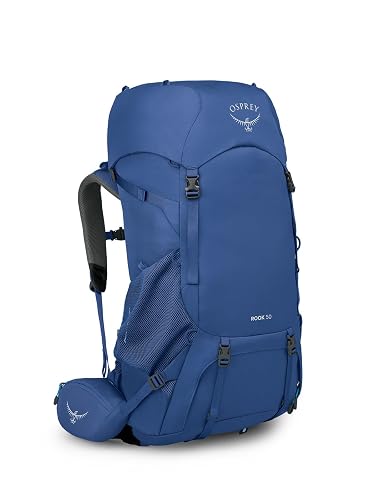
Osprey Rook 50L Men’s Backpacking Backpack
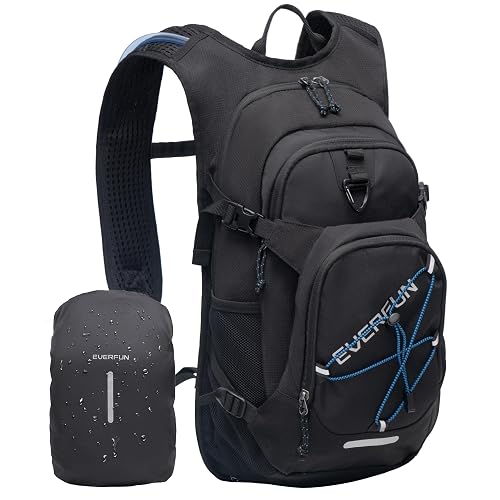
Everfun Hydration Backpack 18L with Water Bladder

YETI Crossroads Backpack
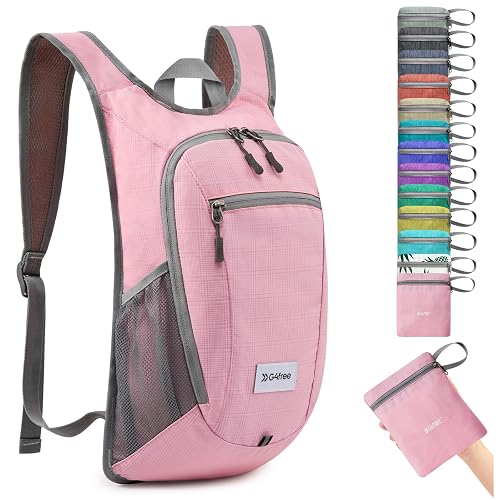
G4Free 10L/15L Hiking Backpack Lightweight Packable
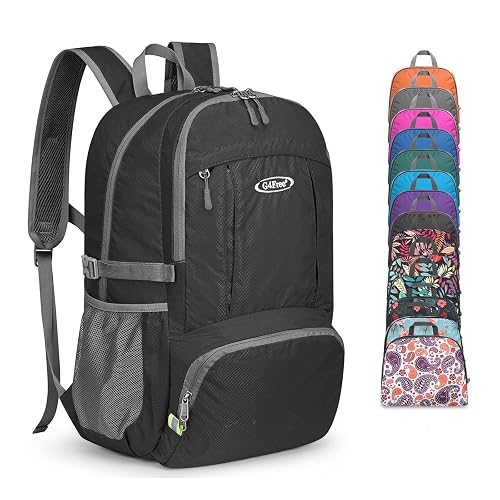
G4Free 40L Lightweight Packable Hiking Backpack
G4Free 10L Hiking Backpack Lightweight Packable
G4Free 20L Hiking Travel Backpack

G4Free 18L Lightweight Packable Hiking Backpack
G4Free 15L Small Lightweight Padded Backpack
Why These Options Stand Out
The Rook 50 sits in the sweet spot where multi-day trips live. At roughly 50 liters of storage, it holds a tent, sleep system, and rain layers without forcing you into the ultralight mindset that purists chase. For thru hikers stepping up from weekend trips, that balance removes a lot of guesswork about whether their gear will fit.
An injection-molded ladder lock on the back panel lets you dial the torso length in by feel rather than guesswork, which matters more than it sounds after a full day of climbing. Compared to the lighter packable options later in this list, the Rook trades fold-flat convenience for a frame that actually transfers weight to your hips instead of your shoulders.
Where It Delivers
- Adjustable AirSpeed suspension, a tensioned mesh back panel that lets air circulate against your spine, keeps your back drier on humid climbs than solid-foam designs.
- The integrated raincover deploys fast when afternoon storms roll in, sparing you from stuffing a wet cover into a side pocket at the trailhead.
- Load range suited to 30 to 40 pounds of gear, which covers most thru hikers without venturing into expedition territory.
- bluesign certification, a textile sustainability standard covering chemical and material sourcing, signals cleaner manufacturing practices than budget alternatives.
Things To Consider
- The 50L capacity can feel tight on routes requiring a bear canister, forcing some hikers to strap items externally.
- At a true backpacking weight, this pack won’t appeal to thru hikers counting every gram.
Feature Snapshot
Who It Suits Best
New thru hikers planning a section or full long-distance route who want one pack that handles both resupply days and full carries.
Consider Something Else When
Ultralight hikers prioritizing sub-two-pound pack weight should look at the G4Free 40L Lightweight Packable Hiking Backpack instead.
When water access is the slowest part of your day, an integrated bladder changes the rhythm of the trail. The Everfun Hydration Backpack arrives with a built-in reservoir, and the insulated tube keeps things cooler than basic sleeves do on summer ascents. Compared to the Osprey Rook’s front opening, this one prioritizes reach-in access over packing versatility.
The 18-liter main bay holds layers, snacks, and a first-aid kit without bulk. Runners transitioning from road to trail find this size hits a usable middle ground, big enough for a light shell and food, small enough to stay stable at pace.
Everyday Wins
- Insulated hose delays ice melt on long climbs where the drinking tube faces direct sun.
- Multiple storage compartments keep a phone accessible without unpacking the main bay.
- Nylon construction sheds trail dust and wipes clean faster than canvas alternatives.
- Low-profile shape sits close to the back, reducing sway on technical descents.
Worth Noting
- Reservoir cleaning requires a long brush, which most owners report forgetting on the trail.
- Not large enough for an overnight kit, so it’s a day-hike companion, not a thru option.
Built With In Mind
Runners, festival-goers, and day hikers who prefer sipping water without breaking stride.
Skip It When
Thru hikers carrying overnight equipment will find the Osprey Rook 50L Men’s Backpacking Backpack far better suited to multi-day volume.
The YETI Crossroads treats packing like unpacking a suitcase. A clamshell design, a fully opening zipper that splits the pack into two flat panels like luggage, means you see every layer at once instead of digging past a packed-in rain jacket. For travelers flying into a trailhead, that layout mirrors the way you pack the rest of your trip.
This sits between a commuter pack and a true thru-hike pack. You won’t find a hipbelt frame rated for 40 pounds, but you get a durable build and the kind of finish YETI is known for. If your route doubles as travel days, the rollover trolley sleeve and reinforced base earn their place.
Real-World Strengths
- Wide clamshell access saves time at hostels and layover days where repacking speed matters.
- Trolley pass-through secures the pack to rolling luggage without awkward balancing acts.
- Heavy-duty fabric construction survives the abuse of overhead bins and rental car trunks.
Trade Offs
- Lacks the suspended frame that dedicated thru hikers rely on for heavy loads over long miles.
- Premium positioning raises expectations for any cosmetic wear after sustained trail use.
The Right Fit
Frequent flyers heading to trail towns, or thru hikers running between resupply stops who need luggage convenience.
Look Elsewhere When
Pure backcountry hikers carrying a full sleep system should choose the Osprey Rook 50L Men’s Backpacking Backpack for the load support.
Small packs earn their keep on summit pushes and quick hikes from a basecamp. The G4Free 10L/15L Hiking Backpack offers two size options in one listing, useful when your pack needs to scale up for an extra layer at higher elevations. Where the YETI Crossroads treats packing like luggage, this one treats it like stuffing a grocery bag: just open and drop.
Polyamide fabric feels lighter than standard polyester, and the breathable shoulder strap helps on hot days when a heavy backpack would otherwise soak through. For thru hikers, this fits as a day-trip accessory stowed in the larger pack’s lid pocket.
A Few Highlights
- Reversible fold-down design packs into a flat pocket that drops into luggage easily.
- Reinforced stitching handles the awkward overload moments when you shove a wet shell inside.
- SBS metal zippers outlast the plastic equivalents found on cheaper daypacks.
A Few Limitations
- No frame or hip belt means this pack sags under more than five pounds of gear.
- Lacks a dedicated water bladder pocket for hikers wanting the Everfun-style hydration setup.
Best Suited To
Thru hikers needing a summit-day companion for short side trips from camp.
Not Your Match When
Anyone carrying a camera, laptop, or overnight kit should look at the G4Free 18L Lightweight Packable Hiking Backpack instead.
Weather can make or break a long route, and a separate waterproof compartment removes one of the trail’s most annoying problems. The G4Free 40L Lightweight Packable Hiking Backpack uses a sealed wet pocket to isolate soaked rain gear or post-swim towels from the rest of your kit. For thru hikers crossing rainy regions, that design keeps electronics safe when conditions turn ugly.
At 40 liters, capacity lands between a daypack and a full multi-day carry. The foldable construction lets you stash it in a car trunk or pack liner, so it works as backup protection layered over a primary load.
The Upside
- Sealed wet pocket keeps electronics dry on stream crossings and rainstorms.
- 40L volume covers day hikes plus emergency overnight without overflow.
- Lightweight packable frame works layered under a larger pack for rain protection.
Honest Caveats
- The wet-pocket seal relies on proper closure; rushed packing can compromise the seal.
- Fewer organizational pockets than the G4Free 18L Lightweight Packable Hiking Backpack.
Feature Snapshot
Whose Shelf It Belongs On
Rain-prone thru hikers and anyone who wants a backup pack ready for sudden storms.
Reach For A Different Pick When
Multi-week thru hikers needing suspension support should step up to the Osprey Rook 50L Men’s Backpacking Backpack.
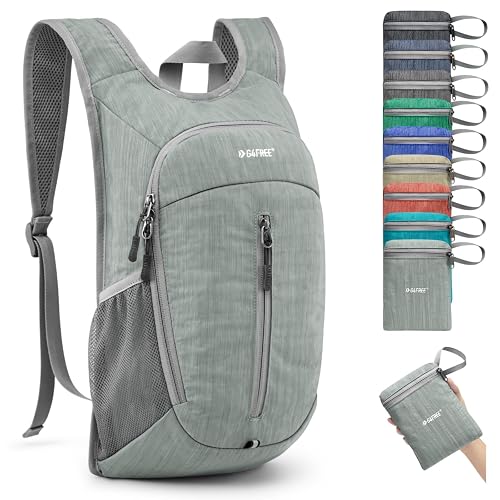
The smaller sibling in the G4Free lineup folds down to roughly the size of a sandwich. The G4Free 10L Hiking Backpack reverses inside-out into its own pouch, then disappears into a coat pocket or luggage compartment. For thru hikers who fly into a trailhead, that portability means you can pack a backup without weighing down your suitcase.
At 10 liters, capacity suits quick errands, museum visits in trail towns, or short walks from a basecamp. The casual styling reads more like a daily commuter than a trail pack, which works for town days when you don’t want to look fully outfitted.
What Works In Its Favor
- Folds to roughly 7.5 by 6 inches, smaller than most packable daypacks in this price tier.
- Reversible design eliminates the need for a separate stuff sack.
- Unisex cut fits a wide range of body sizes without torso adjustment fuss.
Points To Keep In Mind
- 10L is too small for any trail snacks plus a rain shell plus a water bottle.
- Lacks the organizational pockets found on the G4Free 20L Hiking Travel Backpack.
Who Should Grab It
Thru hikers wanting a backup daypack for town stops, or travelers needing a stashable extra bag.
A Better Fit Elsewhere
Anyone wanting more than a pocketable stowaway should look at the G4Free 15L Small Lightweight Padded Backpack for slightly more room.
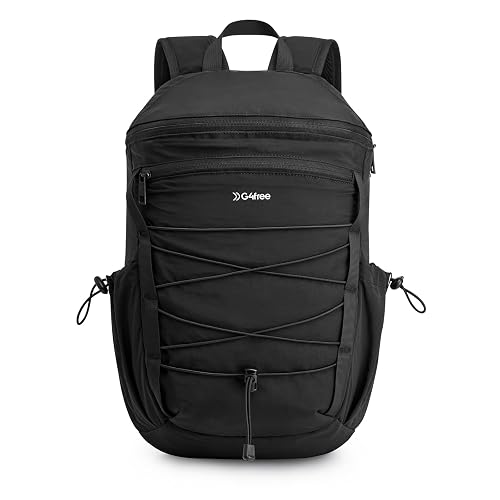
Twenty liters is the size most casual hikers reach for without thinking. The G4Free 20L Hiking Travel Backpack sits squarely in that zone, comfortable carrying lunch, a layer, water, and a guidebook. For thru hikers taking zero days in trail communities, that capacity handles a self-care restock without dragging out the main pack.
Unlike the larger 40-liter G4Free pack, this one skips the wet-compartment focus for a flatter, more everyday layout. The unisex fit works across body types, and the lighter fabric keeps the unloaded pack nearly weightless in your hand.
The Value In It
- Compact 20L volume fits standard day-hike kits and town-day essentials alike.
- Lighter fabric feels weightless when empty, useful on short trips where pack weight matters.
- Unisex proportions fit without fuss across most body sizes.
Softer Spots
- Lacks the waterproof pocket that makes the G4Free 40L useful for wet conditions.
- 20L fills up fast when carrying a camera, food, and extra layers together.
Made For
Day hikers and thru hikers needing a versatile pack for resupply trips and zero days.
Swap It Out When
Thru hikers wanting a dedicated wet/dry split should pick the G4Free 40L Lightweight Packable Hiking Backpack for rain-heavy routes.
The G4Free 18L Lightweight Packable Hiking Backpack lands in the middle of the brand’s lineup, sized for users who want more than a quick errand pack without committing to a 40-liter carry. For thru hikers navigating airport-to-trail transitions, the 18-liter volume meets personal-item dimensions on most airlines, so the pack doubles as a carry-on option.
Compared to the 20L sibling, this one trims a small amount of capacity for a slightly tighter, more compact profile. The packable frame works layered over a primary pack for rain protection on summit pushes.
The Helpful Details
- Mid-size capacity suits day hikes and travel days without oversizing for short outings.
- Packable frame folds flat for storage inside larger luggage.
- Lightweight fabric keeps the empty pack at minimal carry weight.
Less Ideal Details
- Limited organizational pockets compared to dedicated commuter packs.
- 18L fills quickly when carrying photography gear or bulky layers.
Perfect Match For
Thru hikers transitioning between airports and trailheads who want a single bag that handles both contexts.
Where A Sibling Pick Shines
Anyone needing more storage for day hikes should step up to the G4Free 20L Hiking Travel Backpack.
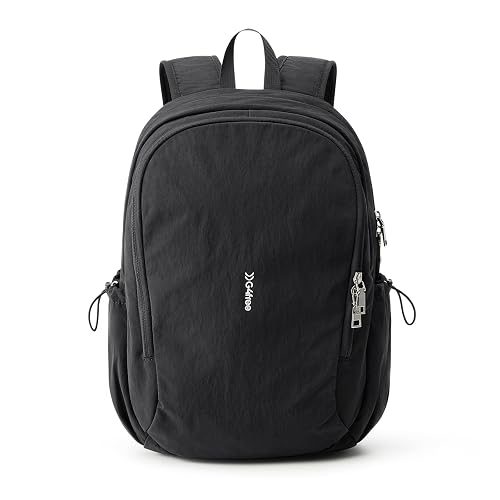
The smallest pack on this list earns its spot by covering the gap between a handbag and a daypack. The G4Free 15L Small Lightweight Padded Backpack targets a category that few dedicated hiking brands bother with, the urban-to-trail crossover where you carry a laptop, snacks, and a light layer without committing to trail hardware.
Padded construction protects contents better than the packable siblings, which matters when carrying electronics on a bus or train segment. Where the 18L sibling stretches into trail duty, this one leans closer to campus-and-commute use.
Notable Gains
- Padded body protects electronics better than the unpadded packable siblings.
- Compact 15L volume fits urban essentials without bulk.
- Casual styling transitions from coffee shop to short trail walks.
Where It Is Less Suited
- Too small for any real trail snacks plus a rain shell plus a guidebook.
- Padded body adds weight compared to the G4Free 10L Hiking Backpack.
Who Will Love This
Thru hikers needing a small bag for town errands and cafe stops between trail days.
Another Choice May Suit
Anyone wanting more volume for actual hiking should look at the G4Free 18L Lightweight Packable Hiking Backpack.
Matching Capacity To Your Route
Volume sets the foundation for any thru-hike pack decision. Day hikers rarely need more than 20 liters, while multi-week routes demand 50 liters or larger to carry food, shelter, and layers between resupply points. Ultralight thru hikers sometimes drop to 40 liters by trimming gear, but that approach assumes experience with weight discipline and dialed-in kit choices. Larger packs add weight even when empty, so matching capacity to your longest resupply stretch matters more than aiming for maximum size.
Suspension and fit determine whether a pack carries 30 pounds comfortably or punishes your shoulders over a 20-mile day. Hip belts transfer roughly 80 percent of load weight to your hips, and adjustable torso length matters more than brand prestige. Packs without frames sag under weight and pull backward on climbs, which is why packable daypacks fail as primary thru-hike carries. Weather protection rounds out the essentials: integrated raincovers save setup time, while dedicated wet pockets keep electronics safe when conditions turn ugly.
Material and construction affect long-term durability more than initial comfort. Polyamide and high-denier polyester resist abrasion better than budget nylon weaves, though they cost more per gram. Reinforced stitching at stress points, where shoulder straps meet the body, extends a pack’s life across thousands of trail miles. Zippers are the most common failure point on cheap packs, so metal-coil or oversized tooth designs last longer than basic plastic equivalents.
Avoiding Common Pitfalls
Common Shopping Slip Ups
Buying volume based on a single resupply stretch rather than the longest gap between towns leaves thru hikers short on long hauls. Many new backpackers also skip torso adjustment during fitting, treating the spec sheet like gospel instead of strapping on the loaded pack. Another common trap is choosing a packable daypack as a primary carry: those designs suit travel and summit pushes, not 30-pound multi-day loads.
Where The Extra Money Goes
Higher-tier packs earn their cost through frame systems that actually transfer weight, plus materials that survive years of trail abrasion. Premium builds also tend to include thoughtful touches like integrated raincovers, ergonomic hip belts, and reinforced stress points where cheap packs fail first. The upgrade makes sense for thru hikers logging serious miles, while weekend hikers may not notice the benefits enough to justify the jump.