
A day on the trail should feel light, balanced, and quiet, not like a chore to organize. Most women who start shopping for a hiking pack end up drowning in nylon jargon and capacity numbers that don’t translate to actual trail comfort. The list below focuses on how each option actually performs for female hikers: torso fit, hipbelt support, strap placement, and packability for travel days.
The Leading Options At A Glance
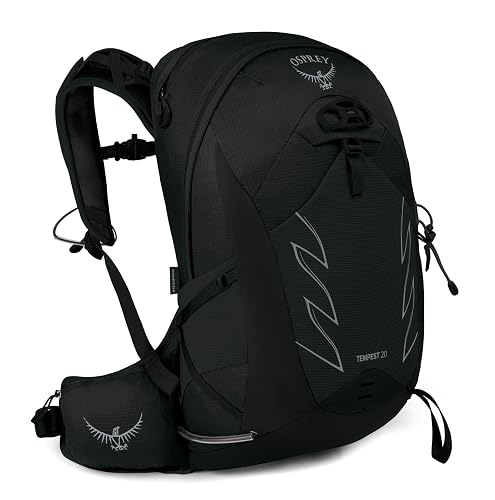
Osprey Tempest 20L Women’s Hiking Backpack (Stealth Black, WM/L)
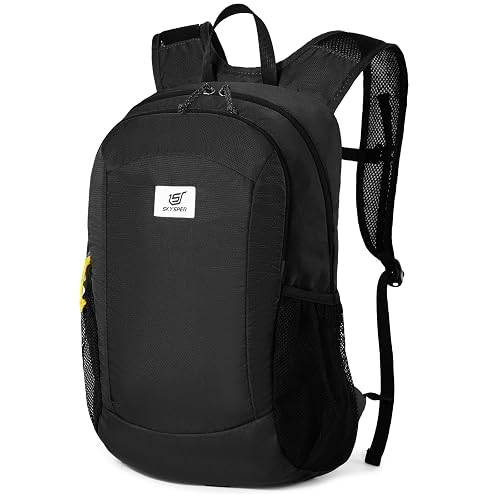
SKYSPER Hiking Backpack Ultralight Packable RFID Travel Daypack 16L
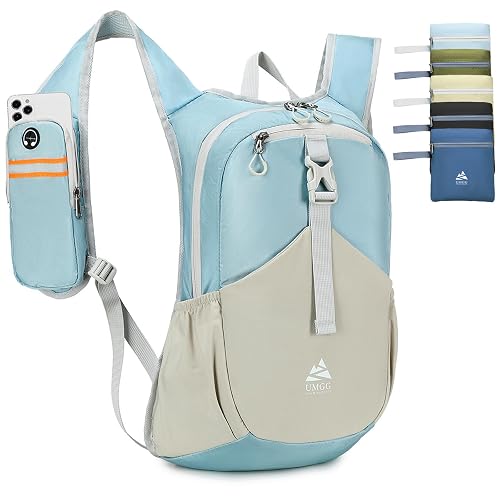
UtiaMiaoGonGo 15L Small Hiking Backpack (Blue)
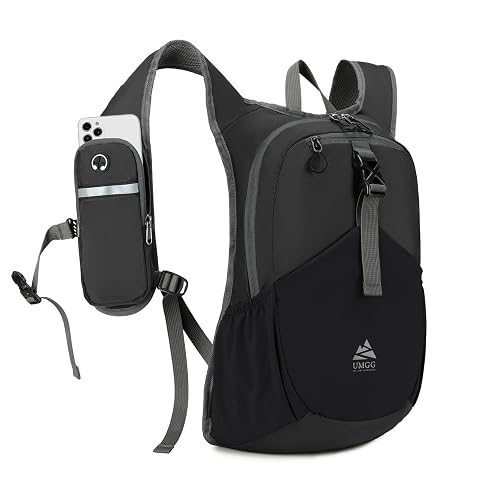
UtiaMiaoGonGo 15L Small Hiking Backpack (Black)
G4Free 10L/15L Hiking Backpack Packable Daypack
G4Free 40L Lightweight Packable Hiking Backpack (Waterproof)
G4Free 10L Hiking Backpack Small Packable Daypack

UtiaMiaoGonGo 15L Colorful Hiking Backpack
G4Free 20L Hiking Travel Backpack
More On The Choices That Made The List
Real trail comfort starts with a pack built around a women’s torso, and the Osprey Tempest 20L leans into that with a continuous-wrap harness and hipbelt that follows the natural curve of the shoulders and hips. The AirScape backpanel uses an injection-molded foam structure (a rigid yet vented panel that creates airflow channels against the back) that moves with you on switchbacks, which is the kind of detail that matters once you start logging miles.
For a daypack, it carries more than you’d expect: room for a layer, hydration reservoir, snacks, and a helmet clipped to the outside. Trekking pole and ice axe attachments give it more range than most 20L daypacks, so peak-bagging and quick scrambles stay in play.
Useful Touches
- Women-specific harness and hipbelt reduce shoulder pressure on long ascents
- External attachment points for poles, ice axe, helmet, and a blinky light
- AirScape backpanel keeps the pack close to the body without trapping heat
- 20L size swallows a rain shell, lunch, and a 2L hydration bladder with room to spare
- Panel-loading main compartment makes gear access easier than top-loading daypacks
Things To Consider
- Stealth Black finish shows trail dust and lint more than lighter colorways
- WM/L sizing may run tall for hikers under 5’4″, so try the fit when possible
Key Specs
Whose Trail It Belongs On
Hikers who tackle long days, varied terrain, and changing weather will feel the difference the women’s-specific fit makes on the second hour of any trip.
Skip It When
The SKYSPER 16L is a more travel-friendly match for shoppers who mostly need a packable daypack that lives inside a suitcase.
Travel days pull a pack in two directions: it needs to disappear into a carry-on, then carry a day’s worth of gear once you land. The SKYSPER 16L does both, packing down small while offering a shielded pocket that blocks 13.56MHz and 125kHz RFID scanner signals (the frequencies used by contactless credit cards, passports, and ID chips) from skimming your card data in crowded terminals.
It’s a different category from the Osprey Tempest. Where the Tempest is built around a trail harness, the SKYSPER is a stuff-sack-style nylon pack that earns its place through security and packability, not frame support.
Real-World Strengths
- RFID-shielded pocket adds a quiet layer of protection in airports and metro stations
- Lightweight nylon shell folds into its own pocket for storage in a coat pocket or luggage
- 16L holds a day’s worth of essentials: jacket, snacks, water bottle, tablet, and a paperback
- Useful as a secondary pack layered over checked luggage on multi-stop trips
Honest Caveats
- Stuff-pack construction means no real hipbelt, so loads above 8-10 pounds sit on the shoulders
- Not built for technical trails with exposure or rough rock scrambling
Made For
Travelers and city hikers who want a secure, packable daypack that works harder in transit than on the trail.
Look Elsewhere When
The Osprey Tempest 20L is the better pick for hikers who spend the day on uneven ground and need a true women’s-specific harness.
The UtiaMiaoGonGo 15L leans into the small-hike category, the kind of pack you grab for a lake loop or an afternoon on a flat rail trail. The interesting move is in the straps: a zippered pocket built into the shoulder strap fits a phone up to about 7 inches, and a drawstring pocket on the opposite strap handles keys, cards, or a granola bar.
That strap-based storage idea is the kind of detail that saves real annoyance on the trail. You stop reaching behind you or dropping the pack just to grab your phone for a photo.
Key Advantages
- Strap-mounted phone pocket means photos and trail apps stay within reach mid-hike
- Lightweight, packable construction rolls down for stashing in a larger pack
- 15L handles a rain shell, snacks, a 1L bottle, and a compact first-aid kit
- Friendly price for shoppers building a starter kit
Room For Improvement
- No hipbelt, so weight shifts to shoulders on longer walks
- 15L gets tight if you carry a full extra layer and a large water bottle at once
Quick Facts
Right Fit For
Casual hikers and beginners who want a starter daypack with smarter storage than the average small nylon bag offers.
A Better Fit Elsewhere
For shoppers who prefer a darker colorway, the UtiaMiaoGonGo 15L in Black is the same pack in a more neutral shade.
The Black version of the UtiaMiaoGonGo 15L shares the strap-pocket thinking of its blue sibling but trades a playful color for a neutral, commute-friendly look. For shoppers who want one pack that moves between a coffee shop, a city bus, and a weekend trail, the darker color tends to hide scuffs and dirt between washes.
The same zippered phone pocket (fits up to a 7-inch device) and drawstring pocket setup applies, so you get the trail-friendly storage system with a less sporty visual identity.
Where It Delivers
- Neutral black colorway suits office commutes and travel days
- Strap-mounted phone and accessory pockets keep daily essentials in reach
- Lightweight packable build suits a carry-on lifestyle
- 15L capacity is a comfortable middle ground for short hikes and full city days
Worth Noting
- Same shoulder-only carry as the blue version, so heavier loads get uncomfortable
- Basic backpanel padding may feel thin on warmer days without airflow channels
Built With In Mind
Shoppers who split their week between desk days and trail weekends and want a single pack that looks right in both settings.
Swap It Out When
The Osprey Tempest 20L is worth stepping up to for hikers tackling real elevation and longer days where a women’s-specific harness and hipbelt make a measurable difference.
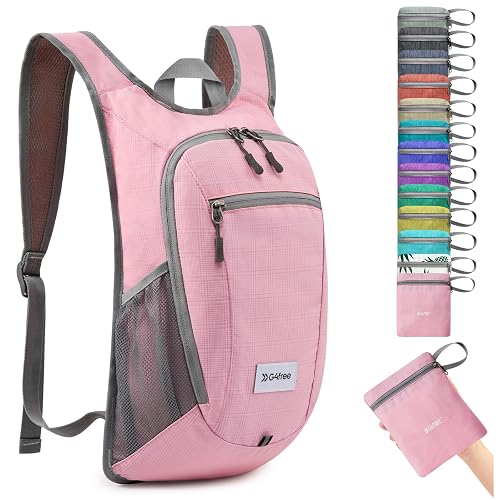
Sometimes the right answer is “I don’t know which size I need yet,” and the G4Free 10L/15L covers that. Available in two capacities within the same product listing, the pack leans on polyamide construction (a tough, abrasion-resistant nylon-family fabric) with reinforced stitching at stress points, and uses an SBS metal zipper (a brand-name zipper known for smooth glide and durability) to handle daily opening and closing without splitting.
Adjustable shoulder straps and a breathable backpanel make it a reasonable daypack for short hikes, travel, or simply stowing in a larger bag for emergency capacity.
Notable Upsides
- Two size options in a single listing removes the guesswork on capacity
- Tear-resistant polyamide fabric handles rough use and packing into tight spaces
- SBS metal zipper resists splitting under load
- Front pocket fits a phone up to 7 inches for quick access
Points To Note
- No hipbelt or frame, so it works best as a daypack rather than a load carrier
- Compartments are simple, so organizational shoppers may want to add pouches
Feature Snapshot
Best Suited To
Shoppers who want one listing to choose between a compact 10L and a slightly roomier 15L without comparing two separate products.
Another Choice May Suit
The G4Free 40L is the smarter call for hikers who need real overnight or wet-gear capacity instead of a daypack.
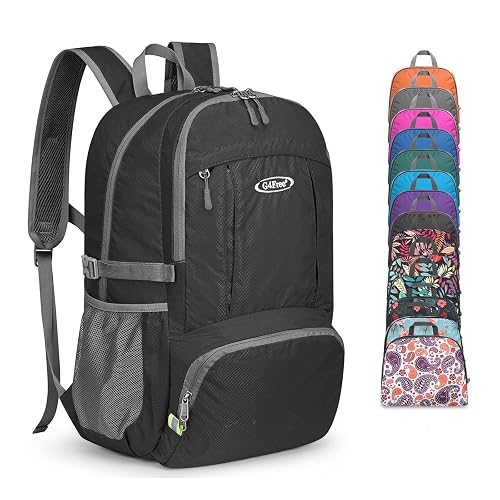
Capacity jumps hard at 40 liters, and so does the use case. The G4Free 40L handles day hikes that turn into overnights, beach days with full towels and changes of clothes, and travel days where one bag carries everything. The standout feature is a waterproof wet pocket in the back, a section that separates sweaty or wet gear from electronics and dry layers.
That wet pocket is the real reason to consider it over smaller packables. If you swim, run into rain, or carry a damp towel on a hot day, having a sealed compartment stops the rest of your gear from getting clammy.
What Helps Most
- 40L handles full-day adventures, beach kits, or short overnight trips
- Waterproof wet pocket keeps damp and dry gear separated cleanly
- Multi-compartment layout helps organize clothes, electronics, and food
- Packs down small for storage when not in use
Trade Offs
- No internal frame or hipbelt, so heavier loads sit on the shoulders
- Looser packable construction won’t carry technical climbing gear securely
Who Should Grab It
Hikers and travelers who need one roomy pack to handle wet-and-dry separation on beach days, longer hikes, or train-and-trek itineraries.
Reach For A Different Pick When
The Osprey Tempest 20L is a better fit for shoppers who want structured trail support rather than maximum volume.
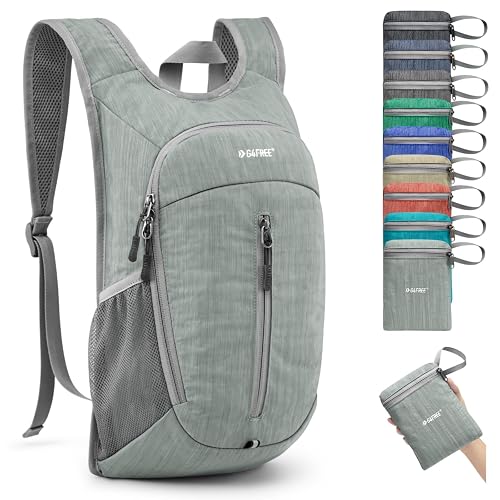
The 10L G4Free earns its place by nearly disappearing. It folds inside itself into a small internal pocket, ending up about the size of a sandwich bag, then unfolds to roughly 15.5 x 9 x 3.5 inches when you need it. That profile makes it a sensible secondary pack: keep it inside a suitcase, a carry-on, or even a coat pocket, and pull it out only when the day’s plans change.
For travelers flying into a city and then heading out for a half-day walk, that stashability is the whole point.
Useful Strengths
- Folds to roughly 7.5 x 6 inches for storage in a luggage pocket
- Lightweight enough to keep on hand without feeling like dead weight
- 10L is a reasonable size for a museum day, a short hike, or a market run
- Unisex design fits a wide range of body sizes comfortably
Less Ideal Details
- 10L is too small for full-day hikes that need a rain shell, food, and water
- Thin fabric construction feels closer to a sturdy shopping bag than a true hiking pack
Who It Suits Best
Travelers who want a backup pack that lives inside a larger bag and comes out for casual outings.
Where A Sibling Pick Shines
The G4Free 40L covers the same brand’s larger end and fits shoppers who need real gear-hauling capacity instead of packability.
The colorful version of the UtiaMiaoGonGo 15L keeps the strap-pocket system that made the blue and black models useful and leans into a brighter, more expressive visual identity. For shoppers who want their daypack to read as a style choice, not just a utility item, the color-forward fabric is the main draw.
Underneath the color, the layout is the same: a zippered pocket on one strap for a phone up to 7 inches, a drawstring pocket on the other for smaller essentials, and a 15L main compartment for a casual day out.
The Practical Payoff
- Brighter colorways add visibility on shared trails and in transit
- Strap-mounted phone pocket keeps photos and trail apps easy to reach
- Lightweight packable build suits travel and short hikes alike
- 15L is the sweet spot for casual day outings
Some Limits To Know
- No hipbelt, so weight still rests on the shoulders
- Color saturation may fade faster under direct sun than darker colorways
Perfect Match For
Style-minded casual hikers who want a small daypack that reads as a personal choice, not a generic piece of nylon.
Not Your Match When
The UtiaMiaoGonGo 15L in Black is a more neutral alternative for shoppers who prefer a low-key look.
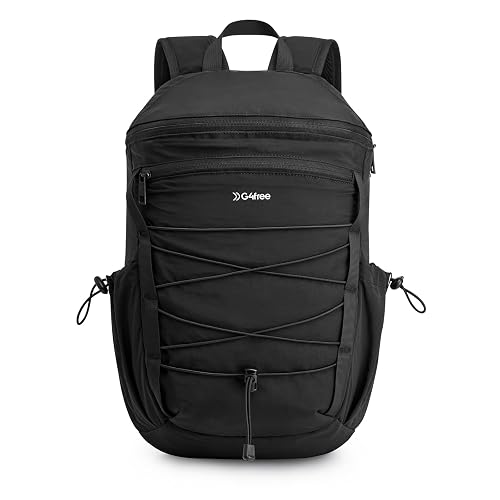
Twenty liters is the classic daypack sweet spot, and the G4Free 20L sits right in the middle of the list. It carries enough for a full trail day, including a layer, snacks, water, and a small first-aid kit, without feeling like a burden on a city commute. It’s also categorized as a casual daypack, so the carry feels closer to a school or commuter bag than a technical pack.
For shoppers who want one pack to handle a hike on Saturday and a laptop-and-lunch run on Monday, the 20L is usually the right balance.
Strong Points
- 20L hits the everyday capacity middle ground
- Casual daypack profile transitions between trail and city use
- Suitable as a personal item on flights for travelers who want to skip the overhead bin
- Mid-range size works well for beginner hikers who aren’t sure how much they want to carry
Worth Bearing In Mind
- Casual daypack category means it lacks the structured backpanel of a dedicated hiking pack
- Limited detail in the source listing makes it harder to confirm exact feature specs
Who It Suits Best
Beginner hikers and casual travelers who want a single, mid-size pack for mixed-use days and aren’t ready to specialize.
Skip It When
The Osprey Tempest 20L is the better match for hikers who want a true women’s-specific harness and dedicated trail support.
Choosing Backpacks For Hiking Women That Actually Fit
A women’s hiking pack earns its keep in three places: the harness, the hipbelt, and the backpanel. The harness is the shoulder strap assembly, and on a women-specific pack it sits narrower and curves to follow the collarbone rather than cutting across it. The hipbelt is the padded wrap at your hips, and a well-shaped one transfers roughly 80% of the load off the shoulders. The backpanel is the padded surface against your spine, and a structured one with airflow channels keeps the pack from turning into a hot, sweaty plate on a summer climb.
Capacity matters next. A 10L to 15L pack handles casual day hikes and city use, 20L covers a full day with a layer and food, and 40L is the threshold for overnights or wet-gear separation. Going larger than you need usually means carrying more weight you don’t actually use.
Packability is its own decision, and it depends on whether you’ll ever stash the pack in a suitcase or larger duffel. A packable nylon design folds into a small internal pocket and weighs very little, but it sacrifices structure. A framed hiking pack carries heavier loads comfortably but takes up space when not in use.
Materials close the loop. Polyamide and coated nylon resist abrasion and light rain, while metal zippers (look for SBS-brand zippers) outlast the plastic ones common on budget daypacks. Reinforced stitching at the seams where the straps meet the body is worth checking on any pack you expect to load with 10+ pounds regularly.
Key Considerations Across These Picks
Common Shopping Slip Ups
The most common mistake is picking capacity based on the biggest number that looks useful, rather than the longest day you actually do. A 40L pack can feel oppressive on a two-hour lake loop, and a 10L pack can’t safely carry a rain shell, water, food, and a first-aid kit for a real day hike. Match the pack to the longest outing you do at least monthly, not the one you might do someday.
Another miss is treating women’s-specific as a color choice. The cut, the harness width, the hipbelt shape, and the backpanel curvature are the actual features. Two 20L packs at similar weights can feel completely different after two hours on the trail, so the geometry is where the real decision lives.
What The Higher Tier Buys
Stepping up to a structured women’s pack like the Osprey Tempest 20L buys you a real harness and hipbelt system, a molded backpanel with airflow, and gear attachments for poles, ice axe, and helmet. Those features matter most on long, varied days where load and terrain change. For casual day hikes and city use, a lighter packable option covers the same scenarios at a fraction of the carry weight, and the upgrade doesn’t pay off in any practical way.
Frequently Asked Questions
What size backpack do most women need for a day hike?
A 20-liter pack is the most common fit for a full day hike that includes water, snacks, an extra layer, and a small first-aid kit. Shorter outings under two hours often work well in 10 to 15 liters, and anything beyond a single day usually calls for 30 liters or more.
Are women’s hiking backpacks actually different from men’s?
Women’s-specific packs typically feature a shorter torso length, narrower shoulder straps that curve to clear the chest, and a hipbelt shaped for wider hip differences. The difference matters most on longer days, where a women’s-specific fit reduces pressure points and improves load transfer to the hips.
How important is a hipbelt on a small hiking backpack?
A hipbelt becomes important once the load crosses roughly 10 to 12 pounds, because it transfers weight from the shoulders to the hips. For very small daypacks with light loads, a simple webbing belt is often enough, but for full-day hikes a padded hipbelt makes a noticeable comfort difference.
Can a packable daypack handle a real hike?
A packable daypack can handle casual and moderate trails, especially for short distances with light loads. For technical terrain, long mileage, or loads over 10 pounds, a structured pack with a frame and hipbelt carries much more comfortably.
How should a hiking backpack fit a woman?
The torso length should match the pack’s sizing, the hipbelt should sit on the iliac crest (the bony top of the hip bones) and close snugly, and the shoulder straps should curve around the chest without pressing into it. Adjusting the load lifters (the small straps at the top of the shoulders that angle the pack closer to the back) helps pull weight back toward the body’s center of gravity, which improves balance on uneven ground.
Closing Remarks
A great women’s hiking pack should disappear on the trail and pull its weight when you need it. Start with the longest day you actually do, match the fit to your torso and hips rather than the color, and pick the level of structure that matches the terrain. The right pack makes the miles feel shorter, and the right size keeps the day uncluttered.