
Spend three days crossing a scree field without leg gaiters and you’ll understand why this category exists. A good pair keeps trail grit, snowmelt, and seed ticks out of your boots, and a bad pair bounces down your calf after the first mile. Backpackers moving through alpine meadows, desert washes, or muddy ridgelines all want the same thing: a snug barrier that stays put, breathes, and weighs nothing worth noticing. This shortlist pairs heavy-duty snow builds with ultralight trail runners, so you can match the gaiter to the terrain rather than the marketing copy.
A Side-By-Side Look
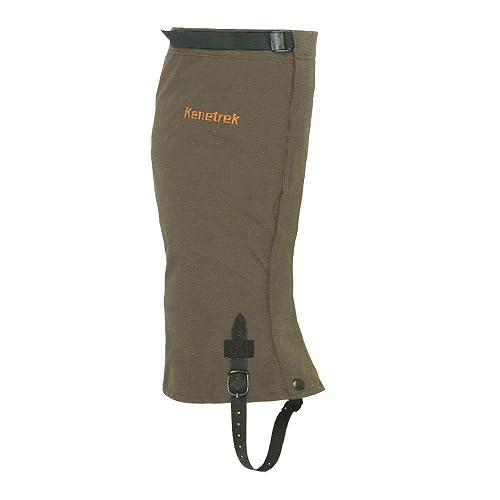
Kenetrek Breathable Hunting Leg Gaiters

Kahtoola INSTAgaiter Mid Gaiters
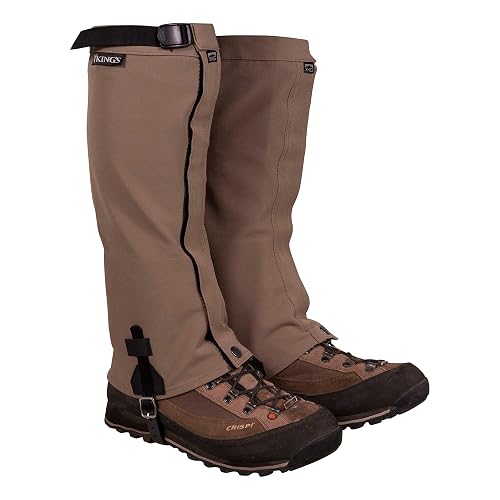
King’s Camo XKG Leg Gaiter
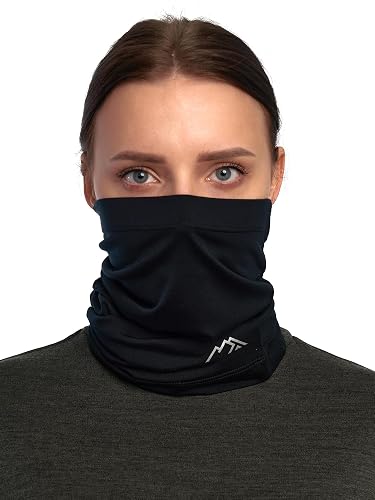
Merino.tech 100% Merino Wool Neck Gaiter
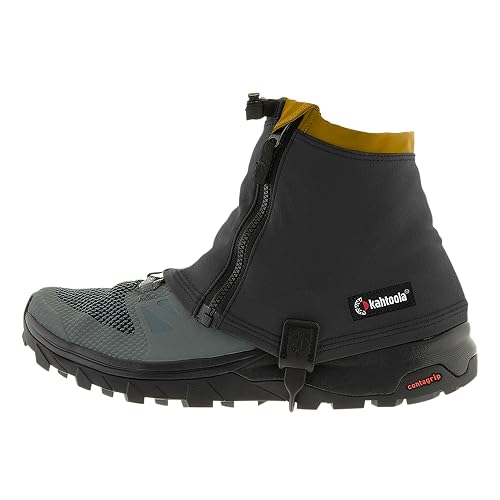
Kahtoola RENAgaiter Low Gaiters
A Breakdown Of The Leading Choices
The Kenetrek gaiters are aimed squarely at backcountry hunters and winter backpackers who posthole through wet, heavy brush. A breathable waterproof membrane sits behind a tough outer shell, so wet snow beads off while perspiration vapor still moves outward. The front Velcro strip is long enough to wrap bulky insulated pants without buckling under pressure.
Top web straps with cam-lock buckles (small ladder-style buckles that hold tension and release with a pinch) cinch the upper edge, and a Hypalon rubber (a tough, abrasion-resistant synthetic rubber commonly used on river gear) strap bites the boot instep to keep the lower edge anchored. This is overkill for a tame summer trail, but it earns its weight on a January ridge traverse.
Advantages To Know
- Stormblocker membrane blocks snowmelt from soaking the calf during long slogs in wet conditions.
- Cam-lock top buckle holds tension all day, even when layered over thick insulated trousers.
- Hypalon instep strap resists cuts from crampons (spiked traction frames that strap onto boots for ice travel) and rocky ground.
- Full-height cut keeps deep snow and shin-high water out of the boot entirely.
- Built for cold-weather hunters who would otherwise carry a separate snow gaiter.
Things To Consider
- Heavier than mid or low gaiters, which adds up over a long summer traverse.
- Front Velcro can collect lint and pine needles and may lose grip if not cleaned between trips.
- Overkill for dry, rocky desert terrain where dust, not water, is the enemy.
Key Specs
Made For
Winter backpackers, mountain hunters, and anyone postholing through wet snow above treeline.
Skip It When
The Kahtoola INSTAgaiter Mid is a smarter carry for warm-weather thru-hikers who want ounce-shaving protection.
Where the Kenetrek leans toward snow armor, the Kahtoola INSTAgaiter Mid goes the opposite direction. A stretch-woven nylon shell moves with the leg instead of fighting it, which matters when you’re putting in 25 miles a day on a long trail. Water-resistant treatment sheds light rain and trail splash without trapping heat.
The mid-height cut lands just below the knee, blocking scree, seed ticks, and stream splash while leaving the upper calf breathable. Compared to the heavy-duty Kenetrek, this is the gaiter you’d rather carry on a warm-weather section of the PCT or AT.
Good Reasons To Consider
- Stretch-woven fabric hugs the leg without restricting stride on long climbs.
- Light enough for multi-day packs where every gram gets audited.
- Water-resistant finish handles stream crossings and light rain without soggy fabric.
- Mid-height coverage blocks trail debris and ticks where they actually land.
Worth Noting
- Not fully waterproof, so standing in deep snow or a long rain will eventually soak through.
- Lightweight fabric can abrade faster than the heavy tri-laminate builds on gnarly brush hikes.
- Snug fit demands precise sizing over low-volume trail runners.
Best Suited To
Thru-hikers and trail runners tackling three-season routes where weight and breathability matter more than full waterproofing.
Look Elsewhere When
Pick the Kenetrek Breathable Hunting Leg Gaiters instead for deep-snow missions that need a true waterproof membrane.
The XKG Leg Gaiter takes a different approach than the Kahtoola pair, prioritizing toughness over stretch. A three-layer, four-way stretch polyester laminate resists pokes from berry brambles and granite shards alike. A reinforced lower panel takes the brunt of boot scuffing, which is where most gaiters die first.
A double-riveted boot lace hook and reinforced instep buckle keep the lower edge locked, even when you’re pushing through deadfall. The camo print suits hunters, though the build works for any backpacker dealing with abrasive terrain. In our view, this is the most overbuilt mid-cut option here.
Real Benefits
- Three-layer laminate shrugs off berry thorns and sharp scree that destroy single-layer gaiters.
- Reinforced lower leg extends service life on abrasive desert rock and granite approaches.
- Double-riveted lace hook stays attached through seasons of yank-and-go use.
- Full-length Velcro front makes field repairs possible with a small patch kit.
Honest Caveats
- Heavier than the Kahtoola INSTAgaiter, so weight-conscious hikers may skip it.
- Stiffer fabric requires a break-in period before it molds to your stride.
- Camo print is louder visually than a solid black gaiter for non-hunters.
Right Fit For
Western hunters and backpackers pushing through manzanita, sage, and rocky canyon terrain where brush abrasion ruins lighter builds.
Reach For A Different Pick When
Choose the Kahtoola RENAgaiter Low for trail runners who only need ankle coverage on dry, dusty singletrack.
This is a different animal from the leg gaiters above. The Merino.tech tube is a multifunctional neck gaiter, meaning it pulls up over the face, down over the ears, or folds into a beanie depending on the wind. The 17.5-micron merino fibers (a measure of wool fiber diameter; lower numbers mean softer, less itchy yarn) feel closer to a cotton tee than to a scratchy sweater.
It’s a thermal piece, not a debris barrier, and pairs well with the leg gaiters above when shoulder-season weather swings from cold to sunny. Backpackers climbing above the tree line will find it earns space in a lid pocket on any shoulder-season trip.
Strong Points
- 17.5-micron merino feels soft against the chin and nose, even after a full day of wear.
- Pulls double duty as a neck warmer, facemask, or beanie.
- Merino naturally resists odor, so it stays usable across multi-day trips without washing.
- Lightweight and compresses smaller than a fleece buff.
Small Caveats
- Not waterproof, so heavy rain soaks through quickly compared to synthetic shells.
- Provides no protection against trail debris at the lower leg.
- Wool can felt (shrink and mat) over time if machine-dried on heat.
Who Should Grab It
Shoulder-season backpackers and shoulder-season hikers who want a versatile warmth layer for face, neck, and head.
Consider Something Else When
Reach for the Kahtoola INSTAgaiter Mid when your priority is keeping dust and scree out of your boots, not warming your face.
The RENAgaiter Low sits below the ankle, which sounds modest until you’ve slogged through dust and scree without one. Built from 90% stretch-woven nylon and 10% polyurethane (a stretchy synthetic that adds water resistance and shape recovery), it seals around low-cut hiking shoes and trail runners without bunching.
The low profile breathes better than any mid-cut gaiter in this roundup, which is why trail runners and desert hikers reach for it. It’s the lightest pair here and slips into a pack pocket when conditions dry out. Compared to the Kenetrek, it’s the obvious choice for warm, dry climates.
Notable Gains
- Low cut seals around trail runners and low hikers without rubbing the calf.
- Polyurethane blend adds water resistance without sacrificing airflow.
- Lightweight build disappears in a hipbelt pocket until you need it.
- Stretch-woven fabric fits a range of shoe volumes without size-swapping.
Room For Improvement
- Low height leaves the shin exposed to deeper snow or shin-high water.
- Not a substitute for a mid or tall gaiter in wet, brushy conditions.
- Snug instep strap can wear thin on users with very narrow heels.
Who Will Love This
Trail runners, desert hikers, and fast-packers who need ankle-level debris protection on dry, dusty routes.
A Better Fit Elsewhere
The King’s Camo XKG Leg Gaiter suits backpackers facing abrasive brush or rocky approaches where taller coverage matters more than breathability.
What To Weigh Before Choosing Gaiters For Backpacking
Match The Cut To The Terrain
The first real choice is height. Tall gaiters like the Kenetrek pair make sense for deep snow, wet brush, and postholing routes where the goal is to keep the entire lower leg dry. Mid-cut options like the Kahtoola INSTAgaiter handle most three-season trails, blocking scree and seed ticks without trapping heat. Low-cut pairs like the RENAgaiter Low work for trail runners and dry, dusty routes where ankle-level debris is the only concern.
Decide Between Stretch And Laminate
Stretch-woven nylon moves with the leg, which feels natural on long mileage days. Tri-laminate or membrane-backed gaiters weigh more and run stiffer but block moisture and abrasion far better. Backpackers moving through wet snow or thick brush benefit from laminate builds. Anyone counting grams for a fast section of trail will appreciate stretch-woven construction.
Consider Hardware And Closure
Front closures fall into two camps: full-length Velcro strips and zippered fronts. Velcro opens fast for ventilation breaks and field repairs but loses grip over time if clogged with lint. Zippers hold longer but can fail under repeated flexing. Instep straps matter too: Hypalon rubber resists crampon damage, while thin nylon webbing is lighter but cuts faster. Boot lace hooks, especially double-riveted ones, keep the lower edge from sliding up mid-stride.
Weight And Packability
A heavy gaiter earns its place on winter or hunting trips. For three-season travel, anything over roughly six ounces per pair feels wasteful. Look for pairs that compress into a pocket or stuff sack without forcing you to choose between gaiters and a rain shell.
Key Considerations Across These Picks
Pitfalls Shoppers Hit
Buying tall gaiters for a dry summer trail is a classic mistake; you’ll sweat through them by mile three. The opposite error, choosing a low-cut gaiter for snow travel, leaves your shins soaked and your feet cold. Another trap is ignoring the closure system: a gaiter with flimsy Velcro or thin instep webbing rarely survives a full season of real use. Measure your boot circumference before ordering, since stretch-woven fits run tight and laminate fits run loose.
Where The Extra Money Goes
Premium gaiters typically cost more because of the membrane layer, the instep hardware, and the reinforced lower panels. The Kenetrek’s Stormblocker membrane and Hypalon strap justify the weight for snow travel. The King’s Camo tri-laminate build costs more than a basic nylon gaiter because it lasts longer under abrasive brush. For most three-season backpackers, though, a well-built mid-cut stretch gaiter handles everything at a fraction of the weight and price.
Frequently Asked Questions
Do I really need gaiters for backpacking?
Gaiters matter most when your route crosses wet snow, loose scree, tall grass, or dust. On groomed, dry trails in summer, you can skip them.
What’s the difference between low, mid, and tall gaiters?
Low gaiters cover the ankle, mid gaiters reach just below the knee, and tall gaiters extend over the calf. Height mostly tracks how much debris or moisture you need to keep out.
Are waterproof gaiters worth the extra weight?
For wet snow or stream-heavy routes, yes. A waterproof membrane keeps your lower leg dry, which prevents blisters and chill on long days.
Can I use running gaiters for backpacking?
Yes, as long as the cut and closure match your terrain. Trail running gaiters like the RENAgaiter Low handle dusty trails well but won’t survive deep snow or heavy brush.
How do I keep gaiter Velcro working?
Brush out lint and dried mud after each trip, and store the pair with the Velcro closed against itself. A quick cleaning with a stiff toothbrush restores grip on most pairs.
Final Verdict
Backpackers crossing snow or wet brush will find the Kenetrek pair earns its weight, while thru-hikers and trail runners will appreciate the Kahtoola INSTAgaiter Mid for its breathability. The King’s Camo XKG handles rough brush better than almost anything in this category, and the Merino.tech neck gaiter rounds out shoulder-season kits. For most warm-weather trips, the Kahtoola RENAgaiter Low covers the basics without weighing you down. Match the gaiter to the terrain you actually hike, and the rest takes care of itself.