
A great trail belt disappears when you’re moving and keeps everything locked down when you stop. The wrong one flips, digs into your hip, or lets a heavy pack sway every time you lean forward. Most hikers want one accessory that handles trail duty, campfire hangs, and casual Friday without thinking twice. This roundup narrows the field to ten solid options that cover stretch webbing, ratchet buckles, and tactical builds, so you can pick the one that fits your kit.
The Leading Options At A Glance
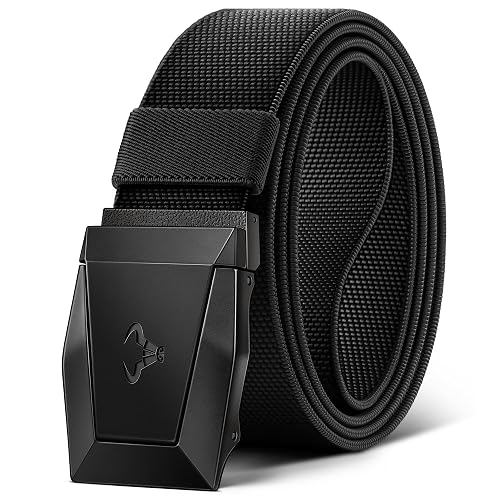
BULLIANT Stretch Tactical Web Belt 1.5″ Adjustable Fit
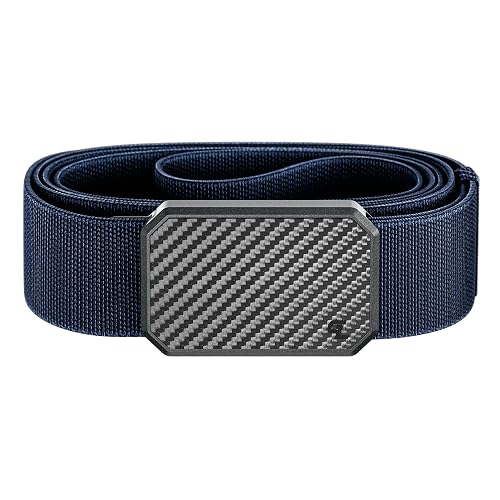
Groove Life Groove Belt Stretch with Magnetic Buckle

BULLIANT 2-Pack Stretch Tactical Web Belts 1.5″
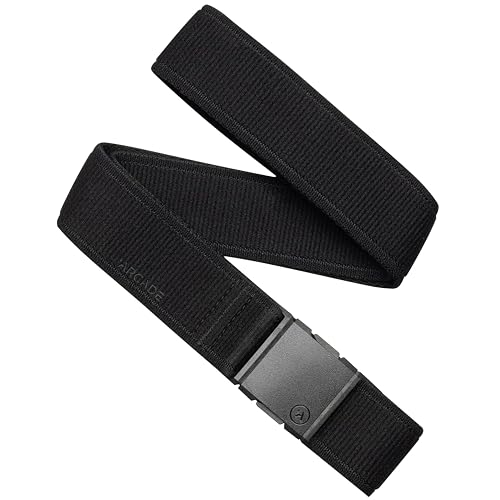
Arcade A2 Unisex Adventure Stretch Belt
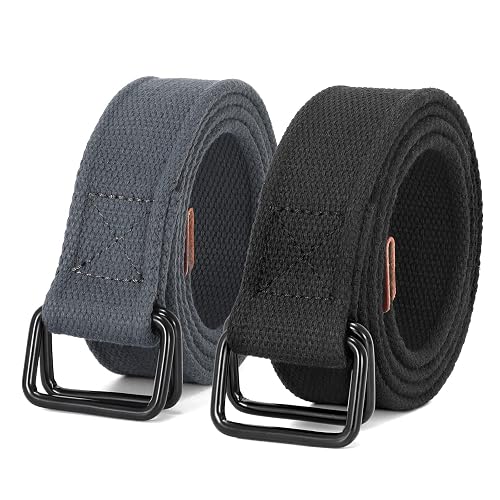
JASGOOD Canvas Web Belts with Double Ring Buckle 2 Pack

Mile High Life Canvas Web Belt with Flip-Top Buckle
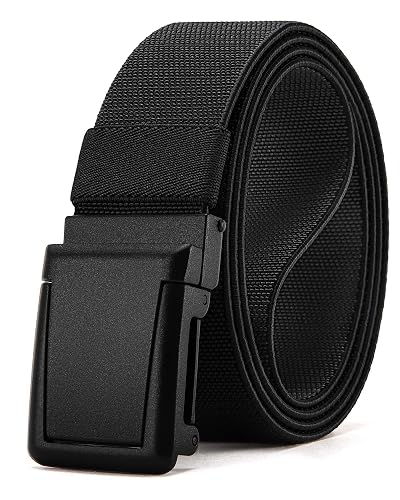
CHAOREN Tactical Belt 1.5″ Stretch with Zinc Alloy Buckle
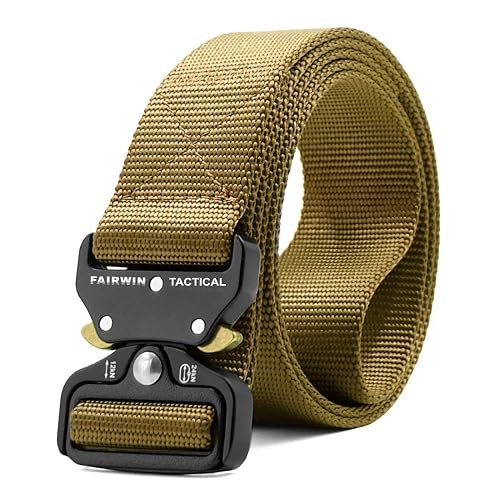
FAIRWIN Tactical Military Webbing Belt with Quick-Release Buckle
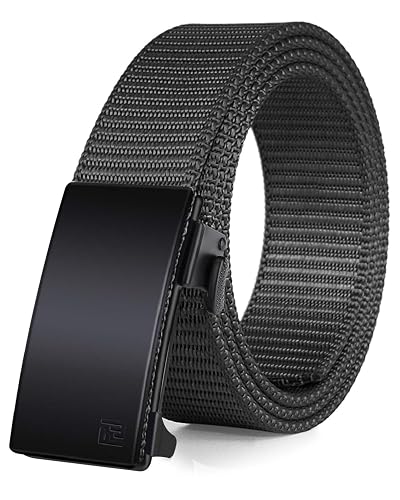
FAIRWIN Ratchet Belt Nylon Tactical with Ratcheting Buckle
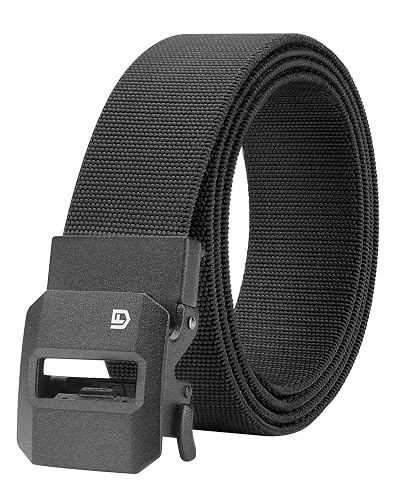
FAIRWIN Ratchet Belt Stretch Nylon Web for Everyday Use
Meet The Standout Selections
A 1.5-inch stretch web belt trims down to your exact waist, so the fit problem that ruins most off-the-rack belts disappears before you leave the trailhead. The webbing has enough give to flex with your stride, which matters on long downhill stretches where a stiff belt digs into the iliac crest (the bony point at the top of your hip).
Unlike the Arcade A2 covered later, this BULLIANT leans tactical rather than outdoor-stretch, so it slots cleanly through holsters and pack hip belts. For hikers running a single belt across work, gym, and weekend trips, the trim-to-fit approach is a sensible starting point.
Points In Its Favor
- 1.5-inch width slots through standard pant loops and pack webbing
- Trimmable webbing tail dials in a precise fit without specialty tools
- Stretch reduces that mid-hike loosening you get with rigid leather
- Low entry price keeps the cost-of-trial low for first-time buyers
- Dark color pairs with jeans, chinos, and trail pants alike
Things To Consider
- Long-term durability of the buckle under heavy pack loads is the most common ownership question
- Stretch can feel over-springy for hikers who prefer zero-rebound webbing
Who It Suits Best
First-time tactical belt shoppers who want an affordable, forgiving strap that works across casual and outdoor settings without commitment.
Consider Something Else When
Distance hikers carrying heavy loads should look at the Arcade A2, which is built with stretch-focused comfort on long miles.
A magnetic buckle means one-handed release, which sounds trivial until you are holding a trekking pole in the other hand at a stream crossing. The Groove Belt layers that magnetic closure onto a stretch web body sized in three waist bands: Small (28-32″), Medium (33-36″), and Large (37-40″).
Compared with the BULLIANT above, this is less of a trim-to-fit workhorse and more of a refined daily strap with a clean visual line under a tucked polo or unzipped shell. The sizing is the part to slow down on, since magnetic closures cannot be trimmed after sizing without re-routing the webbing path.
The Case For It
- Magnetic buckle enables one-handed release with gloves on
- Stretch webbing holds cinch through sit-downs, bends, and pack loads
- Sized options (S/M/L) avoid the guesswork of trimmable belts
- Low-profile look bridges trail and casual workplace use
Worth Noting
- You may find sizing less forgiving if you sit between size ranges
- Magnetic components add a small concern for users storing cards or magnetic media in hip pockets
Made For
Tech-forward minimalists who want a sleek magnetic closure for easy on-and-off during commutes, dog walks, and short trail days.
Look Elsewhere When
Heavy tactical use suits the FAIRWIN Tactical Belt later in the list, whose quick-release design is built for holster and load-bearing carry.
Buying two belts at once solves the redundancy problem that bites hikers after 18 months, when one belt is at camp duty and the other is somewhere in the wash. This 2-pack uses the same 1.5-inch trimmable webbing as the single BULLIANT earlier, so you learn one system and apply it twice.
The honest read is that 2-packs are most useful for backpackers rotating through long trips, or anyone who wants a backup strap at the trailhead locker.
Key Advantages
- Two trimmable belts cover travel, work, and trail use in one purchase
- Standard 1.5-inch webbing fits most pant loops and pack belts
- Lowest per-belt price of any trimmable option on this list
Points To Keep In Mind
- Buckles are the same proven but entry-tier quality as the single-pack version
- You may find both belts identical, which limits style rotation
Best Suited To
Outdoorsmen packing for long rotations who want belt redundancy without paying double for two premium models.
Skip It When
Style-focused hikers will prefer the Arcade A2, which comes in multiple color options to rotate across outfits.
The Arcade A2 was built around the “adventure stretch” idea: enough give to flex with your body, enough hold to keep a pack stable on the lumbar (lower back) when you lean into a climb. The stretch webbing is the headline feature, and Arcade offers several color options across two width ranges starting at 1.5 inches.
For distance hikers, this is the comfort-first option in the roundup, and the trade-off shows up in the buckle design, which is lighter than the FAIRWIN tactical models below. If you are hauling a fully loaded pack over multiple days, the stretch really earns its keep.
A Favorable Mix
- Stretch webbing flexes with stride and pack load for less hip pressure
- Multiple color options rotate across wardrobes and trip kits
- Low-profile buckle avoids pressure points under pack hip belts
Honest Caveats
- Buckle is lighter-duty than tactical ratchet options on this list
- You may find the stretch excessive if you carry a tool belt or holster daily
- Premium positioning over basic web belts
Feature Snapshot
Perfect Match For
Distance hikers and backpackers who log long days and want a belt that disappears under pack weight.
Reach For A Different Pick When
Tactical loadouts benefit more from the FAIRWIN Tactical Belt, which is built around quick-release utility.
Canvas webbing with a double D-ring buckle is the classic campfire-and-town combo, soft against the waist, no metal-to-metal rattle on the trail. The 2-pack covers size brackets of 28-32″ and 33-38″ so you can dial fit without trimming.
This is the laid-back pick of the roundup, ideal for casual hikers who spend as many evenings around the fire as miles on the trail. The D-ring closure can take a moment to learn, especially with cold or gloved hands.
The Good Stuff
- Canvas webbing stays soft against bare skin at the campsite
- Two size brackets reduce guesswork at checkout
- Two-pack value covers outfit rotation between trail and town
Room For Improvement
- D-ring closure is harder to fasten one-handed than a snap or ratchet buckle
- Canvas stretches out more than nylon over months of wear
Who Will Love This
Camp cooks and laid-back hikers who want a soft, quiet strap for evenings as much as trail miles.
A Better Fit Elsewhere
Heavy pack days suit the Arcade A2, whose stretch webbing handles load shifts better than canvas.
A cut-to-fit canvas web belt up to 52″ waist covers a wide range of body types and works for handymen who swap between workshop and weekend trail. The flip-top solid black military-style buckle releases cleanly with one motion.
For hikers who want a no-fuss strap with classic buckle styling, this is the simplest option here. The buckle design is straightforward, which makes it a smart pick for users who dislike learning ratchet systems.
What Helps Most
- Up to 52″ waist capacity covers most adult sizes without ordering multiple belts
- Flip-top buckle releases quickly with one motion
- Canvas webbing is durable enough for workshop grit and trail dust
Trade Offs
- No stretch means less flex under heavy pack loads than the Arcade A2
- Canvas weave holds trail grime and may need periodic cleaning
Quick Facts
Right Fit For
Handymen who split time between garage projects and weekend trailheads and want one belt that handles both.
Swap It Out When
Pack-heavy day hikers will appreciate the stretch profile of the Arcade A2 over a rigid canvas build.
A zinc alloy buckle is heavier than plastic, and that weight is the point. It holds shape under repeated pulls from a holster or tool clip without flexing, which is what tactical users actually need on the trail. The 1.5-inch stretch webbing keeps the strap comfortable against the hip despite the heavy hardware.
This belt sits between the trim-to-fit BULLIANT and the heavier FAIRWIN tactical models, offering alloy hardware at a lower cost. If you carry gear that pulls on the buckle daily, this is the strongest low-cost option here.
Real-World Strengths
- Zinc alloy buckle resists bending better than plastic alternatives
- 1.5-inch webbing fits standard loops and holster clips
- Stretch comfort offsets the heavier buckle for full-day wear
A Few Limitations
- Alloy buckle adds noticeable weight on long, light-pack days
- Stretch is less than ratchet systems for users wanting precision hold
Who Should Grab It
Holster wearers and tactical hikers who want alloy hardware durability without the cost of premium ratchet belts.
Consider Something Else When
Precision fit seekers will prefer the FAIRWIN Ratchet Belt below, whose ratcheting buckle locks in 1/4-inch increments.
Riggers webbing, a tight nylon weave used in load-bearing gear, is what holds the rest of this belt together. The quick-release buckle is built around emergency release, so a hard yank frees the strap if gear gets snagged. For hikers who treat their belt as part of their load-bearing kit, that matters.
This is the most utility-focused option in the roundup, and the visual line is heavier than casual options. The tradeoff shows up in everyday use, since quick-release buckles add bulk under a tucked shirt.
What Pays Off
- Heavy-duty rigger webbing handles load-bearing carry
- Quick-release buckle clears snag hazards fast
- Reinforced build for users who treat gear hard
Practical Considerations
- Bulky buckle shows under tucked shirts, limiting office crossover
- Visual style leans utility over casual
Feature Rundown
Built With In Mind
Utility-focused users and expedition loadouts who want a belt built for snag hazards and heavy carry.
Where A Sibling Pick Shines
Casual crossover days fit the FAIRWIN Ratchet Belt better, since ratchet buckles tuck cleanly under a shirt.
A ratcheting buckle locks in micro-increments, so you get the exact hold you set without the gradual loosening you get from hole-and-prong belts. The nylon webbing here is built to feed smoothly through the ratchet track, and the visual line is closer to a dress belt than a rigger build.
Compared with the tactical FAIRWIN above, this is the office-and-weekend crossover version. The trade-off shows up at the trailhead, where the ratchet track is less snag-resistant than a quick-release buckle under brush.
Benefits That Matter
- Ratcheting buckle adjusts in micro-increments for exact hold
- Visual line tucks cleanly under tucked shirts and casual jackets
- Nylon webbing balances comfort and structure
Less Ideal Details
- Ratchet track can collect trail dust and debris during long hikes
- You may find the buckle less durable than the tactical build above under repeated snags
Whose Shelf It Belongs On
Office-to-trail crossover wearers who want one belt that handles meetings, errands, and weekend trailheads.
Where Another Pick Suits Better
Expedition-level snag hazards call for the FAIRWIN Tactical Belt above, which prioritizes release over refinement.
This FAIRWIN stretches nylon web through a ratchet track and covers five waist sizes: XS (28-34″), S (32-38″), M (36-42″), L (42-46″), XL (46-50″). That wide range makes it the most size-flexible pick of the roundup. The stretch webbing adds comfort without giving up the precision of micro-adjust hold.
For users who want one belt that grows or shrinks with their waist over years, the size ladder here is unmatched in the roundup. The honest read is that five size steps can leave a small gap if you sit between two sizes.
A Strong Showing
- Five size brackets cover waist ranges from 28″ to 50″
- Stretch webbing holds cinch through long sits and pack loads
- Ratcheting buckle locks in micro-increments for tailored fit
- Low visual bulk suits jeans, chinos, and casual pants
Potential Compromises
- Stretch webbing wears out faster than rigger nylon under constant heavy load
- Five-step ladder still leaves size gaps between adjacent brackets
Core Details
The Right Fit
Daily commuters and weekend trekkers who want a low-bulk ratchet strap with size coverage that adapts as waistlines change.
Not Your Match When
Tactical load-bearing use suits the rigger-web version reviewed earlier, which prioritizes snag-release over comfort stretch.
Picking The Right Trail Belt For Your Kit
A trail belt earns its place on three fronts: how it carries under a pack, how it releases when you need it off, and how it wears over months of dust. Stretch webbing, like that on the Arcade A2 and the FAIRWIN ratchet picks, flexes with stride and reduces hip pressure on long miles. Rigid nylon or canvas, like the Mile High Life and the rigger-web FAIRWIN, holds shape under heavy load but digs in faster on hot days. Ratcheting buckles lock in micro-increments, while quick-release and flip-top buckles clear snag hazards faster. For most hikers, a stretch web belt with a low-profile buckle is the strongest everyday starting point, with tactical builds reserved for those who carry gear that pulls daily.
Getting The Fit Right Before You Buy
A belt that fits at the trailhead but pinches at the campsite is the most common complaint in this category. Trimmable webbing solves fit by cutting to your exact waist plus 2 inches, so the strap threads cleanly through the buckle. Pre-sized belts cover a bracket, which works for stable waistlines but can leave a gap if your weight shifts seasonally. Stretch webbing forgives mid-range weight changes, while rigid nylon holds the size you set on day one.
Sizing matters more than material for most hikers, and a too-tight belt causes more discomfort on the trail than a too-loose one. If you sit between two size brackets, the trimmable BULLIANT models let you cut to fit without picking a side.
Key Considerations Across These Picks
Pitfalls Shoppers Hit
The most common slip-up is buying a tactical belt for casual wear. Bulky rigger buckles show through tucked shirts, and quick-release hardware under a polo reads as overdressed. The reverse mistake is buying a soft canvas belt for heavy pack duty, where the lack of structure causes the strap to roll and lose cinch. Match the belt to your heaviest typical day, not your lightest.
Another trap is ignoring size brackets. A belt that fits at 34″ but you sit at 36″ leaves no room for the thick hoodie or pack hip belt you wear on cold trail days. Stretch webbing forgives that gap, but pre-sized nylon does not.
What The Higher Tier Buys
Premium belts in this category buy three things: tighter webbing weaves that resist fraying, buckles machined from alloy rather than stamped steel, and ratchet tracks that hold tolerance after thousands of clicks. The Arcade A2 and the FAIRWIN ratchet models sit in that premium tier, and the upgrade is most visible on heavy-use days where cheap buckles bend and webbing pills.
For hikers who use their belt two or three times a week, the upgrade pays off in year-two durability, not year-one comfort. Casual weekend users can hold the BULLIANT trimmable builds and skip the premium jump entirely.
Frequently Asked Questions
How tight should a hiking belt sit? A trail belt should sit snug enough that a loaded pack does not slide down your lumbar, with about one finger of slack between strap and waist.
Can I wear a tactical belt with jeans? Yes, but buckle bulk matters; the FAIRWIN ratchet models tuck cleaner under a tucked shirt than the rigger-web quick-release build.
How do I clean a stretch web belt? Most stretch webbing tolerates a cool hand wash and air dry, though owners commonly skip the wash and brush off trail dust instead to preserve elasticity.
Do ratchet belts loosen over time? A quality ratchet track holds micro-increments across years of daily wear, though dirt in the track can cause partial slips until cleaned.
What width belt fits most hiking pants? A 1.5-inch strap fits the vast majority of outdoor and casual pant loops, and that width covers every belt in this roundup.
The Takeaway
The right pick comes down to your heaviest trail day. Casual day hikers will find the Arcade A2 or the FAIRWIN ratchet stretch models the most comfortable, while tactical and load-bearing users benefit more from the rigger-web and quick-release build. Trimmable webbing solves fit best for stable waists, and pre-sized stretch covers the widest range. Whichever belt earns a spot in your kit, it should disappear on the trail and show up only when you need it.