
The right hiking boots change how a trail feels underfoot, especially for men weighing a short day hike against a multi-mile weekend push. Foot stability, weather protection, and weight all matter when the route involves loose gravel, wet roots, or steep descents. This roundup walks through seven strong options across low-cut hikers, mid-cut boots, and a well-matched sock to round out the kit.
An Overview Of The Picks
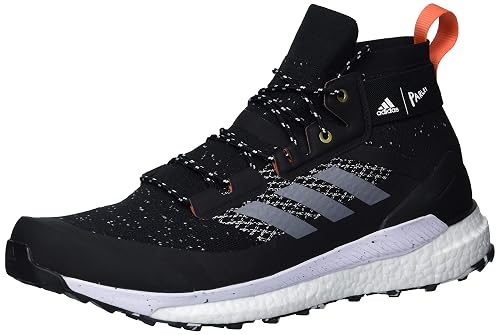
adidas Men’s Terrex Free Hiking Shoe
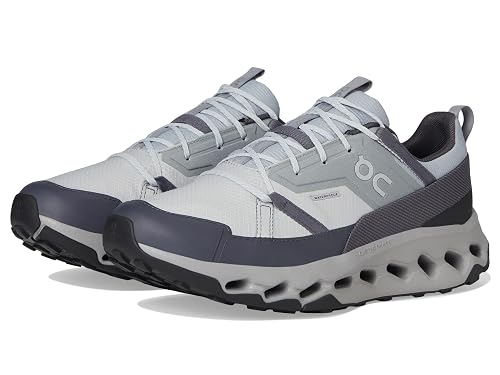
On Mens Cloudhorizon Waterproof
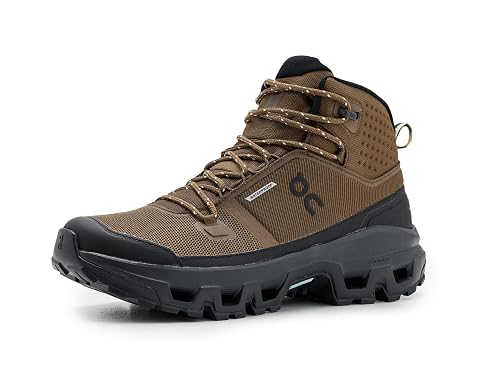
On mens Cloudrock Mid Waterproof

Columbia Men’s Fairbanks Low

Niorasen Merino Wool Hiking Crew Socks
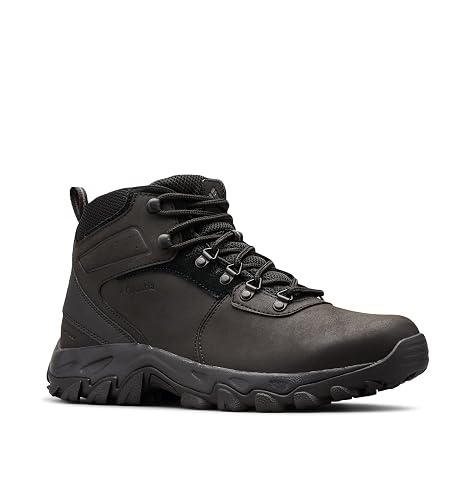
Columbia Men’s Newton Ridge Plus II Waterproof
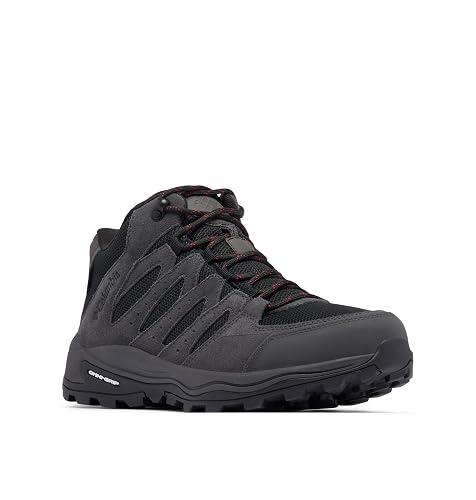
Columbia Mens Redmond IV Mid Waterproof
What Each Pick Brings To The Table
Low-cut hiking shoes land in a sweet spot for men who move fast on maintained trails and want something lighter than a traditional boot. The Terrex Free sits firmly in that lane, pairing a sneaker-like ride with enough outsole grip to handle packed dirt and gravel. You won’t find a tall ankle collar here, so think of it more as a sturdy trail running shoe than a load-bearing backpacking boot.
For day hikes under ten miles where the path is well-marked, this kind of agility matters more than ankle wraparound. It also breathes better than most waterproof boots, which helps on warm-weather climbs.
Positive Takeaways
- Lightweight profile keeps legs fresher on long day hikes
- Lower-cut collar allows natural ankle flex on moderate trails
- Breathable upper handles warm-weather walking better than most waterproof options
- Familiar sneaker-style ride appeals to newcomers stepping into hiking footwear
Things To Consider
- Limited ankle support compared to mid-cut boots on uneven terrain
- Suede and mesh uppers benefit from a quick spray-down after muddy use
Quick Facts
Right Fit For
Day hikers and trail runners who stick to graded paths and want a lighter step.
Swap It Out When
The Columbia Men’s Newton Ridge Plus II Waterproof is a stronger fit for hikers carrying daypacks over rougher terrain.
Where the adidas Terrex leans toward trail-running DNA, the Cloudhorizon pushes deeper into cushioned comfort. The signature CloudTec Phase construction, a layered midsole that softens impact during heel strike, makes long miles feel less punishing. A waterproof bootie keeps rain out, which on the Pacific Northwest or Appalachian routes turns a damp hike into a dry one.
Compared to the Terrex Free, this option adds noticeable cushioning at the cost of a slightly bulkier ride. Hikers who log long distances and prioritize joint comfort over minimalist feel tend to gravitate here.
Features That Help
- CloudTec Phase midsole absorbs repeated impact over many miles
- Waterproof construction handles stream crossings and steady rain
- Cushioned ride suits hikers with sensitive knees or longer routes
- Roomy toe box accommodates thicker hiking socks without pinching
Honest Caveats
- Cushioning stacks height, which some hikers may find less stable on side-hill traverses
- Higher stack height reduces ground feel compared to lower-profile trail runners
- Waterproof membranes eventually need careful drying to prevent odor buildup
Made For
Long-distance hikers and walkers who want plush cushioning with weather protection.
Consider Something Else When
The On mens Cloudrock Mid Waterproof is a smarter pick for hikers needing genuine ankle support on rocky terrain.
Stepping up from the low-cut Cloudhorizon, the Cloudrock Mid wraps the ankle for added stability, useful on uneven ground or when carrying a daypack. The mid-cut profile means a stiffer collar around the Achilles, which trades a touch of flex for confidence over loose rock. On built the upper around a waterproof bootie construction for wet weather protection.
Think of this as the same cushioning philosophy as its low-cut sibling, just dialed toward hikers who prefer a boot feel. For men who want plush comfort without giving up ankle security on mixed terrain, this fills a real gap.
Strong Points
- Mid-cut ankle collar adds stability on uneven, rocky trails
- Retains On’s signature cushioning for long-mile comfort
- Waterproof construction holds up through stream crossings and morning dew
- Boot-like ride reassures hikers used to traditional hiking footwear
Worth Noting
- Heavier and warmer than the low-cut Cloudhorizon in mild weather
- Stiffer ankle collar requires a break-in period before long routes
Feature Snapshot
Best Suited To
Hikers tackling single-day routes on mixed terrain who want cushioning plus ankle support.
Look Elsewhere When
The Columbia Mens Redmond IV Mid Waterproof offers a similar mid-cut profile at a friendlier entry point for shoppers watching their budget.
The Fairbanks Low brings a more traditional hiker aesthetic, suede leather paired with breathable mesh webbing, at a wallet-friendly tier. Columbia’s Techlite midsole delivers cushioned support underfoot, while the Omni-Grip outsole is built for traction across uneven surfaces. It’s a low-cut shoe that bridges casual wear and trail use, ideal for the guy who hikes a few weekends a year and doesn’t want to overspend.
Compared to the cushion-forward On models above, this is a firmer, more grounded ride. The leather upper also ages differently, scuffs visibly but holds up well over time with basic care.
Practical Pluses
- Suede leather upper offers durable structure at a lower price tier
- Mesh webbing boosts breathability for warm-weather hikes
- Lower profile suits casual trail use and travel days alike
- Versatile look pairs with everyday jeans, not just trail pants
Trade Offs
- Lacks the waterproof membrane of pricier options in this list
- Suede demands a quick brush and protective spray to age gracefully
- Firmer ride underfoot compared to the cushioned On models
Who Should Grab It
Casual hikers and travelers who want a versatile, lower-cost trail shoe that handles both pavement and dirt.
Not Your Match When
The Columbia Men’s Newton Ridge Plus II Waterproof suits hikers needing weather protection on the same trails.
Even the best hiking boot falls short if the sock underneath causes hot spots. Merino wool, a natural fiber known for temperature regulation and moisture management, has become the go-to material for serious hikers. These Niorasen crew socks layer thick cushioning under the heel and forefoot, the two zones that take the most pounding, with a seamless toe construction that prevents the kind of rubbing that ends a hike early.
Picking up a multi-pair pack rounds out the gear list at modest cost. You may find the thicker profile runs warm in summer, but that’s a fair trade for blister prevention over a long day.
What Stands Out
- Merino wool blend manages moisture and resists odor over multi-day use
- Seamless toe reduces friction that causes blisters on long descents
- Thick cushioning under heel and forefoot absorbs repeated impact
- Multi-pair pack refreshes the sock drawer at a budget tier
Points To Keep In Mind
- Thicker profile may feel warm in summer hiking conditions
- Merino blend benefits from air-drying rather than high-heat tumble cycles
Feature Rundown
Whose Shelf It Belongs On
Anyone whose hiking boots above need a moisture-managing, blister-resistant liner for long days.
A Better Fit Elsewhere
Skip this pick only if you prefer ultra-thin liners, in which case any boot above works fine on its own.
The Newton Ridge Plus II has long been Columbia’s workhorse trail shoe, a waterproof hiker built for men who want a balance of protection, support, and approachable pricing. The full-grain leather upper handles brushy trails and rocky scrambles better than lightweight mesh builds. A waterproof bootie construction keeps feet dry through morning dew and shallow stream crossings.
Where the Fairbanks Low cuts ankle height and the Redmond IV below goes taller, the Newton Ridge hits a middle profile that suits most day hikers. The midsole cushioning leans toward support rather than plush comfort.
Real Benefits
- Full waterproof construction handles wet grass and shallow crossings
- Durable upper shrugs off brushy trails and rocky approaches
- Mid-profile height suits most day-hike routes and trail conditions
- Wide sizing availability helps shoppers with broader feet
Small Caveats
- Heavier than the On Cloudhorizon, which adds fatigue on long routes
- Leather upper requires basic conditioning to stay flexible over time
Perfect Match For
Men who hike year-round and want one pair that handles wet trails, rocky routes, and everything in between.
Where A Sibling Pick Shines
The Columbia Mens Redmond IV Mid Waterproof offers a taller ankle collar for hikers preferring more support.
The Redmond IV closes out this list as a mid-cut waterproof boot built for men who hike with heavier daypacks or tackle wet, rocky routes. Columbia positions this boot for durability and sure-footedness across mixed terrain. The mid-cut collar wraps the ankle, helpful when carrying loads or stepping over uneven ground, while the waterproof construction keeps rain and stream splashes out.
Where the Newton Ridge Plus II offers a lower, more nimble profile, the Redmond IV leans into traditional boot territory. Hikers who want ankle support and weather protection in one package will appreciate the trade-off.
Benefits That Matter
- Mid-cut ankle collar provides stability on uneven, rocky terrain
- Waterproof membrane handles wet conditions through multiple seasons
- Durable construction suits hikers putting in regular weekend miles
- Available in multiple colors and sizes for broader fit options
A Few Limitations
- Mid-cut boot runs heavier than low-cut hikers in this list
- Stiffer construction needs a few short hikes to break in comfortably
Who It Suits Best
Hikers carrying daypacks over wet, rugged routes who want ankle support with weather protection.
Where Another Pick Suits Better
The Columbia Men’s Newton Ridge Plus II Waterproof is a lighter alternative for hikers skipping ankle support.
Factors Worth Weighing Before Choosing Hiking Boots For Men
Trail Type And Distance
Shorter, well-maintained trails favor low-cut hiking shoes that move like trail runners, while longer routes with rough ground reward a mid-cut boot with more ankle support. Distance matters more than most shoppers expect, since cushioning compounds over miles. A 3-mile loop feels fine in nearly anything; a 12-mile route exposes the difference between firm and cushioned midsoles fast.
Weather And Water Protection
Waterproof membranes keep feet dry through morning dew and shallow stream crossings, but they trap heat in summer. A breathable non-waterproof build handles hot-weather hiking better. Men hiking across multiple seasons typically want at least one waterproof pair in rotation, while summer-only hikers can prioritize airflow.
Fit, Break-In, And Sock Pairing
Boots need thumb-width of room at the toe to prevent downhill bruising, and the heel should lock without slipping. Leather builds stretch with wear, while synthetic uppers hold their shape. Pairing boots with merino wool socks like the Niorasen crew option above helps prevent blisters and manages moisture over long miles.
Outsole Grip And Terrain
Chunky lugs bite into soft soil and loose gravel, while flatter outsoles handle smooth rock and packed dirt. Match the lug depth to your usual trail, aggressive tread on pavement feels clunky, and shallow tread on mud feels slick.
Where Shoppers Slip Up And When Paying Up Pays Off
Mistakes Worth Dodging
Buying boots based on looks rather than fit is the most common trap, since sizing varies widely across brands. Another misstep is skipping the break-in period before committing to a long hike; new boots should see at least a few short walks first. Forgetting sock pairing leaves a lot of performance on the table, since the right merino layer changes how any boot feels on the trail.
Where The Extra Money Goes
Premium hiking boots usually spend the added cost on better waterproof membranes, tougher outsole rubber, and refined midsole foams. These upgrades show up over time, holding up through more seasons and more miles before breaking down. Men who hike monthly will feel that difference within a year; casual hikers doing one or two trips per season often find mid-tier options like the Columbia selections above are plenty.