
A great pair of hiking binoculars transforms a ridge walk into something richer. You stop squinting at the distant hawk, read the texture of a far cliff, and catch the small movement of deer before they vanish into the trees. The wrong pair turns that same ridge walk into an arm workout.
This list rounds up ten real options worth your attention this year, from full-size 10x42s that anchor a long day on the trail to pocketable 8x21s that slip into a daypack pocket. Each pick is matched to a specific kind of hiker, so the rest is matching the lens to your boot.
Your Options, Compared
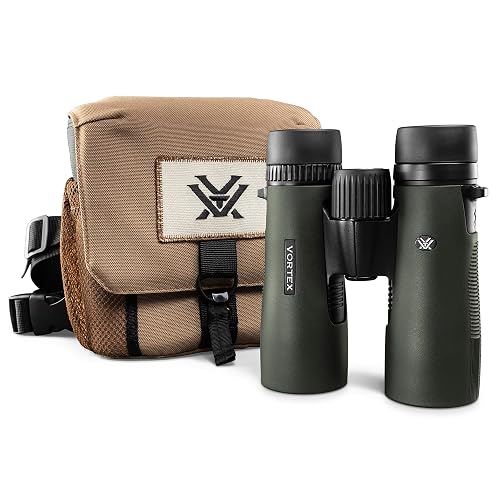
Vortex Diamondback HD 10×42 Binoculars
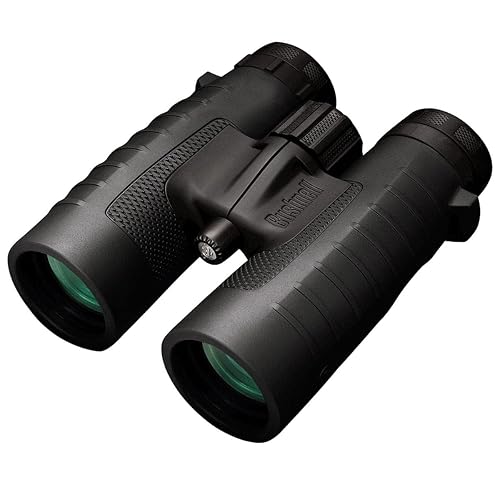
Bushnell Trophy XLT 10×42 Binoculars
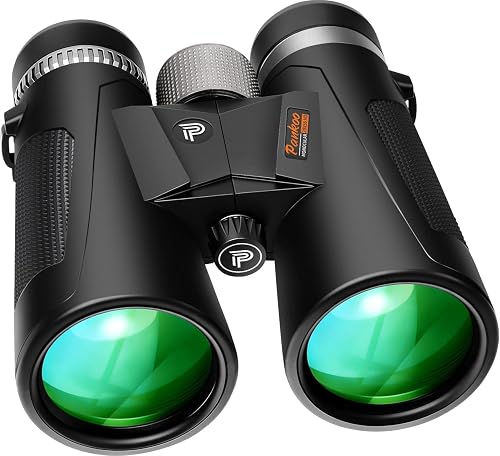
Pankoo 20×55 High Powered Waterproof Binoculars

Athlon Optics 8×42 Midas UHD Binoculars (Gray)
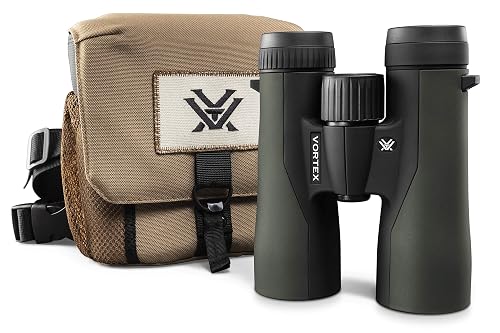
Vortex Crossfire HD 10×42 Binoculars
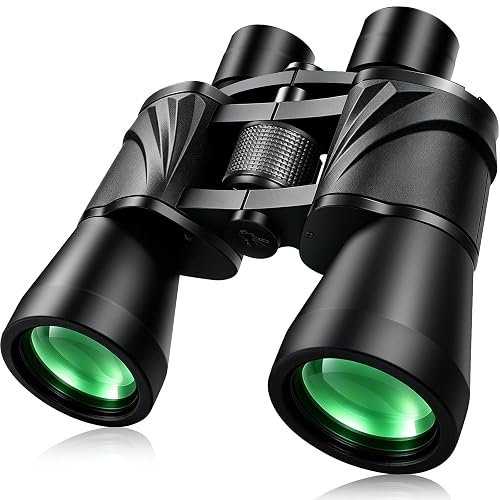
Pankoo 20×55 Binoculars with Phone Adapter
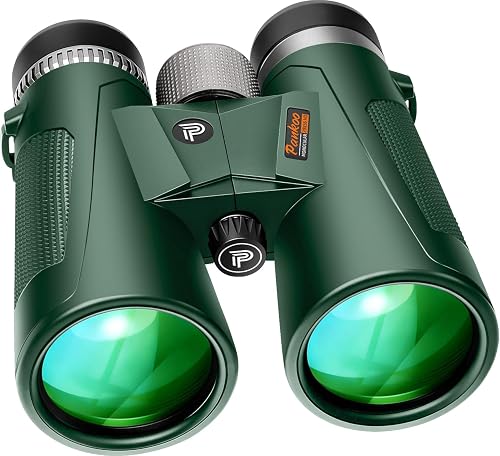
Pankoo 20×55 Waterproof High Powered Binoculars
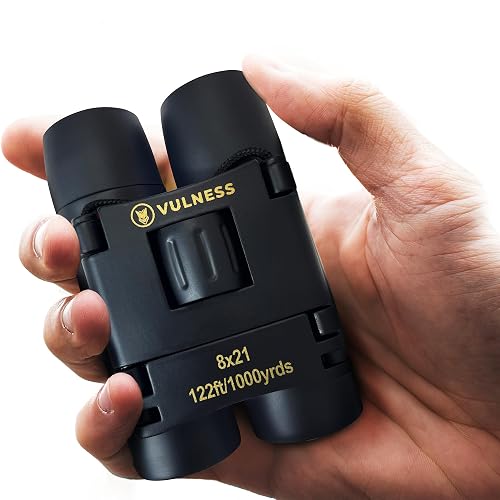
VULNESS 8×21 Mini Travel Binoculars (Black)
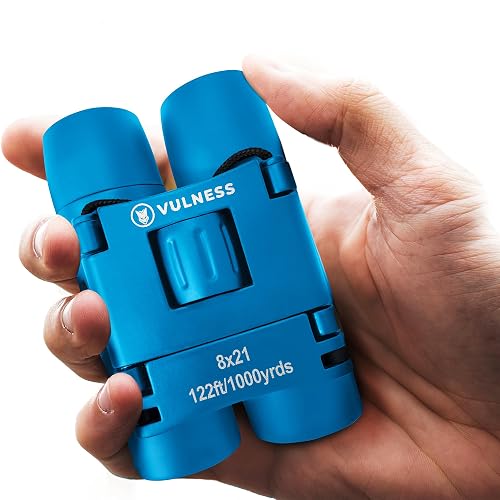
VULNESS 8×21 Mini Travel Binoculars (Blue)

VULNESS 8×21 Mini Travel Binoculars (Camo)
More On The Choices That Made The List
The Diamondback HD is the kind of binocular you reach for on the morning you plan a long ridge traverse. At 10×42, it pulls distant ridgelines close enough to read individual trees, while the 42mm objective lens (the front lens, where light enters) gathers enough light for shaded forest interiors and golden-hour scanning without forcing the eyes to strain.
Compared to the budget travel picks later in this list, the Diamondback HD is noticeably heavier in the hand and that weight translates to steadier views when you’re glassing across a canyon for a few minutes. For trail naturalists and weekend wildlife spotters, that trade is the right one.
Noteworthy Benefits
- Multi-coated optics cut glare in open alpine light, so midday ridge scans stay comfortable without washing out color
- HD glass elements reduce chromatic aberration (color fringing around high-contrast edges), which matters when picking apart a dark bird against bright sky
- Tripod-adaptable build lets you mount to a monopod on extended glassing stops
- 10x magnification is the sweet spot for trail use, pulling distant wildlife close without the handshake wobble of 12x or higher
Things To Consider
- Heavier than compact 8x options, so it pulls on the neck strap over a full day
- Eye relief is workable for most eyeglass wearers, though extended glassing may require folding the eyecups down
Who It Suits Best
Trail hikers and birdwatchers who want a single do-it-all binocular for long days on uneven terrain and varied light conditions.
Consider Something Else When
Backpackers counting every ounce should look at the lighter Vortex Crossfire HD 10×42 Binoculars, which trades some optical refinement for easier carry.
The Trophy XLT earns its place on a list of hiking binoculars by leaning into weatherproof construction rather than chasing the smallest possible form factor. A waterproof, fogged-resistant body holds up when morning mist rolls through coastal headlands or sudden rain hits an exposed ridge, and the rubber armor absorbs the small knocks that come with tossing the binos into a pack on the move.
For hikers who treat coastal trails, marine environments, and wet weather as the default rather than the exception, this Bushnell gives something the lighter options here do not. The 6.2-degree angle of view produces a wide enough field (the visible area you see through the lens at a given distance) to track shorebirds in flight without constant panning.
Points In Its Favor
- Fully waterproof and fog-proof sealed housing, ideal for marine cliffs and rainy ridgelines
- Generous 6.2-degree field of view tracks moving birds across the sky without losing them at the edges
- 10×42 configuration hits the trail-ready balance between magnification and light gathering
- Rubber-armored body holds up to repeated pack stows and trail knocks
Worth Noting
- Optics lean toward bright, vivid color rather than the most neutral rendering, which some birdwatchers prefer to tune down
- Heavier than the compact travel picks, so it earns its weight most on damp or rugged terrain where sealing matters most
Made For
Hikers who regularly tackle wet climates, coastal routes, or boat-access trails where waterproof construction is the deciding factor.
Not Your Match When
Day hikers watching pack weight on dry, easy trails should consider the lighter Athlon Optics 8×42 Midas UHD Binoculars instead, which share the 10×42-class field of view in a friendlier carry.
When the goal is pulling a far ridge or distant peak into usable detail, magnification does the heavy lifting. The Pankoo 20×55 pushes to a magnification level the 10x picks cannot reach, which makes it the right tool for the moment you spot a tiny shape on a far ridge and want to know whether it is a hiker, a bighorn, or a rock.
That kind of reach comes with trade-offs, though. Higher magnification amplifies the natural tremor in your hands, so the image needs a steady rest like a tripod, monopod, or a braced pack to look as crisp as the spec sheet suggests.
The Helpful Details
- 20x magnification reads far ridgelines, distant summits, and far-field wildlife at ranges that 10x cannot resolve
- 55mm objective lens gathers enough light to stay useful at dawn and dusk when activity peaks
- Sealed construction handles light rain on exposed overlooks
Trade Offs
- Hand shake becomes very obvious at 20x, so a braced rest or monopod is close to required for steady views
- Larger body does not slip into a jacket and lives best in a dedicated pack pocket or case
- Reduced depth of field at this power makes close-focus wildlife harder to track
Feature Snapshot
Right Fit For
Hikers who frequently glass distant terrain from established overlooks and carry a monopod or have a stable rest available.
A Better Fit Elsewhere
For moving observation where steady views matter more than reach, the Vortex Diamondback HD 10×42 Binoculars deliver more usable detail in active use.
Stepping back from magnification gives you steadier views and longer glassing sessions without fatigue. The Midas UHD sits at 8×42, the magnification bracket where hand shake stops being a problem and you can hold the binocular up for several minutes at a time without giving up.
ED glass (extra-low dispersion glass) keeps color fringing under control around high-contrast edges like a treeline against overcast sky. That matters more than spec sheets suggest, because fringing is the kind of thing your eye notices before your brain does.
The Good Stuff
- 8x magnification produces steady views without bracing, ideal for casual birding and wildlife scanning
- ED glass controls color fringing around high-contrast edges like dark branches against bright sky
- 17.2mm eye relief (the distance your eye sits from the lens while still seeing the full image) comfortably accommodates eyeglass wearers
- 2-meter close focus lets you study insects, flowers, and small details without swapping to another optic
Room For Improvement
- Lower magnification pulls in less distant detail than the 10x and 20x options in this list
- 25-ounce weight adds up over a full day compared to mini 8×21 travel picks
Best Suited To
Hikers and casual naturalists who wear glasses, hike with family members who want to take turns, and value steady views over maximum reach.
Look Elsewhere When
For ultralight backpackers counting ounces, the VULNESS 8×21 Mini Travel Binoculars (Black) weigh noticeably less and fold flat to fit a hip belt pocket.
The Crossfire HD sits in the same general class as the Diamondback HD earlier in this list, but the design priorities shift toward everyday convenience over the most refined image. The included GlassPak harness is a real perk for hikers who want the binocular out of the way on the climb and ready to lift in a single motion when something appears across the canyon.
For a first pair of full-size hiking binoculars, the Crossfire HD delivers much of the optical character of higher-tier Vortex models in a more approachable package. You give up some edge sharpness and a touch of low-light performance, but you gain a harness system that most other brands charge extra for.
Where It Excels
- Included GlassPak harness keeps the binocular accessible and protected on the move
- 10×42 configuration covers the trail-ready balance between reach and stability
- HD optical system reduces chromatic aberration for cleaner edges around contrast
- Rubber-armored body shrugs off typical trail impacts
Points To Keep In Mind
- Low-light performance falls short of the Diamondback HD, so dawn and dusk use is workable but not exceptional
- Eye relief is moderate, so extended glassing with glasses on may be less comfortable than the Midas UHD
Who Will Love This
First-time binocular shoppers who want a complete package, including a harness, without buying accessories separately.
Swap It Out When
For sharper low-light performance on long alpine days, stepping up to the Vortex Diamondback HD 10×42 Binoculars is the natural move.
The same 20×55 optical platform as the third pick on this list, with a smartphone adapter that turns the binocular into a long-reach digiscoping setup. If you keep a trip journal, post trail photography, or want to share a far raptor with friends later, this version solves a problem the optics alone cannot.
Pairing a phone to a binocular still takes patience, alignment, and a steady rest, but the included adapter handles the mechanical side of that. The trade-off is added weight, added bulk, and a slight increase in the setup time before you can actually see through the lens.
The Practical Payoff
- Included phone adapter enables long-reach photography through the binocular, useful for trail documentation
- 20x magnification captures distant subjects a phone lens alone cannot resolve
- BAK4 prism glass (a high-grade optical glass used in quality prisms) keeps the image sharp and bright through the adapter chain
- Wide field of view for the magnification class, useful for finding and framing subjects
Honest Caveats
- Adapter adds bulk and weight, so this is not the carry choice for fast-and-light day hikes
- 20x magnification amplifies hand shake, so image quality through the phone depends heavily on a stable rest
Quick Facts
Perfect Match For
Hikers who keep a visual trail log or share far-field sightings on social media and want to capture what they see without carrying a separate telephoto lens.
Skip It When
For pure observation without photography, the plain Pankoo 20×55 High Powered Waterproof Binoculars save weight and pocket space.
The newest Pankoo 20×55 entry in this list leans further into outdoor-ready construction than the earlier 20×55 models. Fully multi-coated lenses (multiple anti-reflective coatings on every glass surface) push light transmission high, so the image stays bright and true-to-color during the long glassing sessions this magnification encourages.
For hikers tackling unpredictable weather who still want reach, this model slots between the simpler Pankoo 20×55 and the phone-adapter-equipped version. The body is sealed, the coatings are upgraded, and the price stays in the approachable tier that has defined this model line.
Strengths Worth Knowing
- Fully multi-coated lenses produce a bright, vivid image in the low-light windows around dawn and dusk
- Waterproof construction handles wet trails and surprise showers on exposed terrain
- 20x magnification reaches subjects the 10x options cannot resolve at distance
- BAK4 roof prisms keep the optical path compact for a 20x binocular at this size
Where It May Fall Short
- Heavier body and larger size means it lives in a pack pocket rather than a jacket pocket
- Steady resting on a pack or monopod is the practical reality at 20x for any meaningful glassing session
At A Glance
Who Should Grab It
Long-distance hikers who glass across wide valleys or up at distant peaks and want a sealed body they can trust in changing weather.
Reach For A Different Pick When
Day hikers who value steady views over reach should consider the Athlon Optics 8×42 Midas UHD Binoculars, which are easier to hold steady for the same viewing session.
Not every hike needs a full-size binocular. The VULNESS 8×21 folds down small enough to live in a jacket pocket or hip belt pouch, which means it actually gets used on the days you would otherwise leave a heavier pair at home because the trail did not justify the weight.
The 21mm objective lens limits low-light performance compared to the 42mm picks earlier in this list, so this is a daytime, casual-observation tool rather than a dawn-and-dusk glassing setup. For trail scoping, casual bird ID, and quick checks across a clearing, that trade is the right one.
What Earns Its Place
- Folding pocketable design slips into a jacket pocket or hip belt pouch without bulk
- 8x magnification is the easiest magnification to hold steady without a rest
- Center-focus knob and diopter adjustment (the right-eyepiece focus tuning that matches your eyes) let you dial the focus to your eyes in seconds
- Lightweight carry means you actually bring it on short hikes where a heavier pair would stay home
Some Limits To Know
- Small 21mm objective limits dawn and dusk performance compared to the 42mm picks on this list
- Plastic housing feels lighter in the hand than the rubber-armored full-size options, and owners commonly note it does not absorb hard impacts as gracefully
Built With In Mind
Casual hikers and travelers who want a binocular that lives in a pocket and comes out for quick checks rather than extended glassing sessions.
Where A Sibling Pick Shines
For travelers wanting the same pocket form factor in a different finish, the VULNESS 8×21 Mini Travel Binoculars (Blue) offer the same optical platform in a brighter color.
The blue finish on the VULNESS 8×21 is a small touch that changes how the binocular fits into a travel kit. The optical platform is identical to the black version, so the real choice here is about visibility and style rather than performance.
For travelers packing a day bag for a city trip with side hikes, the blue finish stands out enough that you are not digging through a black camera bag to find it. Hikers, more than they admit, lose small black optics to dark pack interiors on a regular basis.
The Upside
- Bright blue finish is easier to spot in a packed day bag than darker finishes
- Folding pocketable design lives in a jacket pocket or purse
- Center-focus knob delivers quick, intuitive focusing for casual use
- Lightweight enough to leave attached to a pack without thinking about it
A Few Limitations
- Same optical limits as the black version, with reduced dawn and dusk performance
- Lightweight plastic housing trades impact resistance for carry weight
The Right Fit
Travelers and sightseers who pack light and need a binocular they can spot quickly among other gear.
Another Choice May Suit
For hikers wanting the same pocket format in a more trail-appropriate look, the VULNESS 8×21 Mini Travel Binoculars (Camo) blends into a forest setting better than bright finishes.
The camo VULNESS rounds out the mini binocular trio on this list with a finish that suits birdwatchers and wildlife watchers who want their gear to blend into the natural setting. The 8×21 platform is the same as the other two VULNESS picks, so the choice is again about look and intended context.
Camo is not purely cosmetic in the field. A patterned finish keeps the binocular low-key in a setting where a bright color might catch an animal’s eye at the wrong moment. For serious birders sitting in a hide or quietly approaching a wetland, that is not nothing.
Bright Spots
- Camo finish keeps the binocular unobtrusive in natural settings
- Pocket-friendly form factor survives casual daypack carry
- 8x magnification produces the most stable handheld views in the mini category
- Diopter adjustment lets you tune the focus to match your specific eyesight
Practical Considerations
- Mini 21mm objective lens limits low-light use compared to full-size picks in this list
- Plastic housing is fine for casual use but does not absorb heavy impacts the way rubber-armored models do
Whose Shelf It Belongs On
Casual birders and wildlife watchers who want a small, low-key binocular that fits in a coat pocket and disappears into a hide or blind.
Consider Something Else When
For full-day trail wildlife observation where optical quality matters more than pack size, the Vortex Diamondback HD 10×42 Binoculars earn the extra weight.
What To Weigh Before Choosing Your Hiking Binoculars
Magnification Versus Stability
Magnification matters less than most spec tables suggest. An 8x binocular held for ten minutes produces more usable observation than a 20x binocular that requires a braced rest every time you lift it. For most hikers, 8x or 10x is the right bracket, and 20x earns its place only when you have a stable rest or specifically need far-field reach.
Objective Lens Size And Low-Light Use
The objective lens, the front lens where light enters, determines how much light reaches your eye. Larger objectives like 42mm and 55mm keep the image bright at dawn and dusk, which is when most wildlife is active. Smaller 21mm objectives are fine for daytime use but fall off fast as the light fades.
Weight, Pack Size, And Carry Habit
The best binocular is the one you actually carry. A full-size 10×42 produces sharper images, but only if it makes it out of the closet and onto the trail. Ultralight backpackers, fast hikers, and casual sightseers often get more use from a pocketable 8×21 than a heavier optic that lives at home.
Weatherproofing And Trail Reality
Trail weather changes fast. Sealed, waterproof, and fog-proof construction matters more on coastal routes, marine overlooks, and rainy ridgelines than on dry desert trails. Match the sealing to your usual terrain rather than buying for a worst-case scenario you rarely face.
Field Notes For Choosing Well
Where Shoppers Go Wrong
The most common mistake is chasing magnification. Higher numbers look impressive on a spec sheet, but a 20x binocular that cannot be held steady produces a blur, not a closer view. Pick the lowest magnification that meets your actual use case, then spend your attention on objective lens size, optical coatings, and weather sealing.
Another trap is skipping the harness. A binocular swinging from a neck strap for ten miles is annoying enough that you stop bringing it. A binocular harness or chest rig keeps it accessible and out of the way, which means you actually use it.
What Separates Premium From Basic
The gap between budget and premium binoculars shows up in three places: optical coatings, glass quality, and mechanical refinement. Fully multi-coated lenses with quality BAK4 or ED glass produce noticeably brighter, sharper images than entry-level alternatives, especially in low light. Mechanical precision, smooth focus wheels, and reliable weather sealing show up the longer you own the binocular.
For casual daytime trail use, a budget pick handles the job well. For long days, varied light, and frequent use, the upgrade to HD or ED glass is worth the difference for anyone who actually notices what they are looking at.
Frequently Asked Questions
What Magnification Is Best For Hiking Binoculars?
For most hiking use, 8x or 10x is the practical sweet spot. 8x produces the steadiest handheld views and works well for casual wildlife observation. 10x pulls distant ridgelines and small birds closer while staying manageable without a rest. 20x and higher reach further but require a stable rest to deliver usable images.
Are Waterproof Hiking Binoculars Worth It?
Sealed construction matters more than spec tables suggest for trail use. Rain rolls in fast on exposed ridges, and a single water intrusion can ruin internal coatings. For hikers in wet climates, coastal areas, or any region with unpredictable weather, waterproof construction is worth the small added cost.
How Much Should I Spend On A Decent Pair?
For casual daytime trail use, budget and mid-tier models handle the job well. For long days, varied light, frequent use, or eyeglass wearers needing extra eye relief, the jump to HD or ED glass models delivers noticeable improvement. Match the budget to how often you actually hike with the binocular, not to the spec sheet.
Can Compact Binoculars Work For Hiking?
Pocketable 8×21 binoculars are a solid option for hikers who count ounces and want something that lives in a jacket pocket. They handle daytime use well but fall short of full-size 42mm picks in low light and long glassing sessions. For most casual hikers, a compact pair works fine as long as you accept the optical trade-offs.
What Does ED Glass Do In Hiking Binoculars?
ED glass, or extra-low dispersion glass, reduces color fringing around high-contrast edges like a dark branch against bright sky. For trail use, this means cleaner views of birds in tree canopies, sharper ridge details against overcast sky, and less visual fatigue during extended glassing sessions.
Closing Remarks
The right hiking binoculars match the trail you actually hike, the way you already carry gear, and the wildlife you actually see. A full-size 10×42 earns its weight on long days with varied terrain, a 20×55 earns its place when glassing distant summits is the goal, and a pocketable 8×21 earns its keep when pack weight is the deciding factor. Pick the pair that fits the way you hike, and you’ll use it more than the one with the most impressive spec sheet.