
A good hike starts long before the trailhead. Your feet carry every pound of pack weight across uneven terrain, and the factory sock liner inside most hiking boots exists mainly as a placeholder. Swap it for a purpose-built hiking boot insert and the difference shows up in your ankles, knees, and lower back by mile three.
The challenge is that inserts look interchangeable from a quick scroll. They aren’t. Some lean orthopedic and rigid, others go soft and cushioned, and a few quietly disappear under the heel during steep descents. The ten picks below cover the spread, from serious arch support to breathable trail-ready foam, so you spend less time second-guessing and more time planning routes.
The Leading Options At A Glance

Aetrex L400 Women’s Pro-Shox Orthotics Arch Support Inserts
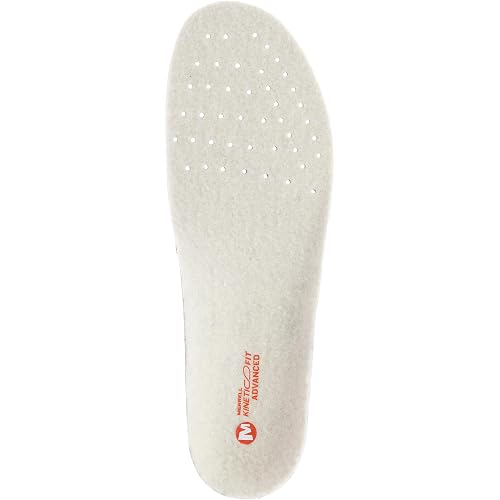
Merrell Women’s Merino Wool Advanced Insole
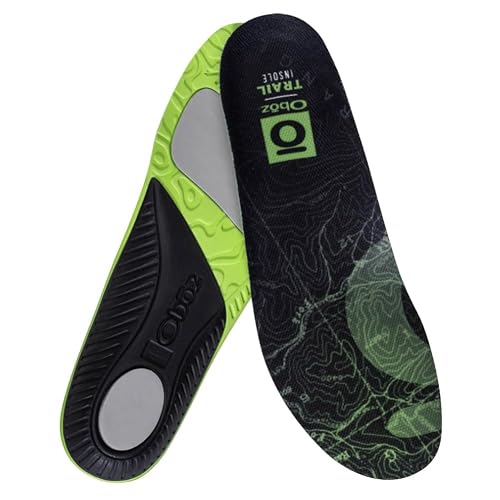
Oboz Unisex Trail Insole (Green, XXL)
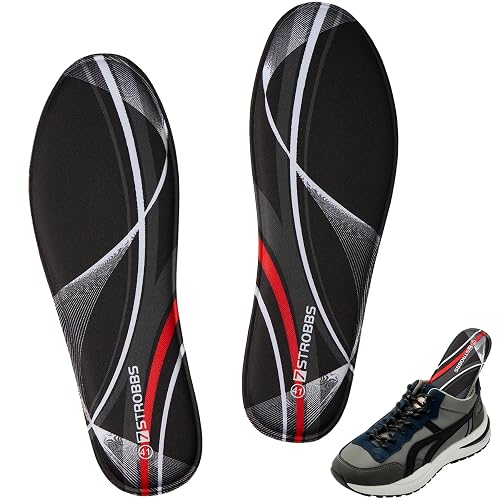
7STROBBS Comfort Memory Foam Insoles for Men & Women
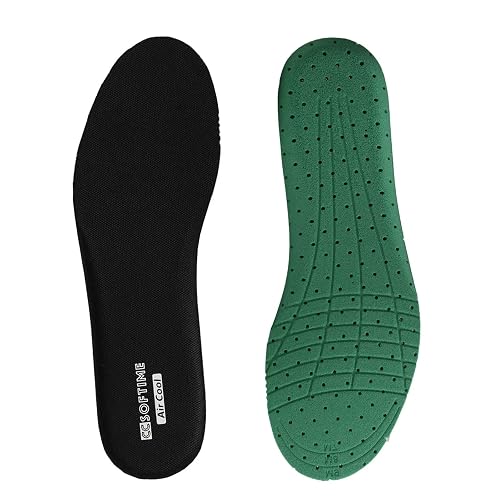
CCSOFTIME Breathable Insoles (Black, W12-15/M10-13)

CCSOFTIME Breathable Insoles (Gray, W12-15/M10-13)
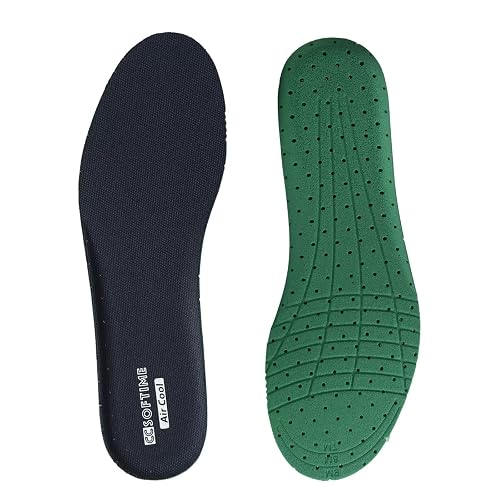
CCSOFTIME Breathable Insoles (Navy, W12-15/M10-13)

CCSOFTIME 2-Pair Insoles (Black, W12-15/M10-13)
CCSOFTIME Breathable Insoles (Navy, W8-11/M6-9)
CCSOFTIME 2-Pair Insoles (Black, W8-11/M6-9)
Inside Each Recommended Option
The Aetrex L400 sits at the more serious end of the insert category, and that’s exactly why it earns the top slot here. Its tri-density construction, meaning three different foam densities layered through the insole, gives the foot a structured platform instead of a flat piece of foam. Walkers who log ten-plus miles a day on rolling terrain tend to notice that structured feel in the arches within the first hour.
For hikers nursing tired knees or sensitive plantar fascia, that arch cradle and the Pro-Shox polyurethane cushion work together to soften each footfall. The trade-off is real though: the rigid heel cup leaves no wiggle room, so a sloppy trim job means a sore arch rather than a sore toe. Unlike the Merrell wool option that follows, this one is built for support first and warmth second.
Notable Upsides
- Tri-density foam layers create structured arch support that holds shape across long miles.
- Pro-Shox polyurethane absorbs impact before it reaches the knees and lower back.
- Stabilizes foot alignment, which can ease strain on ankles during uneven descents.
- Built to redistribute pressure across the whole sole for people standing long hours.
Things To Consider
- The firmer feel can feel aggressive for hikers used to soft, plush liners.
- Less warmth than wool options, so cold-weather hikers should layer merino underneath.
- Owners commonly report the trim lines run slightly generous, so cut conservatively the first pass.
Who It Suits Best
Hikers with persistent arch fatigue, heavier pack loads, or daily mileage over rough terrain.
Where Another Pick Suits Better
Reach for the Merrell Women’s Merino Wool Advanced Insole when a soft, warm ride matters more than orthopedic rigidity.
Merrell built the Women’s Merino Wool Advanced Insole around natural wool fibers, which behave differently from the foams dominating this list. Wool manages moisture against the foot, keeps warmth when wet, and softens with body heat instead of packing flat. Cold-weather hikers chasing a cozy boot interior tend to gravitate toward it for that reason alone.
The trade-off shows up underfoot: this isn’t the structured, arch-cradling platform the Aetrex L400 delivers. It’s a comfort liner with light cushioning, best layered under a thick hiking sock rather than relied on as the main shock absorber. For shoulder-season hikes and crisp dawn starts at elevation, the warmth trade is usually worth it.
Everyday Advantages
- Merino wool top regulates temperature across cold mornings and warm afternoons alike.
- Natural moisture-wicking keeps the boot interior drier on long uphill sections.
- Soft hand-feel that breaks in fast, no break-in mileage needed.
- Lightweight construction adds minimal bulk inside snug-fitting boots.
Worth Noting
- Light arch support means hikers with high arches may want the Aetrex instead.
- Wool insulation feels excessive on hot summer trails below 70°F.
- Surface debris can cling to the wool fibers; owners commonly shake out the boot after rocky sections.
Feature Snapshot
Made For
Shoulder-season hikers and cool-morning trekkers who want warmth without piling on sock layers.
Consider Something Else When
Swap in the Oboz Unisex Trail Insole if your priority is firmer arch support on multi-day backpacking trips.
Oboz built its reputation on trail footwear, so it makes sense the brand brings a serious trail insole to the table. The Oboz Unisex Trail Insole layers two distinct foams: ACT PU in the heel and forefoot for impact protection, plus an open-cell PU core for cushioned rebound. That dual-foam arrangement is the kind of detail you usually find in higher-priced aftermarket insoles.
The arch profile here sits on the medium-to-high side, which matters if you pronate, meaning your foot rolls inward as you walk, during long downhill miles. Where the wool Merrell above focuses on warmth, this one focuses on controlled motion across uneven ground. It feels a touch bulky in casual sneakers, so plan on keeping it inside your hiking boots.
Standout Benefits
- ACT PU foam in high-wear zones shields the heel and forefoot on rocky descents.
- Open-cell PU core recovers quickly between steps instead of flattening out.
- Medium-to-high arch profile supports hikers with neutral to moderate pronation.
- Brand-specific fit pairs naturally with Oboz boots but works in other trail footwear too.
Room For Improvement
- XXL sizing means hikers with smaller feet will trim aggressively, and mis-cuts can compromise support.
- Heel thickness may crowd the toe box in low-volume boots.
- Less insulating than wool liners for winter camping.
Feature Rundown
Right Fit For
Multi-day backpackers carrying heavier loads over rough, technical terrain who want controlled foot motion.
Skip It When
Pick the Merrell Women’s Merino Wool Advanced Insole for cold-weather day hikes where warmth outranks impact protection.
The 7STROBBS Comfort Memory Foam Insoles take a different route than the structured Aetrex and Oboz options above. Three stacked layers, a wear-resistant cover, medium-density memory foam, and a firm base, work together to absorb shock while keeping the insole from collapsing. That layering is the real story here, because cheaper single-foam inserts tend to go flat within a season.
These trim to fit, which makes them genuinely versatile: one insole covers running shoes, work boots, sneakers, and hiking boots. That flexibility is the headline feature for households trying to standardize on a single insert. The trade-off is a softer ride, so heavy-pack hikers may still want the Aetrex for arch control.
Real Benefits
- Three-layer construction resists deformation longer than single-foam competitors.
- Medium-density memory foam conforms to the foot’s shape during the first few miles.
- Trim-to-fit sizing covers a wide range of shoe types in one package.
- Reasonable price point lets you refresh inserts across several pairs of footwear.
Trade-Offs
- Soft cushioning lacks the structured cradle needed for serious pronation issues.
- Memory foam can feel warm in hot, dry climates without ventilation channels.
- Trim lines on multi-size products can confuse first-time installers; cut small, then test.
Feature Snapshot
Best Suited To
Casual hikers and commuters who want one insert that moves between several pairs of shoes rather than a dedicated trail setup.
Reach For A Different Pick When
Choose the Oboz Unisex Trail Insole when the trail demands structured arch support across long mileage.
The CCSOFTIME Breathable Insoles flip the script on warm-weather hiking: rather than trapping it, the mesh upper and ventilated bottom holes move moisture away from the foot. For hikers who hit the trail in July humidity, that airflow often matters more than the deepest cushion. The lighter-density foam is comfortable enough for moderate mileage without trying to be an orthopedic device.
Where the Aetrex above earns its keep through arch structure, this insole earns its keep by staying cool and dry. Trim-to-fit sizing covers a broad range, which makes them forgiving for households sharing boots. The trade-off is real: these don’t deliver the structural support of higher-tier options.
Where It Excels
- Mesh top fabric moves sweat away from the foot on hot climbs.
- Ventilated bottom holes add airflow under the footbed.
- Flexible foam handles hiking boots, running shoes, and casual sneakers.
- Trim-to-fit sizing adapts to most adult foot shapes without specialty tools.
Points To Keep In Mind
- Lacks the arch support needed for hikers with high arches or pronation issues.
- Lightweight foam compresses faster than denser options under heavy loads.
- Black color shows dust and trail grit, so plan on wiping them down after muddy routes.
Whose Shelf It Belongs On
Warm-weather hikers and casual trail walkers prioritizing breathability over heavy orthopedic features.
Not Your Match When
The Aetrex L400 Women’s Pro-Shox Orthotics Arch Support Inserts are a better match for hikers who need structured arch support on long, technical trails.
The gray CCSOFTIME Breathable Insoles share the same mesh-top, ventilated-bottom construction as the black version above. The difference is purely cosmetic, and gray hides trail dust better than black across muddy sections. That small detail matters more than it sounds: visible grime on a black insole can make a clean boot look worn out.
Functionally, you get the same flexible, breathable foam that handles a wide range of footwear. The trim-to-fit approach still applies, and the broader size band makes it forgiving across a family. If aesthetics matter in your rotation, gray is the more forgiving option.
Key Advantages
- Neutral gray top hides dust between cleanings better than darker colors.
- Same breathable mesh design as the black sibling in this list.
- Trim-to-fit design accepts most adult foot sizes with basic scissors.
- Lightweight construction adds minimal bulk to snug-fitting boots.
Some Limits To Know
- Foam density is moderate, so heavy backpackers may notice compression after a season.
- Limited arch support compared to specialized options.
- Gray fabric can pick up visible stains from damp trail debris.
Perfect Match For
Hikers who want breathable comfort in a colorway that hides everyday wear across the boot rotation.
A Better Fit Elsewhere
The Merrell Women’s Merino Wool Advanced Insole suits hikers who run cold or hike shoulder seasons better than any breathable summer option.
The navy CCSOFTIME Breathable Insoles match the breathable build of the gray and black siblings, with a deeper color that hides both mud splatter and sweat staining. For hikers who treat boots roughly, that color choice translates to looking presentable at the trailhead without constant cleaning.
Like the other CCSOFTIME entries, the focus stays on airflow rather than orthopedic correction. Ventilated bottom holes and the mesh top keep the foot drier on humid climbs, which is the real reason these earn a place in a hiking rotation. Just don’t expect the rigid arch cradle of higher-tier picks.
What Stands Out
- Navy colorway hides trail grime across long hiking seasons.
- Ventilation channels handle moisture on humid, low-elevation routes.
- Trim-to-fit design fits most adult boots with simple scissors.
- Flexible foam works across running shoes and casual hiking footwear alike.
Honest Caveats
- Not enough arch lift for hikers with high arches.
- Foam flattens faster under heavy pack weights than denser options.
- Color can fade slightly after repeated sun exposure over many seasons.
Who Will Love This
Outdoor regulars who prioritize breathability and a forgiving colorway over heavy orthopedic features.
Another Choice May Suit
The 7STROBBS Comfort Memory Foam Insoles for Men & Women offer more layered cushioning for hikers wanting a softer ride than the breathable foam here.
The CCSOFTIME 2-Pair Insoles take the breathable build from the single-pair options and bundle two pairs into one package. That changes the calculus for households rotating between boots, sneakers, and work shoes. One purchase covers multiple footwear setups without revisiting the listing.
The breathable mesh top and ventilated bottom holes work the same way as the singles, so the real value here is convenience rather than a new feature. The two-pack makes sense for anyone tired of swapping inserts between boots every morning. The foam density still sits at the lighter end, so heavy load carriers should look elsewhere.
Useful Strengths
- Two-pair bundle outfits multiple shoes in one purchase.
- Same breathable mesh and ventilation design as the singles.
- Trim-to-fit approach handles most adult foot sizes.
- Lightweight construction moves easily between casual and trail use.
Practical Considerations
- Two-pair pricing only makes sense if you actually rotate between shoes.
- Foam compresses faster than denser options under heavy pack loads.
- No structural arch support, so hikers with high arches should pair with supportive footwear.
Who Should Grab It
Hikers who rotate the same insert between hiking boots, work shoes, and casual sneakers on a regular basis.
Look Elsewhere When
The Oboz Unisex Trail Insole is the better match for serious backpackers who need arch structure over a single dedicated pair.
The navy CCSOFTIME in the W8-11/M6-9 size range targets a more specific foot profile than the larger sizes above. The breathable mesh top and ventilated bottom holes stay the same, so airflow and moisture management are unchanged. The narrower size band means less aggressive trimming for mid-range feet.
For hikers who constantly fight their inserts bunching up because the insole is too wide, a closer size match solves the problem before it starts. The trade-off is the same as the other CCSOFTIME picks: light arch support and a foam that compresses under heavy loads. For day hikes and casual trail use, that’s plenty.
Noteworthy Benefits
- W8-11/M6-9 size band suits mid-range adult feet with less aggressive cutting.
- Breathable mesh top keeps feet cooler on warm-weather trails.
- Ventilated bottom adds airflow under the footbed.
- Lightweight construction handles hiking boots and casual sneakers alike.
Things To Weigh
- Lacks the arch support needed for high-arch hikers.
- Foam density is on the lighter side for backpacking.
- Limited size range means this isn’t a one-size-fits-most option.
Built With In Mind
Mid-range-foot hikers and travelers looking for breathable comfort without over-trimming.
Swap It Out When
The Aetrex L400 Women’s Pro-Shox Orthotics Arch Support Inserts are a better pick for hikers who need orthopedic structure over a casual breathable ride.
The CCSOFTIME 2-Pair Insoles in the W8-11/M6-9 size combine the mid-range sizing of the previous navy option with the two-pair value bundle. For hikers who wear a women’s 8-11 or men’s 6-9, this means a closer fit out of the box plus enough insoles to outfit two pairs of footwear at once.
The breathable mesh and ventilated bottom holes keep the foot cooler than closed-cell foam options. The trade-off is the same as the rest of the CCSOFTIME line: light foam, light arch support, and a faster compression rate under heavy pack loads. For first-time insert shoppers, it’s a low-risk way to test whether the category fits your routine.
Benefits That Matter
- Two-pair bundle outfits two pairs of shoes at once.
- W8-11/M6-9 sizing covers common adult foot profiles with minimal trimming.
- Breathable mesh top handles warm-weather trail use.
- Trim-to-fit design forgives minor sizing errors.
Possible Compromises
- Light foam compresses faster than premium alternatives.
- Limited arch lift for hikers needing orthopedic correction.
- Two-pair pricing only pays off if you actually rotate footwear.
The Right Fit
First-time insert shoppers with two pairs of boots or shoes to upgrade at the same time.
Where A Sibling Pick Shines
The Oboz Unisex Trail Insole handles multi-day backpacking better for hikers ready to invest in arch structure.
What Matters Most Before Choosing Hiking Boot Inserts
The first decision is arch profile. Most hikers land in the medium arch camp, and a trim-to-fit insole covers that middle ground. Heavier pack carriers and anyone with knee sensitivity should look for structured arch support, the kind the Aetrex L400 layers in, rather than a flat foam pad. Wool insoles like the Merrell option earn their place in cool weather, where thermal regulation matters more than structural rigidity.
Foam density is the second call. Lightweight breathable foam feels great on day hikes but compresses under heavier loads, while tri-density foam keeps its shape across multi-day trips. If you rotate inserts across running shoes, work boots, and hiking footwear, a multi-pack trims the per-pair cost without sacrificing comfort. Ventilation, meaning the mesh top and bottom holes in the CCSOFTIME line, makes the biggest difference on humid summer climbs.
Sizing comes third. Trim-to-fit insoles cover most adult feet, but the starting size band matters; a women’s 8 won’t trim cleanly into a men’s 13. Always match the size range to your actual foot before cutting, and trim conservatively on the first cut since over-trimmed insoles can’t be undone.
Picking The Right Insole For Your Trail Style
Common Shopping Slip Ups
The most common mistake is buying on cushion alone. Soft foam feels great in the store but flattens under a 30-pound pack, so always look at how the insole distributes pressure across the foot, not just how plush the surface feels.
Where The Extra Money Goes
Premium picks spend the budget on layered foam densities, structured arch cradles, and brand-specific fit logic that pairs with certain boots. The upgrade pays off for backpackers and anyone logging serious weekly mileage, where the structured foam holds its shape across seasons.
Frequently Asked Questions
How often should hiking boot inserts be replaced?
Plan on swapping inserts every 6 to 12 months for regular hikers. Foam compresses over time, and a flat insert is functionally the same as no insert at all, since the cushioning and support both collapse.
Can trim-to-fit insoles fit both men’s and women’s boots?
Most trim-to-fit insoles work across men’s and women’s footwear because the underlying foot shape is similar. The size band tells you the starting fit, and trimming refines it from there.
Do hiking boot inserts help with plantar fasciitis?
Structured arch support can reduce strain on the plantar fascia during long hikes. Anyone with active foot pain should consult a clinician, since inserts are a comfort layer rather than a treatment.
Are wool insoles worth it for summer hiking?
Wool insoles manage moisture and resist odor better than foam, but they trap heat in summer. They shine in shoulder seasons and winter hikes, while breathable foam handles hot-weather climbs better.
Will inserts change how my hiking boots fit?
Yes, and that’s the point. A thicker insert can make a snug boot feel tight, while a thinner insert may not add enough support. Always test new inserts on a short walk before committing to a long hike.
The Takeaway
The right hiking boot inserts come down to matching the insole to your trail, your pack weight, and your climate. Structured foam earns its place on long technical days, breathable mesh wins in summer humidity, and wool handles cold-weather comfort. Start with the use case, not the price tag, and your feet will thank you somewhere around mile eight.