
The right hiking walking sticks change how every mile feels, whether you are grinding up a forest incline, recovering from an injury, or simply wanting steadier footing on icy sidewalks. Stability matters more than brand hype, and the wrong pole can leave your wrists sore after a short loop. The list below breaks down seven solid options, each tuned to a different kind of trekker, so you can match the tool to your terrain.
The Main Contenders
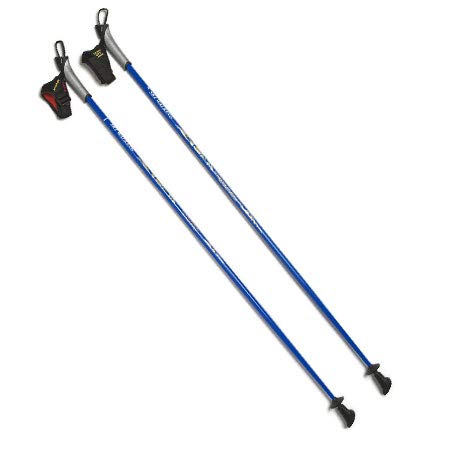
Nordic Walking Poles Custom Fit to Your Height

Mountain Man Walking Stick, Dark Wood
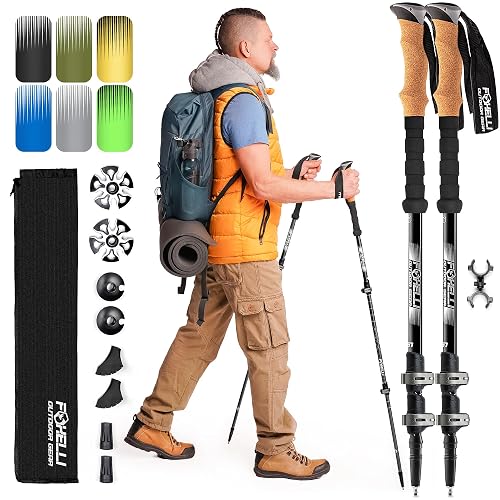
Foxelli Trekking Poles Collapsible Aluminum

100% Carbon Fiber Trekking Poles Cork & EVA Foam
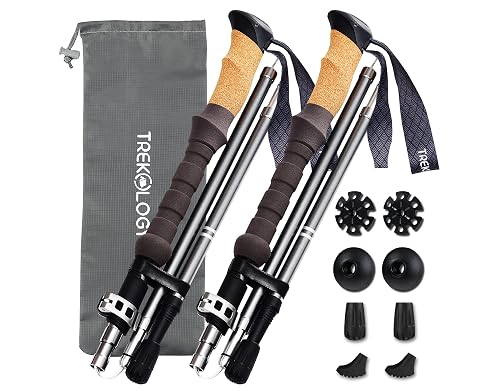
Trekology Trek-Z Cork Grip Trekking Poles

LEKI Ultratrail FX.One Trekking Poles
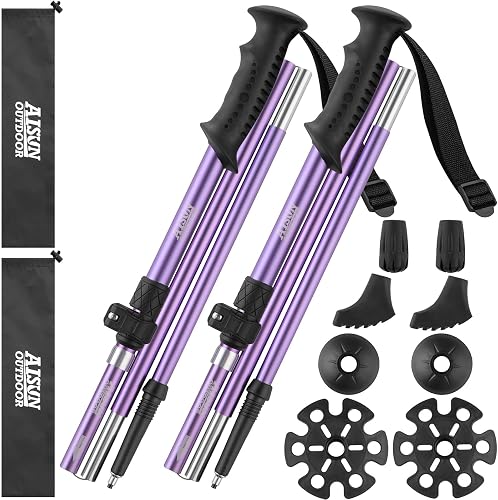
AISUNOUTDOOR Lightweight Adjustable Trekking Poles
More Details On Our Top Picks
These poles come straight from SWIX and EXEL ski factories, finished in the USA, which puts them in a different league than the twist-lock collapsible poles flooding the category. The standout detail is the custom-fit sizing across 32 lengths: you type your barefoot height at ordering and the poles arrive cut for your body, which matters enormously for joint comfort on long walks.
Unlike the aluminum collapsible options elsewhere in this roundup, the one-piece shaft has no locking joints to slip, rattle, or wear out. Owners tend to favor this design for pavement, indoor tracks, and physical therapy routines where reliability matters more than pack-down size.
A Favorable Mix
- Custom-cut length matches your exact height, reducing wrist and shoulder strain
- SWIX and EXEL factory origins deliver ski-grade rigidity you can feel under load
- Interchangeable rubber tips and carbide metal tips handle pavement, sand, snow, and trail in one set
- Real Nordic straps (the fabric loops that go around your wrist for power transfer) replace cheap slings
Things To Consider
- Non-collapsible design makes them awkward on public transit and air travel
- Ordering requires entering your barefoot height before checkout, which adds a step
Feature Snapshot
Who Will Love This
Fitness walkers, hikers, and anyone in physical therapy who wants a custom-fit pair sized exactly to their body.
Look Elsewhere When
Fly-in backpackers should reach for the Trekology Trek-Z Cork Grip Trekking Poles instead, since the fold-down design stows inside a suitcase.
Where the Nordic poles above deliver clinical precision, the Mountain Man Walking Stick leans into craft. Each piece is hand-carved from quality wood by artisans in the USA, then polished to a smooth finish that looks more like a hiking accessory than a piece of gear. At 60 inches tall, it suits taller walkers who want a single solid companion.
The build swaps high-tech materials for honest character: a leather wrist strap and a rubber foot round out the package. This is the pick for someone who wants their walking stick to feel like a walking stick, not a piece of athletic hardware.
Real Benefits
- Handcrafted wood construction gives every stick its own grain and feel
- Leather safety strap provides a confident grip without digging into the wrist
- Rubber foot grips across pavement, indoor floors, and packed dirt
- USA artisan build appeals to shoppers who value craft over carbon fiber
Worth Noting
- Single solid length at 60 inches will feel tall for shorter walkers
- Wood requires occasional oiling to prevent drying or cracking over years of outdoor use
- Heavier than aluminum or carbon poles, which shows up on long uphill miles
Made For
Casual walkers, collectors, and anyone who wants a wooden hiking companion with character for short outdoor strolls.
Swap It Out When
Long-distance hikers chasing lightweight gear will find the Foxelli Trekking Poles Collapsible Aluminum more comfortable on all-day miles.
Foxelli builds these poles from aircraft-grade aluminum (an aluminum alloy originally formulated for airframes that resists bending and denting), collapses them down to a stowable length, and ships them with cork grips for a comfortable hold. The flip-lock adjustment system extends the poles across a wide height range, which lets one pair fit multiple family members.
Compared to the heavier Mountain Man stick earlier in this list, the Foxelli pair trades handcrafted wood for collapsible practicality. You get cork handles, all-terrain accessories, and a pack-friendly size without the cost of carbon fiber builds.
What Works In Its Favor
- Cork grips absorb sweat and mold to your hand shape over repeated use
- Flip locks adjust quickly without the small parts of twist-lock systems
- Aircraft-grade aluminum keeps weight low while resisting bending on rough terrain
- Collapsible design fits inside a daypack when you don’t need the poles
Trade Offs
- Aluminum transmits more vibration to your wrists than carbon fiber alternatives
- Flip-lock mechanisms may loosen over time and benefit from occasional re-tightening
Feature Snapshot
Best Suited To
First-time trekking pole shoppers and weekend hikers who want a low-fuss aluminum pair at a friendly price.
Consider Something Else When
Long-distance backpackers chasing every ounce should consider the 100% Carbon Fiber Trekking Poles Cork & EVA Foam, which shed noticeable weight.
Hiker Hunger Outfitters builds these poles from 3K carbon fiber (a tightly woven carbon weave known for high strength at low weight) and keeps the per-pole weight down to a featherweight figure. The cork and EVA foam grip combo gives you moisture-wicking comfort on top with a softer foam section below for steep descents where you choke down on the pole.
Where the Foxelli aluminum pair earlier in this list saves cost, this carbon pair saves weight. You feel the difference on mile twenty of a multi-day trip, when every gram on your wrist compounds.
What It Does Well
- 3K carbon fiber construction keeps each pole light without sacrificing stiffness
- Cork grip wicks sweat and shapes itself to your hand for a custom feel
- EVA foam lower grip (a closed-cell foam that stays grippy when wet) handles steep downhill sections
- Flip-lock adjustments let you dial in length on changing grades
Points To Note
- Carbon fiber can crack under sharp side impacts that aluminum would dent instead
- Premium materials push the cost well above aluminum alternatives
Who It Suits Best
Long-distance backpackers and thru-hikers who measure pack weight by the ounce and want the lightest pole that still performs.
Reach For A Different Pick When
Budget-focused day hikers will find the Foxelli Trekking Poles Collapsible Aluminum deliver similar adjustability for less.
Trekology designed the Trek-Z for travelers and backpackers who refuse to leave their poles behind. The three-section Z-fold design collapses shorter than most collapsible poles, which makes the pair easy to clip onto a pack or stash in luggage. The 100% aero-grade aluminum shaft handles denting and bending on rough trails.
Compared to the longer one-piece Nordic Walking Poles earlier, this pair trades custom sizing for packability, which is the right call for anyone who flies to trailheads.
What Helps Most
- Three-section Z-fold collapses shorter than typical twist-lock poles for travel
- Aero-grade aluminum balances low weight with trail-ready rigidity
- Cork grip softens with use and absorbs hand sweat on warm days
- Simple flip locks require no tools to adjust on the trail
Honest Caveats
- Z-fold design adds more joint interfaces than telescoping poles, which means more pieces to inspect over time
Quick Facts
Perfect Match For
Travelers, backpackers, and international trekkers who need trekking poles that pack down to suitcase-friendly sizes.
A Better Fit Elsewhere
Runners chasing race-day speed should look at the LEKI Ultratrail FX.One Trekking Poles, which prioritize ultralight performance over packability.
LEKI built the Ultratrail FX.One around three priorities: low weight, packability, and a fast grip. The carbon construction keeps the per-pole figure around a quarter pound, while the three-section break-apart design separates into 14.5-inch pieces at the push of a button. The trail trigger shark grip (a foam grip shaped for fast plant-and-release movement) suits runners and fast hikers who want poles that disappear in the hand.
Versus the carbon fiber Hiker Hunger pair, the LEKI trades the cork grip for a foam trigger that suits race-day rhythm. You pay a premium for the brand engineering and the locking system, but the poles feel lighter and stiffer on fast miles.
Strengths Worth Knowing
- Carbon shaft keeps per-pole weight around a quarter pound for race-day lightness
- Push-button breakdown separates into three 14.5-inch sections for compact stowing
- Shark-style foam grip suits quick plant-and-release rhythm on trails
- Carbon stiffness prevents the wobble common in lightweight aluminum poles
Soft Spots
- Premium construction places the pair well above budget aluminum options
- Foam trigger grip may feel narrow for hikers who prefer a fuller cork shape
Right Fit For
Trail runners and ultramarathoners who want ultralight poles that match a fast, rhythmic stride.
Where Another Pick Suits Better
Casual day hikers wanting a comfier cork grip should grab the 100% Carbon Fiber Trekking Poles Cork & EVA Foam for a softer hold.
AISUNOUTDOOR targets the shorter end of the user spectrum with poles that retract down to a kid-friendly 43 inches and extend to a 51-inch maximum. The aircraft-grade aluminum build and under-one-pound per-pole weight keep them manageable for younger hikers. A disposable raincoat ships in the box, which adds a small layer of trail-day utility.
Compared to the longer-reach Nordic Walking Poles earlier, this design trades the custom-fit system for an adjustable range that fits shorter adults and children. It is a low-key giftable option for families trying a new hobby together.
Points In Its Favor
- Shorter 43-inch minimum length fits kids and shorter adults comfortably
- Aircraft-grade aluminum keeps each pole under one pound for less arm fatigue
- Collapsible design stows inside a daypack for travel
- Included disposable raincoat adds backup weather protection for surprise showers
A Few Limitations
- 51-inch maximum length leaves taller walkers reaching for a taller pole
- Aluminum shaft transmits more vibration than the carbon alternatives earlier in this list
Built With In Mind
Families with kids or shorter adults who want an adjustable pair sized for smaller bodies on day hikes.
Not Your Match When
Taller hikers needing extra reach should pick the Nordic Walking Poles Custom Fit to Your Height, which spans longer lengths.
What Matters Most Before Choosing Hiking Walking Sticks
Shaft Material and Weight
Aluminum shafts cost less and dent rather than crack when stressed, which makes them forgiving for casual hikers. Carbon fiber shafts weigh noticeably less and dampen vibration, which matters on long-mile days where every ounce compounds. Pick aluminum for short loops and budget, and carbon when you cover long ground.
Locking Mechanism
Flip locks use an external lever to clamp the shaft, which makes them fast to adjust and harder to lose. Twist locks use an internal expander that grips tighter over time but can wear out faster if over-tightened. Test both styles in hand if you can, since your grip strength affects which feels easier.
Grip Shape and Strap Design
Cork grips absorb sweat and mold to your hand over months of use. EVA foam grips stay grippier when wet but feel firmer out of the box. Nordic wrist straps transfer push energy through your wrist, while simple loop straps mainly keep the pole from falling if you let go.
Collapsible vs Fixed Length
Collapsible poles stow in luggage and shift between users, which suits families and travelers. Fixed one-piece poles eliminate joint rattle and slip, which suits fitness walkers and rehab users who want pure reliability. Match the design to your use, not the other way around.
Smart Choices Across Pole Categories
Mistakes Worth Dodging
Many first-time shoppers size poles to their height and call it done, but the proper elbow angle matters more than raw length. A pole set too tall forces locked arms, and a pole set too short hunches your shoulders over time.
Some shoppers also skip the tip system, then wonder why their poles slip on pavement or sink in soft dirt. Rubber paws and carbide tips each serve a purpose, and the best trekking poles ship with both.
When Paying More Pays Off
Higher-tier poles earn their keep with better locking hardware, lighter shafts, and grips that last years instead of seasons. You notice the upgrade on multi-day trips, when worn flip locks or heavy aluminum shafts start to wear you down.
Carbon builds and custom sizing only pay off if you walk enough hours for the difference to matter. Weekend strollers will not feel the weight savings the way daily hikers do.
Frequently Asked Questions
How long should my hiking walking sticks be?
Aim for an elbow angle around 90 degrees when your pole tip is on flat ground beside your foot. Most adult poles ship with a sizing chart based on your height, but personal fit matters more than the chart.
Are rubber tips or metal tips better for hiking poles?
Rubber paws grip pavement, indoor floors, and tile without scratching surfaces. Carbide metal tips bite into dirt, gravel, snow, and ice where rubber would skid.
How do I stop my flip locks from slipping?
Open the lever, slide the pole to your length, then close the lever firmly. Most owners find the locks hold fine for years with no adjustment, though periodic checks help.
Can one trekking pole work, or do I need two?
Two poles balance your stride and reduce stress on both knees. A single pole can help on mild terrain, but pairs are the standard for any serious hiking walking sticks setup.
Are carbon fiber poles worth the extra cost?
Carbon fiber pays off if you log long hours or count pack weight by the ounce. Aluminum handles short and casual hikes well, and you save money for other gear.
Closing Remarks
Match your hiking walking sticks to the miles you actually walk, not the miles you imagine. Casual pavement walkers, fitness trekkers, families, trail runners, and thru-hikers each have a different right answer in this list. The honest read is to pick the pair that fits your real terrain, and let the miles do the rest.