
A good hydration bladder quietly shapes the rhythm of a hike. When it works, you sip without thinking, your pack sits flat, and a long ridgeline feels less like a slog and more like a Saturday. When it leaks, pinches, or tastes of plastic after one season, the whole day turns into small frustrations. The right match depends on your trail style, your pack setup, and how much fuss you want in upkeep.
A Fast Comparison Of The Options
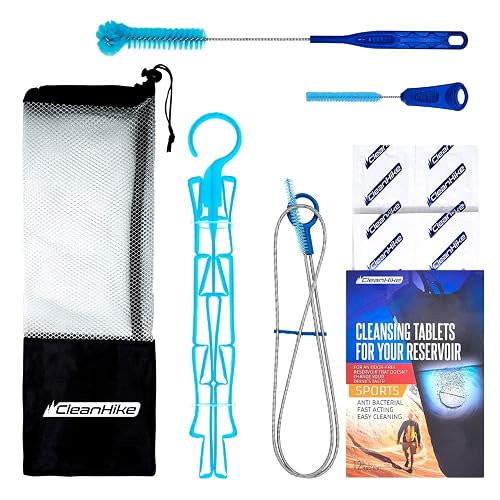
CleanHike 6-In-1 Bladder Cleaning Kit
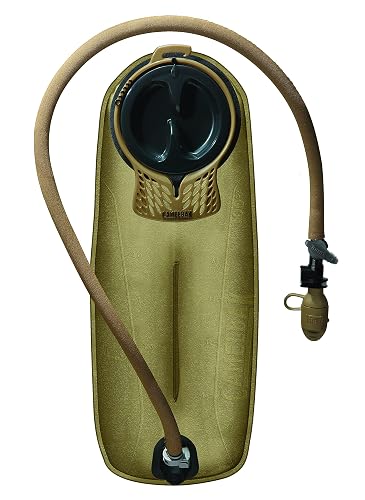
CamelBak Fusion Hydration Reservoir
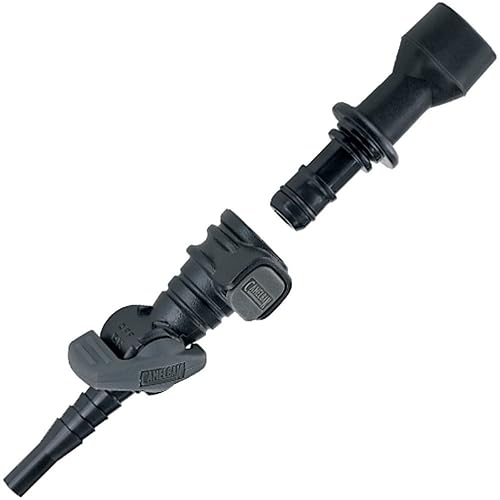
CamelBak HydroLock Tactical Conversion Kit
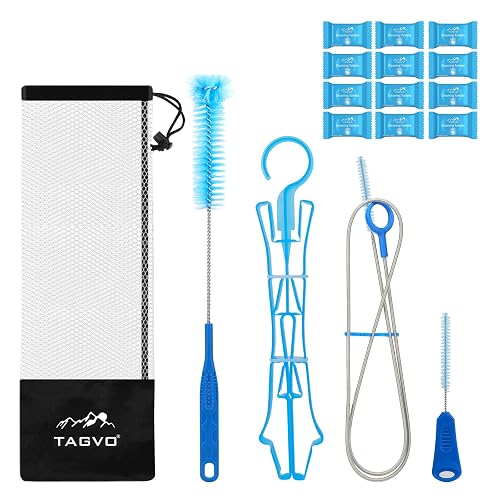
TAGVO 6-in-1 Bladder Cleaning Kit

HydraPak Contour Hydration Reservoir

Runlight Lightweight Hydration Running Vest

Runlight Reflective Hydration Vest
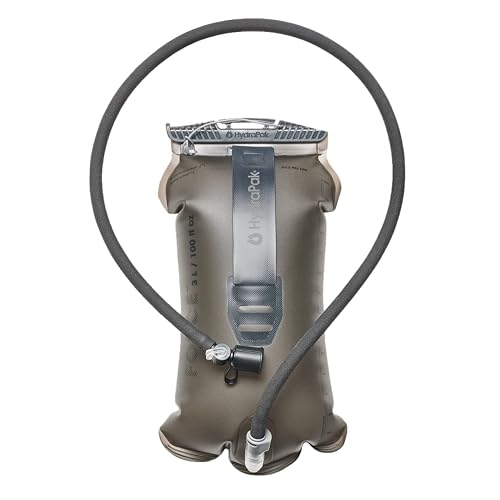
HydraPak Force Hydration Reservoir
A Deeper Look At The Lineup
The CleanHike 6-In-1 lands first because bladder hygiene is the part most hikers undervalue until their water tastes off mid-trip. This bundle pairs three brushes, a collapsible drying hanger, twelve cleansing tablets, and a small carry pouch into one compact routine.
For backpackers running 2L or 3L reservoirs, the kit covers the awkward parts most people skip: the hose interior, the bite valve, and the deep bladder corners where biofilm builds. Compared to the CamelBak Fusion we’ll cover next, this isn’t a bladder itself. It’s the maintenance companion that keeps any bladder serviceable across a season.
Useful Strengths
- Three brush sizes reach both the hose and bite valve
- Collapsible frame supports air drying after cleaning
- Cleansing tablets simplify rinse cycles between trips
- Carry pouch keeps brushes from touching dusty gear
- Universal fit works with most 2L and 3L reservoirs
Things To Consider
- Brushes can wear out faster with heavy weekly use
- Tablet count may run short over a full season
Who It Suits Best
Multi-day hikers who want one kit to cover bladder cleaning, drying, and storage between trips.
Consider Something Else When
Skip this and pick the TAGVO 6-in-1 kit if you’d rather have a slightly more complete brush set.
The CamelBak Fusion takes a familiar trail bladder and solves two chronic complaints in one move. The waterproof zipper replaces the old roll-top hassle, and the rigid backplate keeps the bladder from collapsing mid-hike.
For day hikers tired of stuffing a foldy bladder into a fridge door, the TRU Zip closure opens wide enough for ice cubes and a quick rinse. The integrated handle and pinch grip make single-handed filling realistic at a sink or stream, which matters when the other hand is holding trekking poles. The sealing zipper is the standout feature. Compared to the entry-level cleaning kit above, this is the reservoir itself.
A Few Highlights
- TRU Zip waterproof closure seals shut reliably
- Rigid backplate reduces mid-hike sloshing and collapse
- Pinch grip supports single-handed use at water sources
Honest Caveats
- Zipper cleaning needs occasional brushing to stay smooth
- Larger fill opening can splash during fast top-offs
At A Glance
Made For
Trail-focused hikers who want a fuss-free seal and easy fill at every water stop.
A Better Fit Elsewhere
Pick the HydraPak Force instead when your routes involve brushy terrain that punishes lighter bladders.
This kit lives in a different lane than the standard trail bladders above. The HydroLock Conversion Kit upgrades an existing MOLLE-mounted drink tube into a CamelBak-style hydration setup with on-demand flow.
For range days or field training, the HydroLock valve lets you shut the line off with one hand. The Big Bite valve mates with standard CamelBak tubes, so swapping components across gear bags is straightforward. This isn’t a hiking-first pick. It’s a tactical-style accessory with a narrow, specific audience.
A Strong Showing
- HydroLock enables one-handed shutoff mid-use
- Big Bite valve fits CamelBak-compatible tube ends
- Black finish suits tactical and field kit aesthetics
Points To Keep In Mind
- Not a full bladder, requires an existing tube setup
- Limited appeal outside MOLLE-based hydration kits
- Valve can stiffen in freezing conditions
Best Suited To
Tactical users and field trainees running MOLLE packs who want positive shutoff control.
Look Elsewhere When
Reach for the CamelBak Fusion Reservoir instead if you just want a sealed trail bladder ready to fill.
The TAGVO kit lands next to the CleanHike bundle above with a near-identical roster of tools but a few material upgrades worth flagging. The set covers long-handle, small bite-valve, and long-tube brushes, a collapsible drying hanger, twelve cleaning tablets, and a carry pouch.
For first-time bladder owners, the combination removes the guesswork from upkeep. The stainless steel and polyamide components hold up to repeated bending. Compared to the CamelBak Fusion covered above, this is maintenance gear only. It pairs well with any reservoir you already own.
Good Reasons To Consider
- Long-handle brush reaches deep corners in 3L bladders
- Collapsible hanger supports upright drying between trips
- Stainless steel core adds long-term rigidity
- Tablet supply covers roughly a season of monthly cleans
Practical Considerations
- Pouch only holds brushes, not full kit when packed
- Long-tube brush can bend in narrow hydration hoses
Feature Snapshot
Perfect Match For
New bladder owners who want one bundle that handles every cleaning step without guessing.
Skip It When
Pick the CleanHike kit if you’d rather start with a slightly simpler brush roster.
The HydraPak Contour earns its place on a fast-hike setup, not a multi-week expedition. The Slide Seal top opens wide for filling and collapses flat for storage, while a slim 3D body keeps weight centered against the back panel.
For trail runners and day hikers, the fixed Shape-Loc baffle stops the water from sloshing forward on downhills. A side exit port lets the drink tube route cleanly over either shoulder. Compared to the CamelBak Fusion above, the Contour trades a rigid backplate and zipper for a lighter overall profile.
Strengths Worth Knowing
- Slide Seal top simplifies opening, sealing, and refills
- Shape-Loc baffle reduces slosh on rolling terrain
- Universal hanger accepts clips, hooks, and loop mounts
- Lightweight profile suits trail running days
Less-Strong Areas
- Slide Seal needs occasional seal inspection
- Baffle adds weight over plain flat bladders
Feature Rundown
Who Should Grab It
Day hikers and fast packers who value a low-profile bladder that stays put over rocky descents.
Reach For A Different Pick When
Choose the HydraPak Force instead if your routes involve thorny brush or rough scrambles.
The Runlight vest shifts the conversation away from a pack-mounted reservoir and toward an all-in-one running setup. The included 1.5L bladder ships integrated, so there’s no compatibility guesswork or sleeve sizing to manage.
For runners and skiers covering varied terrain, the ventilated mesh back panel reduces heat buildup against the spine. Breathable nylon construction keeps weight low without feeling flimsy. Compared to the HydraPak Contour above, this is a complete kit, not just the bladder component.
Why It Works Well
- 1.5L bladder ships with the vest included
- Ventilated mesh supports airflow during long efforts
- Nylon build balances light weight with everyday durability
- Adjustable straps fit a range of torso lengths
Trade-Offs
- 1.5L capacity is small for long backcountry days
- Vest sizing runs narrow for layered winter wear
Built With In Mind
Runners and fast packers who want one piece of kit that handles hydration, storage, and ventilation.
Swap It Out When
Pick the Runlight Reflective Hydration Vest if you log most miles before sunrise or after dark.
The second Runlight entry earns its slot by addressing one complaint with the first: visibility. Reflective trim runs across the front and back panels for low-light runs, and a 1.5L bladder is still integrated into the vest.
For commuters, evening cyclists, and trail racers training at first light, the reflective strips add safety without changing how the vest feels. Adjustable shoulder straps and strap clips keep loose webbing tidy. Compared to the Runlight Lightweight vest we just covered, the trade-off is essentially the same bladder with a visibility upgrade.
Everyday Advantages
- Reflective front and back trim aids low-light visibility
- Strap clips secure loose webbing during fast movement
- Adjustable straps accommodate different torso sizes
- 1.5L bladder is included and ready to use
Small Caveats
- Reflective trim scuffs after heavy bushwhacking
- Storage pockets are shallow for bulkier items
Spec Overview
The Right Fit
Early morning and evening runners who log miles in low light and want extra visibility built in.
Another Choice May Suit
Choose the Runlight Lightweight Hydration Vest if reflective trim isn’t a priority for your usual route.
The HydraPak Force rounds out the lineup as the bladder built for rougher terrain. The TPU construction resists abrasion and stretches under load, and the HydraFusion drink tube insulates against summer heat while shielding the bite valve from grit.
For backcountry routes where a flat or torn bladder ends a trip, the reinforced body and high-flow Phaser valve deliver practical peace of mind. The tube is engineered to resist kinking at sharp bends. Compared to the HydraPak Contour covered earlier, the Force trades low weight for durability and insulation.
Points In Its Favor
- TPU body resists abrasion on brushy routes
- HydraFusion insulation helps water stay cooler in summer
- Non-kinking tube keeps flow steady during steep climbs
- Phaser valve self-seals to reduce post-sip drips
Factors To Consider
- Heavier than minimalist trail bladders
- Stiffer material requires more effort to pack flat
Feature Card
Whose Shelf It Belongs On
Backcountry hikers and rugged-route travelers who prioritize durability over lightweight design.
Where A Sibling Pick Shines
Pick the HydraPak Contour instead when fast, light efforts matter more than armor-grade toughness.
What To Weigh Before Choosing Hydration Bladders For Hiking
Capacity drives almost every other choice. Day hikers running a few hours of rolling terrain usually do fine on a 1.5L to 2L reservoir, while multi-day trips benefit from 3L to keep refill stops reasonable. Reserving capacity for water alone, not the bladder’s own weight, tends to be the most accurate way to size up.
Closure design matters more than most shoppers expect. Slide Seal and fold-over tops are quick to fill but demand a careful seal check before each trip. Zipper-top reservoirs like the CamelBak Fusion feel more secure but require occasional brushing to stay smooth. Pick the closure style that matches how often you refill and how patient you are with cleaning.
Weight and profile both influence comfort. Slim 3D-shaped bladders sit closer to the back panel and ride well during running or steep descents. Reinforced bladders like the HydraPak Force add ounces but resist abrasion on rocky and brushy trails. Match the bladder’s build to the roughest terrain on your typical route.
Tube and valve behavior shape the experience. A non-kinking design prevents frustrating mid-sip interruptions, and self-sealing valves reduce post-sip drips inside the pack. If you train or hike one-handed, look for bite valves that flow without hard suction.
Maintenance isn’t optional. Cleaning kits, drying hangers, and tablets extend the life of any bladder, and biofilm buildup is the most common reason a reservoir starts to taste off. For anyone buying a 2L or 3L bladder, budgeting for a cleaning kit alongside the purchase tends to pay for itself within a season.
Key Considerations Across These Picks
Mistakes Worth Dodging
A common trap is buying the largest reservoir that fits your sleeve, then resenting the slosh on downhills. Sizing to actual water consumption across your typical route generally beats picking the biggest option. Another misstep is skipping a drying routine after cleaning, which lets moisture sit and encourages odor. A collapsible drying hanger fixes that for almost no extra effort.
When Paying More Pays Off
Premium bladders typically spend the extra cost on closure engineering, abrasion-resistant body materials, and insulated drink tubes. That investment pays off for hikers who deal with sharp granite, summer heat, or frequent zipper-style seals. For casual day hikers on shaded loops, a mid-tier option usually delivers everything that matters without the higher tier’s extra weight or cost.