
Your feet carry the entire load on a hike, and the wrong insole turns a three-hour loop into a session of hot spots and aching arches. Whether you’re training for a multi-day trek or just want your weekend trail shoes to feel less punishing, the right insert changes everything. This list looks at four solid options built around real terrain demands, from orthopedic arch correction to rugged trail construction. Each pick targets a slightly different foot profile and use case, so you can match your mileage, your arch height, and your boot shape to the right upgrade.
A Fast Comparison Of The Options

Aetrex L400 Women’s Compete Orthotics Insoles

ARIAT Men’s ATS Round Toe Gel Cushion Footbed
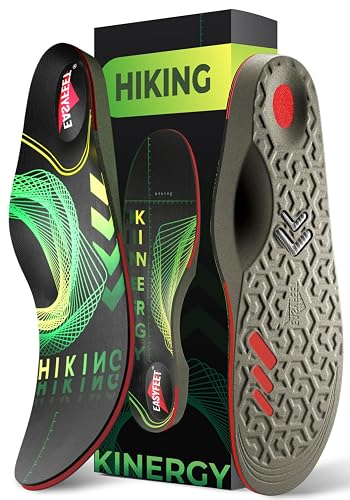
EASYFEET Hiking Boot Insoles for Men & Women
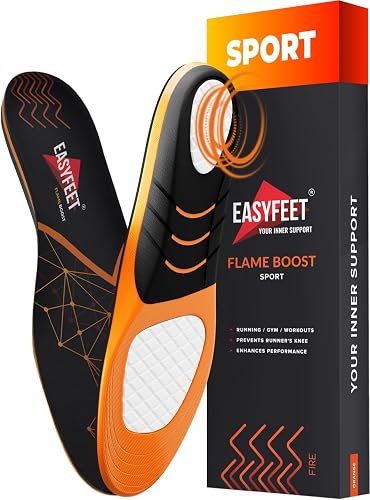
EASYFEET Running & Sport Insoles for Men & Women
A Breakdown Of The Leading Choices
The Aetrex L400 leans into a clinical, corrective feel that sets it apart from the rugged terrain-driven picks on this list. Its tri-density construction means three layers of foam work together rather than a single slab of cushion, which translates to more nuanced pressure relief on long descents where the forefoot takes a beating. For women who log serious miles and have noticed knee or lower back fatigue after hikes, the arch contouring aims to redistribute weight across the foot instead of letting it pool at the heel.
That orthopedic focus also means this insert rewards patience. The first few miles often produce a “breaking-in” feel as the foot adjusts to the corrected alignment, so casual wearers may find the initial stiffness a bit much. Compared to the EASYFEET trail options later on, this one prioritizes biomechanics over plush comfort, making it a smarter call for hikers dealing with mild overpronation than for those who simply want a softer ride.
Where It Delivers
- Tri-density layering distributes pressure across the heel, arch, and forefoot, which matters most during steep downhill sections where forefoot impact spikes.
- Polyurethane construction (a high-resilience, springy foam) helps the insole keep its shape across months of use instead of going flat after a single season.
- Built-in arch contouring supports moderate overpronation, reducing the inward roll that contributes to shin splints on long days.
- Heel cup geometry stabilizes the rearfoot, which becomes critical when carrying a loaded daypack on rocky descents.
- Versatile profile works across athletic trainers, casual hikers, and work boots without requiring re-trimming.
Things To Consider
- Stiffer than foam-only insoles, so the first few hikes may feel awkward until the foot adapts.
- Heavier construction can crowd low-volume trail runners, so check fit before committing.
- Women-specific shaping means men need to look elsewhere; sizing is built around a narrower last.
Who It Suits Best
Women hikers who experience knee, arch, or lower back fatigue after long days and want a corrective insert that doubles as everyday footwear support.
Where Another Pick Suits Better
For trail-specific stability in men’s and women’s boots across rugged terrain, the EASYFEET Hiking Boot Insoles offer a terrain-tuned alternative without the orthopedic stiffness.
The ARIAT ATS gel insert shows up most often in Western boots, work boots, and casual hikers where a round toe box and gel comfort do the heavy lifting. Its Advanced Torque Stability (ATS) technology is ARIAT’s platform for foot and ankle support, using a gel-cushioned footbed to absorb shock and reduce foot fatigue. For hikers who wear cowboy boots on rough ground, ranch work, or trailhead-to-campfire distances, the gel layer softens impact without demanding a break-in period.
That said, this is not a dedicated trail insole. Where the Aetrex L400 brings orthopedic correction and the EASYFEET options lean into rugged terrain engineering, this ARIAT footbed focuses on everyday comfort inside a traditional Western boot. You may find it lacks the aggressive arch geometry and heel lockdown you want for multi-mile descents with a heavy pack.
A Strong Showing
- Gel cushioning delivers immediate softness with no break-in, which helps casual weekend hikers get straight into the boots.
- Low-profile design fits cleanly into Western and round-toe boots where bulky orthotics crowd the toe box.
- Moisture-wicking top cover helps reduce sweat buildup on warm-weather hikes.
- Lightweight construction adds minimal weight compared to dense foam alternatives.
Honest Caveats
- Less aggressive arch support than the Aetrex L400 or EASYFEET options, so overpronators may want a more structured pick.
- Designed primarily for Western boots, so it may underperform in technical trail footwear that demands a locked-in heel.
- Gel cushioning can feel slightly warmer than foam in hot conditions during summer hikes.
Right Fit For
Men who hike in Western or round-toe work boots and want softer daily comfort rather than dedicated trail correction.
Skip It When
For aggressive multi-mile hiking with a loaded pack, the EASYFEET Hiking Boot Insoles deliver more terrain-tuned arch stability and heel control.
EASYFEET built these insoles around trail-specific demands rather than general athletic use, which shows in the arch geometry and heel lockdown. The contouring targets the midfoot where boots tend to flex most on uneven terrain, helping reduce the sideways roll that ends in twisted ankles or hot spots after miles of loose rock. For hikers who move from paved trailheads to rocky ascents in a single afternoon, that terrain-aware shaping earns its keep.
Where this insert stands apart from the Aetrex L400 is the user profile: it’s unisex and built for boots rather than orthoics. The earlier Aetrex option targets women with orthopedic correction needs, while this EASYFEET Kinergy model leans into stability and cushioning for active outdoor users. You get a forgiving feel that works across a wide range of foot shapes without requiring a long break-in window.
Everyday Perks
- Trail-focused arch support reduces foot fatigue on long days when the terrain shifts between dirt, gravel, and rock.
- Heel cup design locks the rearfoot in place during steep descents, reducing the slide that creates blisters.
- Unisex sizing fits both men’s and women’s hiking boots without re-trimming.
- Cushioned forefoot absorbs the repeated forefoot strikes that come with downhill grades.
- Structured heel and arch work together to stabilize uneven footing, which helps on rocky or root-covered trails.
Worth Bearing In Mind
- Boots with very tight toe boxes may feel crowded after installation, since the structured arch and forefoot cushion add noticeable volume.
- Stiffer feel underfoot compared to gel-only insoles, so first-time users may want a short break-in period.
Made For
Hikers tackling rocky, uneven, or extended terrain in mid-to-high-cut boots who want terrain-specific stability and arch support in a unisex fit.
A Better Fit Elsewhere
If you run or train on pavement as much as you hike, the EASYFEET Flame Boost Running & Sport Insoles offer a sport-tuned alternative with similar arch geometry.
The Flame Boost from EASYFEET sits on the sport-tuned end of the spectrum, built for high-impact activities where the foot lands repeatedly and the arch has to hold up under heavier loads. For users who hike, run, jump, and cross-train in the same pair of athletic sneakers, that versatility earns attention. The cushioning absorbs the heavier loads that come with running intervals or plyometric work, while the arch contouring translates well to moderate trail days.
It’s worth noting the comparison to the trail-specific EASYFEET pick above: where the Kinergy hiking insole leans into heel lockdown and trail geometry, the Flame Boost spreads its cushioning across the entire foot for high-impact sports. Both share the brand’s arch contouring philosophy, but the Flame Boost feels more at home in a trail-running shoe than in a stiff mountaineering boot.
Useful Touches
- High-impact cushioning softens the repeated landings of running and jumping, reducing stress on knees and lower back.
- Arch support helps active wearers who alternate between hiking, gym sessions, and running without swapping inserts.
- Unisex sizing covers men’s and women’s athletic shoes, simplifying your gear rotation.
- Sport-tuned heel shape stabilizes the foot during lateral cuts and quick direction changes.
Practical Considerations
- Heel geometry is tuned for sneakers, so it may feel under-supported inside stiff backpacking boots.
- Cushioning profile is thicker than the ARIAT gel footbed, so low-volume shoes may feel tight after installation.
Best Suited To
Active users alternating trail days with running, gym workouts, or cross-training who want one insert that handles multiple athletic contexts.
Reach For A Different Pick When
For dedicated multi-mile hikes in mid or high-cut footwear, the EASYFEET Hiking Boot Insoles offer a more terrain-focused architecture.
What Matters Most Before Choosing Insoles For Hiking
Arch height sets the foundation for the rest of the decision. Low arches tend to overpronate (the foot rolls inward during walking), which calls for structured medial support like the Aetrex L400’s tri-density design. Neutral arches typically do fine with mid-grade cushioning, while high arches need pronounced contouring and shock absorption to prevent the lateral foot pain that comes from under-supported midfeet.
Boot volume matters just as much as arch type. A high-cushion trail insert can overwhelm a snug low-cut shoe, while a slim gel footbed disappears inside a roomy mountaineering boot. Try to match the insert’s profile to the boot’s internal volume before committing.
Consider the activity mix. Dedicated backpackers carrying 30+ pound loads benefit from structured heel lockdown and firmer midsoles. Casual day hikers can lean toward softer cushioning. Mixed-use athletes who rotate between pavement, gym, and trail get the most from sport-tuned picks like the EASYFEET Flame Boost.
Finally, material durability affects long-term value. Polyurethane (high-resilience foam) and EVA (a lighter, compressible foam) are common midsection foams, but polyurethane tends to hold its shape longer across months of compression. Heavier hikers may notice lower-density foams packing out faster.
Key Considerations Across These Picks
Mistakes Worth Dodging
Choosing an insole based on cushioning alone often backfires on real terrain. Soft foam feels great in the store but can compress unevenly under load, leaving hot spots after a few miles. Match the insert’s structure to your arch type first, then refine cushioning to taste. Also, skipping the trim-to-fit step when inserts run slightly long creates pressure points at the toe, so always check fit with the original insole removed before finalizing.
When Paying More Pays Off
Higher-tier insoles typically invest in multi-density layering, deeper heel cups, and medical-grade foams that resist compression over time. The upgrade pays off for hikers logging 15+ miles per outing, heavier users who compress the foam faster, and anyone with mild biomechanical issues who needs corrective geometry. For casual weekend use, mid-tier options often deliver comparable comfort at a friendlier cost.
Frequently Asked Questions
How do I know if I need hiking insoles?
Your boots feel fine on flat ground but start hurting after descents or long days. That’s a sign the stock footbed isn’t absorbing enough impact or supporting your arch properly.
Can I move insoles between different boots?
Most insoles work across similar-volume footwear, but a hiking boot insert may feel loose in a low-cut trail runner. Always check the fit after switching boots.
How long do hiking insoles typically last?
Mid-grade foam inserts generally last a hiking season or two of regular use. Heavier hikers and frequent backpackers may notice compression sooner than casual users.
Do hiking insoles help with knee or back pain?
Structured arch support can reduce the alignment issues that contribute to knee and lower back fatigue, especially on descents. Results vary, and persistent issues warrant a specialist’s evaluation.
Should I size up my boots to fit thicker insoles?
Most hiking boots account for aftermarket insoles, but a thick insert plus a snug boot often creates pressure points. Trim the insole to match the original footbed’s footprint rather than sizing the boots up.
The Takeaway
The right insole depends less on brand and more on matching arch support, boot volume, and terrain demands to your specific foot. Start with your activity mix, narrow down by arch geometry, and verify fit inside your actual boots before committing. Your feet will let you know within the first long hike whether you made the right call.