
Wet trails have a way of turning an easy loop into a slog. The picks below balance low weight, real weather protection, and grippy outsoles, so your feet stay dry from the first switchback to the parking lot.
A Quick View Of The Lineup
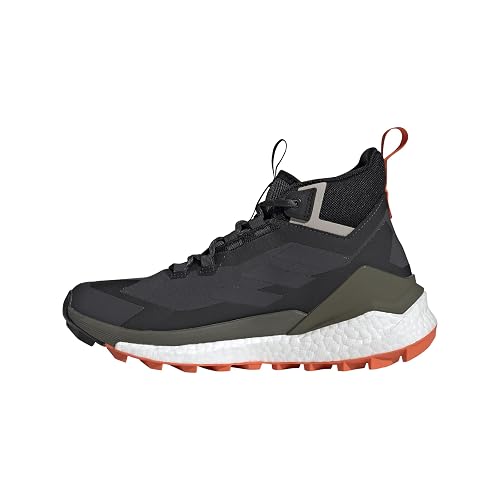
adidas Terrex Trailmaker 2.0 Mid Gore-tex
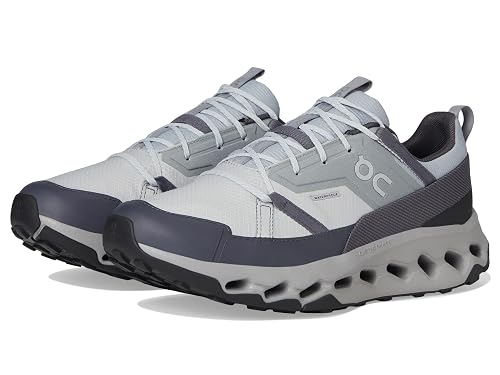
On Men’s Cloudhorizon Waterproof

Columbia Newton Ridge Plus Waterproof
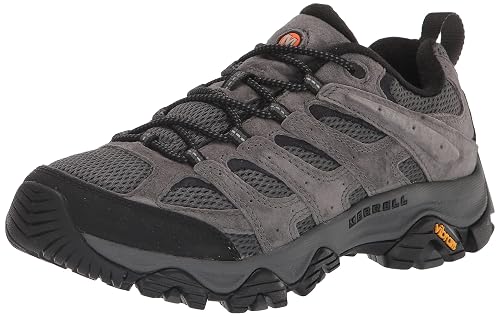
Merrell Moab 3 Hiking Shoe
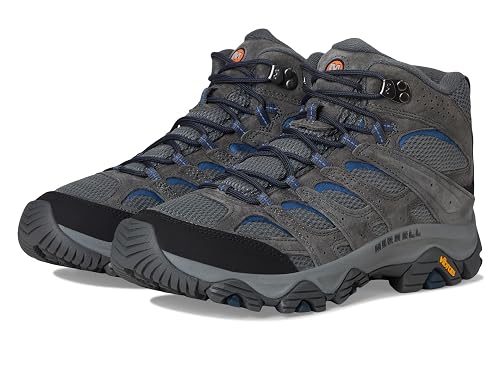
Merrell Moab 3 Mid Hiking Boot
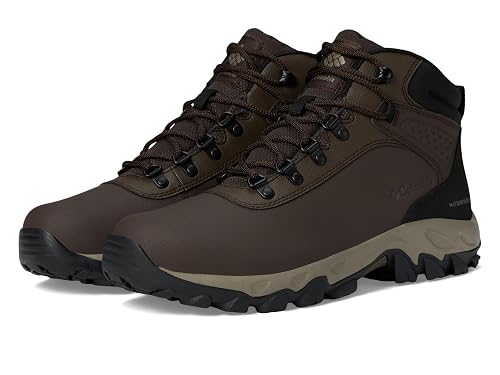
Columbia Newton Explorer
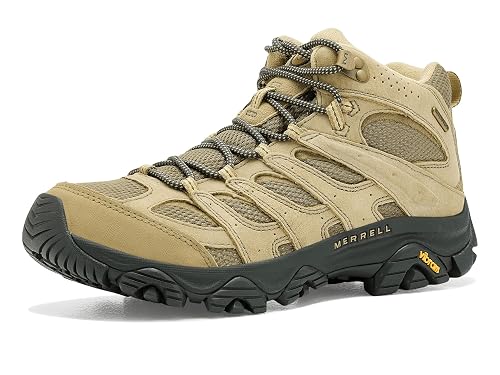
Merrell Moab 3 Mid Waterproof
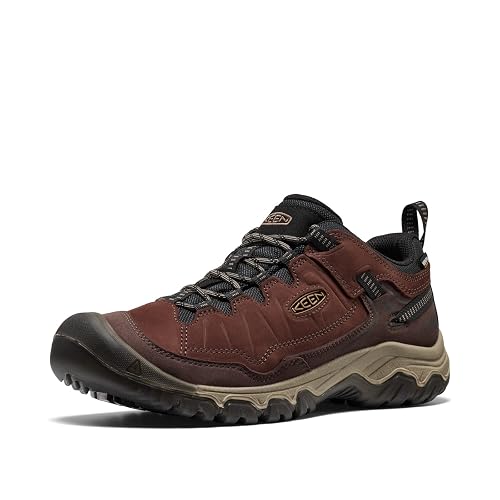
KEEN Targhee 4 Low Waterproof

KEEN KS86 Retro Style Sneakers
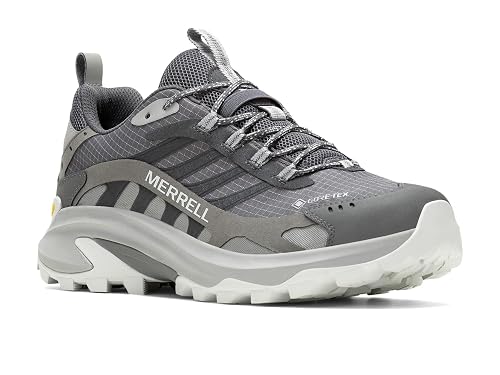
Merrell Moab Speed 2 GTX
Inside Each Recommended Option
A mid-cut hiking shoe built for women who log real miles on real trails, the Terrex Trailmaker 2.0 blends responsive cushioning with serious weather sealing. The GORE-TEX membrane (a thin, waterproof, windproof layer bonded inside the boot) keeps rain and stream crossings from soaking through, while still letting heat escape on warmer days.
Where this shoe separates itself from lighter trail runners is in the BOOST midsole (a foam technology designed to return energy with every step), which gives a springy, fatigue-fighting ride over long stretches of rocky terrain. The mid-cut ankle collar adds confidence on uneven ground without the bulk of a full boot, and the upper feels supportive without being stiff right out of the box.
Reasons It Performs
- GORE-TEX membrane seals out puddles, dew, and brief stream crossings while staying breathable
- BOOST midsole delivers noticeable energy return, cutting leg fatigue on long descents
- Mid-cut collar supports ankles on root-strewn paths without weighing you down
- Versatile enough for weekend trips, day hikes, and casual trail use
Things To Consider
- BOOST cushioning feels firmer than some plush alternatives like the On Cloudhorizon
- Leather-and-synthetic upper needs occasional cleaning to keep waterproofing effective
- Color and sizing options vary by region, so selection may be limited
Feature Snapshot
Made For
Women tackling varied terrain and wet trails on full-day hikes who want cushioned support without the bulk of a heavy backpacking boot.
Where Another Pick Suits Better
Shoppers wanting maximum plush cushioning for casual park loops should look at the On Men’s Cloudhorizon Waterproof instead.
The Cloudhorizon is On’s most cushioned hiking shoe, and it shows in every step. CloudTec Phase cushioning (a sequenced pod system that collapses softly on landing) softens rocky ground, while the fully waterproof construction handles damp trails without weighing your stride down.
It’s a shoe that almost disappears on your foot, which makes it appealing for long days when foot fatigue is the real enemy. Compared to the more rugged Terrex Trailmaker 2.0, this one leans toward comfort over technical scrambling, and that’s exactly the point.
Well-Handled Touches
- CloudTec Phase pods create a soft, rolling landing on hard-packed trails
- Waterproof membrane shrugs off rain and morning dew without stiffness
- Lightweight build makes long-mile days feel shorter
- Sleek profile transitions easily from trail to town
Worth Noting
- Plush cushioning trades ground feel for comfort on technical terrain
- Premium pricing puts it out of reach for casual weekend-only wear
- Availability can be patchy depending on size and colorway
Best Suited To
Hikers prioritizing all-day cushioning and a soft ride over rugged ankle support, especially on groomed or well-maintained trails.
Consider Something Else When
Backpackers hauling heavier loads over rocky ground will find more stability in the Merrell Moab 3 Mid Hiking Boot.
The Newton Ridge Plus brings real hiking boot construction to a friendlier price point, with a waterproof build and supportive midsole designed for the female foot. It’s a practical pick for hikers who want trail-ready protection without paying premium-tier money.
Unlike the cushioned On Cloudhorizon or the nimble Moab Speed 2, this boot leans toward durability and ankle support. For weekend warriors heading into wet grass, muddy switchbacks, and rocky overlooks, that trade-off usually pays off.
Where It Helps
- Waterproof construction handles puddles and dewy mornings reliably
- Supportive midsole and ankle height inspire confidence on uneven ground
- Price point makes it easier to outfit growing feet or rotate pairs
- Durable build holds up to frequent weekend use
Trade-Offs
- Heavier than trail-running-inspired options like the Moab Speed 2 GTX
- Discontinued status may affect long-term color or size availability
- Break-in period tends to be longer than mesh-construction alternatives
Quick Facts
Right Fit For
Budget-focused women hikers who want durable, all-season protection without paying for premium cushioning systems.
Not Your Match When
Speed-focused hikers chasing fast-mile days should consider the Merrell Moab Speed 2 GTX for a lighter, more agile feel.
The Moab name has earned its reputation over many seasons, and version 3 refines an already well-loved formula. You get a more supportive insole, plusher midsole cushioning, and grippier Vibram outsole rubber (a high-traction lugged rubber compound trusted in hiking footwear) for confident footing on mixed surfaces.
Compared to the burlier Moab 3 Mid, this low-cut version trades some stability for breathability and lighter weight, which most day hikers prefer. Right out of the box, the fit feels broken-in, which is part of the Moab charm.
Where It Delivers
- Vibram outsole grips loose dirt, wet rock, and gravel without slipping
- Cushioned midsole softens rocky terrain mile after mile
- Out-of-the-box comfort shortens break-in time considerably
- Roomy fit accommodates wider feet better than most competitors
Minor Gripes
- Non-waterproof build lets moisture through in heavy rain or deep puddles
- Low-cut design offers minimal ankle protection on rough ground
- Mesh upper needs regular cleaning to prevent odor buildup
Feature Card
Who It Suits Best
Regular trail hikers who want all-day comfort, a familiar fit, and don’t often wade through deep water or carry heavy loads.
A Better Fit Elsewhere
Hikers tackling consistently wet or muddy trails will get more protection from the Merrell Moab 3 Mid Waterproof.
The Moab 3 Mid takes everything the low-cut Moab 3 does well and adds ankle coverage for more technical terrain. The mid-cut collar protects against rolling ankles on root-strewn paths, while the same Vibram outsole and supportive insole carry over from its sibling.
It’s a versatile step up for hikers moving beyond flat park loops into hillier country. Compared to the waterproof Moab 3 Mid Waterproof, this version trades rain protection for breathability, so it’s better suited to dry trails or quick-drying conditions.
Positive Points
- Mid-cut collar stabilizes ankles on uneven, rocky trails
- Vibram outsole delivers confident traction across mixed surfaces
- Familiar Moab fit breaks in fast, even for wider feet
- Versatile profile handles day hikes and lighter backpacking trips
A Few Limitations
- Non-waterproof build soaks through in heavy rain or wet grass
- Slightly heavier than low-cut options like the Moab 3
- Mesh panels collect debris on dusty trails
Perfect Match For
Hikers tackling rocky, rooty, or uneven terrain who want ankle security without stepping up to a full backpacking boot.
Skip It When
Wet-weather hikers should consider the Merrell Moab 3 Mid Waterproof for the same support with sealed seams.
The Newton Explorer blends a waterproof leather upper with Columbia’s Techlite midsole (a lightweight foam midsole designed for long-lasting cushioning and energy return) to create a sturdy, comfortable hiker for everyday wear. The Omni-Tech waterproof breathable construction (Columbia’s proprietary seam-sealed membrane system) keeps rain out while letting sweat vapor escape on warm hikes.
It’s a shoe that leans more toward town-and-trail versatility than backcountry scrambling, which makes it appealing for hikers who want one shoe that does double duty. The leather upper looks at home at a coffee shop and handles trail duty without complaint.
What Pays Off
- Waterproof leather upper handles wet grass and rain without leaking
- Techlite midsole keeps weight low while cushioning long days
- Casual styling transitions between trail and everyday wear
- Omni-Tech sealed construction keeps feet dry in wet conditions
Softer Spots
- Leather construction requires occasional conditioning to stay supple
- Less breathable than mesh options like the Moab 3 in summer heat
- Heavier than minimalist trail runners on long-distance days
Whose Shelf It Belongs On
Casual hikers and commuters who want one waterproof shoe that handles wet sidewalks and weekend trail walks.
Look Elsewhere When
Speed-focused hikers covering big miles will find the Merrell Moab Speed 2 GTX lighter and more agile.
The waterproof version of the Moab 3 Mid pairs the same supportive mid-cut collar and Vibram outsole with a sealed waterproof membrane, making it a smart pick for shoulder-season hikes and rainy climates. The upgraded insole and cushioned midsole from version 3 carry over, so comfort remains a priority.
Versus the standard Moab 3 Mid, this model adds genuine wet-trail confidence without changing the fit hikers already trust. For wet grass, muddy switchbacks, and shallow stream crossings, the membrane earns its keep.
Practical Pluses
- Waterproof membrane keeps feet dry through wet brush and shallow crossings
- Mid-cut collar protects ankles on rooty, rocky descents
- Vibram outsole grips slick surfaces reliably
- Familiar Moab fit accommodates a wide range of foot shapes
Points To Keep In Mind
- Waterproofing adds slight warmth in summer hiking conditions
- Membrane needs cleaning and occasional reproofing to stay effective
- Availability and sizing vary as this is a recent release
Built With In Mind
Hikers dealing with consistently damp trails, morning dew, or shoulder-season rain without wanting a heavy mountaineering boot.
Another Choice May Suit
Hot-climate hikers chasing breathability should pick the standard Merrell Moab 3 Mid instead.
The Targhee 4 Low uses KEEN’s direct-attach construction (a process where the upper is bonded directly to the sole, eliminating weak stitched seams) to fuse the upper and outsole into a single, durable unit. The result is a hiking shoe designed to outlast trend-driven alternatives while keeping feet dry through the KEEN.DRY waterproof membrane.
It carries KEEN’s wider, roomier toe box, which is a gift for hikers with broader feet who often feel cramped in narrower fits. Compared to the snug Moab Speed 2 GTX, this one prioritizes comfort and longevity over athletic agility.
What Helps Most
- Direct-attach construction creates a tough, long-wearing bond that resists separation
- KEEN.DRY membrane keeps water out without excessive heat buildup
- Wider toe box gives toes room to splay naturally on long descents
- Resilient cushioning maintains its feel across many miles of regular use
Honest Caveats
- Wider fit may feel loose for hikers with narrow heels
- Heavier than ultralight trail runners on speed-focused days
- Direct-attach construction limits flexibility in the forefoot
Core Details
The Right Fit
Hikers with broader feet and anyone prioritizing long-term durability over lightweight speed.
Reach For A Different Pick When
Speed-focused hikers should look at the Merrell Moab Speed 2 GTX for a nimbler, trail-runner-inspired build.
The KS86 is KEEN’s most casual entry on this list, built for travelers and light walkers who want a sneaker that can handle unexpected detours. The recycled mesh upper or eco-friendly leather keeps the shoe light, while the aggressive tread handles more than a typical street sneaker.
Note the KS86 sits in fashion-sneaker territory rather than the dedicated hiking category. For wet-weather trail duty, a purpose-built option like the Targhee 4 Low Waterproof is the stronger choice.
Noteworthy Benefits
- Retro silhouette looks at home in airports, cafes, and city streets
- Aggressive tread handles park paths, gravel, and light trails confidently
- KEEN’s wider fit gives comfortable all-day wear without pinching
- Recycled mesh upper keeps weight low for travel days
A Few Limitations
- Not a dedicated waterproof hiker, so wet trails are off the table
- Casual styling lacks the ankle security of trail-specific boots
- Less arch support than dedicated hiking shoes on long walks
Who Should Grab It
Travelers and casual walkers who want one shoe for sightseeing, light trail walks, and unexpected rain showers.
Swap It Out When
Hikers tackling real trails should step up to the KEEN Targhee 4 Low Waterproof for proper waterproofing and trail grip.
The Moab Speed 2 GTX borrows the Moab family’s trail DNA and pairs it with athletic-shoe agility. A GORE-TEX membrane keeps water out, while the Vibram TC5+ outsole (a specialized rubber compound with redesigned traction lugs) grips technical terrain with confidence.
Compared to the burlier Moab 3 Mid, this version sheds weight and stiffness for a faster, more responsive feel. Speed hikers and trail-to-trail joggers will appreciate the lower profile, though backpackers hauling heavy gear might want to size up to a more supportive boot.
The Practical Payoff
- GORE-TEX membrane seals out rain and stream splash reliably
- Vibram TC5+ outsole grips loose dirt, wet rock, and steep grades
- Trail-runner-inspired agility keeps pace on fast hikes
- Lighter build reduces leg fatigue over long-mile days
Where It May Fall Short
- Low-cut design offers little ankle protection on rough ground
- Less supportive under heavy pack loads than mid-cut Moab variants
- Snugger fit may challenge hikers with wider feet
Best Suited To
Fast-paced hikers and trail joggers who want waterproof protection without sacrificing the agility of a trail runner.
Where A Sibling Pick Shines
Hikers carrying heavier loads or tackling technical terrain should consider the Merrell Moab 3 Mid Waterproof for added support.
What Matters Most Before Choosing Light Waterproof Hiking Shoes
Waterproofing Membrane Versus Weather Membrane
A waterproof membrane like GORE-TEX or KEEN.DRY blocks liquid water from entering the shoe while letting internal moisture vapor escape. That breathability matters on warm hikes, where sweaty feet can feel just as uncomfortable as wet ones. For cold, wet climates or early-morning dew-soaked trails, a sealed membrane is essential. For dry, hot hiking, a non-waterproof breathable build often feels better.
Outsole Grip And Lug Depth
The outsole (the bottom layer of the shoe that contacts the ground) is your connection to the trail. Vibram rubber compounds appear on many of these picks because they grip reliably across wet rock, loose dirt, and gravel. Lug depth (how deep the traction ridges sit) affects performance: deeper lugs shed mud better, while shallower lugs feel smoother on hard-packed paths. Match lug depth to your typical terrain.
Cushioning Versus Ground Feel
Plush cushioning, like the On Cloudhorizon’s CloudTec Phase, softens impact and fights fatigue on long-mile days. Firmer, more responsive midsoles, like the Terrex Trailmaker 2.0’s BOOST, return energy with each push-off. Hikers covering big days tend to prefer more cushion; hikers wanting precise footing on technical terrain often want firmer, thinner platforms.
Fit, Toe Box, And Ankle Height
A wider toe box, like KEEN’s signature fit, lets toes splay naturally on descents. Narrower fits lock the foot down for technical moves but can cramp wide-footed hikers. Ankle height matters too: mid-cut boots add stability on uneven ground, while low-cut shoes breathe better and weigh less for fast hiking.
Key Considerations Across These Picks
Common Shopping Slip Ups
Choosing a hiking shoe by looks alone is a frequent trap, since waterproof membranes, lug patterns, and midsole foams all behave differently on real terrain. Fit matters more than brand loyalty, so trying on a shoe with the socks you actually hike in saves returns. Skipping break-in time is another mistake: even broken-in-feeling shoes like the Moab 3 benefit from a short neighborhood walk before a big day.
What The Higher Tier Buys
Premium hiking shoes tend to spend the extra money on lighter midsole foams, more advanced waterproof membranes, and grippier outsole compounds that hold up across more seasons. You also tend to get better weight distribution, which matters on long-mile days. For occasional weekend hikes, mid-tier options like the Newton Ridge Plus handle the same trails just fine. Daily hikers and backpackers usually feel the upgrade in fatigue reduction over many miles.
Frequently Asked Questions
How do I clean light waterproof hiking shoes?
Brush off loose dirt first, then wash with mild soap and lukewarm water, avoiding harsh detergents that can strip the waterproof membrane. Air-dry away from direct heat to keep the upper materials from warping. Reproofing sprays can help maintain water repellency over time.
Are waterproof hiking shoes too warm for summer?
In hot, dry conditions, a waterproof membrane can trap heat and moisture, making non-waterproof breathable shoes feel cooler. In wet or shoulder-season weather, the same membrane keeps feet dry and comfortable. Match the membrane to your typical climate.
How long do light waterproof hiking shoes typically last?
Trail hikers covering moderate mileage often see two to four seasons of regular use before outsoles or cushioning wear out. Hikers logging high mileage on abrasive rock may notice wear sooner. Rotating between two pairs and cleaning after muddy hikes can extend lifespan.
Can I use light waterproof hiking shoes for backpacking?
Light hiking shoes handle light backpacking well, but heavy loads call for more supportive mid-cut boots like the Merrell Moab 3 Mid Waterproof. Load matters as much as distance when choosing support level.
What’s the difference between GORE-TEX and proprietary membranes like KEEN.DRY?
Both are waterproof breathable membranes designed to block liquid water while letting vapor escape. GORE-TEX has a longer track record across many brands, while proprietary membranes like KEEN.DRY are tuned specifically to the brand’s lasts and construction. In practice, both keep feet dry in similar conditions.
Closing Thoughts
Wet trails don’t have to mean wet socks. Pick the shoe that matches your terrain, your typical weather, and the way you actually hike, and your feet will thank you from the first mile to the last.