
A good rain shell should disappear in your pack until the sky turns ugly, then shrug off hours of wet brush without feeling like a sauna. Hikers chasing long miles, fast ascents, and shoulder-season weather all run into the same trade-off: lighter weight usually means thinner fabric, while heavier duty usually means soaked sweat. The picks below span pullover anoraks, full-zip shells, multi-purpose wraps, and softshell hybrids so you can match a jacket to the climate, the trip length, and the kind of weather you actually hike in.
A Fast Comparison Of The Options
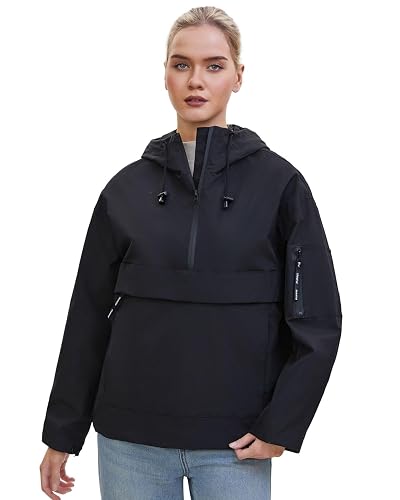
PUFFIT Women’s Lightweight Anorak Pullover Hoodie Jacket
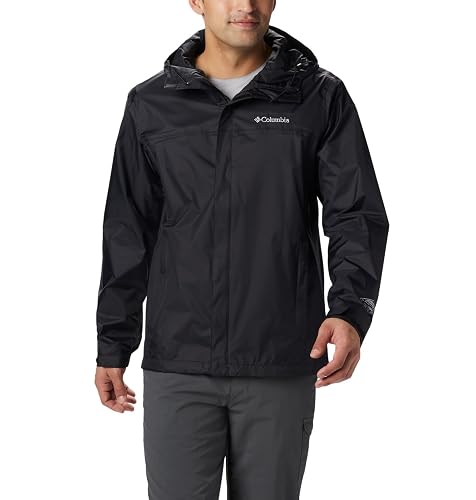
Columbia Men’s Watertight II Rain Jacket
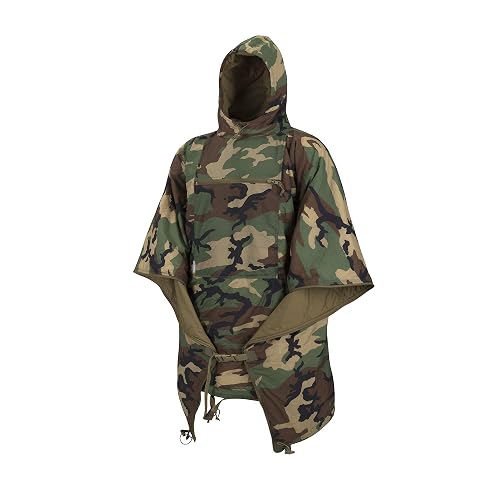
Helikon-Tex Swagman Roll Poncho Woobie Blanket
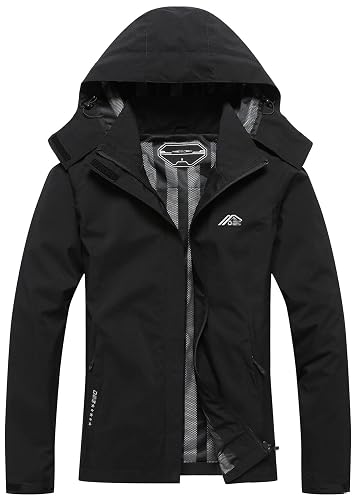
DECKTIN Women’s Waterproof Raincoat with Detachable Hood
Columbia Women’s Arcadia II Jacket

Men’s Hooded Softshell Jacket with Vent Zippers
Columbia Women’s Newton Ridge Plus Waterproof Boot
The Details Behind The Selections
The PUFFIT women’s anorak slots into the lightest end of this list, built for short outings where the forecast is uncertain rather than apocalyptic. Its water-resistant shell and half-zip pullover shape make it easy to toss over a base layer when clouds build on a quick loop or a dog walk that turns damp.
For casual day hikers who mostly walk shaded park trails and urban greenways, this jacket handles drizzle and brief showers without feeling clammy. Compared to the Columbia Watertight II covered next, the PUFFIT trades full waterproofing for a softer hand and a more lifestyle-oriented fit, which is a fair trade on short outings.
What Works In Its Favor
- Lightweight pullover that compresses small for daypack corners
- Soft, hoodie-style feel suits casual wear between hikes
- Quick to pull on when light rain shows up mid-loop
- Layered cleanly over a thin fleece or long-sleeve tee
Things To Consider
- Water-resistant build, not fully seam-sealed, so steady downpours can soak through
- Limited venting, which may run warm on uphill climbs in humid weather
Whose Shelf It Belongs On
Casual hikers, dog walkers, and anyone needing a grab-and-go shell for short, easy walks in light weather.
Reach For A Different Pick When
Trail hikers facing long wet stretches should consider the Columbia Watertight II, which delivers a heavier waterproof build.
The Watertight II has stayed a staple for a reason: its waterproof-breathable fabric, fully seam-sealed construction, and light mesh lining handle the kind of rain most hikers actually run into. Pull it on for a drizzly commute, a long trail day, or an emergency layer in a pack that gets pulled out two or three times a season.
Where the PUFFIT above leans lifestyle, this Columbia leans utility. Breathability here matters on humid climbs, since waterproof-breathable membranes push interior moisture outward instead of trapping it. You still want pit zips or vents for sweaty ascents, and you may find the basic mesh liner slightly less premium than pricier shells.
Where It Delivers
- Fully seam-sealed waterproof build holds up under steady rain
- Light mesh lining adds comfort against bare skin in cool weather
- Waterproof-breathable membrane reduces that clammy, trapped-sweat feeling
- Packs down small enough to live in a commuter bag or daypack
- Available in multiple colorways for hikers who care about trail visibility
Trade Offs
- No dedicated pit zips listed, so venting during hard uphill efforts feels limited
- Basic hand pockets only, which matters less for hiking and more for daily use
- Heavier than a paper-thin emergency shell, so it eats more pack space
Quick Facts
Who Should Grab It
Daily commuters, weekend hikers, and anyone who needs a do-most-things rain shell that holds up under steady weather.
Swap It Out When
Hikers wanting a softer, more athletic cut with active venting should look at the Men’s Hooded Softshell Jacket with Vent Zippers.
The Helikon-Tex Swagman Roll sits in a different category than the rest of the list. It folds into a stuff sack, then unfurls into a poncho that doubles as a sleeping cover, a blanket, or a basic shelter layer. Bushcrafters, ultralight backpackers, and emergency-prep folks tend to love it for that multi-role utility.
Compared to the standard shells above, the Swagman trades conventional jacket structure for flexibility. You will not get a fitted hood or zippered pockets, so it is less polished as everyday rainwear. You will get a piece that pulls triple duty on a rainy overnighter, which most shells here cannot match.
Real Benefits
- Fits multiple roles: poncho, blanket, or improvised shelter
- Rolls into a small stuff sack that lives easily in a pack
- Useful for emergency kits and unexpected cold snaps
- Covers backpack contents during long rain stretches
Worth Bearing In Mind
- Loose poncho fit flaps in wind and lacks the structure of a regular jacket
- Less breathable than a fitted shell, so it feels muggy on active climbs
- Not a substitute for a proper waterproof-breathable jacket in serious weather
Built With In Mind
Backpackers, bushcrafters, and emergency-prepared hikers who value one piece that handles several jobs at once.
Not Your Match When
Hikers wanting a fitted, breathable everyday shell should turn to the Columbia Arcadia II Jacket for more conventional trail performance.
The DECKTIN raincoat leans toward travelers and casual outdoor users who want one layer that works for airports, city streets, and short nature walks. Its detachable hood lets you streamline the silhouette when the rain clears, and the lightweight build slips into a tote or carry-on without drama.
Where the Columbia Watertight II focuses on heavy rain performance, the DECKTIN focuses on flexibility. You will likely find it well-suited to mixed weather travel days where you cycle between indoors, transit, and wet sidewalks. For trail-grade downpours, you would still want a more technical shell.
Well-Handled Touches
- Detachable hood adapts to changing weather and styling
- Lightweight profile fits easily in travel bags and totes
- Waterproof build handles typical urban downpours
- Practical for short outdoor walks alongside city use
Softer Spots
- Less technical than trail-focused shells during long wet hikes
- Owners commonly report sizing running slightly off, so checking the size chart matters
Feature Snapshot
Right Fit For
Frequent travelers, urban hikers, and casual walkers who want a flexible shell that transitions between city and trail.
Look Elsewhere When
Backcountry hikers needing serious waterproofing should consider the Columbia Men’s Watertight II for tougher rain protection.
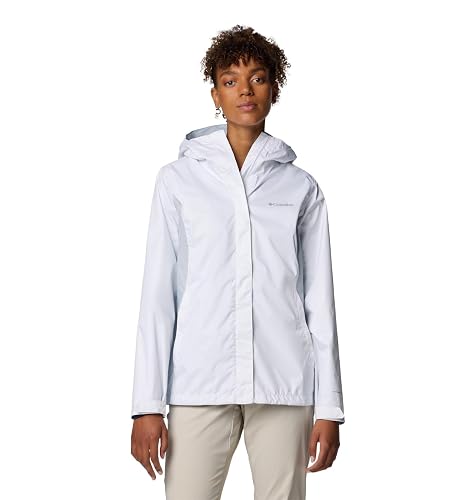
The Arcadia II is Columbia’s long-running women’s rain shell, and the design has stayed popular because it handles three-season hiking without drama. The 100% nylon shell is waterproof and breathable, making it a sensible choice for shoulder-season trails where rain can swing from drizzle to downpour within an hour.
Compared to the men’s Watertight II covered earlier, the Arcadia II delivers a similar waterproof-breathable concept in a women’s cut. Depending on your layering plans, you may find the fit slightly more relaxed, which makes sense over a mid-weight fleece on cold mornings. It is not a hardshell for alpine storms, but for most trail rain, it holds the line.
Everyday Wins
- Waterproof-breathable shell supports active hikes without heavy clamminess
- Women’s-specific cut layers cleanly over fleeces and light insulation
- Adjustable hood and hem help seal out wind-driven rain
- Lightweight enough to keep in a daypack for surprise showers
- Versatile enough to double as a daily raincoat off the trail
Honest Caveats
- Hand pockets feel minimal for stashing larger gear on the move
- Not a substitute for a true alpine hardshell in freezing, wet storms
Feature Card
Made For
Three-season hikers and outdoor regulars who want a women’s-specific trail shell for mixed wet weather.
Consider Something Else When
You need a more breathable, vent-friendly active layer, in which case the Men’s Hooded Softshell Jacket with Vent Zippers is worth a look.
This men’s hooded softshell is built for hikers who climb hard and sweat heavily. The breathable softshell fabric, vent zippers, and wind-resistant construction make it a strong pick for ridge walks, fast ascents, and shoulder-season weather where wind matters as much as rain.
A softshell handles light rain and wind far better than a basic windbreaker, but it is not a substitute for a fully waterproof shell in heavy downpours. Compared to the Columbia Arcadia II covered above, this jacket leans athletic, sacrificing some storm-grade waterproofing for better breathability during output-heavy miles.
The Practical Payoff
- Vent zippers dump heat quickly during steep climbs
- Breathable softshell fabric reduces sweat buildup on active hikes
- Wind-resistant face fabric cuts chill on exposed ridgelines
- Lightweight build layers over a base layer without bulk
- Adjustable hood seals out gusts during fast descents
Points To Note
- Water-resistant, not fully waterproof, so it underperforms in steady rain
- Less packable than a thin emergency shell for ultralight setups
- Owners commonly report the fit running trim, so sizing up may help for layering
Key Product Details
Best Suited To
Active hikers, trail runners, and climbers who move fast and need venting more than full waterproofing.
Where Another Pick Suits Better
Hikers facing longer rain stretches should consider the Columbia Men’s Watertight II for more dependable storm protection.
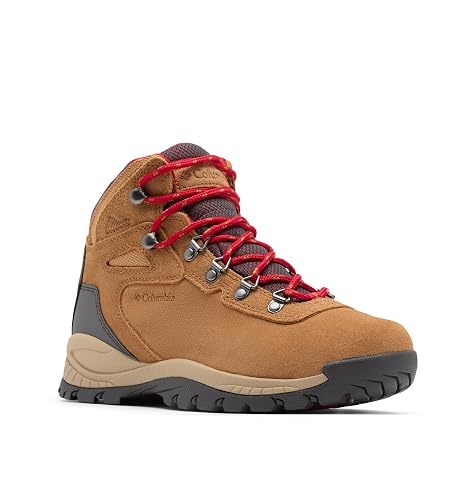
The Newton Ridge Plus is technically a hiking boot, not a jacket, so it earns its slot by rounding out a wet-weather kit from the ground up. Pairing a rain shell with waterproof footwear keeps both your upper body and your feet dry when trails turn into puddles, and Columbia’s Newton Ridge Plus handles the boot side of that equation.
For cold-weather hikers, this boot extends trail comfort into late fall and early spring outings where wet socks ruin a hike faster than a damp jacket. Depending on your typical terrain, you may find the mid-cut support useful for ankle-heavy trails with loose rock. It is a complement to the shells above, not a replacement.
The Helpful Details
- Waterproof build keeps feet dry through stream crossings and wet grass
- Mid-cut design adds ankle support on uneven, rocky terrain
- Durable construction suited to regular trail mileage
- Matches the wet-weather focus of the jackets in this list
Potential Drawbacks
- Not a jacket, so it does not directly address the core rain-shell question
- Heavier than a trail runner, which matters on long, fast-paced days
- Break-in period is commonly reported, so wear them around before a big trip
Who It Suits Best
Hikers building a full wet-weather kit and women who prefer supportive boots on rugged, rain-prone trails.
Skip It When
You only need a rain jacket for now, in which case the Columbia Women’s Arcadia II Jacket is the more direct answer.
What Matters Most Before Choosing Lightweight Rain Jackets For Hiking
Understand Waterproof Vs Water-Resistant
Waterproof means the fabric stops water from passing through, usually with a membrane and seam-sealed construction (taped stitching lines that block leaks). Water-resistant means the fabric sheds light moisture but eventually soaks through in steady rain. Picking the wrong level leaves you damp in real weather, so match the label to your climate.
Match Weight To Pack Space
Ultralight packers prize sub-six-ounce shells, but those thin fabrics wear faster and run clammier. Heavier shells last longer and vent better, though they eat more room in your pack. Most day hikers land in the middle, around ten to fourteen ounces, for a workable balance.
Check Venting And Breathability
Waterproof-breathable membranes push interior sweat outward, which keeps you drier on climbs. Pit zips and back vents add manual cooling when output spikes. For warm, humid hikes, vents matter more than for cool, dry climates.
Think About Fit And Layering
A shell should fit over your base layer and a light fleece without binding your shoulders. Too tight and you cannot layer; too loose and wind whips through. Women’s-specific and men’s-specific cuts handle hip and chest proportions differently, so trying on with your usual mid-layer helps.
Smart Choices To Make Before You Buy
Common Buying Traps
The biggest mistake is trusting a “waterproof” label without checking for seam-sealing, which is where most leaks start. Another trap is choosing a fashion-oriented shell with thin fabric that fails after one season of brush. You may also find that ultralight emergency shells feel fine on a sunny day and miserable on a wet one.
Where The Extra Money Goes
Premium shells typically buy better membranes, taped seams, sturdier face fabric, and smarter patterning. Those upgrades show up as longer garment life, drier interiors, and more comfortable fits. For casual users, the basic tier is plenty. For hikers logging wet miles weekly, the upgrade pays off in fewer surprises and longer-lasting gear.
Frequently Asked Questions
Are waterproof jackets always better than water-resistant ones?
Not always. Waterproof jackets handle heavier rain but run less breathable. Water-resistant shells breathe better and suit short, light-weather outings, while waterproof shells suit longer wet trails and tougher storms.
How heavy should a lightweight hiking rain jacket be?
Most hikers land between ten and fourteen ounces for a balanced shell. Ultralight setups often drop below eight ounces, accepting shorter fabric life and thinner membranes for less pack weight.
Can I use a softshell as my main rain layer?
Softshells handle drizzle and wind very well but soak through in steady rain. For trails with real downpours, pair a softshell with a packable waterproof shell, or carry one as a backup.
How do I keep a rain shell from feeling clammy?
Pick a waterproof-breathable membrane and use pit zips or front zippers to dump heat. Avoiding cotton base layers also helps, since cotton traps sweat against your skin and amplifies that clammy feeling.
How long do lightweight rain shells usually last?
With regular trail use, most quality lightweight shells last several seasons before the DWR (durable water repellent) coating fades and seams weaken. Re-treating the face fabric and storing the jacket dry extends its lifespan considerably.
Wrap Up
The right lightweight rain jacket depends on the climate you hike in and how fast you move. Casual walkers can get by with a soft, water-resistant pullover, while committed three-season hikers benefit from a fully seam-sealed shell with breathability. Pair the jacket with supportive waterproof footwear on cold, wet days, and your kit covers you from head to toe. Pick the option that matches your typical trail, and the rain becomes scenery rather than a problem.