
A great hiking boot earns its keep the moment you hit an uneven trail with a loaded pack. This roundup focuses on footwear that balances traction, support, and all-day comfort for the way most people actually hike. You’ll find trail-ready low-profile shoes, cushioned waterproof mid-cuts, and one merino sock upgrade worth adding to your kit.
A Side-By-Side Look
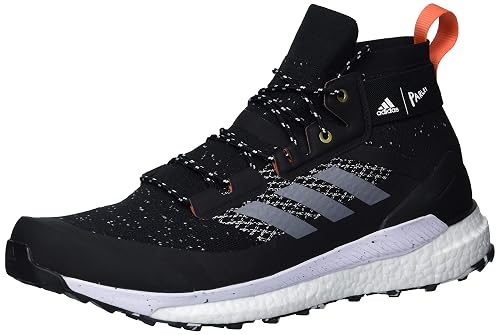
adidas Men’s Terrex Free Hiking Shoe
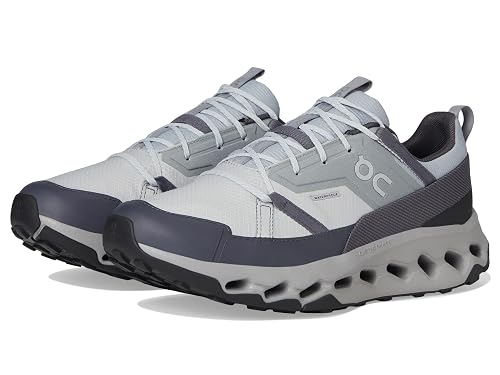
On Mens Cloudhorizon Waterproof
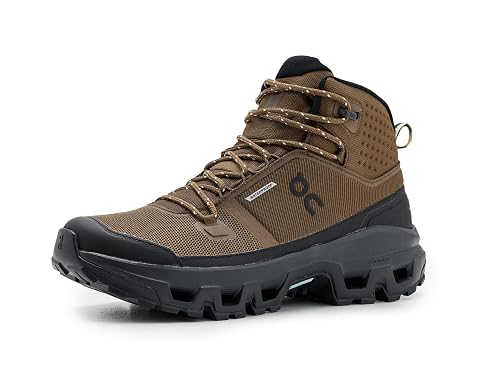
On mens Cloudrock Mid Waterproof


Niorasen Merino Wool Hiking Crew Socks
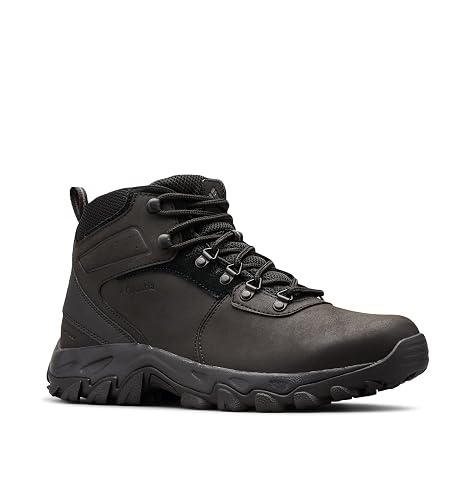
Columbia Men’s Newton Ridge Plus II Waterproof
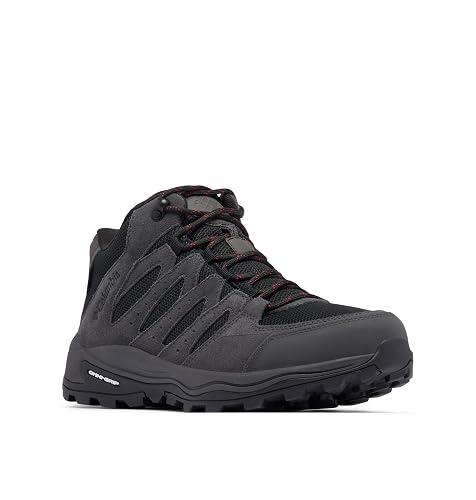
Columbia Mens Redmond IV Mid Waterproof
The Details Behind The Selections
Lightweight and athletic, the Terrex Free leans into trail-runner territory rather than a burly backpacking boot. It’s the kind of shoe that disappears on your foot once you settle into a rhythm on packed dirt or well-maintained paths.
Compared to the heavier waterproof picks later in this roundup, the Terrex Free trades weather sealing for breathability and quick drying. Day hikers who rack up miles on groomed trails and want a shoe that handles like a runner will appreciate the lower stack height and flexible feel.
What Makes Sense
- Lightweight construction reduces foot fatigue on long day outings
- Low-profile design keeps agility for technical foot placement
- Breathable build helps prevent overheating in warm conditions
- Familiar adidas fit for those who already know the brand’s sizing
Trade-Offs Worth Weighing
- Minimal weather sealing means wet feet in heavy rain or stream crossings
- Low-cut collar offers little ankle protection on rocky side-hilling
- Owners commonly report the thin upper scuffing on sharp granite
Feature Card
Right Fit For
Trail runners and fast hikers logging miles on groomed or moderate singletrack who want a barely-there feel.
Skip It When
The On Mens Cloudhorizon Waterproof suits you better for wet-weather routes where you need plush cushioning and a waterproof membrane.
The Cloudhorizon brings On’s signature CloudTec cushioning (a system of hollow pod-shaped elements on the outsole that compress on impact) to a waterproof hiking platform. It’s a road-to-trail crossover with serious comfort cred.
Where the Terrex Free trades weather protection for agility, the Cloudhorizon leans into plush feel and a sealed construction. Hikers prone to sore joints or anyone covering big elevation days on wet ground should find the cushioning welcome.
Where It Delivers
- CloudTec outsole softens landings on rocky descents
- Waterproof build handles puddles, dew-wet grass, and light rain
- Roomy toe box helps on long downhills where feet swell
- Familiar On ride feel for runners crossing into hiking
Honest Caveats
- Cushioning stack adds weight compared to the Terrex Free
- Deep lugs can collect mud on clay-heavy trails
Made For
Hikers with creaky knees tackling wet, variable terrain who want maximum cushioning underfoot.
Swap It Out When
The On mens Cloudrock Mid Waterproof is the better call for routes carrying a heavier pack where ankle support matters more than plush feel.
The Cloudrock Mid steps up from the Cloudhorizon with a higher collar that wraps the ankle. It’s On’s take on a supportive mid-cut hiker that still keeps the brand’s trademark soft ride.
Building on the cushioning theme of the previous pick, this model adds torsional stability and a stiffer platform for loaded days. Backpackers carrying 20+ pounds or anyone tackling uneven, rocky ground should feel the difference on side-slopes and loose scree.
Features That Help
- Mid-cut collar stabilizes ankles on uneven ground
- Waterproof membrane keeps feet dry through wet brush
- Missiongrip-style outsole grips loose and rocky surfaces
- Stiffer midsole platform handles modest pack weights
Factors To Consider
- Higher stack trades ground-feel for comfort
- Reduced breathability compared to non-waterproof trail runners
- Mid-cut collar adds break-in time for some foot shapes
Feature Card
Who Should Grab It
Day hikers and light backpackers who want the cushioning of the Cloudhorizon plus ankle security for rougher routes.
Not Your Match When
The Columbia Men’s Fairbanks Low is a smarter pick for casual walkers on easy, dry trails who don’t need waterproofing or mid-cut support.
The Fairbanks Low delivers a leather upper with the kind of trail-ready construction Columbia has built its reputation on. It’s a traditional hiking shoe with suede accents and a breathable mesh webbing structure for ventilation.
The Techlite midsole (Columbia’s proprietary EVA foam compound tuned for lightweight cushioning) and Omni-Grip outsole (a multi-terrain rubber tread pattern designed for varied surfaces) handle everyday trail duty. New hikers who want a familiar leather boot feel without spending premium money will find the value proposition strong here.
Points In Its Favor
- Suede leather upper offers durable everyday wear
- Techlite midsole provides lightweight cushioning
- Omni-Grip outsole handles mixed trail surfaces
- Low-cut collar keeps things versatile for casual use
Things To Consider
- No waterproof membrane specified in this configuration
- Suede requires occasional cleaning to maintain appearance
- Less aggressive tread than dedicated off-trail hiking boots
Feature Card
Best Suited To
New hikers and casual trail walkers who want a leather boot look and feel without stepping up to premium pricing.
Look Elsewhere When
The Columbia Men’s Newton Ridge Plus II Waterproof is the stronger pick when you need a sealed membrane for soggy trails.
A great hiking boot deserves a great sock, and merino wool remains the gold standard for moisture management on the trail. Niorasen’s crew-length sock features a seamless toe design (knit without a bulky seam at the toe box) that helps reduce friction.
This pick shifts focus from footwear to the layer underneath. While the previous items all carry your weight over the trail, the sock manages the sweat, friction, and warmth that decide if your feet hold up over ten miles.
Why It Works Well
- Merino wool naturally resists odor on multi-day trips
- Moisture-wicking knit keeps feet drier than cotton
- Thick cushioning absorbs impact on rocky terrain
- Multi-pair pack value for replacing worn socks
Practical Considerations
- Thicker cushioning may feel warm in summer heat
- Merino requires gentler washing cycles than synthetic socks
Feature Card
Whose Shelf It Belongs On
Anyone building a hiking kit who wants the comfort upgrade that merino brings to any boot in this roundup.
Another Choice May Suit
The adidas Men’s Terrex Free Hiking Shoe is a better single-item buy when you need the footwear itself rather than an accessory upgrade.
The Newton Ridge Plus II is Columbia’s long-running waterproof workhorse. It sits in the boot-shaped middle ground between athletic trail runners like the Terrex Free and burly backpacking boots.
Compared to the Fairbanks Low, this model adds a waterproof membrane and a more supportive build for rougher terrain. Day hikers who hit muddy spring trails or snowy shoulder-season paths will appreciate the sealed construction.
Good Reasons To Consider
- Waterproof membrane handles wet grass, mud, and shallow streams
- Mid-cut silhouette supports ankles on rocky descents
- Durable construction stands up to regular trail use
- Time-tested design refined over multiple iterations
Where It Is Less Suited
- Heavier than low-cut trail runners
- Waterproofing reduces breathability in warm weather
Built With In Mind
Day hikers in wet climates who want a reliable waterproof boot at a sensible spend level.
Where Another Pick Suits Better
The On Mens Cloudhorizon Waterproof fits better for hikers prioritizing plush cushioning over traditional boot structure.
The Redmond IV Mid rounds out the list with a waterproof mid-cut build that handles wet trails and uneven ground. Columbia positions it as an all-terrain boot for hikers who don’t want to overthink their footwear choice.
Compared to the Newton Ridge Plus II reviewed just above, the Redmond IV Mid leans toward a slightly more athletic profile. It’s a sensible choice for hikers who want mid-cut ankle security without committing to a heavier backpacking boot.
A Few Strong Suits
- Waterproof construction keeps feet dry across varied conditions
- Mid-cut collar provides ankle stability on uneven terrain
- Available in multiple colors and sizes for fit flexibility
- Durable build suited to regular trail use
- Versatile design transitions from trail to casual wear
Worth Bearing In Mind
- Heavier than low-cut options for fast-pace hiking
- Break-in period may be needed for some foot shapes
- Less specialized than premium models for technical terrain
Feature Card
Perfect Match For
Everyday hikers who want a do-it-all waterproof mid-cut boot without stepping into premium pricing territory.
A Better Fit Elsewhere
The On mens Cloudrock Mid Waterproof is the stronger choice when you want premium cushioning tech built into the mid-cut format.
What To Weigh Before Choosing Your Next Boot
Matching Cut To Trail Demands
Low-cut hiking shoes like the Terrex Free and Fairbanks Low trade ankle support for agility. They suit well-graded trails, fast hikes, and anyone whose ankles have earned their trust. Mid-cut options like the Cloudrock Mid, Newton Ridge Plus II, and Redmond IV Mid add collar height that stabilizes on rocky side-hilling and uneven descents. Most day hikers land in this category as a safe middle path.
Waterproofing Trade-Offs
A waterproof membrane (a sealed inner layer that blocks water while letting some vapor escape) keeps feet dry in wet conditions but reduces breathability. The Cloudhorizon, Cloudrock Mid, Newton Ridge Plus II, and Redmond IV Mid all include this feature. If you hike in arid climates or stick to summer trails, a non-waterproof build dries faster and runs cooler.
Cushioning Versus Ground Feel
Plush cushioning like On’s CloudTec softens long days and protects joints on descents. Thinner, more flexible midsoles like the Terrex Free offer ground-feel that helps with foot placement on technical terrain. Your hiking style, joint health, and pack weight all point toward one side or the other.
Sock Layering As Part Of The System
Your sock choice affects blister risk as much as your boot choice. Merino wool options like the Niorasen crew sock manage moisture and odor across multi-day trips. Pairing a quality sock with the right boot completes the system.
Key Considerations Across These Picks
Mistakes Worth Dodging
A common slip-up is choosing boot style by looks alone rather than trail demands. A low-cut athletic shoe on a rocky, loaded trip leads to ankle rolls, while a heavy waterproof boot on a summer desert trail leads to blisters from trapped sweat. Match the cut and waterproofing to the conditions you actually hike in, not the conditions you imagine.
The Upgrade Payoff
Higher-tier models like the Cloudhorizon and Cloudrock Mid add refined cushioning systems and premium materials that justify their cost for frequent hikers. Weekend walkers covering easy trails rarely need that technology. The upgrade pays off most when you’re logging long days, carrying weight, or nursing joint issues that benefit from extra cushioning support.
Frequently Asked Questions
How Should Mens Hiking Boots Fit?
A proper fit leaves about a thumb’s width of space at the toe for downhill travel and keeps the heel locked without slipping. Try boots on at the end of the day when feet are slightly swollen for the most accurate sizing.
Do You Need Waterproof Hiking Boots?
Waterproof boots help in wet climates, snow, and shoulder-season mud. They run warmer and dry slowly if water enters from the top, so hot, dry climates often favor breathable non-waterproof options.
How Long Do Hiking Boots Last?
Rotational use and trail conditions drive lifespan more than time alone. Casual hikers often get several seasons from quality boots, while daily trail users may wear through outsoles and midsoles sooner. Inspect tread depth and midsole compression regularly.
Can Trail Running Shoes Work For Hiking?
Lightweight trail runners like the Terrex Free handle well-graded trails and moderate distances well. They lack the ankle support and protective build for rocky, technical routes or heavy pack loads.
How Important Are Hiking Socks?
Socks matter as much as boots for blister prevention and comfort. Merino wool manages sweat and cushions better than cotton, making a quality sock a worthwhile companion to any boot on this list.
Bottom Line
The right hiking boot matches your typical trails, climate, and stride rather than chasing the most technical option available. Runners transitioning to trails will find the Terrex Free familiar, while wet-weather hikers get real value from the Cloudhorizon or Newton Ridge Plus II. Build around what your feet actually face, and the rest of the kit falls into place.