
Mens hiking sandals have a way of dividing people. Some swear by closed-toe trail designs, others prefer open strappy builds for stream crossings and summer canyon hikes. Either way, the right pair makes hot-weather hiking feel less like punishment and more like an actual good time. This lineup focuses on real trail conditions: rocky terrain, wet rocks, long days under a pack, and the occasional river crossing.
A quick note before diving in: a hiking sandal is a specialist tool, not a replacement for a hiking boot. Look for traction, foot protection, secure straps, and a footbed that handles sweat without going slick. The five picks below each handle a different version of that brief.
A Quick View Of The Lineup
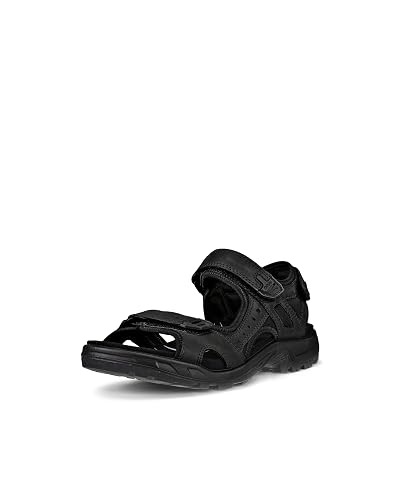
ECCO Women’s Yucatan Sport Sandal

Scott Hawaii Manoa Men’s Slipper
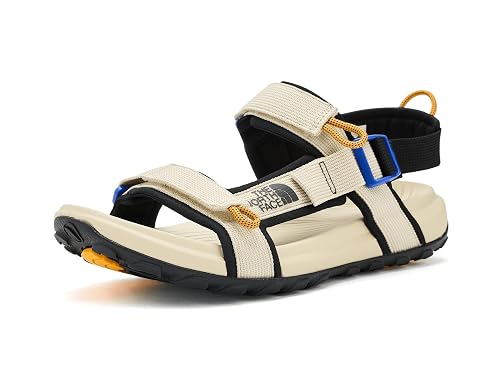
The North Face Men’s Explore Camp Sandal
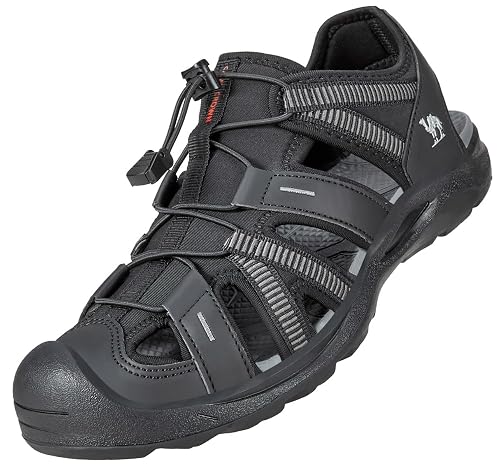
CAMEL CROWN Closed-Toe Hiking Sandal
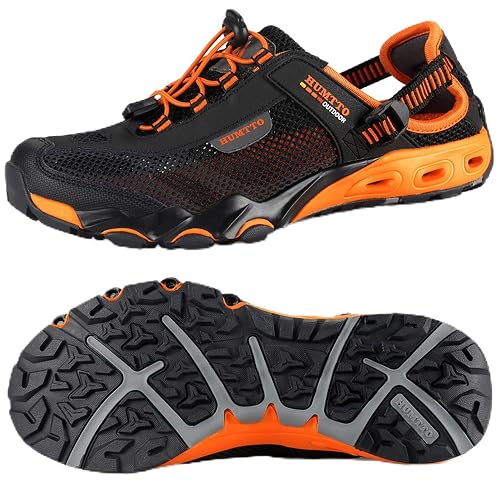
HUMTTO Men’s Amphibious Water Shoes
A Closer Look At Each Pick
The ECCO Yucatan is one of those sandals that feels immediately comfortable out of the box, which matters on long trail days when there’s no time to break in new gear. The three-strap design lets you dial in fit across the forefoot, instep, and ankle, so the sandal stays put on descents without pinching across the top of the foot.
For hikers who log weekend miles on established trails and want a sandal that can handle creek-side rest stops without falling apart, the Yucatan lands in a comfortable middle ground. It’s not as burly as a closed-toe water hiker like the CAMEL CROWN, and it isn’t built for serious river work, but for hot-weather day hikes the build quality is hard to beat.
Where It Helps
- Three adjustable points let you fine-tune fit for narrow or wider feet, reducing the hot spots that ruin long hikes.
- The molded footbed (the contoured inner sole that supports the arch) softens impact on rocky terrain without feeling squishy.
- Aggressive rubber outsole grips well on dry rock, packed dirt, and moderate inclines.
- Open design dries fast after stream crossings or sweaty climbs.
Worth Noting
- No toe coverage, so sharp rocks and trail debris can catch the front of the foot on rougher paths.
- Premium pricing puts it above most budget options; for casual wear, the extra cost may not feel justified.
Who It Suits Best
Day hikers with a few seasons of trail time who want comfort and adjustability over rugged protection.
Consider Something Else When
You need a sandal for serious water crossings or rocky off-trail travel, in which case the CAMEL CROWN Closed-Toe Hiking Sandal handles that workload better.
The Scott Hawaii Manoa blurs the line between a slipper and a trail sandal, and that’s actually the point. The neoprene-lined strap (a soft, stretchy synthetic that sits against the skin without rubbing) feels gentle on bare feet, while the rugged outsole tread suggests the brand expects you to wear these somewhere rougher than a pool deck.
This is a sandal for people whose idea of a hike includes a boardwalk, a campground loop, or a short walk to the lake, and whose feet punish them for skipping arch support. The arch contouring is meaningful, not decorative, which makes a real difference if you stand or walk on hard surfaces for hours.
Standout Benefits
- Neoprene strap lining prevents the chafing that cheap rubber straps cause during long wear.
- Built-in arch support helps hikers with flat feet or plantar discomfort stay comfortable past the first hour.
- All-terrain tread grips well on dirt, gravel, and wet pavement around campsites.
Trade Offs
- Not a serious backcountry sandal, so don’t expect the foot protection of a closed-toe design on sharp terrain.
- Heel strap style may feel loose for hikers who prefer a fully locked-in fit on technical ground.
Made For
Campers, casual trail walkers, and anyone with arch sensitivity who wants slipper-level comfort in a grippier package.
Not Your Match When
You need a sandal for fast-moving water or technical descents, in which case the HUMTTO Men’s Amphibious Water Shoes handles those conditions more confidently.
The North Face name carries weight in the outdoor world, and the Explore Camp Sandal earns some of that reputation through build choices aimed at real trail use. The design borrows from sport-sandal architecture (the supportive heel cup and strap geometry borrowed from running shoes) while keeping an open, breathable upper for hot conditions.
For hikers who want a recognizable outdoor brand and a sandal that handles the walk from car to campsite to trailhead, the Explore Camp fits the brief. It’s a step up from a basic slide in terms of foot security, but it isn’t trying to compete with closed-toe water specialists.
Useful Touches
- Heel cup cradles the foot for better stability on uneven ground compared to flat slipper-style sandals.
- Brand backing suggests consistent quality control and accessible replacement parts through standard channels.
- Versatile enough to wear around camp, on the trail, and in casual settings without looking out of place.
- Quick-drying materials handle splashes, puddle crossings, and sweaty days without staying soaked.
Points To Keep In Mind
- Open-toe design offers no protection against roots, rocks, or trail debris on rougher paths.
- Source data lists limited feature details, so confirm current strap configuration and outsole compound on the product page before committing.
- Higher price tier than budget options, though typically justified by brand standards and material quality.
Best Suited To
Brand-conscious outdoor enthusiasts who want a versatile camp-to-trail sandal for moderate terrain.
A Better Fit Elsewhere
For water-heavy routes where toe protection matters, the CAMEL CROWN Closed-Toe Hiking Sandal is the stronger call.
The CAMEL CROWN brings something the rest of this list skips: a closed toe box. That single design choice changes what the sandal can do, because your toes are now protected from rocks, roots, and the occasional drop-kicked camp chair. For hikers who move through rough terrain but still want airflow, this is the practical compromise.
On wet trails and shallow water, the closed-toe design earns its keep. The sandal handles creek crossings, muddy sections, and beach-to-trail transitions without the panic of an open-toe design. It won’t replace a wet-weather hiking boot, but for three-season adventures that include water, it’s a sensible tool.
The Upside
- Closed toe protects against stubs, rock kicks, and trail debris that open sandals can’t handle.
- Water-ready construction works for stream crossings, beach hikes, and rain-soaked trails.
- Adjustable straps across the forefoot, midfoot, and heel allow precise fit tuning.
- Price point sits well below premium options, making it accessible for occasional hikers.
Small Caveats
- Closed-toe construction runs warmer than fully open sandals, so airflow in extreme heat is more limited.
- Build quality reflects the budget tier; heavy backpackers may notice faster wear on outsole lugs (the gripping treads on the bottom) over multi-season use.
Right Fit For
Budget-focused hikers who tackle mixed terrain with water crossings and want toe protection without buying a boot.
Skip It When
Your hikes stay dry and you value maximum ventilation, in which case the ECCO Women’s Yucatan Sport Sandal breathes noticeably better in hot conditions.
The HUMTTO sits at the amphibious end of the hiking-sandal spectrum, built specifically for routes that involve water. The quick-drying construction and closed toe make it a strong fit for river hiking, lake-shore scrambles, and any trail where submerged rocks are part of the plan.
For hikers who treat water crossings as a feature rather than an obstacle, this sandal delivers practical performance. The non-slip outsole compounds confidence on wet rock, and the lightweight build won’t drag you down when the trail turns into a swim.
Good Reasons To Consider
- Quick-drying materials shed water fast, so the sandal doesn’t stay waterlogged after crossings.
- Closed toe and reinforced upper protect against underwater rocks and submerged debris.
- Non-slip outsole (a rubber bottom designed to grip slick surfaces) provides meaningful traction on wet stone and algae-covered surfaces.
- Lightweight construction reduces fatigue on long water-heavy routes.
- Versatile enough for kayaking put-ins, beach days, and casual lake wear beyond hiking.
A Few Limitations
- Less supportive footbed than the ECCO Yucatan or Scott Hawaii Manoa for dry-trail day hikes.
- Construction prioritizes water performance over long-term durability on abrasive rock terrain.
Who Should Grab It
Water-focused hikers, kayakers, and anyone who spends more time in and around streams than on dry ridge walks.
Look Elsewhere When
Your trail time stays mostly dry and you want a more cushioned footbed for long days, in which case the Scott Hawaii Manoa Men’s Slipper delivers noticeably more comfort underfoot.
What Matters Most Before Choosing Mens Hiking Sandals
Match the Sandal to the Terrain
Trail conditions dictate more about sandal choice than any spec sheet. Dry, well-maintained paths reward open designs like the ECCO Yucatan, where breathability and quick drying matter more than toe armor. Mixed routes with creek crossings and rocky stretches benefit from closed-toe options like the CAMEL CROWN or HUMTTO, which protect against the debris that open sandals can’t deflect. Picking a sandal based on your most common trail profile prevents the frustration of buying a specialist tool for a generalist route.
Prioritize Strap Security and Footbed Support
A sandal that slides around your foot is a sandal you’ll stop wearing. Look for three or more adjustment points (typically across forefoot, instep, and heel) and a contoured footbed that cradles the arch. The Scott Hawaii Manoa is a useful reference for what meaningful arch support feels like, while the ECCO Yucatan shows how multiple strap points keep the foot planted on descents. A good test: the foot should feel locked in without pressure points after twenty minutes of walking.
Weight and Pack Compatibility
Heavy sandals are fine for casual wear but punish hikers carrying loads over distance. Lightweight amphibious options like the HUMTTO make sense when ounces matter, while beefier builds make more sense for car camping and short trail days. If you’re transitioning from trailhead sandals to full-backcountry use, weight and pack balance become deciding factors.
Care and Long-Term Ownership
Quick-drying materials and removable footbeds extend sandal life considerably, since you can rinse and air them out after wet days. Sandals without removable footbeds tend to develop odor issues faster, especially in humid climates. Storing them dry and out of direct sunlight preserves both strap elasticity and outsole rubber over multiple seasons.
Key Considerations Across These Picks
Mistakes Worth Dodging
The most common slip-up in this category is choosing a sandal that looks right but solves the wrong problem. Open-toe designs look breathable and light, but they fail fast on trails with scree, roots, or sharp rock. Closed-toe water sandals feel protective, yet they run hot and stuffy on dry routes under direct sun. Match the sandal to your most common trail, not the occasional adventure you’re imagining. Also worth flagging: ordering based on looks alone leads to fit problems. Strap geometry and footbed shape vary more between models than the product photos suggest, so checking return options and sizing feedback matters before committing.
What The Higher Tier Buys
Premium mens hiking sandals earn their price through materials that hold up and engineering that protects your feet. A higher-tier pair typically delivers a more contoured footbed, better rubber compounds on the outsole, and strap systems that don’t loosen mid-hike. For casual wear, the upgrade rarely pays off. For hikers logging real miles with weight on their backs, the difference shows up in fewer hot spots, less foot fatigue, and a sandal that survives multiple seasons instead of one. The ECCO Yucatan is a good example of where premium construction translates into everyday trail comfort, while budget picks like the CAMEL CROWN make more sense for occasional use and entry-level hikers still learning what features matter most to them.
Frequently Asked Questions
Are mens hiking sandals actually good for long hikes?
For warm-weather day hikes on maintained trails, yes. The right sandal handles miles of dirt, rock, and moderate elevation without the heat buildup of a boot. For multi-day backcountry trips with heavy packs, a hiking boot still serves better because of ankle support and foot protection that sandals can’t match.
How do I pick the right size in hiking sandals?
Most hiking sandals fit true to size, but strap-heavy designs benefit from a half-size up if you plan to wear thicker socks or have a wider forefoot. The break-in period is shorter than boots, so a snug-but-not-tight fit at try-on usually translates to comfort on the trail.
Can hiking sandals handle water crossings?
Closed-toe amphibious designs like the HUMTTO handle repeated water crossings without issue. Open-toe options like the ECCO Yucatan can manage shallow crossings but take longer to dry and offer less toe protection. For routes with frequent or deep water, the closed-toe build is the safer call.
How long do hiking sandals typically last?
With regular trail use, expect two to four seasons from a quality pair before outsole wear or strap fatigue becomes noticeable. Budget models may show wear in a single season under heavy use, while premium options often outlast the casual hiker’s need for replacement.
Do hiking sandals work for backpacking?
Light packs under fifteen pounds on well-maintained trails are usually fine. Heavier loads or rougher terrain benefit from the ankle support and underfoot protection of a boot. Sandals work best for backpackers who prioritize weight savings and stick to moderate routes.
Bottom Line
Mens hiking sandals work best when matched to a specific use case rather than treated as a one-size-fits-all trail solution. The ECCO Yucatan wins on comfort for dry-trail day hikes, the CAMEL CROWN and HUMTTO handle water with confidence, the North Face Explore Camp offers versatile brand-backed construction, and the Scott Hawaii Manoa delivers arch support for sensitive feet. Match the sandal to the trail you actually hike, and the right pair will earn its place in your pack for seasons.