
Wet trails punish footwear that isn’t ready. Soggy socks, cold toes, and slick outsoles turn a planned loop into a miserable slog, and the wrong boot makes every puddle feel like a trap. This roundup looks at six options built to handle real rain, real mud, and real miles, covering everything from cushioned trail runners to full rubber pull-ons. Use it to match your terrain, your distance, and your tolerance for wet feet.
Your Options, Compared
On Cloudrock Mid Waterproof
Columbia Women’s Arcadia II Jacket
MUCK Originals Leather Duck Lace Boot
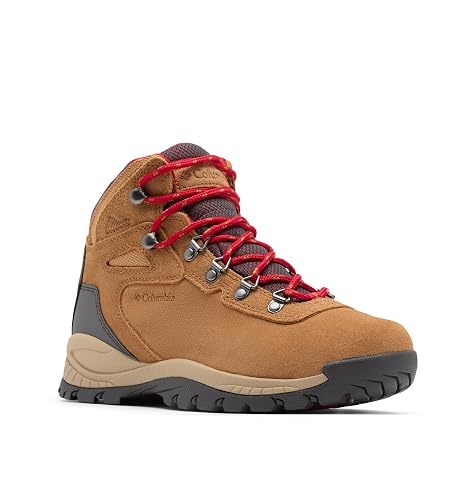
Columbia Newton Ridge Plus Waterproof Amped
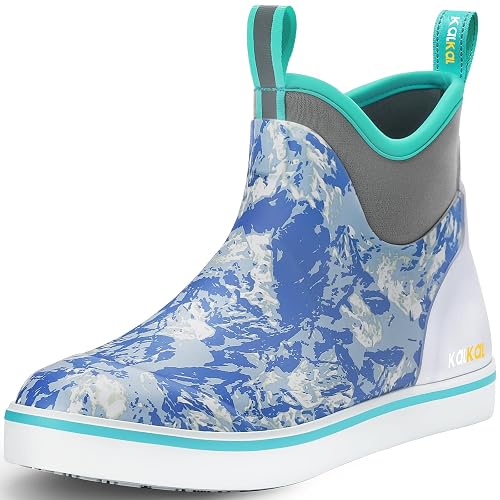
Kalkal Men’s Waterproof Deck Boots
More Details On Our Top Picks
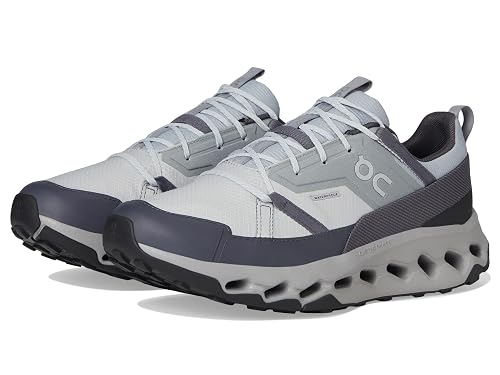
Low-cut hiking shoes that feel closer to a running trainer, the On Mens Cloudhorizon Waterproof is built for hikers who want cushion and weather protection without the bulk of a full boot. The CloudTec Phase sole geometry uses a series of hollow pods that compress on landing and lock on push-off, which in practice softens rocky terrain and reduces foot fatigue on long downhill stretches.
For most day hikes in steady rain, the waterproof construction handles puddle crossings and wet grass without the soaked-sock effect. You may find the low-cut collar lets in debris and side-splashed water on deeper mud, so this is a fair-weather-wet-trail shoe rather than a swamp stomper.
The Upside
- Generous cushioning makes multi-hour walks far easier on your joints.
- Waterproof membrane keeps light rain and wet grass from soaking through fast.
- Lightweight build reduces leg fatigue on long climbs and descents.
- Running-shoe-like fit works well for hikers with narrower feet.
Things To Consider
- Low-cut collar offers little protection against deep mud or water above the ankle.
- Mesh-upper areas can take a while to dry if you push through saturated terrain.
- Less supportive than mid-cut options like the On Cloudrock Mid Waterproof for heavy packs.
Key Specs
Right Fit For
Hikers covering moderate distances in variable conditions who prefer the agility of a trail-running shoe over the structure of a boot.
Skip It When
You need serious ankle support and deep-mud defense, the On Cloudrock Mid Waterproof handles that profile better.
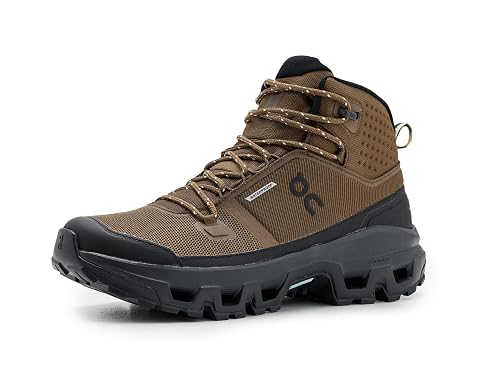
The mid-cut sibling to the Cloudhorizon, the On Cloudrock Mid Waterproof steps up with a taller ankle collar and a more aggressive stance. It targets mixed terrain where rocks, roots, and shifting ground demand more stability than a low-cut can provide. The waterproof build carries over from the line, aimed at single-day hikes in wet shoulder seasons.
Compared to the Cloudhorizon, the trade-off is added weight and a stiffer feel through the forefoot. For hikers carrying a daypack across rough, damp ground, that extra structure pays off in confidence on uneven footing.
What Helps Most
- Mid-cut collar stabilizes the ankle on uneven, rocky terrain.
- Waterproof construction handles stream crossings and steady rain.
- Missiongrip-style outsole pattern grips wet rock and loose dirt.
- More protective than the Cloudhorizon without the bulk of a traditional backpacking boot.
Trade Offs
- Heavier than a low-cut hiking shoe, which adds up over long miles.
- Stiffer forefoot may feel clunky to hikers used to trail runners.
Feature Snapshot
Whose Shelf It Belongs On
Hikers who want genuine ankle support for technical day hikes without committing to a heavy backpacking boot.
Consider Something Else When
Wet barns, gardens, and chores call for the MUCK Originals Leather Duck Lace Boot, which prioritizes full waterproofing over trail agility.
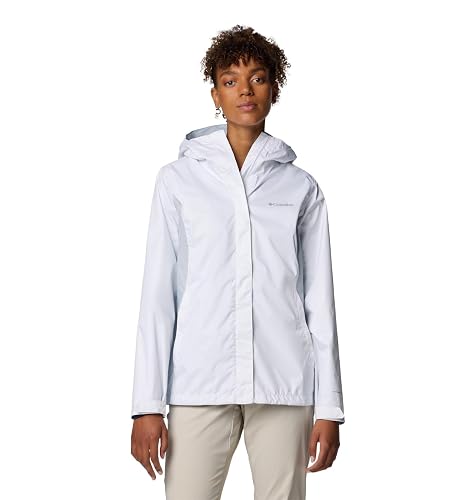
Boots get most of the attention, but a wet upper body wrecks a hike just as fast as wet feet. The Columbia Women’s Arcadia II Jacket is a nylon rain shell built to keep you dry during showers without weighing down your pack. It packs down small enough to live in a daypack until the sky opens up.
Layered over a fleece or base layer, it handles spring and fall rain on the trail comfortably. Depending on your local climate, you may find the breathability best suited to cool, breezy conditions rather than high-output summer storms.
Points In Its Favor
- Lightweight nylon shell that packs into a small stuff pocket.
- Waterproof and breathable build for active, wet-weather use.
- Adjustable hood and cuffs help seal out driving rain.
- Versatile enough for trail, commute, and travel use.
Honest Caveats
- Not insulated, so warmth depends entirely on your layers underneath.
- Lightweight face fabric can snag on sharp brush in dense undergrowth.
Who It Suits Best
Hikers who want packable rain protection to pair with a waterproof boot like the Cloudhorizon on damp day hikes.
Look Elsewhere When
You need warm insulation in addition to waterproofing, since the Arcadia II is a shell only and adds no heat of its own.
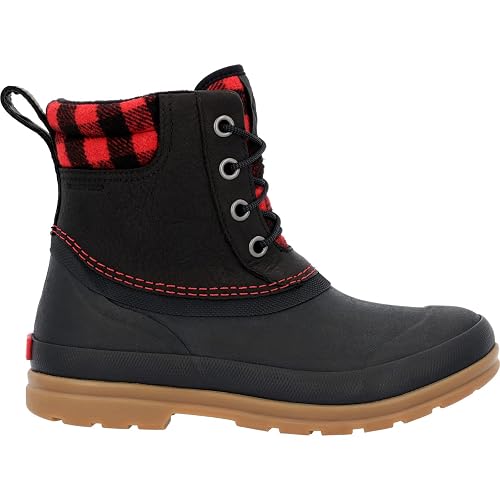
Where trail-focused boots chase weight savings, the MUCK Originals Leather Duck Lace Boot chases durability. The brand built its reputation on fully waterproof boots for messy outdoor work, and this lace-up model brings that heritage into a leather-upper format that looks at home on the farm, in the barn, or on a soggy morning walk.
The waterproof construction reaches well up the ankle, which matters when you’re stepping through muck, manure, or standing water. For trail hiking, the build is heavier and stiffer than the On boots, so it’s best understood as a chore boot first.
Notable Upsides
- 100% waterproof construction keeps water out in deep puddles and slop.
- Leather upper holds up to barn work, garden soil, and rough use.
- Taller ankle coverage blocks debris and splash-back effectively.
- Lace closure lets you tune the fit across the instep and ankle.
Points To Keep In Mind
- Heavier than a trail hiker, so it can tire legs on long walks.
- Leather requires occasional conditioning to stay flexible and water-resistant over years of use.
Feature Rundown
Feature Rundown
Built With In Mind
People who spend real time in wet, mucky outdoor environments like farms, barns, and gardens and want a boot that handles it all.
A Better Fit Elsewhere
For actual trail miles, the Columbia Newton Ridge Plus Waterproof Amped delivers a lighter, more hiking-specific build.
The Columbia Newton Ridge Plus Waterproof Amped sits in a familiar spot in the hiking world: a mid-cut leather boot aimed at entry-level and intermediate hikers who want a real boot without paying for premium materials. The construction mixes leather and synthetic panels, with a waterproof membrane inside to keep rain and stream splashes from seeping through.
On moderate trails, the boot feels supportive enough for daypacks and uneven ground. You may find it stiffer than a trail runner out of the box, so a few short walks before a long trip are worth scheduling.
Advantages To Know
- Mid-cut ankle support helps on rocky, root-covered trails.
- Waterproof membrane handles rain and shallow stream crossings.
- Durable construction suited to regular weekend use.
- Often priced below premium hiking boot options.
A Few Limitations
- Heavier than modern mesh-and-foam hiking shoes.
- Break-in period is common before the leather softens up.
Perfect Match For
Newer hikers and weekend trail walkers who want a supportive, weather-ready boot at a fair cost.
Where A Sibling Pick Shines
The On Cloudhorizon Waterproof is the smarter pick for speed-focused hikers who prefer a lighter, more athletic ride.
Pull-on rubber boots are a different beast from a hiking boot, and the Kalkal Men’s Waterproof Deck Boots lean into that purpose. The rubber construction keeps water out completely, which makes them a strong fit for wet decks, docks, boat launches, and garden work where the ground is more puddle than trail.
For hiking, the rigid build and lack of flex underfoot can feel clunky after a few miles. In exchange, you get a boot that’s easy to rinse off, hard to damage, and quick to slip on for a quick wet chore.
Everyday Perks
- Fully waterproof rubber build handles standing water with no seepage.
- High-traction outsole grips slick boat decks and wet grass.
- Pull-on design is fast to put on and take off.
- Easy to hose clean after muddy use.
Small Caveats
- Limited cushioning compared to foam-midsole hiking shoes.
- Not built for long-distance trail hiking or steep terrain.
Key Specs
Best Suited To
Boaters, gardeners, and anyone needing quick, easy wet-weather footwear for low-intensity tasks around water.
Swap It Out When
You actually plan to hike miles, the Columbia Newton Ridge Plus Waterproof Amped is built for that workload instead.
What To Weigh Before Picking Rain Hiking Boots
Waterproofing Type And Real Coverage
A waterproof membrane inside a boot, the inner liner that blocks water from passing through, handles rain, wet grass, and shallow crossings well, but it has limits. Once water pours over the collar, even the best membrane can’t keep up. Taller boots like the MUCK Originals protect higher up, while low-cut options like the On Cloudhorizon accept that trade-off in exchange for agility.
Cut, Support, And Terrain Match
Low-cut hiking shoes are fast and breathable but leave the ankle exposed. Mid-cut boots add stability for uneven ground and heavier loads, which matters on longer trails with a daypack. For trail hiking, the cut you choose often matters more than the brand on the side.
Weight, Cushioning, And Distance
Lightweight shoes are easier on long miles, but cushioning makes rocky terrain more forgiving. Foam-heavy midsoles, like the CloudTec in the On line, soften impact but add bulk. Match the build to your typical hike length, since a heavy boot over ten miles is a different beast than one used for a quick loop.
Outsole Grip On Wet Surfaces
Lug pattern (the deep grooves on the bottom of a boot) and rubber compound determine how a boot behaves on wet rock, mud, and roots. Aggressive, widely spaced lugs shed mud better; flatter patterns grip smooth surfaces like boat decks. Decide which surface you’ll hit most.
Where Shoppers Slip Up
Confusing Water-Resistant With Waterproof
Water-resistant fabrics shed light moisture but soak through in steady rain. For wet trails, a true waterproof membrane or rubber build is the safer pick, and pairing one with a rain shell like the Columbia Arcadia II Jacket covers the rest of you.
Choosing The Wrong Cut For The Trip
A low-cut shoe on a rocky, root-strewn trail with a heavy pack is a recipe for rolled ankles. A mid-cut boot on a flat lakeside loop is overkill. Match the cut to the terrain, not the marketing photo.
When Paying More Pays Off
Premium hiking boots and shoes usually earn the extra cost through lighter materials, better cushioning compounds, and more refined waterproof membranes. For occasional weekend hikes on easy trails, a value option like the Columbia Newton Ridge Plus handles the job. For longer days, heavier packs, or rougher terrain, the lighter, more cushioned On line earns its keep.
Frequently Asked Questions
Do I Really Need Waterproof Hiking Boots?
For trails with stream crossings, wet grass, or frequent rain, waterproofing keeps feet warm and blister-free far longer than water-resistant builds. In dry climates, lighter non-waterproof shoes breathe better and dry faster.
How Should Rain Hiking Boots Fit?
You want enough room to wiggle your toes with about a thumb’s width of space at the heel. Thick socks and downhill slides both demand a little extra volume, so try boots on with the socks you actually hike in.
Can I Use Rubber Rain Boots For Hiking?
Rubber boots handle short, flat, wet routes, but the rigid build tires your feet on longer or hillier trails. For real miles, a cushioned hiking shoe or boot is the better call.
How Do I Care For Waterproof Boots?
Brush off mud, let them air dry at room temperature, and treat leather uppers occasionally with a conditioner. Heat sources like radiators can break down waterproof membranes over time.
Are Mid-Cut Boots Better Than Low-Cut Shoes In Rain?
Mid-cuts add ankle support and block splashes, while low-cuts dry faster and weigh less. The right call depends on your terrain, pack weight, and tolerance for ankle exposure.
Closing Remarks
Rain hiking boots are a category where the right pick depends almost entirely on the trail in front of you. Match the cut, the waterproofing, and the weight to your usual terrain, and the rest takes care of itself. Any of these six can handle a wet day on the trail, and a few can handle a lot more than that.