
A good winter hike can fall apart at the feet long before your legs give out. Cold, damp socks turn a brisk trail into a miserable one, and a blister from poor cushioning ends the day early. The right pair of wool hiking socks pulls moisture away, holds warmth even when damp, and cushions the boot rub that snow, heavy packs, and rocky terrain all create.
You’re about to find picks for every kind of winter trail, from deep backcountry treks to quick local loops. Each pair below earns its place for a specific reason, and the buying guide after the picks breaks down what actually separates them.
A Quick View Of The Lineup
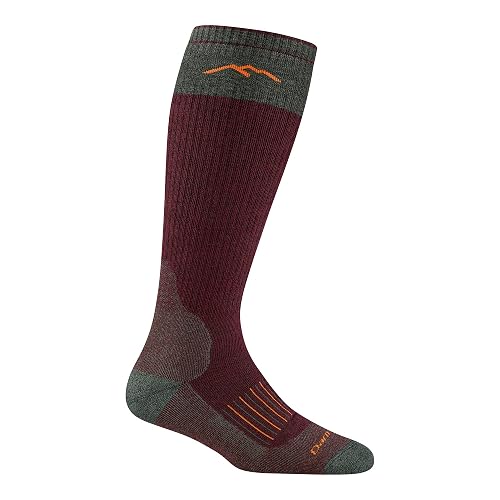
Darn Tough Vermont Women’s Over Calf Heavyweight Socks (2105)
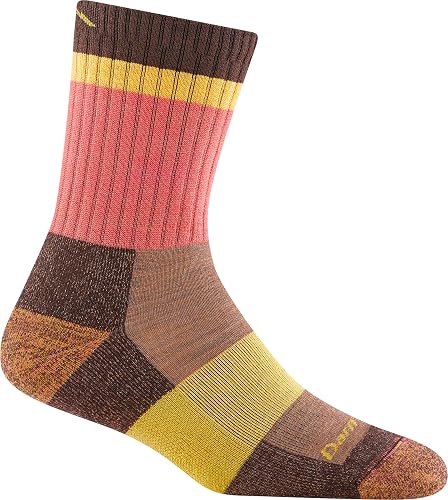
Darn Tough Vermont Women’s Heady Betty Micro Crew Sock
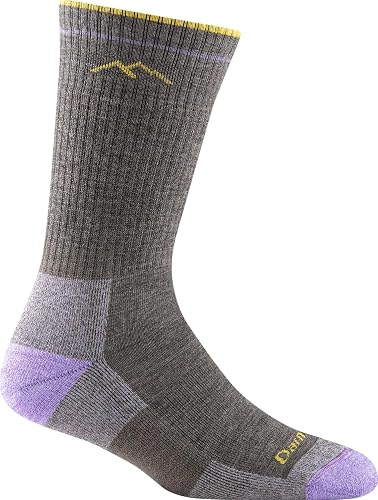
Darn Tough Women’s Hiker Boot Midweight Sock (Style 1907)

EBMORE Merino Wool Ankle No Show Socks (6 Pairs)

Time May Tell Merino Wool Cushion Hiking Boot Socks
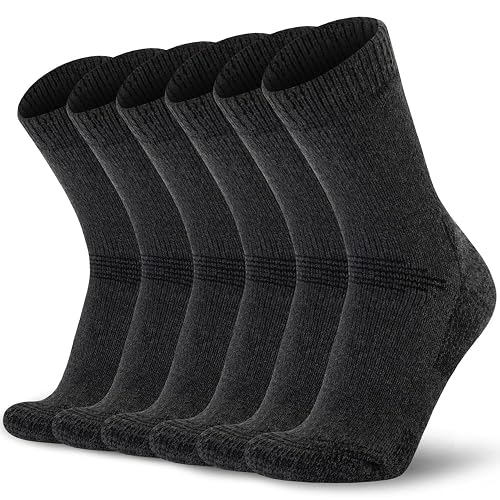
Time May Tell Merino Wool Hiking Boot Socks (Cushioned)
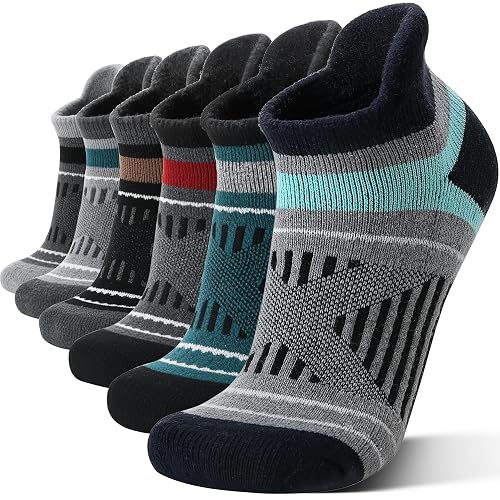
EBMORE Merino Wool Ankle Hiking Socks (6 Pairs)
Meet The Standout Selections
When the trail gets long and the temperature drops well below freezing, the Darn Tough Vermont Women’s Over Calf Heavyweight Socks (2105) step into a class of their own. The over-the-calf height covers most of the lower leg, sealing in warmth where deep snow and cold air usually find a way in. Compared to the lighter options further down this list, this pair is built for stationary sits and slow, cold climbs rather than fast movement.
Hunters, ice anglers, and backcountry skiers who stand around in the cold benefit most. The tall cuff layers neatly under a gaiter, and the dense cushion takes pressure off the shin where a stiff boot can press hard over a full day.
Positive Points
- Over-the-calf coverage protects the lower leg in deep snow or heavy gaiters.
- Heavyweight cushion absorbs boot pressure during long, load-bearing days.
- Merino wool blend manages sweat on the climb, keeping feet drier at the summit.
- Tall knit stays up without bunching, reducing pressure points along the calf.
Things To Consider
- Too warm for high-output pursuits in shoulder-season temperatures.
- Tall cuff may feel restrictive if your boots sit lower on the calf.
Right Fit For
Backcountry trekkers and stationary winter users who need serious calf coverage on sub-freezing days.
Skip It When
The Darn Tough Vermont Women’s Heady Betty Micro Crew Sock is a better match for fast hikers who run hot and only need light cushion.
The Darn Tough Vermont Women’s Heady Betty Micro Crew Sock is the kind of sock you forget you’re wearing, which is the highest compliment a hiking sock can earn. The micro crew height peeks just above a low hiking boot, and the lightweight build keeps feet from overheating on brisk but not bitter days. It’s the polar opposite of the heavyweight pair that opened this list, trading raw warmth for breathability and feel.
Cool-weather day hikers and fast movers who generate plenty of body heat will appreciate the design. It also works well for trail runners crossing into shoulder-season conditions where a tall sock would feel suffocating.
Bright Spots
- Lightweight knit prevents the swampy buildup common in winter boots.
- Low profile fits cleanly inside snug trail-running shoes.
- Light cushion underfoot softens impact without adding bulk.
Honest Caveats
- Not enough insulation for sub-freezing, all-day outings.
- Lower coverage leaves the upper ankle exposed to snow and debris.
Feature Snapshot
Whose Shelf It Belongs On
Active hikers and trail runners who move fast and run warm on cool-to-cold days.
Consider Something Else When
The Darn Tough Vermont Women’s Over Calf Heavyweight Socks (2105) suit backpackers standing still in deep cold far better.
The Darn Tough Women’s Hiker Boot Midweight Sock (Style 1907) lands right in the middle of the warmth spectrum, which is exactly why it works for so many people. The mid-calf boot height layers cleanly under a standard hiking boot, and the medium cushion protects the foot without turning the boot fit sloppy. It’s the safe, dependable choice between the lightweight Heady Betty above and the heavyweight over-calf option that opened the list.
Three-season hikers who tackle autumn ridges and winter trailheads alike will get the most use from this style. The seamless toe closure also makes it easier on wider feet where a thick seam can rub over a long day.
A Strong Showing
- Mid-level cushion density suits both trail walking and heavier pack loads.
- Seamless toe design reduces friction on long descents.
- Boot-sock height keeps cuffs clear of low-cut footwear rub points.
Trade Offs
- Not as warm as the heavyweight over-calf option for deep cold.
- Not as breathable as the lightweight micro crew for fast output.
- Several size and color options can make the right fit harder to confirm at a glance.
Quick Facts
Made For
Year-round hikers who want one sock to handle most conditions from autumn through early winter.
A Better Fit Elsewhere
The Darn Tough Vermont Women’s Over Calf Heavyweight Socks (2105) are the upgrade pick for anyone regularly hiking in deep cold.
The EBMORE Merino Wool Ankle No Show Socks (6 Pairs) take a different approach than the Darn Tough trio above, focusing on quantity and a low-profile fit. A six-pair pack means you can rotate through a week of training without doing laundry mid-trip, and the no-show ankle height stays hidden inside trail runners and low hikers. Merino wool still handles moisture and odor better than standard cotton gym socks.
Trail runners, casual walkers, and budget-focused shoppers who want wool performance without a premium tag get the most out of this set. The compression element also helps the sock grip the foot instead of slipping into the shoe.
What It Does Well
- Multi-pack format replaces socks as they wear out over a season.
- Low ankle cut suits trail runners and casual hiking shoes.
- Compression arch support stabilizes the foot during long walks.
- Wool blend holds warmth without the heavier boot-sock feel.
Points To Note
- No-show height leaves the ankle exposed to snow and trail debris.
- Thick cushioning can feel too warm in mild shoulder-season weather.
- Ankle socks are commonly reported to slip into the shoe on steep descents without a tall boot to hold them.
Best Suited To
Trail runners and casual hikers who prefer a low-profile sock and want a multi-pack value.
Not Your Match When
The Time May Tell Merino Wool Cushion Hiking Boot Socks are a smarter pick for anyone needing real boot-height coverage in snow.
The Time May Tell Merino Wool Cushion Hiking Boot Socks come from a brand built specifically around hiking footwear, and the design shows it. The boot height covers the calf, the cushion sits underfoot where boots tend to press hardest, and the wool blend handles moisture across changing trail conditions. Compared to the EBMORE ankle pack above, this pair trades the low-profile fit for proper boot coverage.
Casual winter walkers and weekend hikers who want wool comfort without paying top-tier prices will find a lot to like here. It’s a sensible middle-ground pick for people who already own a good pair of boots and just need socks that match.
Key Advantages
- Boot-height cuff seals out snow and debris at the ankle.
- Cushioned underfoot absorbs shock on rocky or root-covered trails.
- Merino blend balances warmth and breathability for varied winter days.
A Few Limitations
- Fewer cushion layers than a true heavyweight sock for deep cold.
- Several listing options can complicate finding the right size without trial.
Who Should Grab It
Casual winter hikers who want boot-height wool warmth at a friendly price point.
Look Elsewhere When
The Darn Tough Women’s Hiker Boot Midweight Sock (Style 1907) is the upgrade for hikers who log many miles and want longer-term durability.
The Time May Tell Merino Wool Hiking Boot Socks (Cushioned) build on the previous pair with reinforced wear zones aimed at serious trail abuse. The toe and heel use a tougher yarn blend, which is where most socks fall apart first when you log real mileage in stiff boots. The 80 percent merino blend pulls moisture off the foot and holds warmth even when conditions turn wet.
Mountaineering-style outings, snowshoe trips, and rugged winter trail days all play to this pair’s strengths. Anyone carrying a heavy pack over technical terrain will appreciate the extra reinforcement underfoot.
Where It Helps
- Reinforced toe and heel extend the sock’s working life on abrasive terrain.
- Higher merino content improves thermal regulation in cold, wet conditions.
- Cushioned knit reduces fatigue on multi-hour winter hikes.
Worth Bearing In Mind
- Bulkier knit may feel tight in low-volume shoes.
- More wool means slower drying times if the sock does get soaked through.
Right Fit For
Backpackers and snowshoers carrying weight over technical winter terrain.
Swap It Out When
The Darn Tough Vermont Women’s Over Calf Heavyweight Socks (2105) are the stronger pick for stationary cold exposure where calf coverage matters most.
The EBMORE Merino Wool Ankle Hiking Socks (6 Pairs) close out this list with a focus on foot support during long days on the trail. The compression knit hugs the arch and ankle, which helps the sock stay put on long descents when foot slippage creates blisters. A six-pair value pack means you can keep a fresh pair in every drawer of the gear closet.
Long-mileage hikers and people logging daily training walks benefit most. If your feet tend to swell on hot summer days and stay cold on winter mornings, a compression knit can hold the sock steady through both.
Strong Points
- Compression support keeps the sock locked in place during long efforts.
- Multi-pair format covers a full rotation through a busy training week.
- Thick cushion absorbs impact on pavement and hard-packed trail alike.
Practical Considerations
- Ankle cut leaves the lower leg exposed in deep snow.
- Compression feel may be too tight for hikers who prefer relaxed sock pressure.
- Owners commonly report the no-show cut slipping into low shoes without a heel grip.
Who Will Love This
Mileage hikers and daily walkers who want a supportive, replaceable sock at a manageable price.
Where Another Pick Suits Better
The Time May Tell Merino Wool Hiking Boot Socks (Cushioned) are a stronger match for winter hikers who actually need boot-height coverage in snow.
Choosing Winter Socks That Match Your Trail
Picking the right winter hiking sock starts with the conditions you’ll face most. A lightweight micro crew handles autumn ridges and cool shoulder-season days, while a heavyweight over-calf knit is essential for stationary cold, deep snow, and high altitudes where wind strips heat fast. Midweight boot socks land in the middle, covering the most ground for most hikers across most of the year.
Match The Height To Your Boot
Low hikers and trail runners pair well with no-show or micro crew socks, where any extra fabric just bunches. Standard hiking boots work best with boot-height socks that cover the ankle bone and seal out debris. Snow boots and mountaineering setups benefit from over-calf heights that protect the lower leg from snow and cold air.
Decide How Warm You Actually Run
Cushion level (lightweight, midweight, or heavyweight) drives warmth more than height does. Heavyweight socks add loft that traps air, but that loft also slows drying if the sock gets wet. Lightweight socks dry faster and breathe better but leave less margin in bitter cold. Midweight usually wins for most winter day hikes unless conditions are extreme.
Look At The Material Blend
Merino wool manages moisture and resists odor, while nylon and Lycra spandex add the strength and stretch that pure wool lacks. A blend with 50 to 80 percent merino balances warmth, breathability, and durability. Pure cotton, by contrast, holds moisture and is widely reported to cause blisters on longer winter outings.
Fit And Construction Matter
A seamless toe closure removes the ridge that often rubs on long descents. Reinforced heels and toes extend the working life of the sock on rocky trails. Compression arch bands keep the sock from sliding around inside the boot, which matters more in winter when damp feet slip more easily.
Key Considerations Across These Picks
Common Shopping Slip Ups
Many shoppers grab the thickest sock they can find and assume more warmth is always better. In practice, a sock that is too thick for the boot can restrict circulation and make feet colder, not warmer. Others buy cotton blends because they feel soft in the store, only to discover cotton holds sweat and turns cold fast on the trail.
Where The Extra Money Goes
Premium socks like the Darn Tough options in this list cost more up front, but the materials, seamless construction, and lifetime-backed durability tend to outlast cheaper pairs by several seasons. Higher merino content also handles odor better, which matters for backpackers rotating limited pairs on multi-day trips. For occasional winter day hikes, a value pack from EBMORE can be the smarter move without giving up wool comfort.
Frequently Asked Questions
How Often Should Winter Hiking Socks Be Washed?
Most wool hiking socks benefit from washing after every wear to prevent bacteria and odor buildup, especially on multi-day trips. A gentle machine cycle with cold water and a wool-safe detergent preserves the fibers far better than hot washes.
Can You Wear Two Pairs Of Socks For Extra Warmth?
Layering a thin liner under a thicker sock can reduce friction and add warmth, but two pairs that bunch or wrinkle create more blisters than they prevent. For most winter hikers, a single well-fitted merino blend sock performs better than a doubled-up setup.
How Long Do Merino Wool Hiking Socks Typically Last?
With regular winter use and proper washing, a quality merino blend sock commonly holds up across multiple seasons of weekend hikes. Heavier trail use, especially with stiff mountaineering boots, shortens that lifespan by wearing through the toe and heel first.
Are No-Show Socks A Bad Idea For Winter Hiking?
Low-cut socks leave the ankle exposed to snow, slush, and trail debris, which is a real problem below freezing. Boot-height and over-calf socks seal out the elements far better in serious winter conditions.
What Sock Thickness Works Best With Insulated Winter Boots?
Insulated winter boots need enough sock thickness to fill the boot without crowding the toes. A midweight merino blend usually fits well inside most insulated boots, while heavyweight socks pair better with roomier mountaineering shells.
Bottom Line
Winter hiking socks come down to matching height, cushion, and material to your typical conditions. Backcountry trekkers in deep cold get the most from the over-calf heavyweight option, while active day hikers will reach for the midweight boot sock or the lightweight micro crew far more often. Pick the pair that fits your trail, your boots, and your warmth tolerance, and your feet will thank you at the end of every hike.