
Summer trails punish the wrong pair fast. Damp cotton chafes within the first mile, and once sweat pools against skin, blisters show up before lunch. The fix is a wool-based hiking sock with a knit density tuned for warm-weather venting rather than the heavyweight insulation you’d grab for November. The four picks below cover different calf heights, cushion weights, and budgets, so you can match the sock to your trail rather than the other way around.
The Main Contenders
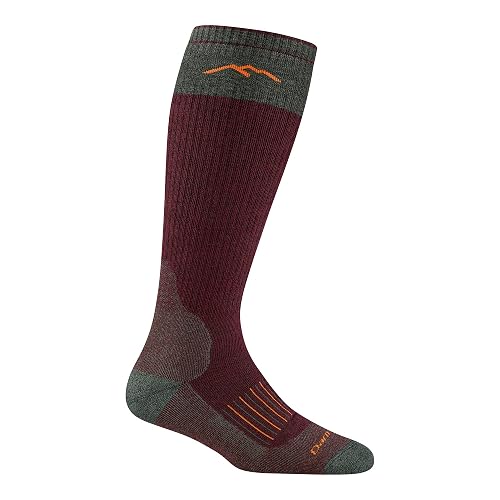
Darn Tough Vermont Women’s Over Calf Sock (2105)
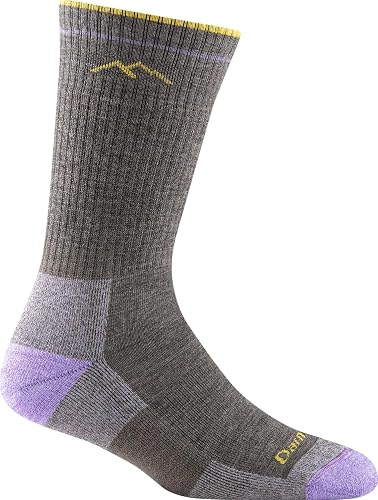
Darn Tough Women’s Hiker Boot Midweight Sock (1907)
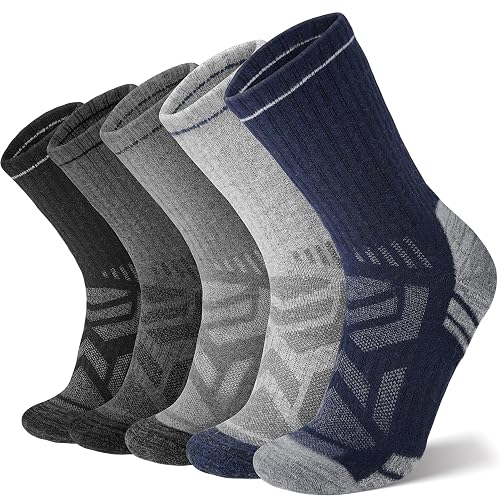
ANTSANG Merino Wool Hiking Socks
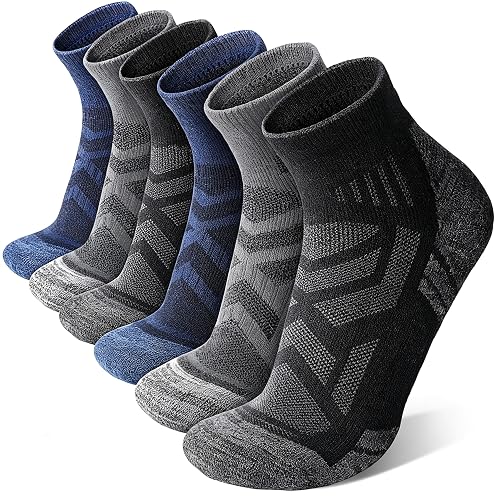
ANTSANG Merino Wool Quarter Ankle Socks
A Deeper Look At The Lineup
The Darn Tough Vermont Over Calf sits higher up the leg than any other pick in this roundup, which matters more than most shoppers expect. A taller cuff keeps grit, boot tongues, and trail debris from working their way down into your sock during long descents, and it adds a steady layer of cushion against the shin that pays off when you wear mid-cut hikers all day.
This sock runs heavier on cushion than the other Darn Tough midweight in the lineup, so it leans toward cool-morning trailheads and breezy ridgelines rather than valley-floor heat. If your summer hiking mixes high-elevation starts with warm afternoons, that heavier knit can run warm once the mercury climbs, so plan accordingly for the lower stretches.
Noteworthy Benefits
- Full terry-loop knit from cuff to toe gives even padding underfoot and against the shin
- Tall over-calf height blocks debris from slipping into the boot during long descents
- Merino-based blend pulls sweat off the skin and resists odor over multi-day trips
- Tough knit construction tends to outlast cheaper socks by several seasons of regular use
Honest Caveats
- The dense cushion adds warmth, so midday heat can feel noticeable on lower-elevation summer hikes
- Over-calf height fits best with taller boots, and may bunch inside low-cut trail shoes
- Heavier construction takes a bit longer to air-dry between wash cycles than thinner knits
Quick Facts
Made For
Hikers who start before sunrise, climb into cooler elevations, and want a tall sock that stays put through full-day outings.
Where Another Pick Suits Better
Reach for the Darn Tough Women’s Hiker Boot Midweight Sock (Style 1907) when summer trails run hot and you prefer a lighter knit at a lower cuff height.
The Darn Tough 1907 hits the middle of the road on every spec that matters: medium cushion density, a mid-calf boot height, and a fine-gauge knit that breathes better than the brand’s heavyweight option above. For most summer hiking conditions, this is the sock that disappears on your foot and lets you forget you ever thought about socks at all.
The real story here is construction. A seamless toe closure (Darn Tough calls it True Seamless) means the toe box feels smooth against your skin, and that detail matters more than people expect on long days. You’ll notice the difference on downhills, where any raised seam tends to rub against the boot lining after a few miles.
Points In Its Favor
- Midweight cushion keeps feet comfortable without overheating in warm conditions
- True Seamless toe reduces friction and pressure points during long descents
- Boot height covers the ankle and lower calf for added warmth and debris defense
- Knit tends to hold its shape after repeated wash cycles
- Made in the USA with a merino-rich blend suited to varied summer conditions
Trade-Offs To Consider
- Cushion density sits between the brand’s lightweight and heavyweight, so it’s not the roomiest option for tight-fitting shoes
- Mid-calf height can feel tall inside shorter hiking shoes
Who Will Love This
Hikers tackling varied terrain in mixed summer weather who want one sock that handles both warm afternoons and cooler mornings.
Skip It When
Pick the ANTSANG Merino Wool Quarter Ankle Socks instead if you prefer low-cut trail runners and want a sock that mostly stays out of sight.
The ANTSANG Merino Wool Hiking Socks slot in well for shoppers who want wool’s natural moisture management without the premium price of the Darn Tough pairs above. The brand markets a breathable knit for warm-weather use, and the unisex sizing covers a wide range of foot sizes for couples or families heading out together.
Compared with the heavier Darn Tough pairs in this roundup, this one runs lighter on cushion and material density. That’s a genuine plus for hot-weather hikes where excess padding traps heat, though it does mean less underfoot padding on rocky trails. You may find the thinner knit more breathable than expected on warm days, which is exactly what most summer hikers want.
Well-Handled Touches
- Merino wool construction manages sweat and odor during long summer hikes
- Breathable knit keeps feet cooler than dense, heavyweight alternatives
- Lower price point makes wool hiking socks affordable for casual hikers
- Unisex sizing covers a wide range of foot sizes
- Useful as a starter pair for newer hikers building out their kit
Worth Bearing In Mind
- Lighter cushion may feel thin on rocky or technical terrain
- Construction tends to wear out faster than premium pairs under heavy rotation
- Fit can run slightly looser than premium knit socks
Feature Card
Best Suited To
Casual summer hikers, weekend walkers, and newcomers who want wool’s moisture management without paying premium prices.
Look Elsewhere When
The Darn Tough Vermont Women’s Over Calf Sock (2105) makes more sense for hikers tackling multi-day routes who want a tougher knit and a taller cuff.
The ANTSANG Quarter Ankle lands as the lightest, most breathable option in this roundup. Quarter socks sit just above the ankle bone, which makes them a natural match for trail runners, low-cut hiking shoes, and fast summer walking where you don’t want extra fabric trapping heat around the lower leg.
The trade-off is straightforward: less cushion, less coverage. On a hot July trail day, that can feel like exactly the right call. On a rocky, technical route with sharp scree, you may miss the shin and ankle padding that taller boots demand.
What Pays Off
- Quarter height keeps the cuff out of the way in low-cut shoes
- Merino blend manages sweat in hot, dry summer conditions
- Lightweight knit reduces overall foot fatigue on long days
- Versatile enough to double as running or general outdoor socks
A Few Limitations
- Short cuff leaves the lower leg exposed to debris and boot-tongue rubbing
- Less underfoot cushion than the other picks here
- Not the right pick for mid- or high-cut boots that need taller coverage
Right Fit For
Trail runners and fast hikers in low-cut shoes who want the lightest, coolest wool sock in the lineup.
Consider Something Else When
The Darn Tough Women’s Hiker Boot Midweight Sock (Style 1907) is a better match for mid-cut boots and trails that demand extra calf coverage.
What Matters Most Before Choosing Socks For Summer Hiking
Fiber Choice Changes Everything
Merino wool manages summer foot climate better than cotton or synthetic blends because it pulls moisture off the skin and holds it in the fiber’s core, leaving the surface against your skin feeling drier. Synthetic socks dry faster but tend to hold odor more noticeably over multi-day trips. Cotton absorbs sweat and stays wet, which is a recipe for blisters within the first couple of miles. Most dedicated summer hiking socks use a merino blend with nylon for durability and a small amount of spandex for stretch.
Cushion Density And Calf Height
A heavier cushion adds comfort on rocky trails but traps warmth in summer. Midweight knits split the difference and suit most conditions. Calf height should match the boot: over-calf pairs pair with tall hikers, mid-calf pairs fit most mid-cut boots, and quarter socks belong with low-cut trail runners. Matching height to footwear prevents bunching at the cuff and stops debris from sliding into the boot.
Fit And Knit Construction
Socks that fit well stay in place without bunching. Look for knit details like a seamless toe closure and a defined heel pocket, both of which reduce friction points. A sock that’s too tight restricts circulation and amplifies heat, while a sock that’s too loose causes rubbing. Try them on at the end of the day when feet are slightly swollen, since that’s how they’ll feel on a long uphill climb.
When Wool Blends Make Sense
Pure merino socks wear out faster than wool-nylon blends on technical terrain. The nylon content adds abrasion resistance in the heel and toe, which is where socks typically fail first. A small amount of spandex (around 3 percent) helps the sock hold its shape through repeated wash cycles.
Key Considerations Across These Picks
Where Shoppers Go Wrong
The most common mistake is choosing socks based on cushion alone. A heavyweight sock that feels plush on the store shelf can feel sweltering on a summer ridge, while a thin sock that feels flimsy in your hand can breathe far better on the trail. Match the sock to the boot first, then to the climate.
What The Higher Tier Buys
Premium pairs like the Darn Tough options cost more because the knit is denser, the seams are finer, and the construction holds up across many seasons of use. Casual hikers who log a handful of weekend trips a year may not need that upgrade. Anyone logging longer days or multi-day routes benefits from a sock that resists wear and keeps its shape, which is where the higher tier earns its price.
Frequently Asked Questions
Are merino wool socks too hot for summer hiking?
Merino wool breathes well and manages moisture, so it works for summer hiking when the sock weight matches the climate. Lightweight and quarter-height knits handle hot conditions best, while heavier over-calf knits suit cooler starts and breezy ridgelines.
How often should hiking socks be washed?
Wash hiking socks after each wear to prevent bacteria and odor from building up in the fibers. Turn them inside out, use cool water, and skip fabric softener, which coats the fibers and reduces their moisture-wicking ability.
Do hiking socks differ from running socks?
Hiking socks usually have denser cushioning in the heel and ball of the foot for impact on uneven terrain, plus a taller cuff to pair with hiking boots. Running socks lean lighter with lower cuffs for breathability and freedom of movement.
Can you wear the same socks for backpacking and day hikes?
You can, as long as the sock matches the boot height and the climate. Backpackers often benefit from a denser knit for multi-day wear, while day hikers can lean lighter without issue.
What sock height pairs with low-cut hiking shoes?
Low-cut hiking shoes and trail runners pair best with quarter or low-cut socks. A taller sock can bunch inside shorter shoes and cause friction against the ankle bone.
Bottom Line
For most summer trail days, a midweight merino blend at boot height covers the widest range of conditions without overthinking it. Cool starts, breezy ridgelines, or longer routes call for a heavier, taller knit, while hot, fast hikes lean lighter and lower. Pick the sock that fits the boot and the climate, and the rest of the hike takes care of itself.