
Summer trails look easy from the parking lot, then the heat climbs, the miles stack up, and your feet decide whether the day stays fun. The right pair keeps skin dry, prevents blisters, and breathes through the midday sun. Wool blends have largely replaced old-school cotton on serious hikes, and the four options below cover the main wearing profiles: cushioned warmth, midweight all-day comfort, breathable crew height, and a lighter quarter cut for warm days.
The Picks In Brief
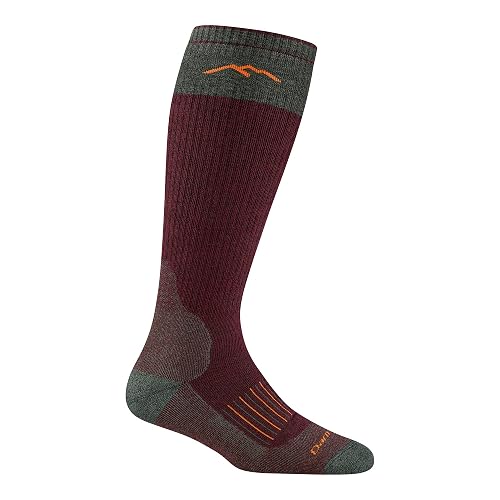
Darn Tough Vermont Women’s Over Calf Heavyweight Cushion Socks (2105)
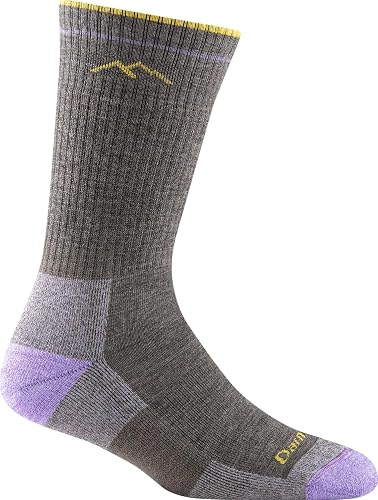
Darn Tough Women’s Hiker Boot Midweight Sock (Style 1907)
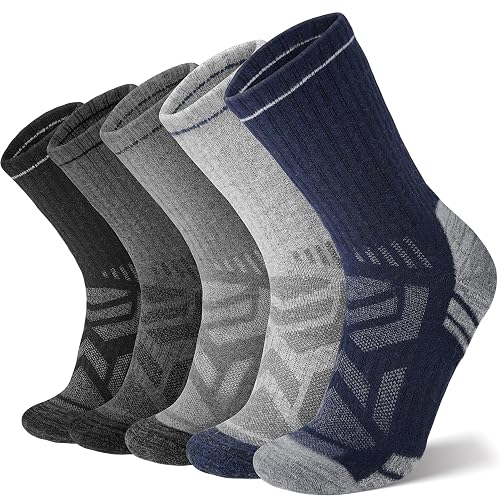
ANTSANG Merino Wool Hiking Socks, Enhanced Breathability
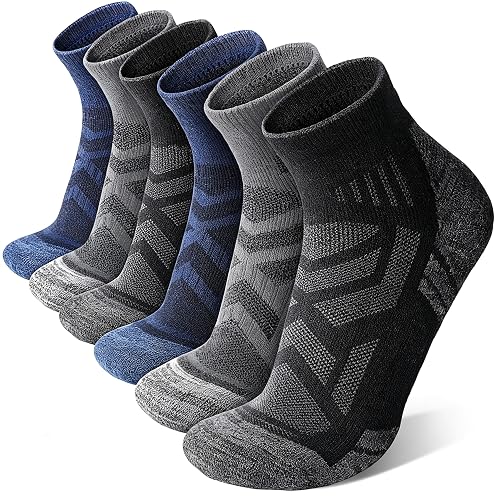
ANTSANG Merino Wool Quarter Ankle Hiking Running Socks
A Closer Look At Each Pick
The 2105 from Darn Tough leans into “overbuilt on purpose.” It runs as a heavyweight, full-terry cushion sock with the terry loops covering the entire leg and foot, so impact feels softened on rocky approaches and long descents. Built on the brand’s over-calf height (meaning the cuff finishes just below the knee), it works as much like protective gear as it does a sock.
That density is the headline trade-off, too: on a truly hot midday, the cushion can feel like too much insulation. Cooler mornings, alpine starts, and shoulder-season trips are where it earns its place. Versus the midweight 1907 below, this pair trades breathability for warmth and impact absorption.
What Pays Off
- Full-length terry cushioning absorbs shock on rocky terrain
- Over-calf height keeps legs protected against brush and boot rub
- Knit construction pulls moisture away from skin on long ascents
- Designed in a women’s specific fit, sized to match narrower feet
- Dense weave holds shape after repeated trail use
Trade Offs
- Heavyweight build runs warm above 80°F, so midsummer lowland hikes may feel overinsulated
- Dense cushion takes longer to air-dry between back-to-back days
Right Fit For
Hikers heading into cool starts, alpine terrain, or anyone logging long miles in mid-calf boots who wants serious cushion underfoot.
Where Another Pick Suits Better
The ANTSANG Merino Wool Hiking Socks, Enhanced Breathability fits hot-weather hikes better, since its lighter construction breathes more freely than this heavyweight 2105.
The Style 1907 is the everyday workhorse of the Darn Tough hiking line. It uses a 64% merino wool, 33% nylon, 3% Lycra spandex blend, which puts merino’s moisture management and odor resistance up front while nylon and spandex hold the shape and stretch. Knit in the USA on fine-gauge machinery, the result is a smoother, denser fabric than most hiking socks manage.
The brand’s True Seamless toe closure is the small detail you’ll notice most: a fused seam at the toe box means no ridge to rub when your foot flexes mile after mile. Mid-calf height adds a layer of protection against boot tongues and laces. Compared to the 2105 above, this pair trades cushion density for breathability, which is why it shows up on so many summer packing lists.
Real Benefits
- Merino-nylon blend manages sweat and resists odor across multi-day use
- Midweight cushion softens impact under heavy packs
- True Seamless toe reduces blister risk on flex points
- Sized and shaped for women’s feet
- Mid-calf height pairs well with most hiking boots
Things To Consider
- Midweight feel can run warm on a humid valley hike above 85°F
- Holds memory after drying, so owners commonly reshape gently while damp
- Premium construction typically costs more than entry-level synthetic socks
Made For
Hikers who want one sock for most of the season, blending warmth and breathability, especially on trips that mix cool mornings with warm afternoons.
Skip It When
The ANTSANG Merino Wool Quarter Ankle Hiking Running Socks fits trail runners and low-cut hikers better, since the quarter height leaves more ankle free than this mid-calf boot sock.
This ANTSANG crew is built around airflow. The brand markets it as “enhanced breathability,” which in practice means a knit construction that lets heat move out faster than heavier hiking socks allow. Pulled on in summer, you can feel the difference through the upper instep, where warm air escapes instead of pooling against your foot.
The unisex sizing covers both men’s and women’s sizing, which keeps things simple if households share gear or you like a looser fit up top. Against the Darn Tough 1907, this pair runs lighter in feel and a touch cooler through the footbed, so it lands more in the “hot July day” column than the “shoulder-season” column.
Where It Helps
- Breathable knit construction releases heat during climbs in summer sun
- Merino blend handles sweat while resisting odor over multi-day trips
- Crew height works with mid-cut hiking shoes
- Unisex fit makes sizing easy for shared packs
- Lightweight feel reduces fatigue over long miles
Honest Caveats
- Lighter build delivers less underfoot padding than the Darn Tough midweight
- Pair-specific reinforcement zones aren’t fully detailed in source, so expect standard hiking-sock durability
- Brand presence is newer than the heritage names, so fit and finish can vary between runs
Best Suited To
Warm-weather hikers, day-trippers, and anyone whose feet overheat easily in midweight socks will appreciate the cooler feel.
Consider Something Else When
The Darn Tough Vermont Women’s Over Calf Heavyweight Cushion Socks (2105) suits alpine or cool-morning hikes better, where more insulation and impact cushioning matter than airflow.
Quarter height sits just above the ankle, which is a deliberate choice for trail runners and low-cut hikers. The shorter cuff lets heat vent freely and keeps the sock out of the way when you flex through uneven ground. ANTSANG builds it around a merino wool blend, so the same moisture and odor handling shows up here as in the heavier crew above.
The trade-off is exposure. There’s less fabric to stop grit from sneaking into the collar of your shoe, and tall brush can graze the lower ankle. For warm-weather trail runs, fastpacking days, and low-top hiking shoes, the cut is exactly right. Compared to the Darn Tough mid-calf 1907, you’re trading coverage for ventilation and weight.
Where It Excels
- Quarter height pairs naturally with trail running and low-cut hiking shoes
- Merino blend pulls sweat away during high-output miles
- Lightweight feel keeps foot fatigue low on long runs
- Unisex sizing works for different foot shapes in shared kits
Worth Noting
- Low cut offers little protection against trail debris and tall brush
- Minimal cushion feels thin compared to heavier boot-height socks
- Not suited for cold starts or winter hiking
Who Should Grab It
Trail runners, fast hikers, and warm-day adventurers in low-cut shoes will get the most from this cut.
Not Your Match When
The Darn Tough Women’s Hiker Boot Midweight Sock (Style 1907) suits mid-cut boot hikes better, where its mid-calf coverage adds more protection than this quarter-height sock.
What To Weigh Before Choosing Socks For Hiking Summer
Fiber And Moisture Behavior
Merino wool leads the category for a reason: it absorbs moisture vapor without feeling wet, resists odor across multi-day trips, and regulates temperature better than most synthetics. Nylon content (often in the 25 to 35% range) adds durability, and a small amount of spandex or Lycra holds the shape through repeated wear. Cotton traps moisture against the skin and dries slowly, so it’s the fiber that tends to leave you with blisters on a long descent.
Cushioning And Height
Three useful buckets: lightweight for trail running and fast hiking, midweight for most day hikes and backpacking, and heavyweight for cold starts, rocky terrain, and big-mileage days. Height matters too. Quarter cuts pair with running shoes, crew heights cover the ankle, and over-calf heights protect against boot rub and brush. Match the cushion to your expected impact and the height to your footwear.
Fit And Seam Construction
Socks that bunch under the arch cause hot spots within a few hours. Look for arch support built into the ribbing, a reinforced heel pocket that holds the fabric in place, and a seamless or fused toe closure. True Seamless construction, which uses a flat, undetectable toe seam, matters more on long mileage than on short day hikes, but it’s a small detail that earns its keep.
Getting The Most From These Picks
Wrong Turns To Avoid
Buying a heavyweight sock for a hot July day hike leaves feet swimming in sweat. Buying a lightweight quarter sock for a mid-cut boot leaves your ankle exposed to grit and laces. The most common slip-up is picking cushion level by brand habit rather than by the trail and temperature you actually face. Check the day’s forecast, your pack weight, and your shoe height before settling on a pick.
When Paying More Pays Off
Premium hiking socks tend to buy better fiber sourcing, tighter knitting, finer-gauge seams, and stronger reinforcement in high-wear zones like the heel and toe. Over multi-day trips and across hundreds of miles, that extra construction shows up as fewer blisters, less pilling, and socks that still hold their shape after a season of use. For weekend warriors, mid-tier often does the job. For backpackers logging real mileage, the upgrade tends to earn itself.
Frequently Asked Questions
Are Merino Wool Socks Good For Summer Hiking?
Yes, merino wool manages moisture vapor and resists odor better than cotton or most synthetics, which makes it a strong choice even in summer heat.
How High Should Hiking Socks Go?
Quarter height pairs with low-cut shoes, crew height with mid-cut hikers, and mid-calf or over-calf height with full boots and rough terrain.
Can I Use Running Socks For Hiking?
Yes, lightweight trail running socks work for fast day hikes in low-cut shoes, though heavier backpacking trips usually benefit from midweight hiking socks.
How Often Should I Wash Hiking Socks?
After every wear in the field, since sweat and bacteria break down fibers faster than dirt alone and odor builds up quickly in wool blends.
Do Hiking Socks Prevent Blisters?
Better-fitting hiking socks with low-profile seams and good moisture management significantly reduce blister risk, though shoe fit and foot care still matter.
The Takeaway
Match sock cushion and height to your footwear and the day’s heat rather than to your usual brand. The Darn Tough pair that already lives in your drawer might be too warm for July, while a lighter ANTSANG sock could be exactly right. Pick for the trail in front of you, and your feet will thank you by mile ten.