
A reliable water bladder shapes how every trail mile feels. The right one disappears against your shoulders, hands up sips without leaking when you coil the hose, and dries fast between trips so you are not tasting last weekend’s electrolyte mix. This list rounds up ten well-considered options across hiking, running, tactical, and basecamp scenarios, so you can match capacity, fit, and closure style to the way you actually travel.
An Overview Of The Picks
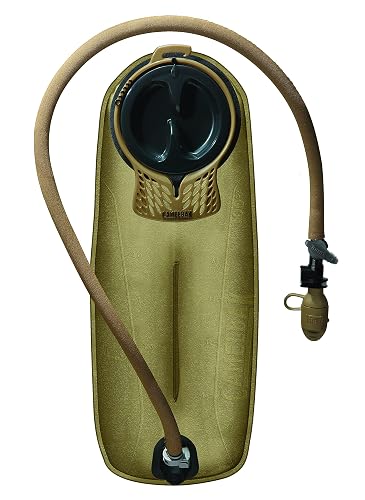
CamelBak Fusion Hydration Reservoir with TRU Zip
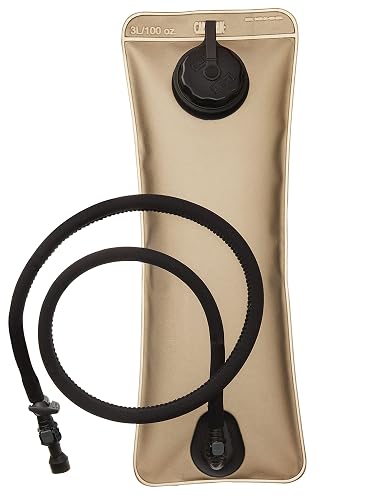
CamelBak Long Neck Hydration Reservoir 3L
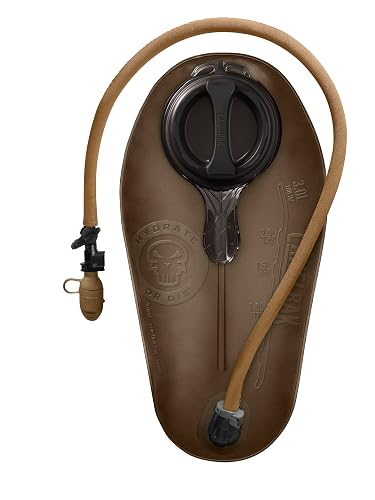
CamelBak Mil-Spec Crux Long Reservoir
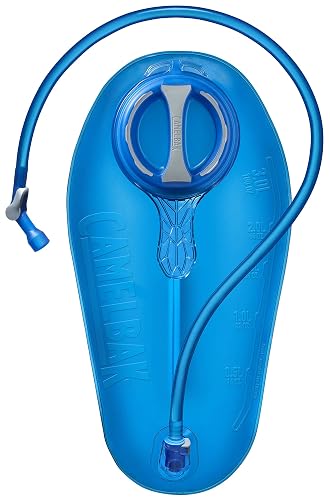
CamelBak Crux Hydration Reservoir
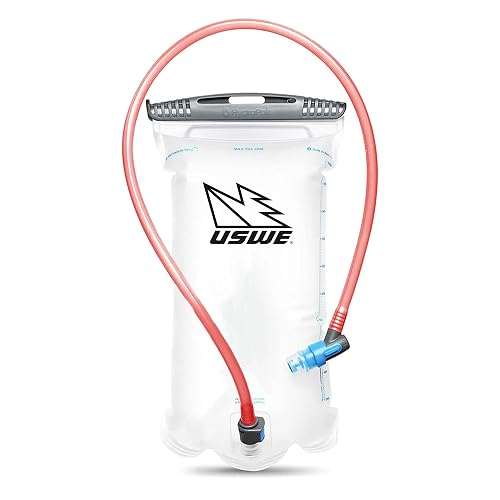
USWE Elite Hydration Bladder 1.5L

Gregory 3D QuickDry Reservoir 2L
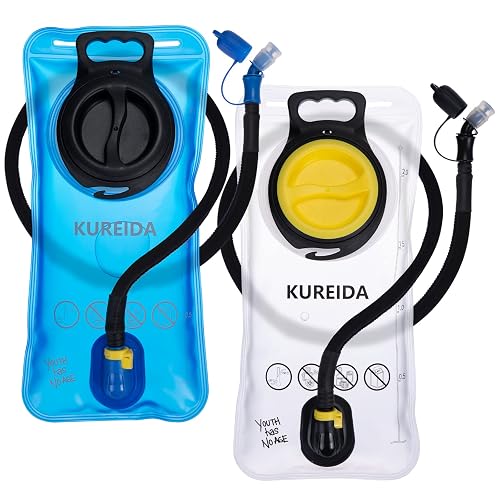
KUREIDA Hydration Bladder 2 Liter

MSR Dromedary Bag Water Reservoir
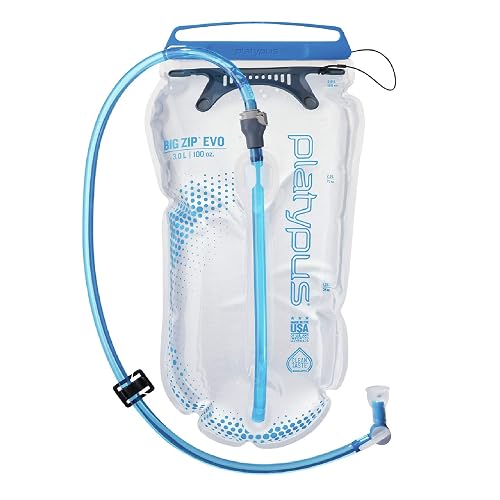
Platypus Big Zip EVO Reservoir 3L
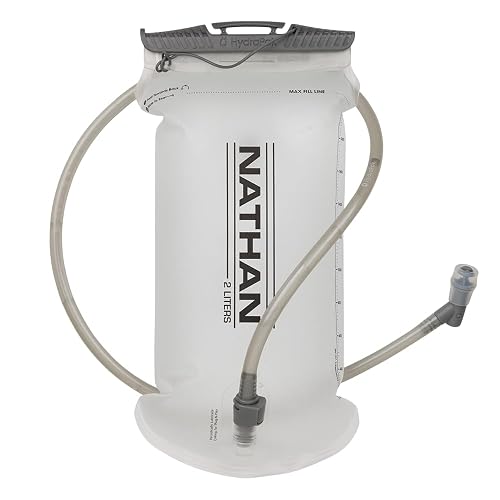
Nathan Hydration Bladder 2L
More Details On Our Top Picks
CamelBak built the Fusion around its TRU Zip closure, a rugged zip-style seal that stays shut when stuffed sideways into a fully loaded pack. The rigid backplate gives the bladder structure while filling and helps it slide into a sleeve without folding the corners.
Refilling at a spigot or camp faucet feels simple thanks to the wide top and the integrated handle, and the pinch-style grip makes single-handed operation realistic when your other hand holds a trekking pole. Backpackers planning two to four days between resupplies tend to appreciate the generous volume.
Practical Advantages
- TRU Zip closure reduces the leak risk that comes with screw caps loosening over rough miles
- Rigid backplate keeps the bladder stable while filling and helps the bag slide flat into a sleeve
- Wide-mouth top accepts ice cubes and filters, which speeds up camp refills
- Integrated handle and pinch grip support one-handed use at sinks and faucets
Things To Consider
- Zip-seal bladders need occasional cleaning around the zipper teeth to prevent grit buildup
- The larger volume rides heavier once full, so lighter day hikers may prefer a smaller option
Who It Suits Best
Multi-day backpackers and weekend trekkers who want a secure seal and a wide-mouth fill port for filter drops and ice.
Where Another Pick Suits Better
Trail runners chasing a lighter carry will find the CamelBak Crux a more streamlined fit for shorter, faster days.
This reservoir was built for users who already run legacy Long Neck-style carriers, including many standard military and tactical hydration packs. The 3L capacity lands in the same range as the larger CamelBak Crux but in a profile tuned for older loadouts.
The welded polyurethane body is designed for demanding environments where abrasion and temperature swings are normal. For field training, range days, or anyone running a surplus carrier, it drops straight into the existing sleeve.
What Stands Out
- Direct fit with legacy US Army-style hydration carriers saves buying a new pack
- Radio-frequency welded seams create a strong, leak-resistant bond for rugged use
- 3L volume suits long patrols where refilling is rare
Honest Caveats
- The Long Neck profile is bulkier than the slimmer Crux line, so it feels less trim in non-tactical packs
- Replacement parts are scarcer than the mainstream Crux series, which can complicate long-term service
Made For
Tactical users, service members, and civilian shooters running legacy carriers who need a drop-in reservoir without re-outfitting their gear.
Skip It When
Day hikers carrying a modern daypack should reach for the CamelBak Crux, which fits a wider range of civilian sleeves.
The Mil-Spec Crux pairs the high-flow bite valve from CamelBak’s trail line with construction standards designed for sustained field operations. The wide-mouth top and quarter-turn cap let you refill quickly at a truck-mounted water trailer or a low spigot.
For ruckers and patrol-style hiking where you drain a liter or more per hour, the increased water per sip helps reduce the constant suck effort that wears out your jaw over long miles. It threads into the same tactical sleeves as the older Long Neck reservoir.
Where It Excels
- High-flow bite valve delivers more water per sip, reducing jaw fatigue on long marches
- Wide-mouth opening with quarter-turn cap speeds refills at bulk water stations
- Mil-spec build quality suits harsh climates and repeated handling
Worth Noting
- The thicker mil-spec material adds a small amount of weight compared to the standard Crux
- Tube length is set up for tactical harnesses, so some hikers may need to reroute the hose for a low-profile pack
Key Specs
Right Fit For
Ruckers, military users, and serious hikers logging long daily miles who want Crux flow with a tougher build.
Consider Something Else When
Casual day-trippers will be better served by the lighter CamelBak Crux, which costs less and suits shorter outings.
The standard Crux is the workhorse most hikers end up owning. The ergonomic shape slides into a wide range of daypack sleeves, and the high-flow bite valve delivers more water per sip than the older Antidote reservoirs it replaced.
The leak-proof cap and self-sealing valve mean you can toss a partially full bladder in the trunk without dreading the cleanup. Available in several sizes, it adapts to anything from a quick evening loop to a full day in the saddle.
Features That Help
- High-flow bite valve cuts the effort of constant sipping on long climbs
- Self-sealing valve prevents drips when the bladder hangs upside down in a pack
- BPA, BPS, and BPF-free construction supports cleaner drinking water
- Multiple size options cover anything from short loops to full-day hikes
Points To Note
- The wider ergonomic body needs a sleeve at least 14 inches tall to fit comfortably
- Valve and tube benefit from occasional deep cleaning, since sweeteners and sports drinks can leave residue
Best Suited To
Day hikers, mountain bikers, and casual backpackers who want a flexible, easy-to-find reservoir for mixed outdoor use.
Look Elsewhere When
Tactical users running mil-spec harnesses may prefer the CamelBak Mil-Spec Crux Long, which threads into legacy carriers.
The USWE Elite is built for movement, with a Plug-n-Play quick disconnect that lets you separate the drink tube from the bladder without unscrewing anything. For runners and cyclists who fill and refill often, that one-step drop saves real seconds at an aid station.
The wide slide-seal opening opens fully flat for cleaning and drying, and the reversible design lets you flip the bladder inside out to scrub the seams. At 1.5L, the volume fits shorter efforts where carrying less matters more than carrying more.
Advantages To Know
- Plug-n-Play quick disconnect snaps the tube apart without twisting or threading
- Wide slide-seal opening lays flat for drying and accepts a bottle brush for cleaning
- Reversible design lets you flip the bladder inside out to scrub biofilm off the interior
- 100% BPA- and PVC-free construction for cleaner materials
Trade Offs
- 1.5L capacity runs out faster than larger reservoirs, so it fits shorter efforts best
- The slide-seal closure is reliable but takes a beat longer to seal cleanly than a simple screw cap
Perfect Match For
Runners, cyclists, and obstacle course racers who want fast tube swaps and easy cleaning for repeated short efforts.
Not Your Match When
Thru-hikers needing all-day water should consider the Platypus Big Zip EVO, which carries 3L with a wide-mouth fill.
Gregory took a fresh angle on the hydration bladder by engineering it around drying time rather than fill speed. The soft-molded 3D shape holds the top and bottom layers apart when hung open, which speeds up drying and discourages the bacteria growth that causes plasticky off-tastes.
For owners who store their gear in a closet between weekends, that drying detail matters. A bladder that stays damp for days invites mildew, while one that airs out fast is ready for the next trip with less hassle.
Benefits That Matter
- 3D QuickDry design keeps layers from touching, which shortens hang-dry time
- Integrated hanger offers a place to hang the bladder off the trail for storage and drying
- SpeedClip mounting system locks the bladder to Gregory 3D Hydro packs in one motion
- BPA-free materials support cleaner drinking water
Points To Keep In Mind
- SpeedClip works best with Gregory packs, so it loses a feature if your pack is from another brand
- The soft 3D shape needs a careful hand while filling, since it folds easily under pressure
Quick Facts
Whose Shelf It Belongs On
Hygiene-focused owners who store gear between weekends and want a bladder that dries fast and stays fresher longer.
Reach For A Different Pick When
Runners chasing a quick disconnect should consider the USWE Elite, which trades drying tech for Plug-n-Play tube swaps.
The KUREIDA package includes the bladder plus two quick-release tubes with an insulated sleeve and shutoff valve, which is more hardware than most reservoirs ship with. For day hikers on a tighter budget, that combination covers the basics without separate purchases.
The insulated tube helps keep drinking water cooler on summer hikes, and the shutoff valve lets you stop flow mid-sip without putting a finger on the bite valve. It’s the kind of bundle that gets a new hiker on the trail with minimal extra shopping.
What Helps Most
- Insulated tube helps water stay cooler on warm-weather hikes
- Two quick-release tubes in the package support a spare or a second pack
- Shutoff valve stops flow without biting the valve, useful during photo stops
- BPA-free bladder supports cleaner drinking water for everyday use
Less Ideal Details
- The screw cap is more prone to loosening under heavy pack loads compared to zip or slide-seal closures
- Materials and seams tend to feel less rugged than higher-tier options over years of heavy use
Who Should Grab It
New hikers, casual day-trippers, and gift-shoppers who want a complete hydration bundle without shopping for parts separately.
A Better Fit Elsewhere
Long-distance hikers should consider the Platypus Big Zip EVO, which pairs a wide-mouth zip top with proven thru-hike durability.
The Dromedary is built like a soft shipping container, with a 1000-denier exterior that shrugs off the rocks and branches you lean it on at camp. MSR engineered it less as a sipping reservoir and more as a collapsible water-hauling bag for basecamp and bikepacking setups.
It pairs well with a hanging gravity filter or as a reservoir to dump into a wider daypack bladder. The wide-mouth cap accepts a hose, and the bag collapses flat when empty for storage in panniers or saddle bags.
Positive Points
- 1000-denier exterior resists punctures when leaned against rocks or stowed under gear
- Multiple size options cover anything from bikepacking water runs to basecamp supply
- Wide-mouth opening accepts a hose or scoop for fast refilling
- Collapses flat when empty, fitting into tight panniers and duffel pockets
Trade-Offs To Consider
- The bag lacks a built-in drink tube, so it’s a hauling bag, not a sipping bladder
- Stiffer material takes more space when packed than softer hydration-only bladders
Feature Snapshot
Built With In Mind
Bikepackers, paddlers, and group campers who need to haul or store several liters at basecamp rather than sipping on the move.
Swap It Out When
Day hikers wanting a tube-equipped sipping bladder will be happier with the CamelBak Crux, which fits daypack sleeves and drinks tubes natively.
The Big Zip EVO has earned a following with thru-hikers and long-distance backpackers, partly because the wide zip-top opens fully for cleaning and drying. After two weeks of electrolyte drinks, that cleaning access makes the difference between a fresh-tasting bladder and a sour one.
The taste-free film keeps flavors clean across long trips, and the self-sealing HyFLO bite valve stops flow between sips. For travelers heading abroad, the wide opening accepts ice cubes and tablets for water treatment on the road.
Notable Gains
- Wide zip-top opening lets you reach inside for thorough cleaning and drying
- Taste-free film preserves the natural flavor of water across long trips
- Self-sealing HyFLO bite valve stops leaks between sips
- Quick disconnect drink tube removes for refilling without unthreading
Where It May Fall Short
- The film body is more puncture-sensitive than fabric-wrapped reservoirs like the MSR Dromedary
- The wide zip-top adds a small amount of bulk versus simple slide-seal designs
The Right Fit
Thru-hikers, section hikers, and international travelers who want taste-free water and the easiest possible cleaning access.
A Better Fit Elsewhere
Bikepackers hauling water to camp should consider the MSR Dromedary, whose tougher shell handles cargo better than the Big Zip’s film.
Nathan built its reputation on running vests, so the 2L bladder is tuned to slip into a low-profile race vest without bouncing. The quick-release tube and high-flow bite valve match the pace of fast efforts where you’re drinking every few minutes.
The 2L volume suits everything from a 10K on a hot day to a long training run, and the BPA-free construction keeps the water taste clean across sweaty miles. Compared with the USWE Elite, this bladder skips the slide-seal closure in favor of a simpler fill port.
Everyday Wins
- Lightweight profile fits race vests and small running packs without bounce
- Quick-release tube removes for cleaning and pack swaps
- High-flow bite valve delivers more water per sip during hard efforts
- BPA-free film keeps water taste clean across hot training sessions
Soft Spots
- 2L capacity runs out faster than 3L options, so it suits shorter efforts best
- Closure style is simpler than zip-top reservoirs, limiting access for deep cleaning
Feature Card
Who Will Love This
Runners, walkers, and obstacle course racers who run Nathan vests and want a low-bounce, easy-drinking bladder for shorter efforts.
Another Choice May Suit
Hikers needing all-day water should reach for the Platypus Big Zip EVO, which carries 3L with a wide-mouth zip top.
Picking The Right Hydration Setup For Your Trail
The right water bladder depends less on brand reputation and more on how you actually move. A thru-hiker cares about cleaning access and capacity, while a trail runner cares about fit and tube ergonomics. Match the bladder to the activity, and the gear feels like part of the body rather than an extra task to manage.
Capacity And Pack Fit
For most day hikes under 10 miles, a 2L bladder covers the average person’s hydration needs with a little margin. For longer hikes, hot climates, or routes without reliable water sources, a 3L reservoir reduces the need to filter mid-route. Capacity should fit your pack sleeve, since an oversized bladder forces awkward folding that puts stress on the seams over time.
Closure Style And Leak Risk
Closure types range from screw caps to slide seals to zip tops. Zip and slide-seal closures open widest, which speeds refills and simplifies cleaning, but they need occasional cleaning around the closure teeth. Screw caps seal reliably but limit fill speed and make deep cleaning harder. The honest read is that each style has trade-offs, and your cleaning habits matter as much as the closure itself.
Tube And Bite Valve Details
A high-flow bite valve reduces jaw fatigue on long miles, and a quick disconnect lets you separate the tube without unthreading it. Insulated sleeves help in summer, where water in a black hose can warm up against your pack. For running and fast efforts, the tube routing matters more than for casual walking.
Material And Cleaning Habits
BPA-free film keeps taste clean but punctures more easily than fabric-wrapped bladders like the MSR Dromedary. After sports drinks or flavored mixes, thorough cleaning matters more than material choice, since residue buildup is the usual culprit behind musty flavors. Carrying a small cleaning brush and drying the bladder open between trips prevents most hygiene complaints.
Key Considerations Across These Picks
Pitfalls Shoppers Hit
A common mistake is choosing capacity first and fit second, which often leads to a bladder that does not slide flat into the pack sleeve. Another is ignoring closure style: a slick zip-top bladder feels great until grit collects in the teeth after a dusty ride. Match the bladder to the pack, the closure to your patience for cleaning, and the capacity to your actual mileage.
What The Higher Tier Buys
Premium reservoirs tend to invest in stronger materials, faster-flow bite valves, and closure systems that survive years of weekly use. The upgrade pays off for hikers who drink from their bladder daily, since the small fit and finish improvements stack up over months of trail time. For weekend-only owners, mid-tier options cover the same needs at a friendlier cost.