
Wet trail days separate decent hikers from great ones. Whether you’re crossing a shin-deep creek, slogging through morning dew on a ridgeline, or pushing through muddy switchbacks after rain, standard hiking boots soak up water, drag heavy, and blister fast. Purpose-built water hiking boots solve this with hydrophobic uppers (fabrics that actively repel water rather than just resisting it), drainage paths, and outsoles tuned for slick rock and silt. The right pair keeps your feet dry, stable, and blister-free when the trail turns soggy.
This roundup gathers ten boots and hiking shoes built for wet conditions, from dedicated wading boots made for anglers to lightweight trail shoes that shrug off puddles. Each pick addresses a different style of water crossing and trail profile, so match the boot to the terrain you actually face.
The Picks In Brief

Korkers Darkhorse Fishing / Wading Boot
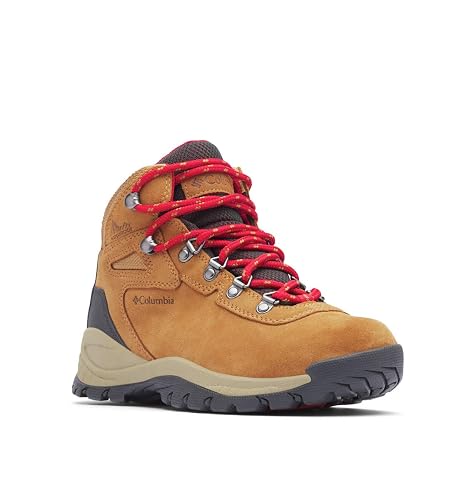
Columbia Newton Ridge Plus Waterproof Hiking Boot

COOJOY Waterproof Winter Snow Boots
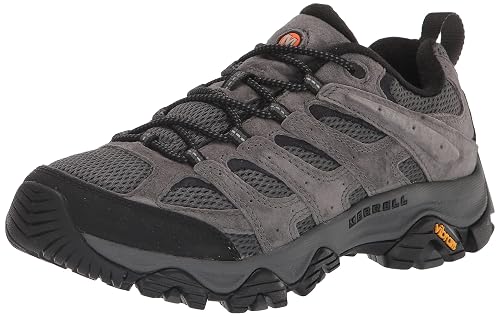
Merrell Moab 3 Hiking Shoe
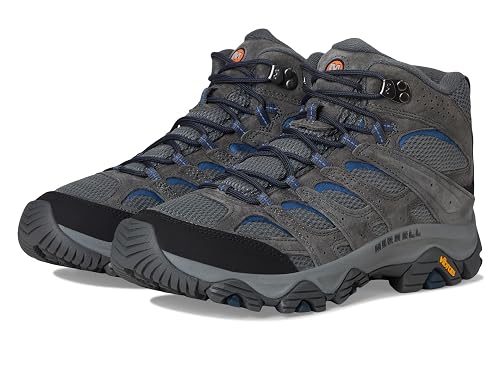
Merrell Moab 3 Mid Hiking Boot
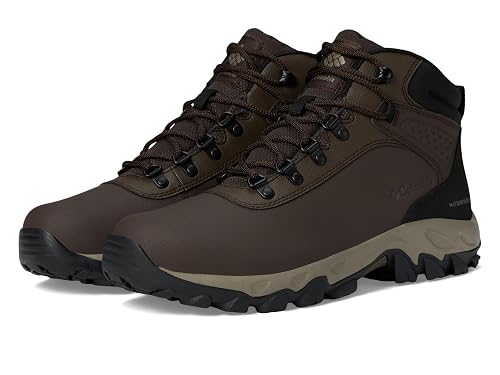
Columbia Newton Explorer
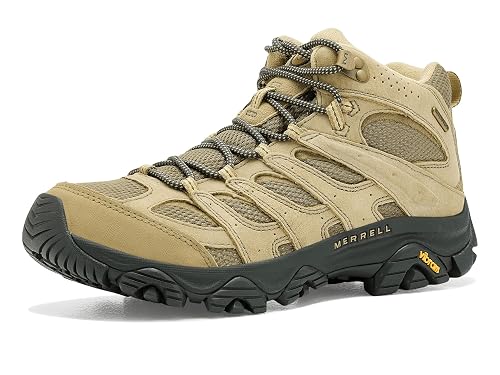
Merrell Moab 3 Mid Waterproof Hiking Boot
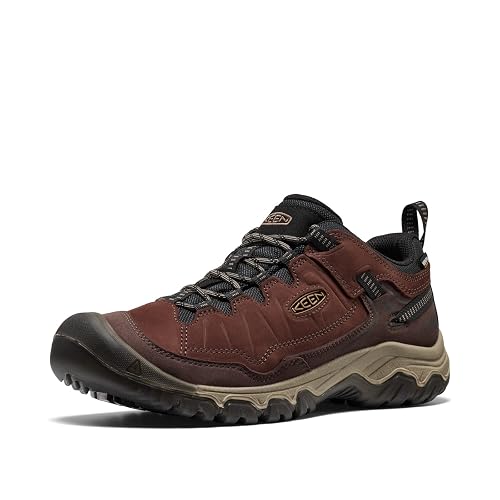
KEEN Targhee 4 Low Waterproof Hiking Shoe

KEEN KS86 Retro Style Sneaker
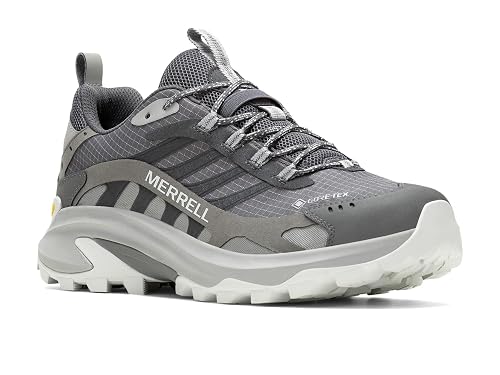
Merrell Moab Speed 2 GTX
Meet The Standout Selections
The Korkers Darkhorse earns its place as the most specialized pick on the list. Built around the OmniTrax Interchangeable Sole System, this boot ships with both felt soles (the soft, fibrous kind that grip algae-covered rock) and Kling-On rubber soles, letting you swap traction depending on whether you’re walking a slick riverbed or a muddy access trail. The BOA M2 lacing system (a dial-and-cable closure that tightens with a twist and releases with a pop) tightens with a quick twist and loosens instantly, which matters when you’re stepping out of a drift boat.
Water management is built into the geometry. Internal waterways let liquid flow through the boot and exit midsole ports, so the boot sheds weight fast instead of turning into a waterlogged brick on long wading days. The hydrophobic upper sheds spray and rain, and the tonal camo pattern keeps a low profile on the water. If you live for trout streams and don’t want to compromise traction, this is the boot built for the job.
Notable Upsides
- OmniTrax sole system adapts traction to felt or rubber in seconds
- BOA M2 lacing delivers fast, even pressure and one-handed release
- Internal drainage channels cut weight fast after submerged steps
- Hydrophobic upper with abrasion-resistant construction handles brushy banks
- 3PFS Achilles stabilization supports long days of stepping on uneven rocks
Trade Offs
- Overkill for hikers who never actually wade deeper than puddles
- Heavier and stiffer than a standard trail hiker, so it feels clunky on long walks
- Felt soles may require periodic cleaning and eventual replacement over years of use
Key Specs
Made For
Fly anglers and stream waders who spend real time waist-deep in current and need traction that adapts to changing river bottoms.
Consider Something Else When
You mainly hike muddy trails without submersion, in which case the Merrell Moab 3 Mid Waterproof Hiking Boot fits your routine better.
The Columbia Newton Ridge Plus sits at the comfortable middle of the wet-trail category. It carries a dedicated waterproof bootie construction rather than a simple treated leather surface, which means puddles, shallow creek crossings, and morning dew stop at the membrane instead of soaking through to your socks.
The mid-cut profile wraps the ankle without feeling heavy, and the rugged outsole grips slick rock and rooted dirt in equal measure. Where the Korkers Darkhorse above is purpose-built for anglers wading rivers, this boot handles the more common scenario: a regular hiking trail that happens to be wet.
Practical Advantages
- Sealed waterproof bootie keeps feet dry through puddles and brief stream crossings
- Mid-cut ankle support helps on uneven, root-tangled terrain
- Tuned outsole pattern grips wet rock and packed mud
- Lighter and more flexible than a dedicated wading boot
Room For Improvement
- Not designed for sustained submersion, so river wading is past its limit
- Waterproof membrane can trap heat on warm, humid days
- Less aggressive lug pattern than a true wading boot
Best Suited To
Day hikers who want a reliable waterproof boot for trails that turn wet but don’t actually require deep wading.
Look Elsewhere When
You regularly wade streams to fish, where the Korkers Darkhorse Fishing / Wading Boot delivers purpose-built traction.
The COOJOY Winter Snow Boots handle a different corner of the water hiking world: cold, wet trails with snow on the ground. The mid-calf height blocks powder and slush from spilling over the cuff, while the waterproof shell keeps meltwater from seeping through the fabric. The fur-lined interior adds insulation that a standard trail hiker cannot match.
These boots trade some technical trail feel for warmth and weather protection. They work well for casual winter walks, snowshoeing on flat terrain, and shoveling the driveway after a wet storm. They would not be the first choice for a fast summer scramble, but that is not the scenario they target.
Strengths Worth Knowing
- Waterproof shell sheds slush and standing meltwater
- Mid-calf height keeps snow out of the boot
- Fur lining adds insulation without excessive bulk
- Lightweight construction for the level of warmth provided
Worth Noting
- Warm fur lining can feel too hot on mild winter days above freezing
- Outsole lugs are tuned for casual terrain, not technical alpine routes
- Limited ankle articulation for fast hiking pace
Who Should Grab It
Casual winter hikers and anyone walking snowy sidewalks or low-elevation trails in wet, cold conditions.
Skip It When
You want a technical four-season hiking boot, in which case the Merrell Moab 3 Mid Waterproof Hiking Boot suits technical trails better.
The Moab line has earned its reputation for out-of-the-box comfort, and the low-cut Moab 3 keeps that tradition alive. This is a hiking shoe rather than a tall boot, so it sacrifices ankle support for lightness and quick break-in. For day hikes on familiar, well-marked trails with the occasional wet patch, that trade-off usually feels like a win.
The Vibram outsole grips wet rock and loose dirt with confidence, and the cushioned midsole absorbs impact over rocky miles. Compare it to the tall Columbia Newton Ridge Plus above: the Newton Ridge wins on ankle stability and deep puddle defense, while the Moab 3 wins on agility and the kind of comfort that handles multi-hour walks without fatigue.
Points In Its Favor
- Vibram outsole grips wet rock and loose gravel reliably
- Cushioned midsole softens impact on rocky, uneven trails
- Low-cut profile keeps the shoe light and breathable
- Comfortable straight out of the box for most foot shapes
Things To Consider
- Low-cut design offers no ankle protection on rough terrain
- Water resistance varies by model version and conditions
- Less insulation for cold, wet shoulder-season hikes
Feature Snapshot
Whose Shelf It Belongs On
Day hikers who cover moderate miles on established trails and want comfort over ankle armor.
Another Choice May Suit
You carry a heavy pack or scramble rocky trails, where the Merrell Moab 3 Mid Hiking Boot offers better protection.
The Moab 3 Mid lifts the comfortable Moab platform up around the ankle, turning a hiking shoe into a hiking boot. That added support matters when the trail includes loose scree, off-camber roots, or the weight of a loaded daypack pulling at your heels.
This is the non-waterproof sibling to the Moab 3 Mid Waterproof covered later, so it handles wet grass and brief puddles without issue but eventually lets water in during sustained crossings. For hikers who mostly deal with dew, rain, and short stream hops rather than full submersion, the breathability benefit often outweighs the missing waterproof layer.
The Practical Payoff
- Mid-cut ankle support stabilizes the joint over uneven ground
- Vibram outsole delivers grip on slick surfaces
- Cushioned midsole reduces foot fatigue on rough miles
- More breathable than a fully waterproof boot in warm weather
Small Caveats
- Not fully waterproof, so water eventually soaks through on long crossings
- Heavier than the low-cut Moab 3 hiking shoe
Right Fit For
Hikers tackling rocky or root-strewn trails with a daypack who want ankle support without going to a heavy mountaineering boot.
Where A Sibling Pick Shines
You hike in consistently wet conditions, where the Merrell Moab 3 Mid Waterproof Hiking Boot adds sealed-membrane protection.
The Newton Explorer is Columbia’s more agile take on a waterproof trail shoe. It uses the brand’s Techlite midsole for long-lasting cushioning and high energy return, paired with the Omni-Tech waterproof breathable membrane (a layered bootie construction that blocks liquid water while letting sweat vapor escape) to keep rain and puddles from reaching your socks.
The waterproof leather upper holds up to brushy trails and the occasional scrape against rock, while metal hardware adds a touch of durability at common stress points. Compared to the Moab 3 Hiking Shoe earlier in this list, the Newton Explorer brings sealed waterproofing in a slightly more refined package, though it gives up some of the Moab’s legendary break-in comfort.
A Few Strong Suits
- Omni-Tech waterproof breathable membrane keeps feet dry without overheating
- Techlite midsole adds energy return for less leg strain
- Waterproof leather upper handles scrapes from rocks and brush
- Refined styling works for trail-to-town transitions
A Few Limitations
- Waterproof membrane adds warmth in hot summer conditions
- Less aggressive lug pattern than dedicated off-trail boots
Quick Facts
Perfect Match For
Versatile hikers who want a waterproof shoe that performs on trail without looking out of place at a coffee stop afterward.
Reach For A Different Pick When
You spend more time in genuine ankle-deep water, where the Korkers Darkhorse delivers better traction.
The Moab 3 Mid Waterproof combines the supportive mid-cut silhouette of the standard Moab 3 Mid with a sealed waterproof membrane. That combination makes it the most weather-ready option in the Moab family, suited for hikers who face rain, snowmelt, and frequent stream crossings on the same outing.
The familiar Moab fit carries over: cushioned midsole, supportive insole, and grippy Vibram outsole. Add a sealed membrane that holds back water at every seam, and you have a boot that handles conditions the non-waterproof Moab 3 Mid cannot. The trade-off is reduced breathability in summer.
Everyday Perks
- Sealed waterproof membrane keeps feet dry through sustained wet conditions
- Mid-cut height stabilizes ankles on rough, wet terrain
- Vibram outsole grips slick rock and muddy slopes
- Cushioned construction handles long days on the trail
Honest Caveats
- Waterproof layer reduces breathability in warm weather
- Slightly heavier than the non-waterproof Moab 3 Mid
Who Will Love This
Hikers who face consistent wet conditions and want the Moab comfort combined with sealed protection against rain and stream crossings.
A Better Fit Elsewhere
You mostly hike dry trails in summer heat, where the breathable Merrell Moab 3 Hiking Shoe is a more comfortable choice.
The Targhee 4 Low is KEEN’s low-cut waterproof trail shoe, and it carries a reputation for durability. The direct-attach construction fuses the upper to the outsole, which reduces the chance of a sole separating after months of stream crossings. The KEEN.DRY waterproof lining keeps water out while still letting heat escape on warmer hikes.
KEEN has long built its footwear on a wider last, so this shoe tends to fit comfortably for hikers with broader feet who often feel cramped in standard trail shoes. If the Merrell Moab 3 Hiking Shoe earlier in this list feels narrow through the forefoot, the Targhee 4 Low is the natural alternative to try.
Notable Gains
- Direct-attach construction improves long-term durability
- KEEN.DRY waterproof lining handles puddles and rain
- Wider last suits hikers with broader feet
- All-terrain traction grips wet rock and mud
Points To Keep In Mind
- Wider fit may feel loose for narrow-foot hikers
- Low-cut profile offers no ankle support
Built With In Mind
Hikers with wider feet who want a durable waterproof trail shoe for wet, rugged terrain.
Swap It Out When
You need ankle protection on rocky ground, where the Merrell Moab 3 Mid Waterproof Hiking Boot fits better.
The KS86 is KEEN’s crossover sneaker: a casual, retro-styled shoe that still carries an aggressive tread and KEEN’s traditional wider last. It is not a technical hiker, but it handles wet pavement, light gravel paths, and damp grass without blinking.
The recycled mesh upper keeps the shoe breathable for everyday wear, and the durable construction stands up to the kind of daily abuse a single shoe absorbs when it doubles as a commuter and weekend walker. Compared to the trail-ready Targhee 4 Low above, the KS86 trades technical performance for everyday style.
Useful Strengths
- Retro styling works for casual wear and light trail use
- Aggressive tread grips wet pavement and gravel paths
- Wider last suits many foot shapes comfortably
- Lightweight build reduces fatigue on long walking days
Where It Is Less Suited
- Not designed for technical trails or sustained wet conditions
- Limited cushioning compared to a true hiking shoe
The Right Fit
Casual walkers and commuters who want a shoe that handles wet sidewalks and easy trails without looking like a hiker.
Not Your Match When
You plan to tackle real wet terrain, where the KEEN Targhee 4 Low Waterproof Hiking Shoe handles the conditions better.
The Moab Speed 2 GTX borrows the Moab name and pairs it with a more athletic, fast-paced build. The Gore-Tex membrane (a thin, durable waterproof layer bonded to the inner bootie) keeps water out while maintaining the breathability that fast hikers demand. The Vibram TC5+ outsole, a rubber compound co-developed specifically for Merrell, grips slick surfaces and sheds mud effectively thanks to redesigned traction lugs.
This is the right pick for hikers who log long miles at speed and cannot afford the weight penalty of a traditional waterproof mid-cut boot. Where the Moab 3 Mid Waterproof above aims for all-day support, the Speed 2 GTX aims for fast movement with sealed protection.
The Case For It
- Gore-Tex membrane delivers proven waterproof breathability
- Vibram TC5+ rubber grips wet rock and sheds mud
- Athletic build reduces weight for faster pace
- Redesigned lugs improve traction on off-camber ground
Things To Weigh Up
- Less ankle support than a mid-cut hiking boot
- Gore-Tex adds cost compared to non-membrane options
Who It Suits Best
Fast hikers and fitness-focused trail walkers who cover long miles in mixed wet and dry weather.
Where Another Pick Suits Better
You carry heavy loads on rocky trails, where the Merrell Moab 3 Mid Waterproof Hiking Boot offers more support.
Choosing The Right Water Hiking Boots For Your Terrain
Match The Boot To The Water You’ll Face
The first question to answer is how much water your boots will actually encounter. Day hikers dealing with morning dew and the occasional stream crossing do fine with a sealed waterproof membrane like the Omni-Tech bootie in the Columbia Newton Ridge Plus or the KEEN.DRY lining in the Targhee 4 Low. Fly anglers and stream waders need a purpose-built wading boot with interchangeable soles and internal drainage, like the Korkers Darkhorse. Choosing the wrong category leaves you either overdressed for the conditions or undertrained for the task.
Understand Waterproof Versus Water-Resistant
A truly waterproof boot uses a sealed membrane or bootie construction that blocks liquid water at every seam. A water-resistant boot uses a treated surface that slows absorption but eventually soaks through under sustained exposure. For puddle-and-rain duty, waterproof makes sense. For dry-season trails where you just want protection against the occasional wet patch, a non-waterproof boot like the Merrell Moab 3 Mid breathes better and stays lighter on your feet.
Pick The Right Cut And Sole
Cut height (how far up the ankle the boot extends) and sole design matter as much as waterproofing. Low-cut hiking shoes like the Merrell Moab 3 Hiking Shoe or KEEN Targhee 4 Low trade ankle support for agility, suiting day hikes with light loads. Mid-cut boots like the Moab 3 Mid Waterproof add ankle stability for rocky terrain and heavier packs. For river wading, look at lug depth (the height of the rubber teeth on the outsole, where deeper lugs bite into softer ground), sole material, and the option to swap felt or rubber soles to match the bottom you’ll walk on.
Fit And Break-In Expectations
Boots that feel great in the store can turn painful at mile five. Brands like Merrell and KEEN have different last shapes (the foot-shaped mold around which the shoe is built), so sizing between them is not always equivalent. Wider feet often prefer KEEN’s traditional last, while narrower feet may prefer Merrell. Plan to wear any new boot on shorter walks before committing to a long wet-trail day.
Key Considerations Across These Picks
Common Shopping Slip Ups
The biggest mistake is buying a standard hiking boot and expecting it to handle stream crossings. Most traditional hiking boots use water-resistant leather and stitched seams that soak through in minutes. If your trail regularly crosses flowing water, you need either a sealed waterproof membrane in a trail boot or a purpose-built wading boot with drainage. Another trap is assuming all “waterproof” labels perform equally. Membrane quality varies, and a cheap bootie construction can fail at the seams long before the outsole wears out.
What The Higher Tier Buys
Spending more on water hiking boots typically delivers better waterproof membranes, more durable outsole rubber compounds, and stronger upper-to-sole bonding. The Vibram TC5+ rubber in the Merrell Moab Speed 2 GTX and the direct-attach construction of the KEEN Targhee 4 Low both extend service life over cheaper alternatives. Higher-tier picks also tend to include thoughtful touches like the BOA lacing on the Korkers Darkhorse or the interchangeable sole system that lets one boot adapt to changing river bottoms. The upgrade is worth it for hikers who log serious wet miles; casual walkers can stay with the more affordable mid-tier options.
Frequently Asked Questions
Do I need true wading boots for occasional stream crossings?
No. For brief crossings on established trails, a sealed waterproof hiking boot handles the job without the weight and stiffness of a dedicated wading boot. The Korkers Darkhorse makes sense when you spend extended time in moving water, not for crossing a creek once per mile.
Are waterproof boots too hot for summer hiking?
Often, yes. Waterproof membranes reduce airflow and trap heat, which becomes uncomfortable in warm weather. If your summer hikes rarely hit standing water, a breathable non-waterproof trail shoe like the Merrell Moab 3 Hiking Shoe stays cooler on your feet.
How do I clean and maintain water hiking boots?
Rinse off mud and silt after each outing, especially the lugs. Allow boots to air dry at room temperature rather than near a heat source, which can damage membranes and adhesives. Periodically treat leather uppers with a conditioner to prevent cracking.
Can I use water hiking boots for regular dry-trail hiking?
Absolutely. Most waterproof trail boots handle dry conditions fine, with the only real trade-off being reduced breathability compared to non-waterproof options. The Moab Speed 2 GTX and Targhee 4 Low work as everyday trail shoes when the weather cooperates.
How long should water hiking boots last?
With reasonable care, a quality pair of water hiking boots typically lasts several hiking seasons before the outsole or membrane degrades. Frequent submersion, muddy storage, and heat exposure all shorten lifespan, while cleaning and proper storage extend it.
Wrap Up
Wet trails demand footwear that takes water seriously rather than just resisting it. The right pair depends on how much water you actually face, how much ankle support you need, and how much breathability you can sacrifice for sealed protection. Match the boot to your most common trail conditions, and the soggy miles ahead stop being something you dread.