
Hunting optics can drain a budget fast, especially when you’re just starting out or need a backup that lives in the truck. Glass that punches above its tier does exist, though, and this roundup focuses on eight options that balance price with the durability and clarity a hunt demands. Each pick below was chosen for a specific reason, whether that’s a compact pack-friendly build, full-size light gathering for low-light hunts, or built-in rangefinding for serious distance work. Read on to see how they compare, where each shines, and where another option in this list might suit you better.
The Essentials At A Glance
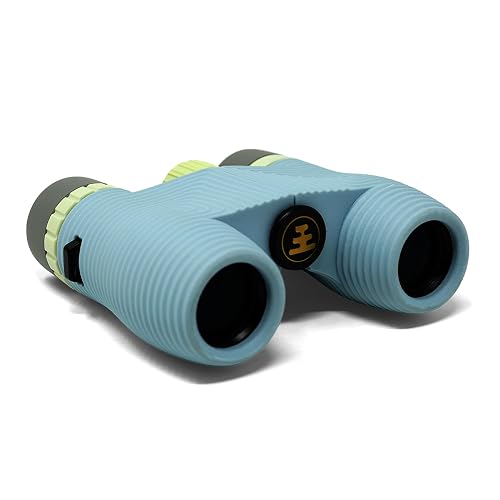
Nocs Provisions Standard Issue 10×25 Binoculars
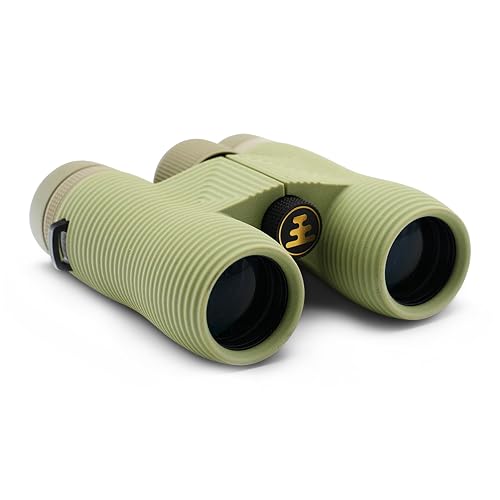
Nocs Provisions Field Issue 10×32 Waterproof Binoculars
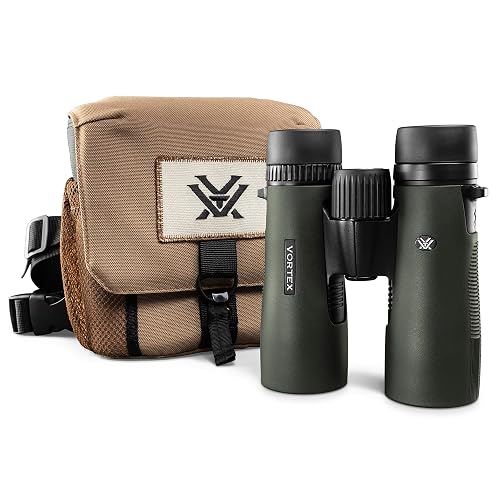
Vortex Diamondback HD 10×42 Binoculars
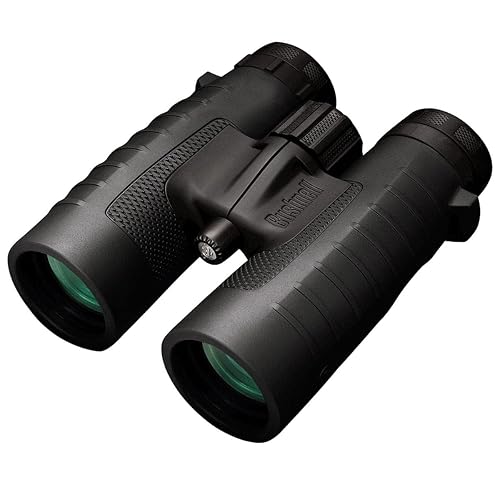
Bushnell Trophy XLT 10x42mm Waterproof Binoculars
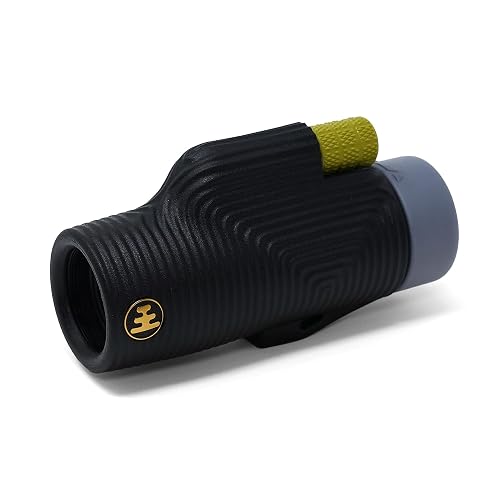
Nocs Provisions Zoom Tube 8×32 Monocular
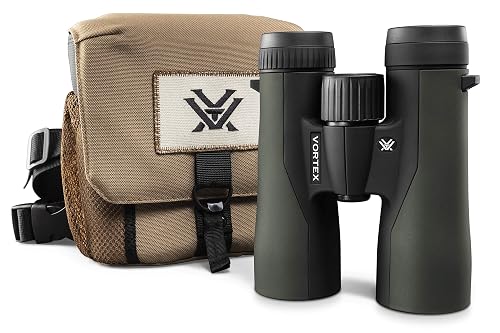
Vortex Crossfire HD 10×42 Binoculars

YINMONE 10×42 Laser Rangefinder Binoculars 2500Yds
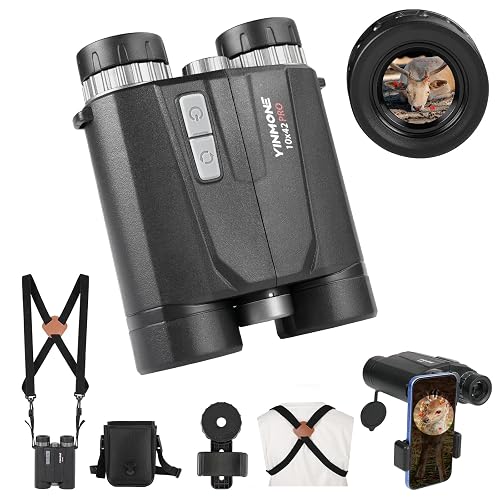
YINMONE Gen2 10×42 Laser Rangefinder Binoculars 2500Yds
A Closer Look At Each Pick
Tucking into a coat pocket or a small day-bag, these 10×25 binoculars are built for hunters who move light. The compact optical tube measures 11.85 oz., and the rubber-armored shell is rated fully waterproof and fog-proof, meaning a sudden drizzle on a mid-morning stalk won’t end your glassing session.
Inside, anti-reflective Fully Multi Coated optics pair with a Swiss-designed Bak4p prism (a high-grade glass prism that reflects light efficiently for a brighter image). The 25mm objective lens is modest, so the system leans toward bright daylight rather than predawn use. For scouting a clearing, locating a flock, or doing a quick sweep before committing to a setup, the views are clean and crisp.
Everyday Wins
- Lightweight 11.85 oz. body disappears in a jacket pocket or chest rig
- Fully waterproof, fog-proof, and scratch-resistant housing handles wet brush and accidental drops
- Bak4p prism with fully multi-coated lenses delivers a bright, color-faithful field of view
- Central focusing system is simple to adjust one-handed while wearing field gloves
Things To Consider
- 25mm objective lens gathers less light than full-size 42mm binos, limiting use in heavy timber at last light
- 10x magnification amplifies hand shake, so a steady rest or tripod pays off during long glassing sessions
Who It Suits Best
Still-hunters, spot-and-stalk walkers, and shed-hunters who pack light and need waterproof glass that rides in a coat pocket.
A Better Fit Elsewhere
Hunters chasing whitetail at dawn should reach for the Vortex Diamondback HD 10×42 instead, where larger objectives and HD glass pull more light from dark timber.
Stepping up from the 10×25, the Field Issue lands in a mid-size sweet spot that suits most North American big-game pursuits. The 16.7 oz. chassis stays light enough for a chest harness but pushes the objective to 32mm, a meaningful bump in light gathering for overcast mornings.
Compared with the pocketable Standard Issue above, the Field Issue’s larger wheel also delivers more precise focus, dialing from 9.3 ft out to infinity, useful when a tom turkey materializes at close range after a long scan across a distant ridge.
Strong Points
- Mid-size chassis balances light gathering with carry weight for full-day hunts
- Bak4p prism paired with HiFi Fully Coated optics delivers sharp, contrast-rich views
- Sealed against water and fog for damp coastal marsh or rainy ridge hunts
- Oversized focus wheel allows fine adjustments even with cold or gloved fingers
Worth Noting
- Still compact enough to bounce around a bino harness pocket, where owners commonly report added dust on the ocular lens after long days
- 32mm objective can’t match full-size 42mm glass in true low light
Key Specs
Made For
Hunters running all-day routes across mixed terrain who want better low-light performance than pocket glass without the bulk of full-size binos.
Consider Something Else When
Glassers needing premium dawn and dusk clarity should consider the Vortex Diamondback HD 10×42, whose 42mm objectives pull significantly more light.
Full-size 42mm objective lenses pull in noticeably more light than either Nocs pick above, and the HD optical system in the Diamondback is built to use that light well. Select glass elements cut chromatic aberration (color fringing around high-contrast edges) and lift color fidelity across dawn hunting hours.
For a deer hunter easing out of a truck before sunrise, the Diamondback is the kind of glass that lets you glass a clover field while color is still coming back into the world. The 10×42 format is a familiar, proven combination that fits standard bino harnesses and works across nearly every North American hunt.
What Helps Most
- HD glass with select elements improves resolution and trims color fringing at long distance
- 42mm objectives gather light effectively for dawn and dusk hunts
- Fully multi-coated lenses push transmission higher for a brighter overall image
- Standard 10×42 size drops into common chest harnesses without fuss
Trade Offs
- Full-size body adds noticeable neck pull on a long day compared to the Nocs 10×32 above
- Larger objective bells require careful cap and harness storage in wet weather
Best Suited To
Whitetail and mule deer hunters who routinely glass before sunrise or after sunset and want HD clarity at a sensible tier.
Reach For A Different Pick When
Hunters needing range data on distant western targets should look at the YINMONE 10×42 Laser Rangefinder Binoculars, which pairs similar optics with a built-in rangefinder.
The Trophy XLT carries a wide 6.2° angle of view, which is the angular width of the scene visible through the optic at a given distance. That extra sweep is a real advantage when scanning open prairie, ag fields, or sage flats where movement shows up on the edges of the frame.
A 10x42mm chassis keeps light gathering in the same range as the Vortex Diamondback above, but the trade-off shifts to scan width rather than maximum reach. Hunters tracking a herd across a basin often prefer a wider window over tighter magnification.
Key Advantages
- 6.2° field of view helps pick up movement in open landscapes
- Waterproof build shrugs off rain and river-bottom humidity
- 10x42mm format suits all-day carry in a standard chest harness
- Comfortable eye relief (the space between your eye and the ocular lens) for extended scanning sessions behind optics
A Few Limitations
- Glass quality lands below the Diamondback HD on resolution at long range
- 10x magnification still amplifies shake without a steady rest
Feature Snapshot
Who Will Love This
Open-country hunters, antelope stalkers, and waterfowl marsh walkers who value a wide scanning window and weather sealing over premium glass.
Skip It When
Hunters comparing close glassing in dense timber should consider the Nocs Provisions Field Issue 10×32, whose smaller objective handles tight brush more easily.
A monocular cuts weight by half, and at 9.5 oz., the Zoom Tube barely registers in a chest pocket. That kind of savings matters on multi-day backcountry hunts where every gram in the pack counts.
The 8x magnification is a deliberate choice. Lower power means a steadier image at full arm’s length, useful when you don’t have time to brace. The 32mm objective and Bak4p prism keep the view bright enough for daylight game-glass duty.
Real Benefits
- 9.5 oz. body fits a chest pocket, belt pouch, or jacket hand-warmer
- Bak4p prism with fully multi-coated optics keeps the small tube optically honest
- Scratch- and water-resistant housing stands up to trail dust and brief rain
- 8x power stays steady when held one-handed at full extension
Softer Spots
- Single-tube design limits depth perception versus true binoculars
- Water-resistant rating falls short of the fully sealed Nocs picks above
Perfect Match For
Backpack hunters, ultralight DIYers, and glassers packing deep miles who would rather not lug full-size binos.
Look Elsewhere When
Hunters who want a wide, immersive view for scanning ridges should reach for the Bushnell Trophy XLT 10x42mm instead.
The Crossfire HD sits one rung below the Diamondback in Vortex’s HD lineup, but the included GlassPak harness is what sets it apart. The harness keeps the binos up high, silent, and ready to deploy without unclipping, which matters on a still-hunt where every noise echoes.
Optically, you get HD glass, fully multi-coated lenses, and the same 10×42 format as the Diamondback. The honest read is that resolution lands just behind its sibling, but for hunters who value the harness system as much as the glass, the Crossfire is the better everyday tool.
Practical Pluses
- GlassPak harness keeps optics accessible, silent, and protected on long stalks
- HD optical system trims chromatic aberration compared to non-HD predecessors
- 10×42 chassis delivers balanced light gathering for most hunt conditions
- Rubber armor and sealed body take weather and abrasion in stride
Honest Caveats
- Glass quality falls just short of the Diamondback HD at extended range
- Harness adds bulk that some hunters find awkward over a heavy pack
Right Fit For
Hunters who log long days on foot and want a complete glass-and-carry system out of the box rather than buying a harness separately.
Another Choice May Suit
Hunters focused on raw optical quality over carry system should consider the Vortex Diamondback HD 10×42 instead.
When distance data matters as much as the view itself, a combined optic cuts the gear list. The YINMONE rangefinder binos combine 10×42 optics with a laser rangefinder that reads out to 2500 yards and tracks real-time speed for moving game.
Inside the chassis, a PXA+UBX+BAK4 prism with multi-coated lenses pushes a bright, sharp image even in low light, while the rangefinder claims 1m accuracy. For western hunters running spot-and-stalk on deer or elk across canyons, having a yardage without swapping gear saves time and keeps the stalk quiet.
Benefits That Matter
- Built-in laser rangefinder up to 2500 yards removes a tool from the pack
- Multi-coated lenses with BAK4 prism deliver bright images at dawn and dusk
- Real-time speed tracking helps read moving herds across open ground
- 10×42 optical format covers most big-game hunting scenarios
Possible Compromises
- Battery dependency means a dead cell at the wrong moment, and owners commonly report keeping a spare on hand
- Heavier than a non-rangefinder 10×42 due to internal electronics
Built With In Mind
Western big-game hunters running long-distance spot-and-stalk on open terrain where a yardage reading directly informs bullet choice.
Where A Sibling Pick Shines
Hunters who rarely need a yardage should consider the Nocs Provisions Field Issue 10×32, which trims weight by skipping the electronics entirely.
The Gen2 steps the rangefinder concept up a notch with what the brand calls GEN2 laser technology, claimed to deliver ultra-fast, accurate distance and speed measurements up to 2500 yards. For hunters in steep country, the angle sensor and slope compensation provide horizontal distance for uphill and downhill shots, a real advantage when ranging across canyon walls.
The included pro harness carries the binos up high and adds a scan mode for real-time tracking. The trade-off compared with the standard YINMONE above is added complexity, slope-adjusted data is useful but takes a moment to interpret under pressure.
Noteworthy Benefits
- Slope-adjusted horizontal distance for uphill and downhill shots
- GEN2 laser technology aims for fast, accurate distance readings at long range
- Scan mode enables continuous ranging for moving animals
- Pro harness keeps the unit accessible during long stalks
Where It May Fall Short
- Slope data can mislead at very close range, where angle error skews results
- More menu steps than a basic rangefinder bino, so practice pays off before season
Core Details
Whose Shelf It Belongs On
Mountain hunters, elk outfitters, and DIY bowhunters who range across canyons and need slope-adjusted data for steep terrain.
Not Your Match When
Hunters who never shoot past open country would do just fine with the standard YINMONE rangefinder binocular above.
What Matters Most When Choosing Affordable Hunting Binoculars
Magnification And Objective Lens Balance
The two numbers on every binocular tell most of the story. The first number is magnification, and the second is the diameter of the front lens in millimeters, which controls how much light the optic gathers. A 10×42 setup pulls significantly more light than a 10×25, which matters at dawn and dusk when most deer move. For early-season scouting and midday hunts, a 10×32 like the Nocs Provisions Field Issue strikes a useful compromise between light gathering and pack weight.
Field Of View And Eye Relief
Field of view is how much horizontal scene fits into the optic at a given distance. A wider view, such as the 6.2° angle on the Trophy XLT, helps hunters track moving animals across open ground. Eye relief, the distance from the rear lens to your eye where the full image is visible, matters for glasses wearers, who generally want 15mm or more for comfortable full-frame views.
Durability And Weather Sealing
Hunting means rain, dust, mud, and the occasional drop on a boulder. Look for fully sealed, nitrogen-purged housings rated waterproof and fog-proof, since internal fogging ruins an optic in cold weather. Rubber armor adds grip in cold or wet hands and protects against knocks against a tree stand or rifle stock.
When Rangefinding Belongs In The Optic
For western big game, a built-in rangefinder like the YINMONE units above saves pack space and speeds up the moment of truth. Slope-adjusted data is genuinely useful on steep terrain, though it adds cost and complexity that whitetail hunters in flat timber rarely need.
Key Considerations Across These Picks
Common Buying Slip Ups
A common slip-up is chasing magnification without thinking about the objective size. A 12×50 pulls a long reach, but the larger objective adds bulk, and the higher power amplifies every tremor. For most hunting scenarios, 8x or 10x with a 32mm or 42mm objective hits the practical sweet spot.
Eye relief is another trap, especially for glasses wearers who need 15mm or more to see a full image. Skipping that check before buying leads to frustrating returns later.
Where The Higher Tier Buys
Stepping up to HD glass, fully multi-coated prisms, and tighter manufacturing tolerances adds noticeable resolution, color fidelity, and low-light performance. The Vortex Diamondback HD is the clearest example here, where select glass elements cut chromatic aberration and lift overall clarity. That upgrade pays off most at dawn, dusk, and over long distances where every bit of detail matters.
Frequently Asked Questions
What magnification is best for hunting binoculars?
For most North American big-game hunting, 8x or 10x covers the practical range. Higher magnification amplifies hand shake and narrows the field of view, which can actually make tracking animals harder in dense cover.
Are 42mm binoculars good for hunting?
Yes, 42mm objectives hit the common hunting sweet spot. They gather enough light for dawn and dusk while staying manageable on a chest harness for long days afield.
Do I need waterproof binoculars for hunting?
For most hunting, waterproof sealing is a real advantage. Rain, river bottoms, and sudden snow squalls all introduce moisture, and a sealed, nitrogen-purged housing prevents internal fogging that ruins the view.
Is a built-in rangefinder worth it in binoculars?
For western hunters running spot-and-stalk on open terrain, a built-in rangefinder like the YINMONE units above can save pack space and speed up ranging. For whitetail hunters in timber, a handheld rangefinder often makes more sense financially.
What is eye relief and why does it matter?
Eye relief is the distance from the rear lens to your eye where the full image comes into view. Glasses wearers generally want 15mm or more so the full field stays visible without removing glasses.