
Hauling a bow, a rangefinder, water, and layers deep into the timber makes or breaks a hunt. The right pack keeps your hands free, your gear quiet, and your back from screaming by mile four. Archery hunters who log long stalks or climb into stands need a pack that earns its weight, and these nine picks cover the bases from meat hauling to bino access.
A Quick View Of The Lineup

Badlands 2200 Hunting Pack w/Meat Hauler

YVLEEN Waterproof Camo Day Pack w/Rifle & Bow Holder

Lone Trail SB1 25L Silent Hunting Backpack

TIDEWE 40L Camo Hunting Pack for Deer Hunting

Muddy Outdoors Pro 1075 Hunting Backpack


Lone Trail Binocular Harness Chest Pack
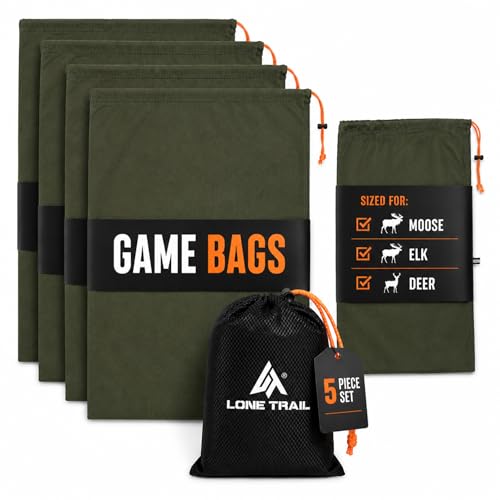
Lone Trail Elk Game Bags 5 Pack

Muddy Outdoors PRO BINO Harness
Taking A Closer Look At The Options
The Badlands 2200 earns its spot at the top for one reason above all: it doubles as a pack and a meat hauler. Western archery hunters who punch tags on elk, moose, or mulies know the pack-out is the hard part, and this design treats that reality as the starting point rather than an afterthought. Built around a load-hauling frame with a dedicated meat shelf, it lets you strap game to the outside without fighting your bow or quiver.
For a hunter logging ten-mile days with a sixty-pound load on the way out, that versatility pays off more than any organizational gimmick. Compared to the lighter day packs further down this list, the 2200 trades sleek minimalism for genuine backcountry capability.
What Works In Its Favor
- Built-in meat hauling shelf keeps loads stable during long pack-outs
- Molded memory foam suspension that conforms to the body over repeated trips
- Reverse tightening waist belt delivers real leverage for cinching under load
- Durable construction aimed at multi-day backcountry hunts
- Wide opening area for clothing, food, and optics
Things To Consider
- Heavier than the day-hunting packs lower on this list
- Bulkier profile can snag in tight brush during stalks
- Higher cost tier than basic camo day packs
Feature Snapshot
Who It Suits Best
Western archery hunters chasing elk, moose, or mule deer who need one pack that hauls meat and gear on the same trip.
Consider Something Else When
Day-hunters looking for a lighter mobile option should look at the TIDEWE 40L, since it carries far less weight on a quick morning sit.
The YVLEEN day pack aims at one audience above all: newcomers who need a single bag that carries a compound bow or a rifle without buying separate kit. That wide compatibility is its hook, and it shows up in the dedicated weapon holder and the organizational pockets for calls, gloves, and licenses.
For someone heading into their first archery season and unsure how much capacity they actually need, the all-in-one design removes a real decision. Where the Badlands 2200 above is built around backcountry pack-outs, this one is built around the morning walk to the stand.
Real-World Strengths
- Dedicated rifle and bow carry system removes the need for slings
- Waterproof construction keeps gear dry on wet mornings
- Multiple organizational pockets for licenses, calls, and rangefinders
- Lightweight profile suits short sits and quick stalks
- Accessible price point for first-time buyers
Worth Noting
- Less suspension padding than the longer-trip packs on this list
- Not built for heavy multi-day pack-outs
- Color options may be restricted on the listing
Quick Facts
Right Fit For
First-season archery hunters who want one affordable pack for both bow and rifle seasons without buying two specialty bags.
Look Elsewhere When
Hunters prioritizing silence on close stalks should consider the Lone Trail SB1, since its stealth fabric handles brush contact much more quietly.
Quiet fabric is the SB1’s whole reason to exist. Most nylon day packs crinkle and rasp against brush, which is the last sound you want while stalking a bedded buck at thirty yards. The stealth tricot shell paired with a TPU coating damps that scratchy noise, which gives this pack a real edge in close-cover hunting.
The padded bow and rifle carry system keeps weapons secured without loose slaps. At 25 liters, the SB1 is the smallest true backpack on this list, sized for day hunting rather than backcountry. Where the YVLEEN above offers more pockets, this one trades storage for stealth.
Practical Pluses
- Silent tricot fabric quiets brush contact during stalks
- TPU coating adds weather resistance without noisy material
- Padded bow and rifle carry secures weapons quietly
- Compact 25L size suits spot-and-stalk hunters on the move
Trade Offs
- Smaller capacity than multi-day options on this list
- Limited interior organization compared to larger packs
Feature Snapshot
Best Suited To
Whitetail and elk hunters running slow stalks in dry timber who value silence over storage space.
A Better Fit Elsewhere
Hunters needing to pack out meat should look at the Badlands 2200, since the SB1 lacks the dedicated hauling shelf for game.
At 3.7 pounds, the TIDEWE 40L hits a sweet spot for hunters who want real capacity without being crushed by an empty pack. The polyester shell keeps weight down while still handling brush and weather, and the multi-pocket layout keeps layers, snacks, and rangefinders in their own place. That separation is one of those details that sounds small until you’ve dug through a single-compartment pack in the dark.
For spot-and-stalk deer hunters covering real ground, the lighter weight means less fatigue by mile three. Compared to the heavier meat-hauling designs on this list, the TIDEWE prioritizes mobility and day-hunting comfort.
The Upside
- Light 3.7 lb build reduces strain over long walks
- 40L interior holds layers, food, and optics with room to spare
- Polyester fabric balances durability and weight savings
- Multiple pockets keep gear separated and accessible
A Few Limitations
- Lacks a dedicated meat hauling shelf
- Not as silent in brush as the Lone Trail SB1
Whose Shelf It Belongs On
Day hunters chasing whitetail or mule deer who cover miles and need room for layers and a lunch.
Not Your Match When
Hunters who expect to pack out meat should consider the Badlands 2200, since this pack is built for carrying gear in, not meat out.
The Pro 1075 leans hard into load-hauling comfort. Wide shoulder straps with integrated padding spread weight across the upper body, and paired sternum and waist straps pull the load closer to the core where the hips do the work. For a hunter heading out with extra layers, a tripod, and a half-day of food, that suspension layout earns its keep fast.
The expandable kangaroo pocket swallows a jacket or extra gear on the outside. Compared to the smaller day packs on this list, this one is closer to a mid-size load hauler for hunters who push deeper or sit longer.
Notable Upsides
- Wide padded shoulder straps handle heavy loads comfortably
- Sternum and waist straps stabilize the load during climbs
- Expandable kangaroo pocket adds storage on the fly
- Elastic side pockets secure bottles and tripods
- Silent poly brush fabric reduces noise in the woods
Soft Spots
- Heavier than smaller day-hunting options
- Bulkier profile for tight still-hunting routes
Key Specs
Who Should Grab It
Hunters running long sits or hauling extra gear, layers, and optics into remote stands.
Swap It Out When
Hunters chasing close-cover bucks should consider the Muddy Pro 500 Lumbar Pack, since its smaller silhouette moves through brush without snagging.
Lumbar packs earn their keep by staying out of the way. The Muddy Pro 500 rides on the hips rather than the shoulders, which matters more than you’d think when you’re still-hunting through thick cover. At 500 cubic inches of main storage, it holds the essentials: calls, license, snacks, and a layer, but no more.
The zipperless lid is the headline feature for stealth hunters. Reaching for a zipper means sound, and this design removes that variable entirely. Where the Pro 1075 above is built for hauling, this one is built for the hunter who refuses to carry more than necessary.
A Strong Showing
- Zipperless lid design removes noise when accessing gear
- Hip-mounted lumbar carry keeps shoulders free for a bow
- Compact 500 cu in main compartment suits still-hunters
- Front stash pocket adds quick-access storage
- Adjustable waist belt fits a wide range of body sizes
Honest Caveats
- Limited capacity for all-day hunts or extra layers
- Not designed for meat hauling or backcountry trips
- May feel unstable under heavy loads
Built With In Mind
Mobile still-hunters who walk tight lines in thick cover and want their shoulders free for a bow draw.
Reach For A Different Pick When
Hunters needing space for layers, food, and rainwear should consider the TIDEWE 40L, since the lumbar pack simply runs out of interior room.
Chest rigs solve a problem backpacks can’t: getting binos up to your eyes in one motion. The Lone Trail harness mounts a binocular pocket and rangefinder pouch right where your hands naturally fall, which means glassing doesn’t require setting your bow down or swinging a backpack around. For archery hunters, that speed can be the difference between a shot and a missed opportunity.
The 500D Cordura shell adds serious weather defense. Cordura is a high-denier nylon woven for abrasion and tear resistance, and 500D sits in the middle of that scale, strong without being heavy. Owners commonly find that rating handles rain, sleet, and thorn cover without complaint.
Strengths Worth Knowing
- Chest-mounted design keeps binos ready without removing gear
- Rain-resistant 500D Cordura shrugs off wet conditions
- Separate rangefinder pouch streamlines ranging and ranging-and-shooting sequences
- Quiet access supports stalking hunters
Points To Keep In Mind
- Not a substitute for a day pack on longer hunts
- Limited capacity for layers or food
Spec Overview
Made For
Archery hunters who glass constantly and want their binoculars and rangefinder ready before the next draw.
Where Another Pick Suits Better
Hunters heading out for full-day hunts should consider the YVLEEN Day Pack, since it carries layers and food this chest rig cannot.
Game bags are the unsung gear of any western hunt. The Lone Trail 5-pack uses breathable ripstop nylon with an open-weave construction, which lets air circulate around meat and moisture escape. That airflow is what keeps meat from spoiling when temperatures swing on a multi-day pack-out, and it’s the difference between hauling quarters home or hauling trash.
A 5-piece set covers a full quartering job for an elk, which is the most common breakdown for solo pack-outs. Where every other item on this list is a carry system, this one solves the other half of the equation: what happens after the shot.
What Earns Its Place
- Breathable 40D ripstop nylon keeps meat cool and dry
- Open-weave construction promotes airflow during multi-day trips
- 5-piece set covers full quartering of an elk
- Lightweight enough to throw in any pack without penalty
- Washable and reusable across multiple seasons
Practical Considerations
- Not a carry pack itself, requires a separate hauling system like the Badlands 2200
- 40D ripstop is lighter than some heavier-duty options
Perfect Match For
Western elk hunters planning solo or two-person pack-outs who need to quarter and hang meat over multiple days.
Skip It When
Hunters staying close to a vehicle on small game should look at a smaller game bag set, since this 5-pack is sized for elk-scale harvests.
The Muddy PRO BINO harness takes a different approach than a chest-mounted rig. Its U-shape construction opens wide to bring binos up to your eyes without fighting the harness, which matters when seconds matter. The soft poly brush fabric keeps the harness quiet against your jacket, which is a detail most harnesses overlook.
The padded back panel adds comfort over long glassing sessions, and the soft-lined interior protects lenses from scratches. Compared to the Lone Trail chest rig above, this one opens differently and may suit hunters who wear bulkier jackets.
A Favorable Mix
- U-shape opening for quick, full access to binoculars
- Soft poly brush fabric reduces noise against outerwear
- Cushioned interior protects optics from bumps and scratches
- Padded back panel adds comfort during long glassing sessions
- Multiple lashing points for extra accessories
Worth Bearing In Mind
- Does not carry layers, food, or water
- Pairing with a backpack is required for full-day hunts
Who Will Love This
All-day glassers running multiple setups who want quick optic access without removing their pack.
Where A Sibling Pick Shines
Hunters wanting a more weather-rugged shell should consider the Lone Trail Binocular Harness, since its 500D Cordura handles heavier rain exposure.
Picking The Right Pack For Your Hunt
Choosing the right pack for archery hunting depends on how, where, and how long you hunt. Silence matters most for close-cover stalkers, while capacity and meat-hauling frames dominate western backcountry trips.
Capacity And Load Size
Capacity drives comfort. A 25-liter day pack handles a layer, snacks, and a rangefinder for a morning sit. A 40-liter pack adds room for rain gear, extra water, and a tripod for longer days. Bigger frames like the meat-hauling designs carry full quarters plus camp gear, and they trade off weight and bulk for capability. Match the pack to your typical day length and shot-to-truck distance.
Quiet Fabrics And Stealth
Nylon crinkles, and that sound carries in still timber. Silent fabrics like tricot or poly brush dampen contact noise when your pack rubs against brush, jacket zippers, or your bow. For spot-and-stalk hunters pushing close to bedded deer or elk, that quiet shell often matters more than pocket count.
Carry System For Your Weapon
Bow hunters need a pack that secures a compound bow or a rifle without a sling swing. Dedicated weapon carry systems, padded attachment points, and quiet release buckles all reduce noise and fumbling. Make sure the carry method matches your weapon of choice before sizing pockets and organization.
Key Considerations Across These Picks
Wrong Turns To Avoid
A common slip is buying by liter count alone. A 40-liter pack with no internal frame can fatigue you faster than a 25-liter pack with proper suspension. Another pitfall is picking a heavily-camoed pack that lacks silent fabric, since a quiet shell often matters more than pattern. Match the pack to the hunt, not the photo.
When Paying More Pays Off
Higher-tier packs invest in suspension, fabric quality, and frame design. For hunters logging long miles or hauling heavy loads, that extra spend shows up in shoulder relief and back comfort by hour four. For day-hunters on a stand, a mid-tier pack delivers most of the benefit at a fraction of the cost.
Frequently Asked Questions
What Size Backpack Do I Need For Archery Hunting?
Most day hunts fit a 25 to 40 liter pack, while multi-day western trips need a frame pack with meat-hauling capability. Match the size to your typical day length and shot distance from the truck.
Are Quiet Fabrics Worth The Extra Cost?
For spot-and-stalk hunters, yes. Silent tricot or poly brush fabrics reduce brush noise that spook game at close range. Stand hunters running short distances notice less difference.
Can One Pack Handle Both Bow And Rifle Seasons?
Several packs on this list, including the YVLEEN and Lone Trail SB1, include dedicated weapon carry systems for both. Check the attachment style to confirm it fits your specific bow or rifle.
How Do I Care For A Hunting Pack?
Brush off dirt after each hunt, air dry before storage, and wash with mild soap when needed. Avoid machine drying, which can damage coatings and adhesives on technical fabrics.
Do I Need A Separate Game Bag Set For Elk Hunts?
Yes, for any multi-day pack-out. Breathable game bags keep meat cool and clean, and a 5-piece set covers a full quartering job for an elk-sized harvest.