
A duck call looks simple, but the wrong one on opening morning leaves you pushing air through a plastic tube while birds flare outside your decoys. Beginners typically need a call that forgives sloppy breath control, runs cheap enough that a dropped-in-the-mud moment doesn’t sting, and still sounds close enough to a real hen to pull birds off the horizon. This list walks through nine well-regarded options across single-reed, double-reed, specialty whistles, and a lanyard that keeps everything within reach, so your first season starts with gear that helps rather than fights you.
A Closer Look At The Lineup
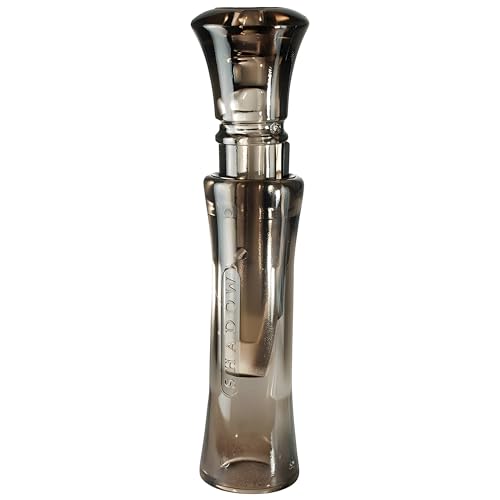
Duck Commander Classic Duck Calls – Variety of Styles

Duck Commander Jase Robertson Pro Series Duck Call

Buck Gardner BGC Double Nasty & Wood Duck Combo

Duck Commander Miss Priss Mallard Drake Call

Duck Commander Phil Robertson Pro Series Oak Call

Haydel’s DR-85 Adjustable Mallard Duck Call
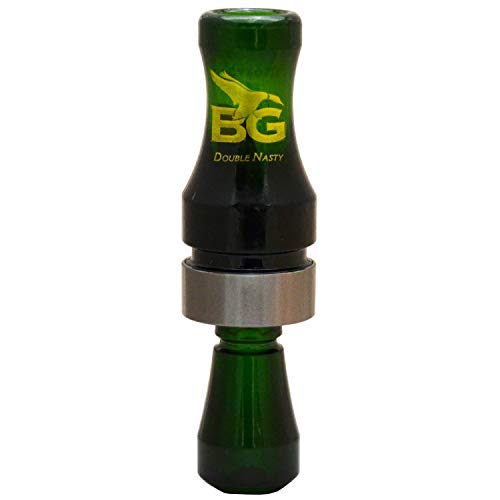
Buck Gardner Poly Double Reed Duck Call

Primos High Roller Duck Call 838

PSKOOK Paracord Duck Call Lanyard
A Deeper Look At The Lineup
The Duck Commander Classic line is the kind of call most folks saw in a sporting goods aisle before they ever saw a live mallard. A single reed (one thin piece of material that vibrates against the mouthpiece when you blow) sits inside a smoke-grey polycarbonate barrel, and that simple combination is what makes it a forgiving first call. Beginners often overblow single reeds and choke the sound, but the RDC100’s friction-fit design tolerates a sloppy breath better than tighter competition calls.
For a hunter who wants a single, affordable call to learn on, this hits the sweet spot. It also pairs well as a backup once you graduate to more advanced setups, since the polycarbonate body shrugs off cold mornings and the occasional drop onto a mud flat.
Everyday Wins
- Single-reed layout produces the raspy mallard hen sound most beginners start with
- Polycarbonate barrel survives cold temps and the occasional drop on the marsh floor
- Low air requirement means you won’t feel winded after a long calling sequence
- Forgiving tone when breath control slips, which happens to every new caller
Small Caveats
- Single-reed calls require more practice than double reeds to master
- Plastic mouthpieces can feel slick with cold lips on a frosty morning
Quick Facts
Right Fit For
First-season hunters who want one call to learn the basics of single-reed manipulation without overthinking the gear.
Swap It Out When
You want a double-reed that handles wet breath and cold air more easily, in which case the Haydel’s DR-85 is a smoother on-ramp.
The Jase Robertson Pro Series steps things up from the Classic line with a burnt-hedge wood barrel (a traditional call-wood with a charred interior that shapes tone) and a clear poly insert that helps you dial in a sharper high end for open water. A gold-anodized aluminum band wraps the middle, both for looks and to keep the two halves locked tight when the temperature swings. The single-reed design still aims at a mallard hen, but with more projection than the RDC100.
It suits hunters who want a step-up call they can grow into rather than replace after a season. The high end cuts through wind on a big reservoir, while the low-end rasp handles finishing birds that circle close.
A Favorable Mix
- Burnt-hedge barrel with poly insert widens the tonal range from soft feed calls to loud hails
- Single-reed layout rewards practice with a genuine mallard hen sound
- Aluminum band adds rigidity and helps the call hold tune through temperature swings
- Works for both timber setups and big-water spreads without re-tuning
Worth Noting
- Wood and aluminum combination raises the price above all-plastic entry calls
- Single-reed mouth control takes practice compared to a double-reed alternative
- Wood barrels can swell slightly if stored wet for long stretches, so wiping down matters
Made For
Hunters who already know basic single-reed manipulation and want a call that handles both loud hail sequences and quiet finishing work on the same hunt.
Look Elsewhere When
You’re shopping for a first call and want something gentler to learn on, in which case the Haydel’s DR-85 double reed is a more forgiving option.
The Timber Pack gives you two calls for the price of one specialty single, which is unusual in this category. The Double Nasty is a loud, raspy double-reed mallard call (a double reed uses two vibrating tongues to create sound, which makes the call easier to blow and harder to overblow), and the Wood Duck Call handles the high-pitched squeals of wood ducks when you stumble into a flock over a swamp. Buck Gardner’s Spit-Tech toneboard (a specially shaped internal surface that resists moisture buildup) keeps the reeds from sticking when your breath fogs in cold air, which trips up cheaper calls fast.
For a beginner who wants to start on mallards and keep options open for wood ducks, this combo is the closest thing to a complete starter kit on the list. The downside is that the Wood Duck Call is a specialty tool, and some hunters may not hunt woodies often enough to justify the extra piece.
What Works In Its Favor
- Two-call kit covers both mallards and woodies without buying separately
- Spit-Tech toneboard keeps the reeds working when conditions are wet or cold
- Double-reed layout forgives overblowing from new callers
- Polycarbonate bodies shrug off bumps in a boat or blind
Trade-Offs
- Wood duck call is a niche tool some hunters may rarely use
- Bundle cost runs higher than a single starter call
- Double reeds produce less tonal range than a trained single-reed caller can extract
Best Suited To
New hunters in timber country or mixed-marsh areas who might run into wood ducks as well as mallards in the same season.
Reach For A Different Pick When
You’re strictly a puddle-duck hunter on open water, in which case the Phil Robertson Pro Series oak call is a tighter single-call fit.
The Miss Priss is a single-reed call built to imitate a drake mallard, which is the male of the species. That’s a different vocalization than the hen sounds most beginners learn first, but late-season hunting often calls for drake talk to trigger competitive responses from wary birds. The high-impact plastic body keeps weight low and survives the kind of handling that would crack a wood call.
It’s a specialty tool rather than an everyday call. Most beginners will want to start with a hen call like the RDC100 and add a drake call once they’ve heard enough real ducks to know what they’re mimicking.
Strengths Worth Knowing
- Drake-specific tone adds variety when hens alone won’t close the deal
- High-impact plastic body shrugs off cold temps and rough handling
- Light enough to hang on a lanyard without pulling your neck over
- Single-reed design gives a true raspy mallard tone when you blow it right
Points To Keep In Mind
- Drake calls are a second-call purchase for most beginners, not a first
- Single-reed manipulation requires more practice than a double-reed learning curve
Who Should Grab It
Late-season hunters who already run a hen call and want a drake response trigger for educated, late-season mallards.
Consider Something Else When
You’re building your first setup from scratch, in which case the Haydel’s DR-85 is a more well-rounded first call.
The Phil Robertson Pro Series sits at the top of the Duck Commander beginner-friendly lineup, with a high-impact oak barrel and the raspy “ducky” tone the brand is known for. The wood gives the call a warmer character than the all-plastic RDC100, and the volume carries well in both timber and open field setups. It’s billed as an all-purpose call that works for newcomers and seasoned hunters alike.
For a beginner who wants one call that can stay on the lanyard for years, the oak barrel is a more traditional choice than the polycarbonate Classic. It also tends to handle breath control mistakes with more grace than tighter competition calls.
Real-World Strengths
- High-impact oak barrel projects volume without sounding thin
- All-purpose tone works for feed calls, hail calls, and everything between
- Easy-blowing design forgives the overblowing mistakes new callers make
- Wood finish gives a classic feel without sacrificing field durability
A Few Limitations
- Sits above entry-level plastic calls in price
- Wood can dry out and crack if stored in a hot truck cab for months
Feature Snapshot
Perfect Match For
Hunters who want a wood call with serious volume and the classic Duck Commander tone, regardless of skill level.
Where Another Pick Suits Better
You want a more forgiving double reed to start with, in which case the Buck Gardner Poly Double Reed is easier on new lungs.
The Haydel’s DR-85, nicknamed “The Deceiver,” is a double-reed mallard call with a fully adjustable floating wedge, meaning a small internal piece can be slid forward or back to tighten or loosen the tone. That adjustability is unusual at this price point and turns the DR-85 into a teaching tool: you can back the wedge off while you learn, then tune it tighter as your control improves. Each call is hand-tuned by a professional caller before it ships, and it’s designed to keep working even when your breath runs wet.
It is hand-tuned and made in the USA, which matters to hunters who want a tool that arrives ready to hunt. The double-reed setup also forgives the breath-control mistakes that derail most beginners.
Features That Help
- Adjustable floating wedge lets you tune tone to your skill level
- Hand-tuned before shipping, so it arrives ready to use
- Double-reed layout forgives overblowing from new callers
- Continues to function when breath is wet or conditions are humid
Things To Weigh
- Adjustable wedge can shift if dropped, requiring occasional re-tuning
- Double reeds have less tonal range than a trained single-reed caller can pull from a single reed
Whose Shelf It Belongs On
New callers who want a call they can grow into rather than replace after one season, plus anyone who likes the idea of adjusting tone without buying another call.
Skip It When
You want a single-reed call to start training the muscle memory of that style, in which case the Duck Commander Classic RDC100 is the more direct route.
The Poly Double Reed is Buck Gardner’s single-call answer to the Double Nasty combo, and it leans hard into the Spit-Tech toneboard technology. That toneboard is shaped to channel moisture away from the reeds, which means the call keeps blowing when the temperature drops and your breath fogs up the inside of the barrel. The polycarbonate body is light, tough, and unbothered by cold weather that turns some plastic calls brittle.
For hunters who spend long mornings in freezing layout blinds, the reliability of a call that won’t quit on you is worth a lot. It’s also one of the louder double reeds in this price range, which helps when you’re calling across a big spread.
Practical Advantages
- Spit-Tech toneboard prevents sticking when breath is wet or cold
- Polycarbonate construction tolerates cold weather without cracking
- Loud, raspy double-reed tone carries over long distances
- Hand-tuned in Memphis, TN before shipping
Honest Caveats
- Double-reed calls have a softer learning curve but limit tonal variety compared to single reeds
- Polycarbonate finish can feel slick to hold with cold or wet gloves
Built With In Mind
Cold-weather hunters in northern marshes and big-water guides who need a call that won’t quit in freezing rain.
A Better Fit Elsewhere
You mostly hunt timber in moderate weather and want more tonal range, in which case the Phil Robertson Pro Series oak call is a warmer-sounding alternative.
The Primos High Roller is a completely different tool from a standard mallard call. It uses a built-in roller bar across the mouthpiece that automatically creates a rolling, fluttering whistle when you blow across it, mimicking the pintail whistle (a fast, high-pitched rolling sound made by male pintails in flight) without the tongue placement that usually trips up new callers. The same call also produces mallard drake grunts, widgeon whistles, and teal calls, so it covers four species in one tool.
It’s a specialty add-on rather than a primary call, and it shines for hunters who run into mixed flocks of whistling ducks or want to add variety to a hen-call setup. For a first purchase, you’d still want a mallard call like the Haydel’s DR-85 alongside it.
Useful Highlights
- Built-in roller bar removes the tongue technique barrier for the pintail whistle
- Covers pintail, mallard drake grunt, widgeon, and teal in one call
- Compact body fits easily on a crowded lanyard
- Reliable flutter even with short, choppy breaths from a beginner
Where It Is Less Suited
- Doesn’t replicate hen mallard sounds, so it isn’t a standalone primary call
- Roller mechanism can clog with dirt if stored in a dusty blind bag
Who It Suits Best
Hunters who target mixed flocks with pintails, widgeon, or teal and want a one-call way to roll those whistles without advanced mouth technique.
Not Your Match When
You need a primary mallard hen call, in which case the Duck Commander Classic RDC100 is the more foundational tool.
The PSKOOK lanyard isn’t a call at all, but no beginner kit is complete without a way to keep calls, whistles, and gear within reach. The hand-braided paracord (a strong nylon cord originally developed for parachute suspension lines, now standard in outdoor gear) layout has 12 adjustable loops, enough to carry several calls plus a whistle, and the 35.4-inch length fits comfortably over a jacket or waders. At 0.8 inches wide, it sits flat against your chest without bouncing when you walk.
For a beginner collecting their first calls, this is the lanyard to start with so you don’t lose gear in the marsh. It’s also useful beyond waterfowl: goose calls, predator calls, and pheasant whistles all fit the loops.
Points In Its Favor
- 12 adjustable loops hold multiple calls, whistles, and gear
- Hand-braided from about 60 feet of paracord for solid strength
- Wide 0.8-inch braid spreads weight across the neck instead of digging in
- 35.4-inch length fits over heavy jackets and waders
Soft Spots
- Paracord absorbs water and can stay wet on rainy mornings, taking time to dry
- Light color options may show mud stains after a marsh hunt
Who Will Love This
New hunters building their first kit who want one piece of gear to hold everything from mallard calls to goose whistles.
Consider Something Else When
You only need a primary mallard call and nothing else yet, in which case the Haydel’s DR-85 is the more essential starting tool.
What Matters Most Before Choosing Beginner Duck Calls
A duck call is a simple tool, but the differences between them show up fast once you’re standing in a blind at dawn. The reed style, the material, the way the call fits in your hand, and how forgiving it is when your breath control slips all play into whether a call helps you or gets in the way.
Reed Type Sets The Tone
Single-reed calls deliver a wider range of sounds and a classic raspy tone, but they take real practice to blow cleanly. Double reeds (two thin tongues vibrating together) are easier to control, which is why most beginners start there. Haydel’s DR-85 and the Buck Gardner models lean into that double-reed forgiveness, while the Duck Commander Classic RDC100 and the Phil Robertson Pro Series give you a single reed to grow into.
Material Affects Sound And Durability
Polycarbonate calls like the Buck Gardner Poly Double Reed shrug off cold and abuse without much fuss. Wood calls like the Jase Robertson Pro Series and the Phil Robertson Pro Series offer warmer tone and a more traditional feel but need a little more care, especially around moisture and temperature swings.
Volume And Range
Hunting open water means you need a call that carries. The Phil Robertson Pro Series oak call and the Buck Gardner Poly Double Reed both project well, while the Primos High Roller handles a different job entirely: the rolling pintail whistle that adds variety to a mixed-flock setup.
Extras Round Out The Kit
A lanyard like the PSKOOK keeps your growing call collection organized. Specialty calls like the Miss Priss drake call or the Primos High Roller add specific sounds you don’t get from a single mallard hen call, so they become useful once you have the basics down.
Key Considerations Across These Picks
Where Shoppers Go Wrong
The most common mistake is buying a call that’s too advanced for a beginner’s skill level. Single-reed competition calls look impressive on the rack but punish sloppy breath control with squeaks and broken notes. Another trap is ignoring how a call behaves in cold weather; calls without a Spit-Tech or similar system will stick when your breath fogs the barrel. Finally, picking a call based only on looks or brand recognition can lead to a specialty tool that doesn’t match the mallard-heavy hunting you’ll actually do.
The Case For Spending Up
Higher-tier calls like the Jase Robertson Pro Series or the Phil Robertson Pro Series oak call earn their higher price through materials, hand tuning, and tonal range. The upgrade is worth it once you’ve practiced enough to appreciate a wider sound palette, but for a first-season hunter, a forgiving double reed like the Haydel’s DR-85 or the Buck Gardner Poly Double Reed gives you a more reliable learning platform without the premium.
Frequently Asked Questions
What Is The Easiest Type Of Duck Call For A Beginner?
Double-reed calls are generally the most forgiving for new callers because the two reeds vibrate together and require less precise breath control. Picks like the Haydel’s DR-85 and the Buck Gardner Poly Double Reed are good starting points for that reason.
Do I Need More Than One Call To Start?
For most beginners, one versatile mallard hen call covers the first season. A specialty call like a drake call (Miss Priss) or a whistling call (Primos High Roller) becomes useful once you’ve built basic skills and want more variety.
How Do I Keep A Call Working In Cold Weather?
Calls with a moisture-resistant toneboard, like the Spit-Tech design on Buck Gardner models, hold up better when your breath fogs the inside of the barrel. Wiping the call dry after a hunt and storing it in a warm pocket also helps preserve the reeds.
Are Wood Calls Better Than Plastic Calls?
Wood calls often deliver a warmer, more traditional tone, but plastic calls like the polycarbonate Duck Commander Classic and Buck Gardner models are tougher in rough conditions. The choice usually comes down to sound preference and how much care you’re willing to give the call between hunts.
How Long Does It Take To Sound Decent On A Duck Call?
Most beginners produce recognizable sounds within a few practice sessions, but sounding natural to live ducks usually takes a season or more of regular practice. Listening to real mallards and copying their cadence helps more than any single piece of gear.