
Planning a safari means long, dust-smeared drives across open terrain, followed by patient glassing for movement on a distant ridge. The right binoculars turn a vague shape into a species ID, and a bad pair turn three hours of tracking into squinting. This roundup breaks down eight optical options built for that kind of work, from pocketable companions you can slip next to a rangefinder to full-size field glasses meant for wide, bright viewing from a shooting stick.
A Snapshot Of The Selections
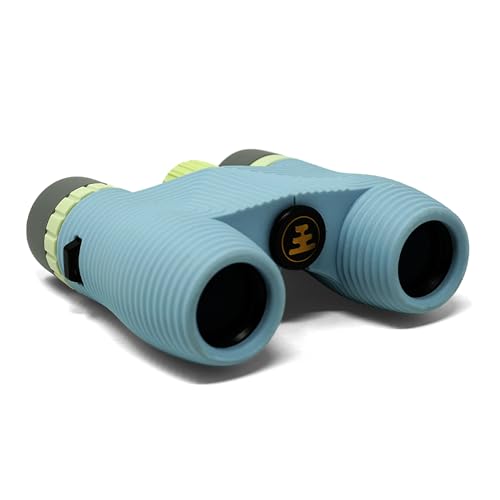
Nocs Provisions Standard Issue 10×25 Binoculars
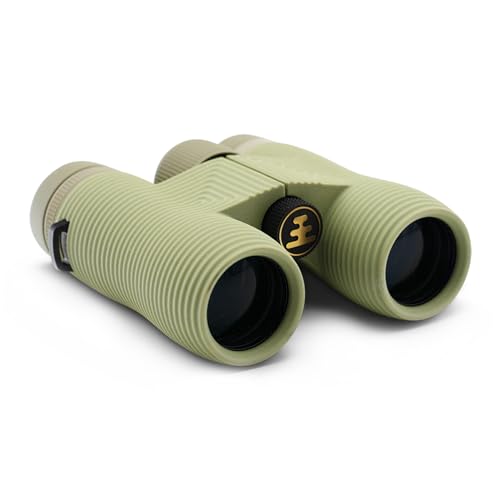
Nocs Provisions Field Issue 10×32 Compact Binoculars

Bushnell Trophy XLT 10×42 Binocular Bundle

Steiner Marine 7×50 Binoculars

Nocs Provisions Zoom Tube 8×32 Monocular

Vortex Crossfire HD 10×42 Binoculars

WARMTUYO 4K Night Vision Goggles 3.5″ Display

WARMTUYO 4K Night Vision Goggles 3.0″ Display
Taking A Closer Look At The Options
Pocket-sized binoculars earn their place on a safari when vehicle space is tight or you want a quick scan while walking between blinds. The Nocs Provisions Standard Issue 10×25 weighs in at around 11.85 ounces, making it light enough to hang from a lanyard all day without neck fatigue. Fully multi-coated lenses paired with a Bak4 prism (a high-density glass prism that transmits more light than standard BaK7 designs) help keep the image reasonably bright for the size class.
For travelers packing light, this pair slips into a jacket pocket or daypack and stays out of the way until a movement catches your eye across the savanna. The waterproof and fog-proof sealing means an unexpected rain shower or a cold morning drive won’t fog the optics internally.
The Case For It
- Compact build slips into a pocket for quick scans between sightings
- Fully multi-coated optics with a Bak4 prism keep views relatively crisp
- Sealed waterproof construction handles unexpected African storms
- Lightweight enough to wear around the neck for hours
Things To Consider
- 25mm objective lenses gather less light than larger models at dawn and dusk
- 10x magnification in a tiny body shows handshake wobble more than heavier binoculars
- Lanyard strap sold separately in most bundles
Who It Suits Best
Travelers and birders who want a pocket-friendly pair for general scanning during day drives.
Consider Something Else When
Photographers working long sessions at first light will find the Steiner Marine 7×50 a brighter, steadier option thanks to its larger objective.
Stepping up to a 32mm objective lens trades a bit of pocket room for noticeably brighter views, and the Field Issue from Nocs sits in a useful middle ground between the 25mm Standard Issue and the full-size 42mm options. At 16.7 ounces, it stays manageable on long foot stalks where every ounce counts. The oversized focus wheel gives a tactile, glove-friendly adjustment, which matters when tracking a moving herd through the brush.
Compared to the Standard Issue above, this pair pulls in more light through its larger objective, so predawn and late-afternoon glassing improves. The HiFi fully coated optics and Bak4 prism keep color and contrast solid for the price tier, and the sealed housing shrugs off dust, mist, and the occasional drop onto rocky ground.
Strengths Worth Knowing
- Larger 32mm lens gathers more light than pocket 25mm models
- Oversized focus wheel is easy to turn with cold or gloved hands
- Shockproof housing handles rough handling in field conditions
- Compact size still fits in most daypack pockets
Trade Offs
- Heavier than true pocket binoculars for long neck-wearing sessions
- 10x power can amplify shake during extended handheld spotting
- No harness included in the standard bundle
Built With In Mind
Walk-and-stalk hunters and birders who want more light than a pocket pair without committing to full-size 42mm binoculars.
Look Elsewhere When
Safari-goers spending long hours on game drives will appreciate the included harness and wider field of view on the Bushnell Trophy XLT bundle.
The 10×42 format remains a hunting sweet spot, and the Bushnell Trophy XLT Bone Collector Edition pairs that familiar configuration with a harness that keeps the weight off your neck. The included deluxe harness redistributes the load across both shoulders, which makes a long day on a tracker seat far more comfortable. Roof prism construction keeps the body slim enough for the harness straps to sit naturally without bulk.
Fully multi-coated optics deliver the brightness needed for dawn and dusk glassing, while nitrogen purging and O-ring sealing protect against internal fogging during temperature swings. At roughly 25 ounces, the binoculars sit light enough to wear for hours, and the fast-focus center wheel speeds up adjustments when animals are moving.
Standout Benefits
- Included deluxe harness reduces neck fatigue on long drives
- 10×42 format balances reach and light gathering for varied species
- Waterproof and fog-proof sealing handles weather shifts across regions
- Roof prism body keeps the profile slim against the harness straps
Points To Note
- 15.2mm eye relief may feel tight for users who wear glasses
- Bone Collector Edition branding is cosmetic and adds nothing to performance
- Harness quality can vary, so check stitching out of the box
Quick Facts
Whose Shelf It Belongs On
Safari-goers spending long hours on game drives who want a balanced 10×42 with a built-in harness solution.
A Better Fit Elsewhere
Budget-conscious travelers might prefer the Vortex Crossfire HD 10×42, which offers similar optics without the bundled harness.
A 7×50 configuration is the classic “exit pupil” binocular, meaning the diameter of the light beam leaving the eyepiece matches the human eye’s widest dilation, around 7mm. That alignment makes Steiner’s Marine 7×50 unusually comfortable during twilight hours when pupils dilate and other glass dims. The floating prism system uses flexible silicone mounts to absorb shock and keep optical alignment steady over years of rough field use.
The sports auto-focus feature keeps the view sharp from about 20 yards to infinity once set, which suits tracking a moving herd. A high-contrast optical system aims at true-to-life color reproduction, helping with species ID when subtle coat colors separate a kudu from an eland at distance.
The Upside
- Large 50mm objective pulls in substantial light for dawn and dusk use
- Sports auto-focus keeps the view sharp across long tracking distances
- Floating prism system resists alignment drift from drops and bumps
- 7x magnification produces a steadier handheld image than 10x
A Few Limitations
- Bulkier than compact options, weighing down smaller hands on long walks
- Marine build is fully waterproof, which adds weight some hikers notice
- Field of view at 356 feet per 1000 yards is narrower than wide-angle hunters expect
Feature Card
Best Suited To
Hunters who start the day before sunrise and value a bright, steady image over reach during low-light activity.
Swap It Out When
Walkers covering long distances on foot will find the compact Nocs Provisions Field Issue 10×32 easier to carry for hours.
A monocular earns space in a safari kit when weight and pack real estate matter more than binocular depth perception. The Zoom Tube 8×32 from Nocs Provisions weighs just 9.5 ounces and slips into a pocket or pouch with room to spare for a rangefinder or field journal. Fully multi-coated optics paired with a Bak4 prism keep the single-eye view bright enough for daytime spotting at the 384-foot field of view at 1000 yards the brand cites.
Scratch-proof exterior coatings and water-resistant sealing give it everyday field durability, though it’s not as fully sealed as the brand’s binocular line. For quick IDs between sightings, a monocular is faster to deploy than a binocular harness, and the central focus wheel operates smoothly with one hand.
Reasons It Performs
- Ultralight 9.5-ounce body disappears in a pocket or chest pouch
- Bak4 prism and fully multi-coated optics keep the image sharp
- Single-eye use is faster to deploy than lifting binoculars from a harness
- Water-resistant build handles mist and brief rain
Honest Caveats
- Monocular design lacks the depth perception of two-eyed viewing
- Not fully waterproof, just water-resistant, so avoid dunking
- One-eye extended viewing can fatigue faster than binocular use
Who Should Grab It
Light packers and backup-glass carriers who want a fast-deploy single-eye optic for quick distance checks.
Reach For A Different Pick When
Hunters needing steady low-light identification should consider the Steiner Marine 7×50 instead.
Vortex has built a strong following among hunters, and the Crossfire HD 10×42 sits in the brand’s sweet spot for a value-driven 10×42. HD optical elements aim to cut chromatic aberration, the color fringing that shows up around high-contrast edges like dark branches against bright sky. That matters in bushveld glassing, where a leopard in dappled shade can become a blur of purple fringes through cheaper glass.
Compared to the Bushnell Trophy XLT bundle above, this pair ships without a harness but offers similar optical performance in a lighter-feeling package. The included GlassPak harness is a popular carry system for fast optic deployment, and the rubber armor handles dust and rough mounting onto a vehicle window mount.
Everyday Perks
- HD glass elements reduce color fringing on high-contrast targets
- Fully multi-coated lenses and a quality prism keep views bright
- GlassPak harness allows quick deployment from a chest carry
- Rubber armor protects against dust and minor drops
Worth Noting
- 10×42 format shows handshake wobble more than 8x or 7×50 designs
- GlassPak harness adds bulk compared to a simple neck strap
- Lens caps can pop off during bumpy game drives
Feature Snapshot
The Right Fit
First-time safari travelers and value-focused hunters who want a proven 10×42 with modern optical upgrades.
Not Your Match When
Anyone primarily glassing at dawn or dusk will appreciate the Steiner Marine 7×50’s larger 50mm objectives for darker conditions.
Predator calling and night-drive spotlighting call for digital night vision rather than daylight-only glass, and the WARMTUYO 4K night vision goggles address that need with a 3.5-inch HD screen. The 9-level infrared illuminator adjusts to suit ambient darkness, while the 16x digital zoom extends the reach beyond standard optical magnification. A 5000mAh battery is rated for up to 12 hours of runtime, and a 32GB TF card ships in the box for saving photos and video.
Where daylight binoculars rely on available light, this unit emits its own infrared beam (essentially an invisible spotlight) to paint the scene, then displays the result on the rear screen. That format is bulkier than a conventional binocular but unlocks full darkness operation, useful for hog or predator hunts after dark.
What It Does Well
- 9-level infrared adjustment adapts to varying dark conditions
- 16x digital zoom reaches beyond standard optical limits
- 5000mAh battery supports extended overnight use
- Built-in 4K recording captures evidence of nocturnal sightings
Things To Weigh
- Digital zoom degrades image quality as the magnification increases
- Screen-based viewing takes adjustment for binocular-trained eyes
- IR illuminator range is limited compared to military-grade units
Feature Rundown
Perfect Match For
Predator hunters and night-driven safari-goers who need a digital optic with built-in recording for after-dark work.
Skip It When
Daytime birders and standard game-drive use are better served by the Vortex Crossfire HD 10×42 with brighter optical glass.
The smaller sibling of the WARMTUYO 3.5-inch model above trims the display to 3.0 inches for a slightly more compact handheld feel. Same 9-level infrared adjustment, same 16x digital zoom range, and the same 5000mAh battery keep the core night vision capability intact. The body shape is friendlier for one-handed scanning from a tracker seat or a vehicle window.
For night-drives where space on the seat and in the daypack matters, this slimmer unit tucks into smaller spots without giving up the recording and IR features. Hunters commonly report the smaller display feels more like holding a smartphone, which speeds up the learning curve for anyone used to digital devices.
Everyday Advantages
- Compact body fits tighter daypack pockets
- 9-level infrared matches the larger model across the same darkness range
- 16x digital zoom reaches distant nocturnal targets
- 32GB card ships in the box for immediate recording
Some Limits To Know
- 3.0-inch screen is smaller and harder to read at arm’s length than the 3.5-inch version
- Digital zoom still loses image quality at maximum magnification
- Body ergonomics favor handheld use over harness wear
Who Will Love This
Travelers who want a portable night vision optic for tracking or spotlighting without the bulk of larger digital units.
Where Another Pick Suits Better
Hunters wanting maximum optical clarity in daylight should pair a dedicated binocular like the Bushnell Trophy XLT 10×42 with a separate thermal or night scope.
Field-Tested Factors That Shape A Safari Glass Decision
Choosing binoculars for an African hunt means balancing light gathering, magnification, weight, and durability against the way the trip actually unfolds. Dawn and dusk drives demand larger objective lenses, the front glass elements that gather light, with 42mm or 50mm diameters pulling in noticeably more than compact 25mm or 32mm optics. That extra brightness often matters more than reach in low light, so a 7x or 8x binocular can outperform a 10x when the sun sits low on the horizon.
Magnification trades against stability. Higher power pulls distant animals into clearer view but amplifies every handshake and heartbeat tremor. Walk-and-stalk hunters usually accept that trade for the reach, while vehicle-based trackers may prefer steadier 7x or 8x models that scan faster across wide savanna. Eye relief, the distance from the eyepiece lens to where the image forms, matters for glasses wearers; anything below about 15mm can clip the field of view when wearing spectacles.
Build quality separates a working optic from a paperweight. Nitrogen purging, a process of sealing the body and replacing internal air with inert nitrogen gas, prevents internal fogging during temperature swings between cool morning drives and hot midday sun. O-ring sealing adds dust and rain resistance, and rubber armor cushions minor drops onto rocky terrain. A good harness or strap system keeps the weight off the neck during long days, which can stretch past twelve hours on multi-species trips.
Key Considerations Across These Picks
Mistakes Worth Dodging
A common slip is choosing the highest magnification without considering how steady your hands are during extended viewing. Another pitfall is buying a compact pocket pair and expecting it to replace full-size glass during dawn drives, when smaller objectives simply can’t gather enough light for clean images. Skip the urge to match a friend’s recommendation without considering your own carry style and visual needs.
What Separates Premium From Basic
Higher-tier models earn their cost through better prism glass, denser optical coatings, and tighter mechanical tolerances. That translates to brighter images at the edges of the field of view, less chromatic aberration around high-contrast branches, and focus wheels that stay smooth after years of use. The upgrade pays off most for travelers heading out on long, multi-drive safaris where the optics earn their keep daily rather than sitting in a hotel room between outings.
Frequently Asked Questions
What magnification works best for safari game drives?
Most guides and outfitters lean toward 8x or 10x as the practical sweet spot. Higher magnification makes distant targets easier to identify but amplifies hand tremor, so 10x is typically the practical upper limit for handheld use.
Are 42mm binoculars big enough for dawn and dusk glassing?
Yes, a 42mm objective gathers plenty of light for most dawn and dusk activity. The biggest gains come from stepping to a 50mm objective like the Steiner Marine 7×50, but the extra weight and size only matter for travelers prioritizing low-light performance over compact carry.
Can digital night vision binoculars replace daytime optics on safari?
Not really. Digital night vision excels after dark but adds bulk, weight, and screen-based viewing that feels unfamiliar in bright daylight. Most hunters carry dedicated daylight binoculars as the primary optic and add a night vision unit only when night drives or predator hunting are part of the plan.
Do I need waterproof binoculars for a safari?
Given unpredictable rains and dusty roads, waterproof and fog-proof sealing is widely recommended. Nitrogen purging keeps internal lenses from fogging during temperature swings between cool mornings and hot afternoons.
What is the ideal binocular weight for all-day carry?
Most safari-goers find anything under about 25 ounces comfortable for full-day wear with a harness. Heavier options like a full-size 50mm binocular benefit from a vehicle seat or tripod rather than continuous neck carry.