
Heading into deer season with a bow that doesn’t match your style is a fast way to make a frustrating year. The right setup should feel like an extension of your routine, whether you’re new to archery, transitioning from target practice, or stepping up to a dedicated hunting rig.
This roundup sorts through recurve and compound options built for whitetail woods and tree-stand mornings. Every pick was chosen for a specific reader profile, with honest trade-offs called out so you can match your budget and skill level to the bow that makes sense for your hunting grounds.
The Choices Worth Comparing

Sanlida Eagle X9 58″ RTH Standard Recurve Bow and Arrow Set
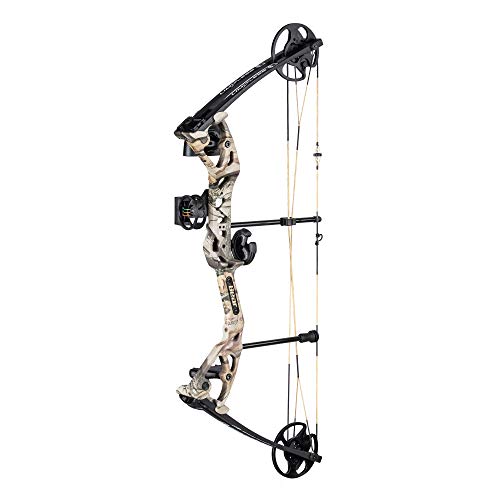
Bear Archery Limitless Dual Cam Compound Bow

Sanlida Noble Standard Target Recurve Bow and Arrows Kit

Surwolf Compound Bow Kit Hunting and Targeting

Sanlida Hermit X8 Standard ILF Hunting Recurve Bow
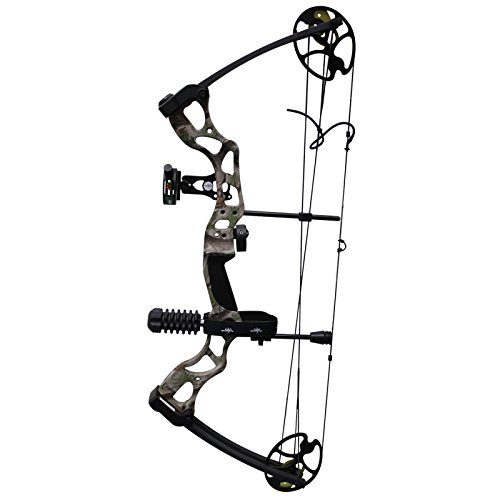
SAS Outrage 70 lbs Hunting Compound Bow
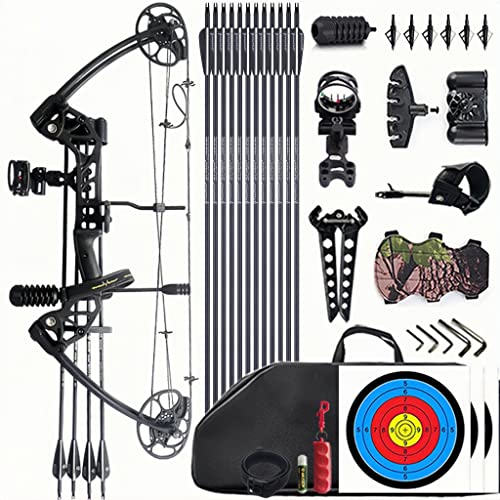
Lanneret Compound Bow and Archery Set
Meet The Standout Selections
The Sanlida Eagle X9 is built for shooters stepping into hunting without a pile of separate accessory orders. As a takedown recurve (a bow that separates into upper limbs, lower limbs, and a riser for transport and tuning), it breaks down for transport in a truck cab or backpack, then reassembles quickly when you reach the staging area.
Wood construction keeps the look traditional, and the matched accessory set means you spend time shooting rather than chasing compatible arrows or rests. For a first-season whitetail hunter, the Eagle X9 removes most of the gear-shopping friction.
Positive Points
- RTH (ready-to-hunt) kit removes the guesswork on arrow selection and accessory matching.
- Takedown design lets you store it in a closet or carry in a case without long-term limb stress.
- 25 to 60 lb draw weight range covers youth, women, and most adult beginners in one package.
- 58-inch length splits the difference between maneuverability in a ground blind and stability at full draw.
Things To Consider
- Riser wood benefits from a light wax or sealant once a season to prevent checking in dry climates.
- Strings typically need replacement after roughly 1,000 shots depending on humidity exposure.
Key Product Details
Made For
First-season hunters and family households sharing one setup across different shooters.
Where Another Pick Suits Better
Target shooters refining form at long yardages will prefer the Sanlida Noble recurve, since its length range supports longer draw styles.
The Bear Archery Limitless stands out as the package that meets a shooter in the middle of their compound journey. A dual-cam system (two mirrored cams on either end of the bow that synchronize to store and release energy) produces consistent arrow launches without the tuning drama that single-cam setups sometimes cause.
It’s a flexible choice for a family or growing archer, since the draw weight and draw length adjust to span youth through adult frames. For someone moving from a youth setup into adult hunting, this rig carries them across several seasons.
A Few Strong Suits
- Dual-cam design produces a balanced, predictable shot at 265 fps.
- Adjustable draw weight and length cover a wide range of archer sizes.
- Includes Trophy Ridge sight, Whisker Biscuit, and quiver for a complete out-of-box setup.
Honest Caveats
- Tuning screws need occasional checks after heavy use or transport vibration.
- Strings and cables typically need an annual waxing to hold cam timing.
Best Suited To
Transitional hunters moving from youth to adult draw profiles who want one bow to grow with them.
A Better Fit Elsewhere
Hunter on a tight budget who wants a complete compound kit should look at the Lanneret compound, since it ships with the basic accessories at a lower entry point.
Where the Eagle X9 leans toward hunting, the Sanlida Noble shifts toward range and target practice. Six available lengths (48, 54, 62, 66, 68, and 70 inches) let you tune the bow to your body rather than working around a fixed size, and that matters for shooters spending long sessions drilling form.
For someone building the muscle memory that deer season eventually rewards, the Noble is a forgiving range companion. You may find the right length matches your draw cleanly and keeps the back wall consistent shot to shot.
Good Reasons To Consider
- Six length options make it easier to dial in the bow to your specific draw.
- Wooden takedown construction stores compactly between practice sessions.
- Right-handed only configuration suits the dominant majority of shooters.
- Lower cost entry point for archers who want recurve fundamentals without premium pricing.
Worth Noting
- Riser wood benefits from light oiling in dry storage to prevent splitting.
- Arrow rest and plunger may need a tune-up after break-in.
Quick Facts
Whose Shelf It Belongs On
Range shooters building consistent form who want to fine-tune length rather than compromise on a fixed frame.
Swap It Out When
Hunters planning actual deer stalks should consider the Sanlida Hermit X8 recurve instead, since its ILF limbs (International Limb Fit, a standardized mounting pattern that lets you swap limbs between brands) support a more hunting-focused weight range.
The Surwolf compound earns its spot on this list through adjustability. With draw weight adjustable from 0 to 70 lb and draw length spanning 9 to 31 inches, you can set the bow up for almost any frame at the table, then tune it up as your strength and form improve.
Gordon composite limbs (squeezed fiberglass laminates known for consistent flex and used on many production hunting bows) are made in the USA and tend to hold their weight cycle over thousands of shots. For a versatile compound that grows with a hunter, this is one worth a close look.
Everyday Wins
- 0 to 70 lb draw weight lets you start light and work up to full hunting poundage.
- 9 to 31 inch draw length range covers nearly any frame in a single bow.
- 80% let-off (the percentage of draw weight held back at full draw, so you can hold and aim without peak effort) holds at full draw for steady aiming on longer shots.
- Alloy cams and modules skip plastic parts that tend to wear under repeated cycling.
Points To Note
- Beginners may want a bow press (a mechanical tool that compresses the limbs so you can change strings or work on cams) for setup, since the broad adjustability takes some getting used to.
- Cables and string should be waxed occasionally to prevent serving separation.
Feature Snapshot
Perfect Match For
Hunters and target shooters who want one adjustable rig they can refine as their skill develops over several seasons.
Skip It When
Archers committed to a traditional feel will find the Sanlida Hermit X8 recurve more aligned with their hunting style.
The Sanlida Hermit X8 brings modularity to the recurve category. Its ILF-compatible riser (the central handle section of the bow) accepts a wide range of aftermarket limbs, so you can swap weight or length without buying an entirely new bow. For trad hunters who like to refine their setup over years, that flexibility pays off.
Wood risers paired with universal ILF limbs give this bow a handcrafted feel, while still benefiting from standardized limb compatibility. It’s a thoughtful middle ground between a one-piece stickbow and a high-end custom build.
What Stands Out
- ILF riser accepts standard limbs from multiple brands, supporting long-term customization.
- Available 60 or 62 inch length matches your draw and shooting style.
- Wood construction carries a traditional look that suits classic hunting setups.
Points To Keep In Mind
- Limb bolts (the threaded fasteners locking the limbs to the riser) should be checked periodically for tightness, especially after temperature swings.
- Wood riser benefits from a light coat of sealant once or twice per hunting season.
- Right-handed only, so left-handed shooters need to look elsewhere.
Feature Card
The Right Fit
Traditional archers who want one riser they can grow into over years of limb swaps and weight adjustments.
Consider Something Else When
Hunters wanting factory-matched convenience should look at the Sanlida Eagle X9 recurve, which arrives as a complete kit.
The SAS Outrage packs a serious draw weight range into a 31-inch axle-to-axle frame. The compressed ABS limbs (a tough, dense thermoplastic chosen for impact resistance and consistent flex across temperature changes) hold up under the kind of repeated cycling that bowfishing sessions demand.
It’s a useful rig for shooters splitting time between target practice, deer hunting, and bowfishing, since the same bow handles all three with simple arrow swaps. For the multi-discipline archer, this is one of the more versatile picks on the list.
The Value In It
- 70 lb max draw weight supports big-game hunting and heavy-arrow bowfishing setups.
- ABS limb construction resists weather and temperature swings during long outings.
- 25 to 31 inch draw length adjusts without a bow press for quick range tuning.
A Few Limitations
- Lower IBO speed compared to the Surwolf, so trajectory is less flat at long range.
- Limb tips and string should be inspected for wear after intensive bowfishing use.
- Heavier overall weight may tire out younger or smaller-framed shooters during long hunts.
Built With In Mind
Multi-discipline archers splitting their time between whitetail hunting, target practice, and bowfishing.
Look Elsewhere When
Shooters focused solely on deer hunting may prefer the Bear Archery Limitless, since it ships with a sight and quiver ready to go.
The Lanneret compound stands out for being approachable. A 2.5 lb net weight (light for a compound bow at this price) means longer walks to the treestand don’t punish your shoulders, and the wide draw range lets you bring a beginner into the sport without a separate youth bow.
For a shooter stepping up from rental gear or a basic recurve, this rig introduces the compound platform at a sensible entry point. CNC-machined cams (cams shaped by computer-controlled cutting for tighter tolerances than cast parts) hold their tune through the kind of use a new hunter puts them through.
Everyday Advantages
- Light 2.5 lb bow weight reduces fatigue on long walks into hunting spots.
- 0 to 70 lb draw weight grows with the shooter over several seasons.
- 320 fps IBO speed outpaces many compounds at the entry level.
- CNC-machined aluminum cams hold their tune through regular use.
Worth Bearing In Mind
- Right-hand-only configuration excludes left-handed shooters.
- String and cables need periodic waxing to prevent serving wear.
- Some owners replace the stock sight and rest with aftermarket parts over time.
Quick Technical Notes
Who Should Grab It
First-time compound shooters who want a lightweight rig to learn the platform without overspending.
Not Your Match When
Hunters wanting the broadest possible adjustment range should consider the Surwolf compound, since its draw length starts lower.
What Matters Most Before Choosing Bows For Deer Hunting
Match The Bow Type To Your Hunting Style
Recurve and compound bows behave differently in the field. A recurve rewards smooth release and clean follow-through, and many traditional hunters prefer the quiet, mechanical simplicity of limbs and string. A compound bow uses a system of cams and pulleys to store energy, which gives you a high let-off and a steadier hold at full draw. Decide which style matches how you want to hunt before picking specs.
Size The Bow To Your Frame
Draw length (how far back you pull the string at full draw) and draw weight (the peak pounds of force required to pull the bow to full draw) need to fit you, not just match a list. A bow with too long a draw creates poor anchor points, while a too-heavy draw weight causes target panic and sloppy release. Most beginners start at the low end of a kit’s draw weight and work up over a season.
Consider The Total Kit
Many bows in this category ship as kits with arrows, sights, quivers, and rests. Check whether the included accessories meet your hunting needs or whether you’ll want to upgrade them right away. A bow with a basic sight and a quality riser sometimes makes more sense than a bow with premium accessories and a weak riser.
What Separates Basic From Refined Hunting Bows
Gear That Lasts A Few Seasons
Entry-level recurves and compounds typically use wood, basic alloys, and standard limb materials. They shoot fine for a few seasons and let you learn form without a heavy financial commitment. The trade-off shows up in vibration, noise, and long-term durability, but for new hunters, this trade often pays for itself in saved money.
Why Top Tier Costs More
Higher-tier bows use stronger limbs, machined alloy cams, and tighter tolerance risers that hold their tune longer. They tend to be quieter, smoother, and more accurate over a longer span of shots. For hunters logging dozens of sessions a year and wanting a bow to last a decade, the upgrade often justifies the spend. For casual hunters, the basic tier typically covers every realistic need.
Frequently Asked Questions
What draw weight should a beginner start with?
Most new deer hunters start in the 40 to 50 lb range and work their way up over a season. Aiming a heavy bow with poor form builds bad habits, so starting light and increasing poundage over weeks of shooting tends to produce cleaner shooting.
Are recurve bows harder to hunt with than compounds?
Recurve bows require more consistent form to shoot accurately, but many hunters find them simpler and quieter in the field. Compounds hold at full draw more easily, which helps with longer waits. Both styles take deer every year, so the better fit is the one you shoot most confidently.
How important is let-off on a compound bow?
Let-off is the percentage of draw weight held back at full draw, so a bow with 80% let-off feels like holding 20% of the peak weight at anchor. For hunters waiting in a treestand for extended periods, a high let-off keeps muscles fresh for the moment of truth.
Do these bows ship with arrows?
Many of the kits in this list include factory arrows, but the included arrows are usually beginner-grade. As your shooting improves, upgrading to matched-weight arrows tuned to your draw length typically tightens groups noticeably.
How often should bowstrings be replaced?
Most factory strings last one to three hunting seasons depending on use and climate. Inspect strings before each season for serving separation, fraying, and strand breaks. Waxing the string a few times a year extends its working life considerably.