
Glassing a treestand line at dawn means staring into shadow, brush, and backlight for hours. The right pair of bow hunting binoculars shortens that work, helping you pick out velvet edges, eye shine, and the subtle movements that separate a shooter opportunity from a pass-through. This lineup pulls together nine optics and rangefinders built for the bowhunter who needs range data and clear images without weighing down a pack.
A Quick View Of The Lineup

Vortex Diamondback HD 10×42 Binoculars

Gogogo Sport Vpro GS06 Hunting Rangefinder 1200 Yards
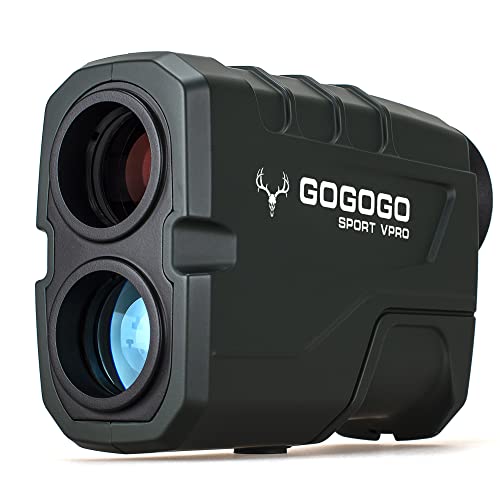
Gogogo Sport Vpro Green Hunting Rangefinder 1200 Yards

Bushnell 10x42mm Trophy XLT Binoculars

Gogogo Sport Vpro Golf Range Finder 900 Yards

Gogogo Sport Vpro Range Finder 1500/2500 Yards

Vortex Crossfire HD 10×42 Binoculars

Gogogo Sport Vpro GS24 Laser Rangefinder 1200 Yards

Gogogo Sport Vpro Rangefinder Binoculars 8×42
More On The Choices That Made The List
The Diamondback HD is the optic most bowhunters reach for first. A 10×42 configuration (meaning 10x magnification through 42mm objective lenses) pulls distant deer into detail at the edge of a cut cornfield, and the fully multi-coated lenses hold contrast in low predawn light. The armoring is rubberized and grippy, so a wet hand or cold glove still gets traction on the bridge.
Compared to the rangefinders further down this list, this is a pure glassing tool. You pair it with your own rangefinder if you want yardage data, but for picking apart a hillside, it stays composed and neutral. Owners commonly note the diopter (the small adjustment ring that sets focus for each eye) holds setting well even after months of pocket carry.
What Stands Out
- 10×42 setup balances reach with a steady handhold, even from a ladder stand.
- Fully multi-coated lenses push clean color through dawn and dusk windows.
- Rubber armor shrugs off bumps against saddle hooks and trekking poles.
- Argon-purged tubes (sealed with argon gas to resist internal fogging) handle cold-to-warm transitions without hazing.
Things To Consider
- 10x magnification amplifies handshake tremor; bracing against a tree or pack reduces that strain.
- The included neck strap is serviceable but tends to get replaced with a wider harness for long sits.
Made For
Treestand hunters who glass long, slow sits and want neutral color for judging body and antler detail.
Consider Something Else When
The Gogogo Sport Vpro GS24 suits you better if you want a single handheld that combines glassing with on-demand yardage.
The GS06 covers the basics a new bowhunter actually needs. It ranges out to 1200 yards on reflective targets and pulls close readings on deer-sized objects within typical bowhunting distances. Three modes let you toggle between standard distance, scan, and a hunting-specific readout that displays angle and horizontal distance.
At this tier the screen is small and the housing is plastic-heavy, but the unit still feels light in a pack. Where the Diamondback above handles pure image quality, the GS06 earns its spot by adding yardage data without weighing down your kit. Common feedback mentions a learning curve on the mode button placement, since the controls sit closer to the eye end than expected.
The Value In It
- Angle compensation helps when ranging from a treestand down to a feeding flat.
- 6x magnification is enough to confirm your target before you draw.
- Scan mode updates yardage continuously while panning a clearing.
- Compact body fits in a binocular harness pocket alongside the Diamondback.
Points To Keep In Mind
- LCD readout can wash out in bright midday sun; cupping a hand around the eyepiece helps.
- Plastic chassis is durable enough but shows scuffs after a season of pack abuse.
Right Fit For
First-time bowhunters stepping up from guess-estimating yardage and wanting an affordable handheld.
Look Elsewhere When
The Gogogo Sport Vpro Range Finder 1500/2500 Yards fits better if you hunt open prairie and need more reach.
Where the GS06 gives you three modes, this green-housing rangefinder leans into archery-specific readouts. Mode 1 shows straight-line distance, horizontal distance, and angle all on one screen, which removes the mental math that comes with steep downhill shots. The 905nm Class 1 laser (a near-infrared beam rated eye-safe under consumer standards) reaches out to 1200 yards with ±1 yard accuracy on reflective targets.
It pairs naturally with the Diamondback HD above: glass to find the buck, range to confirm the shot. The 6x magnification keeps the unit useful for ID work too, which matters when a doe and a button buck step out together at last light.
The Case For It
- Angle-corrected horizontal distance simplifies steep treestand shots.
- LCD display shows three numbers at once, cutting down on button presses.
- Eye-safe Class 1 laser means no special handling or caution labels in the field.
- Light body weight suits a saddle hunter counting every ounce.
Worth Noting
- Refresh rate slows on dark, non-reflective targets in heavy cover.
- Battery door is small and easy to fumble with cold fingers; spares are worth carrying.
Best Suited To
Treestand and saddle hunters who shoot angled distances and want the math handled for them.
A Better Fit Elsewhere
The Vortex Diamondback HD 10×42 Binoculars makes more sense if your priority is image quality over distance data.
The Bushnell Trophy XLT sits in the middle of the binocular side of this list. A 6.2-degree angle of view (the width of the area visible at 1000 yards) gives you a noticeably wider window than the Diamondback, which pays off when you are spot-and-stalking through uneven terrain and need to scan a whole basin without moving the optic.
Waterproofing and a textured armor shell make it forgiving in wet coastal or mountain conditions. Owners often pick this one for hunts that double as scenic trips, since the wider field also helps with casual birding and landscape viewing. Compared to the rangefinders below, you trade distance data for a glassing experience that feels more relaxed.
Well-Handled Touches
- Wide 6.2-degree field helps track moving animals without constant panning.
- Waterproof sealing handles rain, snow, and accidental stream crossings.
- Long eye relief suits glasses wearers on long scouting days.
- 10×42 size keeps exit pupil (the beam of light leaving the eyepiece) large enough for low-light use.
Trade Offs
- Slightly heavier than the Diamondback, so it weighs down a chest harness on all-day stalks.
- No rangefinder integration, so you carry a separate unit for distance work.
Key Specs
Who It Suits Best
Spot-and-stalk hunters who need a wide field for scanning broken country.
Reach For A Different Pick When
The Gogogo Sport Vpro Rangefinder Binoculars 8×42 works better if you want glassing and ranging in one chassis.
Marketed as a golf tool, this unit quietly does double duty in the woods. A magnetic strip on the side snaps it to a cart or a steel range box, and a built-in 750mAh rechargeable battery replaces the coin cells in older units. The display shows angle, line-of-sight distance, and slope-adjusted distance together, with a quick-toggle switch to make the readout tournament-legal when needed.
For bowhunters, the slope toggle matters most. You can leave it engaged for practice sessions at the range, then switch it off for hunting scenarios where angle compensation is built into your bow’s holdover marks. Compared to the entry-level GS06 above, this unit feels faster on lock-on and runs longer between charges.
What It Does Well
- USB-C rechargeable battery saves on coin-cell replacements across seasons.
- Magnetic mount keeps the unit handy on a truck dash or range cart.
- Pin lock vibration confirms target acquisition without second-guessing.
- Slope on-off switch adapts between practice and hunting without re-zeroing.
Softer Spots
- 900-yard ceiling is shorter than other rangefinders on this list.
- Charging port cover feels thin and worth keeping an eye on in wet weather.
Perfect Match For
Multi-discipline archers who shoot golf and bowhunt and want one rechargeable tool.
Swap It Out When
The Gogogo Sport Vpro GS24 fits better if you need 1200-yard reach for longer hunting shots.
This rangefinder stretches the reach budget considerably. Reflective targets lock in out to 1500 yards with ±0.5 yard accuracy, and the unit’s 7x magnification gives a noticeably larger image than the 6x units elsewhere on this list. Flag Lock technology isolates the pin from background trees up to 300 yards, which speeds up target confirmation in open country.
For western bowhunters chasing elk across sage basins or muleys on rim country, the extra reach is the whole point. Readings come back in around 0.38 seconds, so you can range, decide, and draw before a bedded animal stands up. Compared to the smaller GS06, this unit feels like a grown-up tool for serious distance work.
A Strong Showing
- 1500-yard reflective range covers long western shots.
- 7x magnification helps ID targets before committing.
- Slope switch toggles between hunting and tournament-legal modes.
- Fast 0.38-second refresh keeps up with moving animals.
Honest Caveats
- Bigger chassis is bulkier in a chest harness pocket.
- At bowhunting distances, much of the extra range goes unused on whitetail setups.
Feature Snapshot
Whose Shelf It Belongs On
Western bowhunters needing extra reach across open basins and rim country.
Where A Sibling Pick Shines
The Gogogo Sport Vpro GS24 fits better for thick timber where maximum range is not the priority.
The Crossfire HD sits one tier below the Diamondback in Vortex’s lineup but borrows a lot of the same optical philosophy. HD glass elements (high-density glass that sharpens color and reduces distortion) clean up color fringing around branches and antler tines, and the 10×42 size matches the Diamondback for familiar handling.
The included GlassPak harness is a real perk. It keeps the binoculars strapped to your chest for quick deployment and adds a layer of padding if you brush through thorny cover. Compared to the rangefinders on this list, the Crossfire is all about image quality without distance data, and for hunters who already own a separate rangefinder, that division of labor makes sense.
Practical Pluses
- GlassPak chest harness keeps glass accessible during active stalks.
- HD optics sharpen edges and improve color fidelity in mixed light.
- Rubber armor handles bumps against saddle platforms and pack frames.
- 10×42 balance works well for both treestand glassing and walk-in scouting.
Factors To Consider
- Optical clarity trails the Diamondback when comparing side by side in low light.
- Harness adds bulk that some hunters prefer to skip in favor of a simple strap.
Built With In Mind
Year-round hunters who want a tough binocular that handles multiple seasons without complaint.
Another Choice May Suit
The Bushnell Trophy XLT 10x42mm fits better if you want a wider field for scanning large clearings.
The GS24 is the most versatile handheld in this lineup. ARC (angle range compensation) handles both golf and hunting scenarios, continuous scan readings update the display as you pan across a hillside, and the slope function makes it useful for practice sessions and treestand shots alike. All models in the family ship with slope enabled.
Where the GS06 keeps things simple, the GS24 layers in features without becoming confusing. The button layout is logical, and the LCD shows enough information at once that you rarely need to cycle through menus mid-hunt. Compared to the 1500/2500-yard unit above, you give up reach but gain a more compact, pocketable body.
Reasons It Performs
- Continuous scan mode tracks yardage while sweeping across terrain.
- ARC works for both uphill hunting shots and downhill golf approaches.
- Slope function built into every model in the family.
- Compact form slips into a binocular harness pocket or jacket pocket.
Room For Improvement
- Display can take a beat to refresh on heavily camouflaged targets.
- Plastic housing scuffs visibly after a season of hard pack carry.
Quick Facts
Who Should Grab It
Hunters who split time between timber and open country and want one rangefinder that handles both.
Skip It When
The Gogogo Sport Vpro Range Finder 1500/2500 Yards suits you better if you routinely shoot past 200 yards.
This hybrid combines a laser rangefinder with a binocular body, so one tool does both jobs. The 8×42 binocular side uses fully multi-coated optics for glassing duty, while the rangefinder side reaches out to 1500 yards on reflective targets. For minimalist setups, dropping one unit from the pack is a meaningful weight savings.
The honest read is that hybrid tools always carry trade-offs. The binocular image is decent but does not match the dedicated Diamondback or Crossfire above, and the rangefinder readout is slightly slower than single-purpose units like the GS24. Still, for hunters who want to keep their kit simple, the convenience argument is strong.
What Works In Its Favor
- Two-in-one design cuts pack weight and simplifies gear lists.
- 8×42 binocular side uses fully multi-coated optics for clear glassing.
- 1500-yard rangefinder reach covers most hunting scenarios.
- Familiar binocular form factor reduces the learning curve.
Less Ideal Details
- Hybrid design adds weight in a single unit, which can tire arms during long glassing sessions.
- Battery life is shared between the binocular reticle and laser, so monitoring charge levels matters.
Built With In Mind
Minimalist bowhunters who want one tool for both glassing and ranging on every hunt.
Not Your Match When
The Vortex Diamondback HD 10×42 Binoculars pairs better if image quality is the priority over tool consolidation.
What Matters Most Before Choosing Bow Hunting Binoculars
Magnification And Objective Lens Balance
The 10×42 setup covered by the Diamondback and Crossfire is the most common pairing in this category. 10x magnification gives enough reach for ID work at the edge of typical bow range, while 42mm objective lenses (the front glass elements that gather light) keep the exit pupil large enough for dawn and dusk use. Going to 12x or 15x pulls distant detail closer but amplifies handshake tremor, which is rough from a treestand at full draw. A wider 8x configuration steadies the image but softens far targets.
Field Of View Versus Image Detail
A wider field of view, like the 6.2-degree spec on the Bushnell Trophy XLT, makes scanning open country faster. You see more of a hillside with each sweep, which matters when animals move quickly through cover. Narrower fields concentrate detail on a smaller window, which helps with antler counting or pelage study at the cost of tracking speed. Bowhunters in thick cover usually tolerate narrower fields; spot-and-stalk hunters in open terrain benefit from wider ones.
Rangefinder Integration And Slope Use
A laser rangefinder (a device that bounces a laser pulse off a target to calculate distance) becomes essential when you shoot past 30 yards on angled ground. Angle compensation converts line-of-sight distance to horizontal distance, which is the number your bow’s ballistic chart expects. The green-housing Gogogo rangefinder, the GS24, and the 1500/2500-yard unit all offer slope modes you can toggle on or off depending on whether you hunt in states that restrict their use. Hybrid rangefinder-binoculars consolidate tools but rarely match dedicated glassing optics in image clarity.
Weight, Armor, And Weatherproofing
A binocular that lives in a chest harness all day needs rubber armor and a sealed chassis. Look for waterproofing or at least weather resistance, plus nitrogen or argon purging (gas-filled tubes that prevent internal fogging across temperature swings). The Crossfire, Diamondback, and Trophy XLT all carry ruggedized housings suited to brush, rain, and the occasional tumble off a pack.
Key Considerations Across These Picks
Pitfalls Shoppers Hit
Going too cheap on a rangefinder often means slow lock-on, a washout-prone LCD, and angle readings you cannot trust past 50 yards. Skipping magnification trade-offs leaves bowhunters with 12x optics they cannot hold steady from a stand. Forgetting to verify slope legality in your hunting state can mean a ticket instead of a tag, so check regulations before relying on angle-compensated units in the field.
Where The Extra Money Goes
Higher-tier picks like the Diamondback HD and the long-range 1500/2500-yard rangefinder put money into HD glass, tighter tolerances, and faster refresh rates. That shows up in cleaner color, sharper edges, and readings you trust under pressure. For hunters who glass for hours or shoot past 60 yards regularly, the upgrade pays off in confidence. Casual weekend hunters can stay in the value tier without losing much real-world capability.